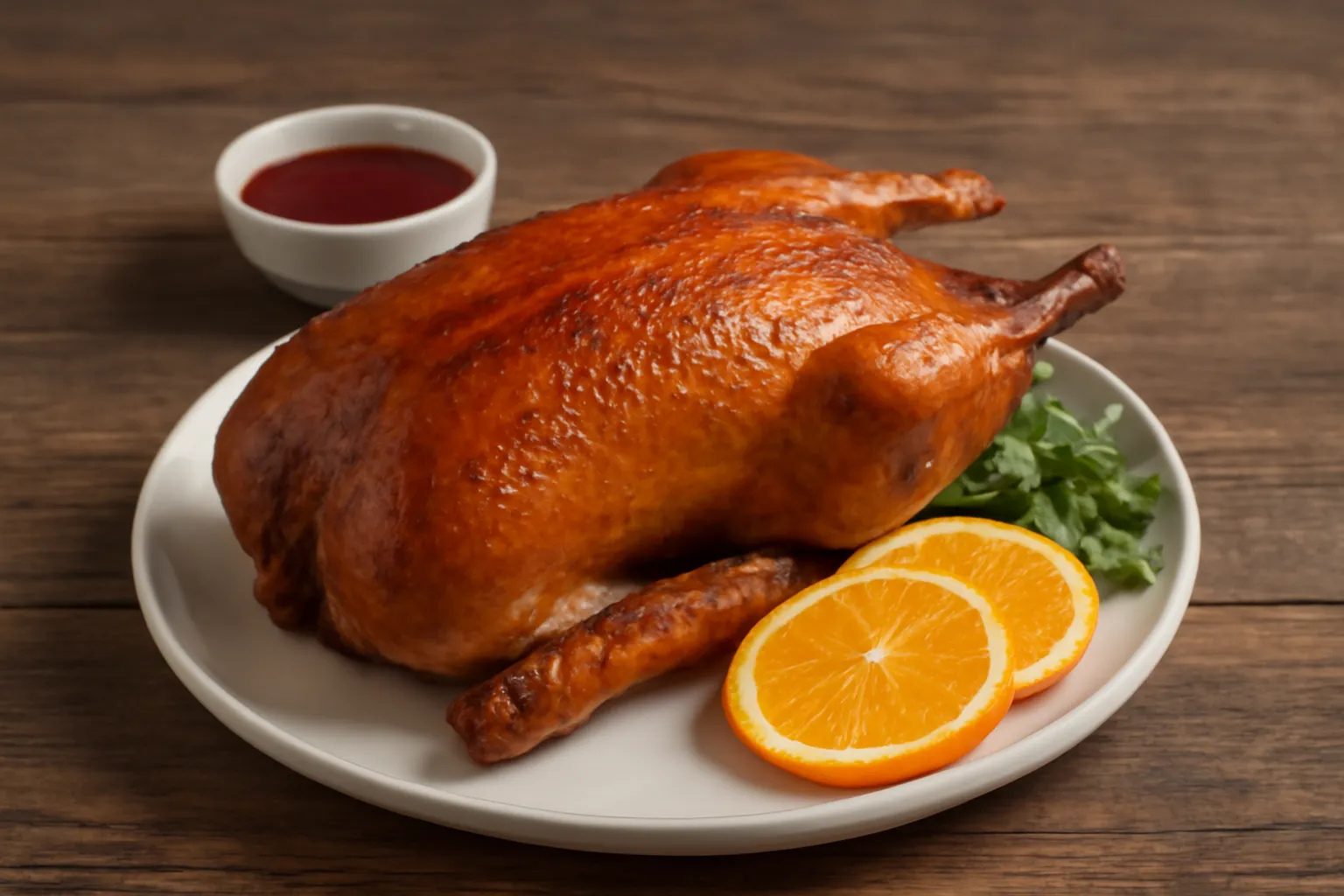
Duck kosher is a topic that blends agricultural practice, religious law, and careful kitchen technique. For families observing kashrut, buying and preparing kosher duck meat means more than choosing a tasty bird. It means verifying that the bird is of an allowed species, slaughtered and processed in accordance with halacha, and handled with the proper supervision and equipment from farm to table. This article offers a thorough guide to understanding duck kosher status, how to buy kosher duck, what certification and hechsher to look for, and how to prepare and cook duck in a way that stays true to kosher dietary laws.
In the traditional Jewish dietary laws, birds are regulated by a list in the Torah. Unlike mammals, where species and the slaughter method determine acceptability, birds are primarily judged by whether they are among the forbidden or allowed kinds. The general rule is that birds listed as non-kosher in Scripture are forbidden, while many other birds are considered kosher when properly slaughtered and processed. Domestic ducks and many other waterfowl are widely regarded as kosher by major rabbinic authorities, provided they meet all halachic requirements during slaughter (shechita) and post-slaughter handling.
The crucial point is that being a kosher duck is not automatic simply because the species is commonly eaten. A duck meat that is kosher must come from an animal that was slaughtered with a permitted technique by a trained professional (a shochet), and the meat must be processed under supervision to ensure that no forbidden substances or handling practices contaminate it. In practice, most store-bought kosher duck carries a reliable symbol of certification, called a hechsher, which signals compliance with kosher standards.
How to tell if a duck is kosher: certification and hechsher
The core mechanism that guarantees kosher status for duck is certification. A reliable hechsher on packaging indicates that the product has been supervised by a rabbinic authority from farm to store shelf. For poultry, including duck, a certification often covers:
The source of the birds (whether the herds or flocks come from approved, inspected facilities).
The slaughtering process (shechita) performed by a trained shochet according to halacha.
Post-slaughter handling, evisceration, and processing in facilities that are under ongoing mashgiach supervision.
Preparation, packaging, and storage to avoid contamination with non-kosher substances or equipment.
The most common symbols you’ll see on duck kosher products include those from well-known kosher certification agencies. If you are new to this, remember: a hechsher is a sign of compliance, but it’s wise to check the scope of supervision. Some products bear a liquid or numerical emblem indicating the supervising agency; others may display a full certificate number. When in doubt, contact the certification agency or your local rabbi for guidance.
What is a mashgiach and why it matters
A mashgiach is a supervisor who ensures that the standards of kosher production are followed during processing, packaging, and handling. For duck meat that is certified, a mashgiach often visits farms and processing plants to confirm that:
Birds are slaughtered according to shechita rules.
Utensils, equipment, and facilities are clean and free from non-kosher cross-contact.
Ingredients used in processing (such as brines, seasonings, or additives) are kosher and properly labeled.
Storage, transportation, and display meet the agency’s standards for preservarion of the kosher status.
The presence of a mashgiach stamp or a reliable hechsher symbol provides the consumer with confidence that what they buy as kosher duck has passed a rigorous inspection chain.
Finding good sources for kosher duck involves considering the type of product you want and your geographic location. Options include:
Local kosher butcher shops that carry poultry and can offer certified duck products.
Supermarkets with dedicated kosher sections that stock kosher duck meat.
Online kosher markets that ship within or across regions, often providing a broader variety of cuts and preparations.
Community-supported farms or farms with kosher certification that ship directly to consumers.
Regardless of the venue, always look for a clear kosher certification on duck packaging. If you’re unsure about the source, ask questions:
Who is the supervising agency for this product?
Is the entire production chain certified (farm, slaughter, processing, packaging)?
Are there any additional notes about preparation or possible contact with non-kosher equipment?
For many households, the most convenient choice is a reputable kosher duck product from a trusted market with regular hechsher updates. If you prefer to cook with poultry you’ve sourced directly, you can still ensure kosher status by handling the meat according to your community’s guidelines and using certified products for any seasonings or marinade components.
The certification process: from farm to table
The route of kosher duck from farm to fork is defined by a sequence of inspections and procedures designed to insure halachic compliance. The main stages typically include:
Selection of birds from approved breeders or facilities that maintain traceable documentation.
Proper slaughter (shechita) conducted by a trained shochet, in accordance with kashrut guidelines.
Post-slaughter processing, including evisceration and cleaning, performed under supervision.
Salting and soaking or other approved methods to remove blood, followed by thorough rinsing.
Packaging, labeling, and storage in a facility equipped to prevent cross-contact with non-kosher products.
It’s common for the processing facility to maintain ongoing mashgiach oversight, ensuring that all steps align with the agency’s standards. Agencies may vary in their exact procedures, but the underlying principle remains constant: the product labeled as duck kosher must be traceable to a strictly supervised process that respects halachic requirements.
Common certification symbols and how to read them
When you shop for kosher duck, you might encounter symbols such as OU, OK, Star-K, CRC, or others, each representing a different supervising body. Here are some quick tips:
Know that the symbol alone doesn’t guarantee quality; it signals the presence of a supervising agency.
Some products carry a generic “kosher for Passover” designation in addition to the standard yearly certification.
For new or unfamiliar symbols, verify with your local rabbi or the certification agency’s website.
If you intend to cook duck kosher for a specific holiday, you may encounter additional requirements, such as Passover kashering considerations. In some cases, the certification scope includes year-round certification or seasonal editions, so it’s wise to check expiration dates and seasonal notes.
Preparing duck kosher at home: storage, thawing, and handling
For home cooks, the practical steps to keep kosher status in the kitchen begin with careful handling. Here are guidelines tailored to kosher duck meat:
Store duck in its original packaging in the coldest part of the refrigerator if you plan to thaw and cook within a day or two. For longer storage, place the meat in the freezer in a sealed bag to prevent contact with air and to preserve flavor and texture.
Always check the packaging for the hechsher and the best-by date. Do not purchase meat that appears damaged or tampered with.
Thaw poultry gradually in the refrigerator to avoid bacterial growth. Do not thaw at room temperature, which can compromise safety and moisture content.
It’s essential to keep your kosher kitchen separate from non-kosher ingredients and utensils. This means:
Using dedicated knives, boards, and cookware for meat products, distinct from dairy or pareve items.
Keeping sauces or marinades that accompany duck kosher separate from dairy products to maintain the prohibition against mixing meat and dairy.
Reading labels for additives that could render a product non-kosher (for example, certain emulsifiers or flavorings that may contain non-kosher components).
For those new to the practice, it can be helpful to consult a local rabbi or mashgiach to confirm that your chosen preparation method aligns with your community’s standards, especially if you are using store-bought seasonings or marinades.
Cooking kosher duck: techniques and best practices
The cooking methods for kosher duck are varied, but the key is to maintain the integrity of the meat while adhering to dietary laws. Here are common approaches and pointers:
Roasting is a classic method for whole duck. Score the skin to render fat and achieve crisp skin, then baste with a seasoned liquid or citrus-based glaze. Ensure that any glaze or glaze ingredients are kosher-certified and dairy-free if you are cooking meat alone.
Confit and braising: Duck can be simmered slowly in broth or fat, which can lead to tender, flavorful meat. If you’re using a store-bought stock, verify that it bears a reliable kosher certification and that no dairy products are included if your dish is meat-based.
Butter and dairy sauces are popular, but with meat, you must avoid dairy unless the dish is dairy-kosher and prepared separately. If you want a rich finish, consider using parve or meat-friendly fats such as olive oil, chicken fat (schmaltz) under supervision, or vegetable-based fats that are certified kosher.
Internal temperature: Aim for a safe internal temperature of about 165°F (74°C) for poultry to ensure doneness and reduce risk of pathogenic bacteria. A meat thermometer helps avoid overcooking and preserves moisture in the bird’s meat.
When preparing duck meat in a kosher kitchen, you may also encounter practice variants like removing the skin for lower fat content or rendering the fat before finishing the dish. In many homes, duck skin is rendered first to separate fat, which can then be used for roasting vegetables or making flavor-rich gravies. Ensure that any fat you render or reuse is kept separate from dairy products to stay within kosher guidelines.
Flavor ideas and menu planning for kosher duck
If you’re planning a kosher menu around duck, consider the following ideas, which can be adapted for different occasions:
Classic roasted duck with citrus and herbs (orange, lemon, thyme, garlic), finished with a light glaze that is kosher-certified.
Duck breast with a pomegranate glaze and roasted root vegetables, ensuring that all accompanying ingredients are certified and dairy-free if needed.
Duck confit served with a parve side dish like roasted vegetables or a quinoa salad to create a balanced meal that respects meat-dairy separation.
Glazed duck legs with a red wine and berry reduction prepared with kosher wine (check for a reliable symbol) and appropriate thickening agents that are kosher.
Common questions about duck kosher status and practices
To help readers navigate practical scenarios, here are answers to frequently asked questions about duck kosher:
Is a duck carcase kosher if the species is permitted? Yes, provided the bird is slaughtered according to shechita, processed under mashgiach supervision, and handled with kosher equipment.
Can I buy frozen duck labeled as kosher? Yes. Frozen products with a hechsher are generally acceptable, just check the packaging for certification details and the scope of the certification.
What about duck products like sausages or processed items? Look for a robust kosher certification on the package, as processed items may contain flavorings or fillers that require kosher oversight.
Are there issues with duck liver or other offal? Offal may carry separate considerations; if the product is certified as kosher, it typically follows the same supervision rules, but some authorities may have specific guidelines.
Special notes: duck vs goose vs chicken in kashrut
The family of poultry that includes duck, goose, and chicken is commonly eaten in many Jewish households, but there are nuances:
All three can be kosher if halacha is observed and if a reliable hechsher is present. However, the particular processing plant and the certification may differ by species or product line.
Birds of prey or scavengers are non-kosher, which would render meat from those birds not suitable for kosher consumption.
Be mindful of the fat and skin in different birds. Some households trim or render fat for cooking, while others preserve it for flavor, all within the bounds of kosher dietary laws.
Beyond adherence to halacha, many consumers care about the broader context of their food. When you select kosher duck products, you can consider:
Animal welfare practices in the production facility and farm where the birds are raised. Some organizations emphasize humane handling and enrichment as part of their standards.
Environmental sustainability of the farm or ranch. Look for brands that highlight responsible grazing, water use, and waste management.
Traceability: The ability to trace the product back to its source is often part of the certification’s integrity.
Whether you’re planning a holiday feast or a weeknight dinner, here are practical tips to help you succeed with duck kosher:
Plan ahead: Duck kosher products may require advance ordering, especially around major holidays when demand is high.
Check the recipe’s compatibility: If you’re following a specific kosher cookbook, verify that the ingredients you plan to use have reliable kosher certification.
Prep with care: If you salt or brine the meat as part of a traditional process, ensure that your equipment and workspace are kept free from dairy and non-kosher contact.
In the broader landscape of kosher poultry cooking, duck kosher represents a satisfying and versatile option. With a reliable hechsher, you can confidently buy kosher duck and enjoy a wide range of culinary possibilities—from crisp roasted duck with a citrus glaze to tender braises and confits. The essential steps remain consistent: verify the source and certification, handle the meat in a kashrut-compliant kitchen, and cook with attention to permissible ingredients and proper separation of meat and dairy. This approach makes it possible to savor kosher duck meat while honoring both dietary laws and culinary curiosity.
If you are exploring duck kosher options for the first time, consider starting with a trusted source that offers clear packaging and straightforward guidelines. As you gain experience, you’ll see how the combination of species suitability, proper slaughter, and responsible processing creates a reliable path from the farm to your table—allowing you to enjoy delicious kosher duck dishes with confidence.