For many kosher kitchens, chicken liver kosher tops the list of accessible, flavorful, and versatile ingredients. From the creamy texture of a well-made liver pate to the rustic charm of sautéed liver with onions, the possibilities are broad. This article walks you through everything you need to know about procuring kosher-labeled chicken liver, preparing it in a way that complies with Jewish dietary laws, and cooking it to maximize flavor while respecting the rules of kashering and blood removal. Whether you are shopping for a special Shabbat meal or everyday weeknight dinners, understanding the nuances of kosher chicken liver can elevate your cooking and keep your kitchen in compliance with your community’s standards.
In the world of kosher food, the term kosher chicken liver refers to liver that comes from a bird slaughtered under shechita and processed in facilities that maintain proper kosher supervision. There are two essential elements to consider:
Slaughter and processing: The live bird must be slaughtered by a trained professional (a shochet) according to traditional rules, yielding meat that is acceptable for Jewish dietary laws. While liver is a byproduct of the bird, it still falls under the same framework for blood and fat removal as other poultry parts.
Blood removal: The removal of blood is a central requirement for poultry meat, and many authorities instruct dedicated steps to ensure blood elimination. This typically involves soaking, salting, and thorough rinsing to reduce residual blood content before it is deemed fit for consumption in a kosher kitchen.
Because liver tends to retain fluids and sometimes carries trace amounts of blood near vessels, many kosher cooks pay particular attention to the kashering process for liver. In practice, this means following established methods for soaking, salting, and rinsing, or using approved alternatives such as broiling as a method of thorough blood extraction. When you buy chicken liver kosher, you’ll typically see one of two things:
A certified product with a visible Kosher certification symbol (hechsher) indicating compliance with a recognized authority.
Fresh, unprepped liver from a trusted kosher butcher or market that follows local guidelines and uses separate equipment to prevent cross-contamination with non-kosher items.
Key terms and kosher considerations
Understanding the vocabulary helps in choosing the right product and avoiding common pitfalls. Here are terms you’re likely to encounter when shopping for kosher chicken liver or talking with your kosher butcher:
Hechsher — a symbol on packaging or a certificate showing certification by a kosher authority.
Glatt kosher — a stricter standard related to the lungs’ glatt (smooth) condition; for liver, this designation is less consequential than for certain cuts, but some communities still prefer it as a general mark of stricter kosher processing.
Kashering — the set of steps used to render meat or liver free from blood and non-kosher residues, typically soaking and salting or broiling.
Treif — non-kosher; items not accepted by a given kosher authority. Look for official guidance if you are uncertain.
Cholov Yisrael / Dairy-free declarations — relevant if you are combining dairy and meat dishes, as most chicken liver preparations are meat-based and require clean separation from dairy equipment.
Chaverut or Rabbinic supervision — indicates ongoing oversight by a rabbinic authority in a market or processing facility.
Where to buy kosher chicken liver
Choosing the right source for kosher-labeled chicken liver helps ensure quality and compliance. Here are practical options and tips to consider when purchasing:
Certified kosher markets — Many large markets have a dedicated kosher meat section with liver labeled as kosher chicken liver, often with a hechsher on the package.
Trusted kosher butchers — A local butcher who handles poultry under rabbinic supervision can provide fresh liver and may also offer guidance on kashering techniques appropriate for your tradition.
Online kosher suppliers — Reputable online vendors can deliver kosher chicken liver with documentation and a shipping method that preserves freshness; always verify the current certification against your community’s standards.
Labels and symbols — Look for widely recognized symbols (for example, OU, OK, Star-K, CRC, or local authorities) and check the packaging’s “sell-by” date to ensure optimal freshness.
When shopping, you may hear terms like kosher poultry liver or liver from kosher chickens. These phrases describe the same product from a produce perspective, but they’re helpful to note when asking for availability at the counter or searching online catalogs.
Selecting high-quality liver
The quality of the liver affects texture and flavor more than most other components. Here are practical cues for selecting kosher chicken liver that will perform well in a range of preparations:
Color: Fresh liver ranges from pinkish-brown to deep reddish-brown. Avoid pale, grayish, or greenish hues, which can indicate aging or improper handling.
Texture: Should be smooth and slightly moist, not sticky or dry. A slightly moist surface is a sign of good freshness.
Smell: A clean, slightly sweet or neutral aroma is normal. A sour, metallic, or off-putting odor indicates spoilage.
Firmness: Gently press the liver; it should yield slightly but not be mushy. Extremely soft livers may be past prime.
Size and evenness: Uniform pieces cook more evenly. If you buy in bulk, you can portion and freeze for later use.
Note that some liver products intended for specific kosher preparations may already be pre-soaked or pre-salted. If you’re purchasing liver that has not been kashered, you’ll need to apply the correct procedure at home or rely on the butcher’s service to ensure compliance with your tradition’s guidelines.
Prepping and kashering chicken liver
Prepping kosher chicken liver involves a careful sequence of washing, soaking, and removing blood, followed by careful handling to avoid cross-contamination with dairy or non-kosher items. The exact method can vary by community, but the following approach reflects broadly accepted steps that align with many kosher authorities.
Soaking and salting: step-by-step
Rinse the liver under cold running water to remove surface residues.
Soak in a large bowl of cold water for several hours or overnight. Change the water every 2–4 hours if you soak overnight or leave it in a fridge in a covered container to maintain safety and temperature control.
Salting after soaking: create a salt layer as you would for other meat products. Use a liberal amount of coarse salt to cover all surfaces; a typical guideline is to salt the pieces thoroughly and contact them with the salt for about 1–2 hours at room temperature, or longer if directed by your community’s standard.
Rinse again after salting to wash away the salt and any dissolved blood. This is a crucial step to reduce the blood content and ensure a clean finish.
Dry the liver thoroughly with clean towels or allow it to air-dry on a rack before cooking. Adequate drying helps achieve a better sear and texture in many recipes.
Alternative blood-removal methods: broiling or parboiling
Some households in kosher communities use a less labor-intensive method for removing blood from poultry liver. These approaches emphasize heat rather than prolonged salting:
Parboiling: Briefly boil the liver in water for a minute or two, then drain. This helps draw out some surface blood before continuing with cooking. After parboiling, pat dry and proceed with your chosen recipe.
Broiling (high heat): Place liver slices on a broiler rack and broil just long enough to render some surface blood. Turn as needed to avoid burning and ensure even exposure. Rinse lightly if needed and pat dry before further cooking.
Combination methods: Some cooks parboil first, then soak and salt as a second step to maximize blood removal and texture. If you follow this route, plan for an extra step in your prep timeline.
Rinsing, drying, and handling post-kashering
After the kashering steps, rinse the liver thoroughly with cold water to remove any residual salt and blood remnants. Dry completely with clean towels to prevent water from diluting pan searing or frying. Use clean utensils and bowls dedicated to meat (not dairy) to avoid cross-contamination, per your kitchen’s practice. If you’re preparing multiple meats or varieties, keep a clear separation between equipment used for meat and dairy, as required by your tradition.
Cooking methods for kosher chicken liver
With properly kashered liver on hand, you can prepare a wide array of dishes that highlight its delicate flavor and smooth texture. Below are several classic methods and contemporary twists that work well with kosher chicken liver while respecting kosher cooking principles.
Classic sautéed chicken liver with onions
A timeless preparation that showcases the liver’s natural depth. This dish is popular in many kosher homes and can be served as a main or as part of a larger mezze plate.
Pat dry the liver pieces and season lightly with salt, pepper, and a pinch of paprika or cumin for warmth.
Heat a skillet with a neutral oil or a combination of oil and a small amount of rendered chicken fat (schmaltz) if you prefer traditional flavor. Add thinly sliced onions and sauté until caramelized and golden.
Add the liver in a single layer; sear briefly on each side, cooking just until opaque in the center. Overcooking can make liver tough, so aim for a delicate blush of pink inside.
Finish with a splash of acid (lemon juice or a mild vinegar) and optional herbs like thyme or parsley. Serve immediately with sides such as rice, mashed potatoes, or roasted vegetables.
Chopped liver spread (pate-style) for kosher kitchens
Chopped liver is a beloved spread in many Jewish households. For a kosher chicken liver version, blend the prepared liver with onions and a binding agent to create a smooth or chunky pate that can be served on challah or crackers.
Finely chop or pulse the cooked liver until almost smooth; you want a texture with some bite, not a paste.
Mix with sautéed onions, a touch of schmaltz or oil, and seasonings such as salt, pepper, garlic powder, and a dash of paprika or cinnamon for warmth.
Optionally fold in hard-boiled egg yolks for a richer texture. Chill the spread to develop flavors, then serve with fresh bread or matzo.
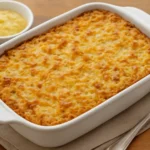
Liver kugel (kosher, oven-baked)
Kugel made with liver offers a hearty, comforting dish that stands up to weekend meals and holiday tables. Here is a practical approach for a kosher kitchen:
Prepare liver by following the kashering steps. Chop into small pieces and sauté with onions, garlic, and seasonings until well browned.
Combine the liver mixture with beaten eggs, shredded potatoes or matzo meal, salt, pepper, and fresh herbs.
Pour into a greased baking dish and bake until set and golden on top. The result is a savory, slightly crumbly kugel that pairs well with salads and dairy-free sides.
Herbed baked liver with citrus (light and fresh)
For a brighter interpretation that’s still kosher-friendly, use a citrus-driven glaze or marinade. This style emphasizes tenderness and a clean finish.
Marinate the liver slices in a mixture of lemon juice, olive oil, garlic, and fresh herbs for 30 minutes to an hour.
Sear briefly to brown the outside, then transfer to a preheated oven to finish cooking gently.
Finish with a fresh herb dusting, a final squeeze of lemon, and serve with a crisp grain or roasted root vegetables.
Grilled liver skewers (summer-friendly)
For outdoor cooks, liver kebabs or skewers can be a crowd-pleaser. The key is to keep pieces uniform in size and to monitor heat carefully to prevent overcooking.
Thread marinated liver chunks onto skewers with vegetables such as bell peppers and onions.
Grill over medium-high heat, turning regularly to achieve even browning without drying out the interior.
Serve with a yogurt-dill sauce on the side if dairy is permissible in your meal plan; otherwise, a tangy tomato-caper relish works well for a dairy-free option.
Flavoring ideas and kosher pantry suggestions
Enhancing the natural sweetness and depth of chicken liver can be done with a thoughtful blend of spices, herbs, and aromatics. Here are pantry staples and flavor ideas that work beautifully with kosher chicken liver:
Onions and garlic for sweetness and savoriness; caramelizing onions is almost always a good idea.
Herbs such as thyme, parsley, dill, and marjoram bring freshness that pairs well with poultry liver.
Spices including paprika, cumin, coriander, black pepper, and a hint of cinnamon or allspice for warmth without overpowering the liver’s flavor.
Citrus lemon or orange zest and juice to brighten the dish at the finish.
Fat options such as olive oil, canola oil, or schmaltz (chicken fat) for traditional richness. If your kitchen uses dairy-based sauces, be mindful of dairy-meat separation rules in your practice.
Common mistakes and safety considerations
Even experienced cooks can stumble when preparing chicken liver kosher. Here are common errors and how to avoid them:
Under-seasoning—liver can taste metallic if under-seasoned or under-salted after kashering. Be generous with seasoning, especially salt, in accordance with your community’s guidelines.
Overcooking—liver dries out quickly. Cook quickly over high heat for sautéed versions, or bake just until set in kugel or pâté styles.
Cross-contamination—keep meat and dairy separate. Use separate cutting boards, knives, and utensils for meat (including chicken liver) and dairy, following your tradition’s rules.
Rushing kashering—skipping soaking or insufficient rinsing can leave residual blood or salt on the liver, affecting flavor and the kosher status in some communities.
Improper storage—store fresh liver cold and use within a few days, or freeze in small portions to preserve quality. Label packages with date and source for traceability in your kitchen records.
Storage, freezing, and leftovers
Proper storage helps maintain the quality and safety of kosher chicken liver leftovers. Consider the following guidelines:
Refrigeration: Fresh liver should be used within 1–2 days of purchase if kept in the coldest part of the fridge. Keep it in its original packaging or in a clean, airtight container.
Freezing: Liver freezes well when portioned into meal-sized amounts. Wrap tightly in plastic wrap and foil, or use a freezer-safe bag to prevent freezer burn. Label with date and contents for easy inventory.
Thawing: Thaw in the refrigerator overnight or use a cold-water bath in a sealed bag. Do not thaw at room temperature, which can risk bacterial growth.
Leftovers: Reheat gently to avoid toughening the texture. A quick sauté or warm-through in a sauce works best for maintaining tenderness.
Practical tips for a kosher kitchen
To ensure a smooth experience with kosher chicken liver, keep these practical tips in mind:
Labeling and organization help you avoid mixing meat with dairy. Develop a system for labeling packages, prep bowls, and tools used for meat preparation.
Dedicated equipment—if you keep separate pots, pans, and utensils for meat, you’ll streamline cooking and keep you aligned with kosher standards.
Plan for kashering time—if your schedule allows, factor in soaking, salting, rinsing, and drying when you plan liver-based meals. This can affect timing especially for Shabbat or holiday meals.
Check certifications—even when buying from a trusted butcher, review the current certification symbol, as certification status can change over time.
Conclusion: embracing diverse uses of kosher chicken liver
Whether you call it kosher chicken liver, liver from kosher chickens, or simply a kosher poultry liver product, the possibilities are rich and varied. By understanding the fundamentals of blood removal, the kashering steps appropriate for your tradition, and the cooking methods that best retain texture and flavor, you can confidently incorporate this ingredient into a wide range of kosher dishes. From classic sautéed preparations to modern pâté and baked kugel versions, chicken liver in a kosher kitchen offers both practicality and culinary depth. With careful sourcing, adherence to kosher supervision, and thoughtful preparation, liver-based dishes can be a reliable and beloved part of your weekly rotation or festive table.