Introduction: Easy Shabbat Recipes for Peaceful Preparations
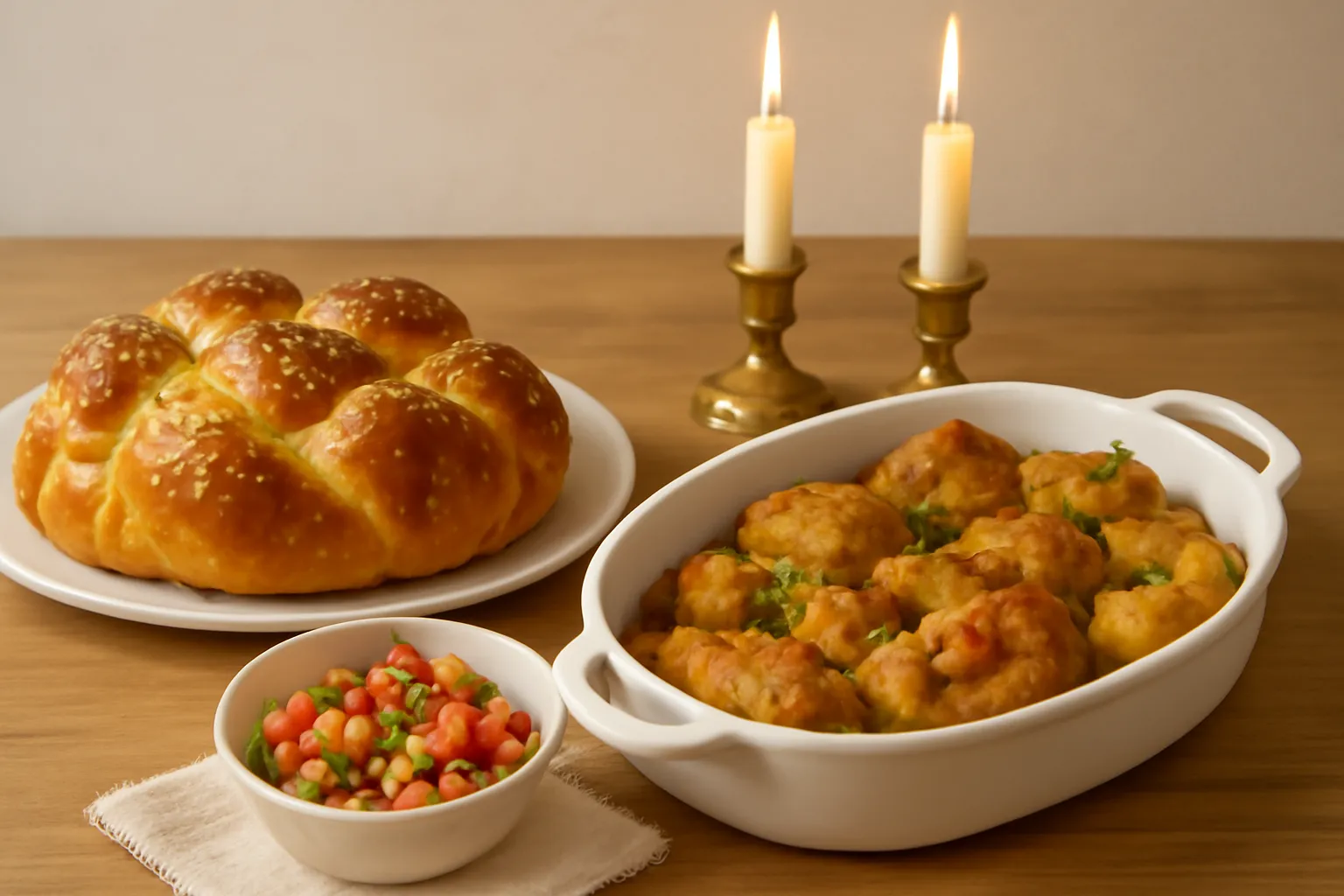
Preparing for Shabbat can feel like a balancing act between tradition, flavor, and time. The goal of Easy Shabbat Recipes is to provide quick, simple dishes that fit naturally into a Friday workflow and shine at the table on Friday night and beyond. In this article you’ll find a wide range of make-ahead options, one-pan dishes, and no-fuss sides that require minimal active cooking on Shabbat itself. Whether you’re cooking for a small family or hosting friends, these ideas are designed to be practical, honoring the spirit of Shabbat while delivering on taste and texture.
The recipes here emphasize flexibility and clarity—each section offers multiple options, from dips and salads to main courses, sides, breads, and desserts. To respect traditional practice, several recipes assume you have already prepared components beforehand (on Friday or Thursday) and are using warming methods on Shabbat to keep dishes at a safe, appetizing temperature. Wherever possible, we highlight make-ahead strategies, shorter prep times, and kosher-friendly substitutions so that you can adapt the plan to your kitchen needs.
Appetizers and Dips: Quick Opens to Shabbat
A first course sets the tone for Shabbat dinner. The following easy appetizers are designed to be assembled ahead of time or quickly put together just before guests arrive. They pair beautifully with warm bread or crispy vegetables and provide a balance of creamy, tangy, and bright flavors.
Herbed Tahini Dip with Pita
A creamy, nutty dip that feels luxurious without requiring lengthy prep. Tahini provides a protein boost and a smooth texture that holds up well on a warm tray.
Ingredients (serves 6):
1/2 cup tahini
1/4 cup fresh lemon juice
1 clove garlic, minced
1/4 cup water (adjust to preferred consistency)
2 tablespoons olive oil
2 tablespoons chopped fresh parsley
Salt to taste
Pita bread or fresh vegetables for serving
In a bowl, whisk tahini and lemon juice until smooth.
Add garlic, water a little at a time, and keep whisking until the dip reaches your desired consistency.
Stir in olive oil and chopped parsley, then season with salt.
Transfer to a serving dish and cover. Serve with warm pita or fresh vegetables.
Make-ahead tip: Cover and refrigerate up to 1 day. Bring to room temperature before serving for best flavor.
Israeli Cucumber-Tenn Salad with Citrusy Olive Oil
This crisp, refreshing salad offers a high-contrast partner to richer mains and dips. It’s light, vibrant, and easy to assemble in under 10 minutes.
Ingredients (serves 4–6):
2 large cucumbers, thinly sliced
1 large tomato, diced (optional)
1/4 red onion, thinly sliced
2 tablespoons chopped fresh dill or mint
2 tablespoons extra-virgin olive oil
Juice of 1 lemon
Salt and pepper to taste
Combine cucumbers, tomato, red onion, and herbs in a bowl.
Whisk olive oil and lemon juice with salt and pepper, then drizzle over the salad.
Toss gently to combine and serve immediately or refrigerate up to 2 hours.
Variation: Add crumbled feta or a handful of olives for a more robust flavor. If dairy is avoided, skip cheese and add a pinch of sumac for tang.
Main Courses: Straightforward Mains that Shine
The main courses below are designed to be prepared ahead or assembled quickly and then kept warm. Look for recipes that work well in a warming tray or a low-heat oven to keep the kitchen calm on Friday evening.
Sheet-Pan Lemon-Dill Salmon
A one-pan fish dish that bakes quickly and stays juicy. The lemon and dill aroma elevates the fish without needing heavy sauces.
Ingredients (serves 4):
4 salmon fillets (about 6 oz each)
2 lemon slices per fillet
2 tablespoons olive oil
1 teaspoon dried dill or 2 tablespoons fresh dill
Salt and pepper
Preheat the oven to 425°F (220°C).
Place salmon on a lined baking sheet. Drizzle with olive oil, sprinkle with salt, pepper, and dill.
Top with lemon slices. Bake for 12–15 minutes until opaque and flaky.
Make-ahead note: You can marinate the fish with the herbs and lemon juice a few hours before baking to deepen the flavor.
One-Pot Shabbat Chicken with Caramelized Onions
A comforting, savory chicken dish that relies on slow, gentle heat to develop sweetness in the onions and depth in the sauce.
Ingredients (serves 4–6):
6 chicken thighs, skin-on or skinless
2 large onions, thinly sliced
2 cloves garlic, minced
1 cup chicken stock (or water)
1 tablespoon paprika
1 teaspoon dried thyme
Salt and pepper
Season the chicken with salt, pepper, and paprika.
In a wide pan, brown the chicken on both sides (about 4–5 minutes per side).
Remove chicken; add onions and garlic to the pan. Sauté slowly until caramelized, 8–10 minutes.
Return chicken, add stock, and simmer gently until the chicken is cooked through and the sauce thickens, about 25–30 minutes.
Variation: Use boneless thighs for faster cooking. Add a splash of white wine or apricot jam for a fruitier glaze.
Honey-Garlic Chicken Tray Bake
A family-friendly classic that comes together on a single sheet pan, saving cleanup time and keeping the kitchen bright.
Ingredients (serves 4):
4 chicken drumsticks or thighs
2 tablespoons honey
2 tablespoons soy sauce or tamari (gluten-free option)
3 cloves garlic, minced
1 tablespoon olive oil
Salt and pepper
Preheat the oven to 400°F (205°C).
Whisk honey, soy sauce, garlic, olive oil, salt, and pepper.
Toss chicken in the glaze and spread on a baking sheet.
Bake 25–30 minutes, flipping halfway, until the glaze is sticky and the chicken is cooked through.
Make-ahead tip: Marinate the chicken in the glaze for up to 6 hours in the refrigerator; bake directly from the fridge to save time on Friday.
Sides: Hearty Yet Simple Complements
Sides can be as satisfying as the main dish when they feature simple techniques and a balance of textures. The following options pair well with fish, poultry, or vegetarian mains and hold well on a warming tray without losing flavor.
Herbed Rice Pilaf
A classic, easy staple that serves as a neutral base for more elaborate mains, yet remains flavorful on its own.
Ingredients (serves 4–6):
1 cup basmati or long-grain rice
2 cups water or broth
1 small onion, finely chopped
1 tablespoon butter or oil
1/4 cup chopped fresh parsley or dill
Salt to taste
Rinse rice until the water runs clear; drain well.
In a pot, heat butter or oil. Sauté onion until translucent.
Add rice and stir to coat with the fat; toast for 1–2 minutes.
Pour in water or broth, bring to a simmer, cover, and cook according to rice package directions until tender.
Variation: Add a pinch of saffron or paprika for color and warmth. Stir in lemon zest at the end for brightness.
Roasted Carrots with Cumin and Honey
A colorful, sweet-savory side that can be prepped ahead and roasted just before serving.
Ingredients (serves 4):
1 pound whole carrot sticks or baby carrots
1–2 tablespoons olive oil
1 teaspoon ground cumin
Salt and pepper to taste
1–2 tablespoons honey or maple syrup
Preheat oven to 425°F (220°C).
Toss carrots with olive oil, cumin, salt, and pepper.
Roast for 20–25 minutes, until tender and slightly charred at the edges.
Drizzle with honey just before serving; toss to coat.
Make-ahead tip: You can roast the carrots up to a day ahead and reheat gently in a warm oven, then toss with honey at the end.
Quinoa-Tomato Chickpea Salad
A protein-packed grain salad that sits nicely on a spread of Shabbat dishes and travels well if you’re hosting or going to a shared meal.
Ingredients (serves 4–6):
1 cup quinoa, rinsed
2 cups water or vegetable broth
1 cup canned chickpeas, rinsed
1 cup cherry tomatoes, halved
1/4 cup chopped parsley
Juice of 1 lemon
2 tablespoons olive oil
Salt and pepper to taste
Cook quinoa in water or broth per package directions; fluff and cool.
In a large bowl, combine quinoa, chickpeas, tomatoes, and parsley.
Whisk lemon juice and olive oil; season with salt and pepper, then toss with the salad.
Variation: Add chopped cucumber, olives, or feta for extra tang and texture. Keep it dairy-friendly if you’re serving with meat, or keep it pareve for a meatless option.
Salads and Grain Bowls: Freshness and Texture
Salads and grain bowls bring color and nutrition to the table. The following choices are designed to be prepared ahead and served cold or at room temperature, offering a bright contrast to heavier dishes.
Bright Cabbage Slaw with Lemon-Mustard Dressing
A crisp slaw that holds up well and can be scaled for gatherings. It’s refreshing and pairs with both fish and chicken.
Whisk dressing ingredients in a bowl until emulsified.
Combine cabbages, carrot, and green onions in a large bowl.
Pour dressing over and toss well; refrigerate for at least 30 minutes to let flavors meld.
Tip: If you’re serving dairy, you can fold in a handful of chopped fresh herbs (like dill or parsley) for extra color.
Israeli Couscous with Roasted Vegetables
A heartier grain option that works beautifully as a side or a light main when combined with vegetables and herbs.
Ingredients (serves 4–6):
1 cup Israeli couscous
2 cups vegetable broth or water
1 cup roasted vegetables (bell peppers, zucchini, eggplant, etc.)
2 tablespoons olive oil
Salt and pepper to taste
Cook couscous in broth according to package directions.
Toss with roasted vegetables and olive oil; season with salt and pepper.
Make-ahead suggestion: Hold the roasted vegetables separately and combine with the warm couscous just before serving for a fresh, al dente texture.
Breads and Challah: Baked Beauty You Can Plan For
Bread is a central element of Shabbat meals. The following options emphasize soft, fragrant doughs and practical timing so you can pre-mix and bake without late Friday chores.
No-Knead Challah
A no-knead approach to Challah that yields a light, airy loaf with gentle hands-on time. This method suits a busy Friday while still honoring traditional flavor.
Ingredients (one large loaf or two smaller loaves):
4 cups all-purpose or bread flour
1/2 cup sugar
1 teaspoon instant yeast
1 1/2 cups warm water (110°F/43°C)
2 eggs
1/4 cup oil or melted butter
2 teaspoons salt
Poppy seeds or sesame seeds for topping (optional)
In a large bowl, whisk together flour, sugar, salt, and yeast.
In another bowl, mix warm water, eggs, and oil. Combine wet and dry ingredients until a shaggy dough forms.
Cover and let rest 30–60 minutes; then fold and stretch to develop structure. If using instant yeast, you can skip the resting step and proceed to shaping.
Shape into a loaf or braided loaf, brush with a little oil, and add seeds if desired.
Bake at 375°F (190°C) for 25–35 minutes until golden and hollow-sounding when tapped.
Make-ahead option: The dough can be prepared and refrigerated overnight, then shaped and baked the next day. This makes Friday morning much easier.
Herbed Flatbreads for Dipping
A quick, soft flatbread that’s ideal for dipping into tahini or dips, or for wrapping small bites.
Ingredients (serves 4–6):
2 cups flour
1 teaspoon baking powder
1 cup yogurt or soured milk (or dairy-free yogurt as needed)
1 tablespoon olive oil
Salt to taste
Mix dry ingredients; stir in yogurt and oil to form a soft dough.
Roll into thin rounds or rectangular shapes.
Cook on a hot, lightly oiled skillet for 1–2 minutes per side until puffed and lightly golden.
Desserts and Sweet Treats: Light, Bright, and Satisfying
For dessert, aim for options that can be prepared ahead and served at room temperature. The following choices bring gentle sweetness that complements the meal without overpowering it.
Baked Apple Halves with Cinnamon and Honey
A classic, comforting dessert that relies on natural fruit sweetness and aromatic spices.
Ingredients (serves 4):
4 apples, halved and cored
2 tablespoons honey
1 teaspoon ground cinnamon
1/4 cup chopped nuts (optional)
Core apples and place in a baking dish cut-side up.
Drizzle with honey, sprinkle with cinnamon and nuts if using.
Bake at 350°F (175°C) for 20–25 minutes until tender.
Make-ahead: Apples can be prepared up to 24 hours ahead and reheated gently or served at room temperature.
Yogurt Parfaits with Granola and Fresh Fruit
A light, no-bake dessert that’s quick to assemble and can be made the morning of Shabbat or the day before.
Ingredients (serves 4–6):
2 cups full-fat yogurt or dairy-free yogurt
1 cup granola or toasted oats
1 cup fresh berries or sliced peaches
Honey or maple syrup for drizzle (optional)
Layer yogurt, granola, and fruit in small glasses or bowls.
Drizzle with a little honey or maple syrup if desired.
Chill briefly or serve immediately.
Variation: Add a splash of vanilla extract to the yogurt for a richer flavor, or layer with a spoonful of fruit compote.
Make-Ahead and Keeping Warm: Practical Tips for Shabbat
The rhythms of Shabbat often favor preparation on Friday and gentle warming on Friday night and Saturday. The following guidance is designed to help you plan efficiently while preserving the integrity of the dishes you’ve prepared.
Plan your timeline so you finish most prep before candle-lighting. A typical schedule might include chopping and marinating on Thursday evening, assembling dishes on Friday morning, and letting flavors meld as you transition into Shabbat.
Use warming equipment such as a dedicated Sabbath hot plate, a slow cooker in a low setting, or a conventional oven kept on a warm setting. These tools keep dishes at safe temperatures without active cooking during Shabbat.
Label and separate dishes to prevent cross-contamination and to facilitate quick plating at mealtime.
Batch prep vegetables, grains, and proteins in advance and combine with dressings or sauces right before serving to maintain texture and brightness.
By combining make-ahead methods with store-bought staples (like prepared hummus, tahini, or pre-cut vegetables), you can assemble a complete Shabbat menu with minimal Friday stress and maximum flavor.
Putting It All Together: A Sample Shabbat Menu
Here is a suggested sequence to minimize Friday evening workload while keeping the meal cohesive and satisfying.
Friday morning or Thursday: Pre-measure spices, rinse grains, and begin any overnight doughs (like No-Knead Challah).
Friday afternoon: Parve salads and dips can be assembled. Roast vegetables, bake bread, or start the sheet-pan fish or chicken as the oven becomes available.
Friday evening: Reheat or finish any recipes on a warm setting. Circle back to freshen herbs and finish with bright dressings or lemon zest before serving.
The combination of these steps creates a calm, delicious Shabbat that centers family and tradition without exhausting you in the kitchen.
Ingredient Substitutions and Dietary Considerations
A flexible approach to Shabbat-friendly cooking makes it easier to accommodate dietary needs and preferences. Below are practical substitutions and ideas to tailor the recipes to your household.
Gluten-free: Use gluten-free flour for breads and check packaged ingredients for gluten content. Rice, quinoa, or millet can replace couscous.
Vegetarian or vegan: All main dishes can be adapted with plant-based proteins (tofu, tempeh, chickpeas) or simply maintained as seafood- or dairy-based options depending on your preference.
Dairy-free or pareve: Choose olive oil instead of butter, dairy-free yogurts, and plant-based milks. Tahini and olive oil-based dressings remain flavorful and versatile.
Low-sodium: Use low-sodium broth, rinse canned beans well, and limit added salt in dressings. Fresh herbs and citrus provide bright counterpoints to salt.
Each recipe here can be adapted to fit your dietary needs while preserving the essence of a warm, thoughtful Shabbat table.
Conclusion: A Palette of Easy Shabbat Recipes
The collection presented here is designed to offer variety and practicality across the spectrum of Shabbat meals. From quick dips and fresh salads to one-pan mains, cozy sides, and breads and desserts, you can assemble a complete menu that honors tradition and matches your time constraints. The key is to plan ahead, leverage make-ahead techniques, and use warming methods that keep flavors vibrant without requiring active cooking during Shabbat. With these approaches, you can create meals that feel deliberate, comforting, and celebratory—exactly the spirit of Shabbat.
If you’d like, I can tailor this collection to a specific number of servings, dietary needs, or a particular cooking equipment you have on hand. The recipes can also be reformatted into printable cards or a modular menu plan for weekly Shabbat cooking.