The phrase Blessed Shabbat is more than a simple greeting. It opens a doorway to a day of rest, reflection, and renewal that has shaped Jewish life for centuries. Whether you are deeply rooted in Jewish practice or curious about the meaning and ways to observe, this article offers an in-depth exploration of Shabbat—its meaning, its traditions, and practical ideas for celebrating a sacred Sabbath in today’s world. Throughout these pages, you will encounter variations of the blessing, such as Shabbat Shalom, Shabbat Kodesh, and phrases in Hebrew that echo the spiritual intent of the day. The goal is to illuminate not only the rituals themselves but also the intention behind them: to create a sanctuary in time where family, faith, learning, and rest can coexist in a single 24-hour rhythm.
Shabbat, rooted in the biblical account of creation, is described as a day set apart, a deliberate pause from the ordinary routines of labor and commerce. The conventional understanding centers on two related ideas: rest and sanctity. In the Jewish tradition, the day begins at sunset on Friday and ends at nightfall on Saturday, constituting a distinct temporal space within the weekly cycle. When people greet one another with Blessed Shabbat, they are acknowledging not only a calendar date but a shared invitation to elevate time itself. The blessing signals a welcome to a period of peace, joy, and spiritual focus. It is a reminder that life is more than busyness: it is a chance to reconnect with God, with family, and with the inner life that sustains all other obligations.
Several words and phrases illuminate the depth of the concept. The word Shabbat literally means “rest” in Hebrew, yet the rest described here is not mere sleep or cessation from work. It is a rest with purpose: a rest that is also a recommitment to values, to gratitude, and to community. Many people emphasize the idea of time as a sanctuary—a temporary holy space in which regular concerns pause so that something deeper can unfold. The blessings and rituals surrounding Shabbat anchor this belief, turning private, personal time into a shared spiritual practice. For some, this sacred time also carries a sense of liberation, echoing the biblical motif that Shabbat is a gift of freedom from daily toil.
In contemporary life, the concept of a Sabbath rest can take many forms depending on tradition, family, and personal practice. What remains constant is the sense that Shabbat invites a shift in tone—from urgency to leisure, from accumulation to gratitude, from distraction to focus. A key phrase often used to describe this shift is Kodesh, or sanctity: the day itself is considered holy, not only because of religious commandments but because it becomes a space for intention, learning, and connection. Whether you are observing within a formal community or simply cultivating a personal rhythm, the blessing of Shabbat carries with it a call to slow down, to be present, and to nurture what matters most.
Traditions and Practices
The Welcoming of Shabbat: Lighting Candles
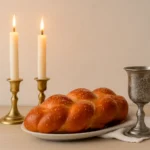
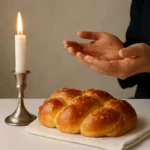
One of the most recognizable rituals is lighting the Shabbat candles, traditionally done by the woman of the household, though practices vary by family and community. The candles announce the arrival of the Sabbath and are typically lit shortly before sunset on Friday. The lighting time is often guided by a simple prayer or blessing, followed by a moment of quiet contemplation or a blessing over family members. In many homes, the candlelight casts a warm glow that signals a transition from weekday to Sabbath time, from bustle to tranquil expectation.
Prepare two candles (some families light more), representing two commands: the rest from labor and the serenity of the soul.
Kindle the flames and, if desired, cover the eyes briefly as a personal moment of intention before the blessing.
Recite or reflect on the blessing, then greet others with Shabbat Shalom or Blessed Shabbat as the home fills with a sense of peace.
Beyond the candle lighting, some households place a symbolic emphasis on the lighting as a bridge from ordinary time into a sanctified space. The moment invites gratitude for creation and for the ability to pause in order to re-center personal and familial priorities. In this way, Shabbat candles function as a doorway—an outward sign of an inward transformation that many people seek to experience over the weekend.
Kiddush and Challah: Blessings over Wine and Bread
Two central foods frame Shabbat meals: Kiddush, the blessed wine (or grape juice) that sanctifies the day, and Challah, the braided bread that graces the table. The Kiddush blessing is recited before the first Friday night meal and again before Saturday lunch, serving as a formal declaration of the day’s sanctity. The blessing acknowledges the creation of the heavens and the earth and invites blessing on the wine as a symbol of joy and gratitude.
The Friday night Kiddush is typically recited over a cup of wine or grape juice, often with family gathered around the table.
The Challah is usually braided and placed on a special plate or in a decorative manner. It is used in blessings for both meals and carries symbolic links to the manna that fed the Israelites in the desert, as well as to unity and shared nourishment.
Following Kiddush, the hamotzi blessing over bread is recited to thank God for sustenance, followed by the distribution of Challah to all participants. The Friday night meal is commonly followed by singing traditional zemirot, or Sabbath songs, which help set a tone of communal joy and reflection. On Shabbat morning, a second blessing is recited at the home before bread is shared at the lunch meal, reinforcing the sense of continuity between the two main Shabbat meals.
Prayer and Study: Torah Reading and Service
Shabbat observance often includes communal prayer and Torah study. In the synagogue, services gather for Ma’ariv (the evening prayer) on Friday, Shacharit (the morning prayer) on Saturday, and a longer service that includes the weekly Torah portion. The reading of the weekly Torah portion (parashah) brings participants into a dialogue with sacred text, inviting interpretation, discussion, and blessing. For families whose situation makes synagogue attendance challenging, many observe Shabbat with a combination of home study, discussion, and offline learning, cultivating a home-centered practice that still honors tradition.
Even for those who are not part of a formal community, there are accessible ways to connect with the lineage of Shabbat. Reading a short portion of Torah or a commentary, listening to a related teaching, or sharing a reflective meditation can transform a quiet afternoon into a moment of spiritual insight. In this way, the sacred time becomes not merely a ritual requirement but a sustained invitation to wonder, question, and grow.
Shabbat Meals: The Rhythm of Rest and Feast
Two meals anchor the day: one on Friday night and one on Saturday afternoon or lunchtime. The meals combine rest, conversation, music, and food. The atmosphere can range from intimate family dinners to extended gatherings with friends, but the overarching aim is to slow down and savor the moment. Rules about work and technology are often observed in varying degrees, with many households choosing to minimize distractions during the Sabbath period.
Share stories, memories, or teachings that emphasize gratitude and community.
Engage in reflective conversation about the week past and the week to come.
Enjoy seasonal or traditional dishes, creating a sense of continuity with communities and ancestors.
In addition to these meals, it is common to create a welcoming atmosphere through table rituals, lighting, and music. The foods themselves, while diverse in tradition, frequently emphasize togetherness and the joy of sharing with others. The sense of abundance—without the emphasis on accumulating—reflects the deeper teaching that Shabbat reframes our relationship to material life into one of gratitude for sustenance and community.
How to Celebrate a Sacred Sabbath at Home
For individuals and families seeking practical guidance on observing Blessed Shabbat or Shabbat Shalom in a modern context, here is a structured approach that preserves tradition while remaining accessible:
Plan and Prepare Ahead
Preparation is a practical cornerstone of Shabbat. This includes shopping for the Friday night meal, setting the table, and deciding on activities for the day. Many households prepare meals before candle-lighting or rely on simple, wholesome dishes that can be served easily on Friday and Saturday. By planning ahead, you create a sense of calm and anticipatory joy that aligns with the day’s purpose.
Establish a Tech and Work Break
One of the defining features of a modern Shabbat practice is creating boundaries around work and technology. This may involve turning off or limiting screens, avoiding email, and postponing routine chores. The goal is not to reject modern life but to submit it to a deeper rhythm—a deliberate pause that invites attention to family, prayer, learning, and rest.
Even in smaller homes, you can craft a sense of holiness through lighting, music, and thoughtful decor. A small display of spices, a glass of wine or grape juice, a braided Challah loaf, and a simple family prayer corner can help mark the transition from the ordinary to the sacred. The idea is to make the home feel like a sanctuary—an environment where intention matters as much as the outward acts themselves.
Practice Simple and Meaningful Rituals
Rituals do not have to be elaborate to be meaningful. Simple practices—such as reciting blessings over bread and wine, sharing gratitude, studying a brief text, singing a tune, or telling a family memory—can carry profound significance. The essential concept is consistency and intention: small acts repeated with care produce a powerful sense of continuity and belonging.
Include All Generations
Shabbat is a powerful setting for intergenerational connection. Children, parents, and grandparents can participate in different ways, from lighting candles to helping with the Kiddush, reading a verse, or sharing a story. When elders and youth contribute to the Sabbath, the experience becomes a living bridge between past and future, enriching the sense of community and belonging.
Differences Among Traditions and Communities
Ashkenazi, Sephardi, and Mizrahi Practices
Across Jewish communities, there are distinctive customs tied to geography and historical practice. Ashkenazi customs emphasize certain melodies, liturgical tunes, and foods like challah with specific braiding patterns. Sephardi and Mizrahi traditions bring their own flavors of liturgy, spices, and table settings, including different varieties of bread, wines, and seasonal dishes. The core structure—candles, Kiddush, the two Shabbat meals, and prayer—remains, but the expression shifts with cultural heritage. These differences illustrate the universal character of Shabbat as a shared practice while honoring local identities.
Hasidic, Modern Orthodox, Conservative, and Reform Voices
Within the spectrum of Jewish religious life, there are diverse approaches to observing Shabbat. Hasidic communities often emphasize joyful song, pashto or nusach melodies, and intense focus on spiritual uplift. Modern Orthodox groups may blend strict observance with secular education and engagement with modern life. Conservative communities typically maintain traditional liturgy and mixing of gender roles in some contexts, while Reform and other progressive movements may reinterpret certain rules to emphasize values like rest and family, sometimes with different leisure practices on Shabbat. The underlying objective across these streams is to honor the day’s sanctity while adapting to contemporary circumstances. When reading about Shabbat blessings or hearing a greeting like Shabbat Shalom, keep in mind that language and practice vary, but the heart of the day—rest, sanctity, and connection—often remains central.
Common Phrases, Blessings, and Greetings
A language of blessings accompanies Shabbat. You may hear or say phrases such as Shabbat Shalom, Shabbat Kodesh (holy Shabbat), or Shabbat tov (a good Sabbath). These greetings carry a sentiment of peace, spiritual focus, and well-being. Some households also use the phrase Chag Shabbat to emphasize that Shabbat is a sacred festival within the week. In place of or in addition to Hebrew phrases, people may share a personal blessing or a reflection on gratitude for family, health, or learning. The language is always a bridge between the individual and the communal experience of the day.
Shabbat Shalom — A common greeting wishing peace for the Shabbat.
Shabbat Kodesh — Emphasizing the holiness of the Sabbath.
Shabbat tov — A good Sabbath, reflecting well-wishers’ hopes for a positive day.
G’mar chatima tovah (for the post-Shabbat season) — A blessing used after the Sabbath in some communities during the days of introspection that follow.
In addition to fixed phrases, the day invites personal expressions of gratitude, such as blessing children, expressing appreciation to a spouse or partner, or sharing a meaningful teaching or memory that highlights the value of rest and family. The power of these expressions lies in their ability to embed the concept of Shabbat into daily life well beyond the sunlight hours.
Family, Community, and Intergenerational Life on Shabbat
Shabbat is deeply communal as well as personal. It offers a framework for family time, study, and mutual care. When families light candles together, recite blessings, and share meals, they reinforce bonds that can sustain them through the week ahead. Communities gather for synagogue services, study sessions, and informal gatherings that extend the Sabbath spirit to neighbors and friends. The day can also become a space for hospitality: welcoming guests who may not observe Shabbat regularly, inviting them into a shared meal, or hosting a learning session that makes the sacred accessible to all. The capacity of Shabbat to live beyond the walls of a home is one of its enduring strengths: it invites a sense of responsibility for others, generosity, and a broader circle of compassion that extends outward from the family circle.
Planning a Shabbat Menu: From Sacred Food to Everyday Nourishment
Food has a distinctive role in Shabbat observance. The meals are often generous, leisurely, and celebratory, yet they also follow a restrained, mindful approach that honors the day’s sabbatical spirit. Planning your menu in advance can help you keep the Sabbath elevated without becoming overwhelmed by preparation on Friday night or Saturday. A typical Shabbat menu may include:
Two Challah loaves per table, one for the Friday night blessing and one for the Saturday meal, or a single loaf that is part of the blessing and shared during the meal.
A main dish that varies by tradition—roasted chicken or brisket are common among Ashkenazi families; fish, vegetables, and legumes appear in Sephardi and Mizrahi menus.
Seasonal salads and side dishes that celebrate freshness and gratitude for sustenance.
A sweet dessert or fruit course to conclude the meal with lightness and joy.
In many homes, a special focus is placed on Shabbat wine and grape juice, along with the blessing over bread (hamotzi). The table may feature a centerpiece that evokes hospitality and beauty, inviting guests to linger and engage in conversation. Many families also mix in simple acts of kindness, such as inviting neighbors to share a meal or offering a portion of food to someone in need—a practical expression of the day’s values of generosity and community.
Growing a Personal Practice: Making Shabbat Meaningful in Daily Life
For many people, the heart of Blessed Shabbat is not only the rituals but also the personal transformation that emerges from observing the day. A recurring question is how to translate the Sabbath’s lessons into everyday life during the week ahead. Some strategies include:
Carving out a weekly rhythm that resembles Shabbat in miniatures—a few hours of focused rest or learning can help sustain peace during busy times.
Setting aside digital-free zones or “quiet hours” to cultivate presence with family and friends.
Engaging in meaningful study or discussion about ethics, gratitude, or Torah portions, turning study into a shared practice rather than solitary study alone.
Practicing hospitality and kindness as a translation of Sabbath warmth into daily life: offering help to a neighbor, sharing time with someone who is lonely, or participating in community service.
These approaches support a broader aim: to preserve the spirit of Shabbat throughout the week. The idea is not to confine spirituality to a single day but to carry the day’s lessons of rest, gratitude, and connection into one’s ongoing life, thereby making Blessed Shabbat a living influence beyond Friday and Saturday.
As with any ancient tradition practiced in a modern world, there are common questions and misunderstandings. Here are a few clarifications to help you approach Shabbat with intention and respect:
Shabbat is a gift of time, not a punishment for work. Its aim is rest, joy, and spiritual renewal, not merely abstention from labor.
Observance is a spectrum. Some people maintain strict rules, while others adopt a more flexible approach that emphasizes inner meaning and community connection. Both paths can be sincere and effective.
All communities encourage inclusivity. If you are not personally observant, you can still welcome Shabbat’s spirit through hospitality, reflection, and shared meals, even in small, personal ways.
In a fast-paced world defined by schedules, screens, and perpetual motion, the idea of blocking out a sacred 24 hours offers a counterbalance. The blessed Shabbat invites a deliberate pause that can improve mental health, strengthen families, and deepen spiritual inquiry. It can also be a social force, encouraging hospitality and mutual care. The weekly cadence creates a predictable rhythm that humans crave—an anchor that helps people withstand the storms of modern life. As a living tradition, Shabbat evolves with its practitioners, yet its core message remains clear: life is not only about achievement and work but about belonging, gratitude, and the sacred value of time itself.
Conclusion: The Timeless Practice of Blessed Shabbat
Across generations and geographies, the practice known as Blessed Shabbat points toward a universal longing: to return to what is essential. The day’s rituals—lighting candles to welcome the Sabbath, reciting the Kiddush, sharing bread, gathering for meals, praying and studying, and resting in community—form a holistic approach to life. For some, this means a disciplined schedule and formal synagogue attendance; for others, a warm family routine and a handful of meaningful conversations. Yet all participants who observe Shabbat in any of its many modes share a common aspiration: to honor time as a sanctuary, to connect with loved ones, and to nourish the soul with gratitude, reflection, and joy. May your practice, in whatever form it takes, be a steady source of peace, purpose, and blessedness. May you feel the presence of the day—whether you call it Shabbat, the Sabbath, or a sacred pause—and may your week ahead carry the spirit of rest, renewal, and blessing into every moment.