Jewish holidays no work is a phrase that many people use to describe the core idea behind the most sacred days on the Jewish calendar: time set aside for rest, reflection, prayer, and community. This is not merely a personal choice but a structured practice rooted in tradition. In this practical guide, you will discover how to observe Shabbat, Yom Kippur, and other holy days with an emphasis on real-life application. The aim is to help readers—from first-timers to seasoned observers—navigate modern life while honoring the ancient commandment to refrain from labor on these days. Throughout, you will encounter variations of the phrase no-work holidays as developers of meaning and practice, including the Sabbath (Shabbat), Yamim Tovim (festival days), and the broader family of holy days in Judaism.
Understanding the concept of no-work days in Judaism
In Judaism, certain days are designated as times of rest and spiritual focus. The central idea behind no-work observance is continuity with the Creation narrative and an emphasis on sanctifying time. The notion extends beyond the mere absence of labor; it invites a pattern of prayer, study, family meals, and communal life that centers the heart on the divine and the welfare of the community. Across communities—and across eras—the language used to describe this practice includes Shabbat as a weekly no-work day, Yom Tov as festival days with no-work requirements, and special days like Rosh Hashanah and Yom Kippur that intensify these themes.
Different Jewish movements—Orthodox, Conservative, Reform, and Reconstructionist—may vary in how strictly they apply the restrictions. In practice, the concept no-work holidays is observed with a spectrum of practices, but the core goal remains the same: create space for rest, gratitude, and spiritual renewal.
Shabbat: The weekly no-work day
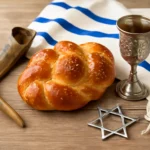
Shabbat, observed from Friday evening to Saturday night, is the central weekly example of no-work observance in Judaism. It embodies rest from creative labor, memory of liberation from slavery in Egypt, and an opportunity for family, study, prayer, and joyful meals. In many communities, Shabbat is the anchor of Jewish life and the rhythm that shapes the rest of the week.
Timing, blessings, and milestones
Key moments in the Shabbat cycle include:
Candle lighting before sunset on Friday, signaling the start of Shabbat.
Kiddush over wine or grape juice to sanctify the day at the Friday night and Saturday morning meals.
Three meals—one Friday night, one Saturday lunch, and a lighter Seudah Shlishit on Shabbat afternoon in many communities.
Prayers and Torah study during synagogue services on Friday evening and Saturday morning.
Havdalah to mark the end of Shabbat, traditionally with a blessing over wine, spices, and a braided or multi-wicked candle on Saturday night.
Shabbat begins when three stars appear in the sky, a marker that aligns with traditional definitions of evening. It ends when the first three stars appear on Saturday night. This time frame is practical for families planning meals, travel, and rest.
Practical tips for observing Shabbat in modern life
Plan ahead by preparing meals in advance, setting aside items that you’ll need for Shabbat morning, and arranging accommodations if you travel.
Use Shabbat-friendly technology where permitted by your tradition. Some households limit use of electricity, while others use timers or pre-programmed devices to avoid work-like action during Shabbat.
Meals as a center of Shabbat life: invite family or friends, create a calm dining atmosphere, and incorporate singing or studying a portion of Torah or a favorite text.
Dress and ambiance often reflect the sense of holiness: modest, comfortable clothing, and a slower pace that reduces routine chores.
Rest and recreation are not mere absence of labor; they include walking, nature, and meaningful conversations that strengthen family bonds and spiritual awareness.
Community and ritual are integral: synagogue services, Torah study circles, and shared meals reinforce the sense of belonging and purpose.
For many families, observing Shabbat means creating a home atmosphere that emphasizes hospitality, gratitude, and restorative rhythms. While the specifics can vary by community, the overarching purpose remains consistent: to sanctify time and to pause the hustle of the week for something deeper and more meaningful.
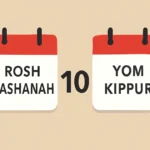
Yom Kippur is the holiest day in the Jewish calendar. It is traditionally a day of fasting, intensive prayer, self-examination, and communal confession. The day centers on atonement, repentance, and the hope for spiritual renewal in the year ahead. It is a no-work day in the most stringent sense for many observers, with a focus on turning away from ordinary needs to devote time to prayer and reflection.
Fasting, prohibitions, and spiritual aims
The core practice of Yom Kippur is a prolonged fast—usually about 25 hours—beginning before sunset on the eve of Yom Kippur and ending after the appearance of three stars on the following night. In addition to fasting, many traditions prohibit:
Eating and drinking
Washing and bathing for pleasure
Anointing with oils or wearing leather shoes in some communities
Sexual relations
Other forms of work or labor that are associated with ordinary daily life
The liturgical focus on Yom Kippur includes the Kol Nidre prayer on the eve, daytime synagogue services, prayers of confession (Vidui), and the closing Neilah service that ends the fast in many communities. The guidelines around no-work observance on Yom Kippur encourage introspection, confession, and reconciliation with others.
Practical preparations and observances for ordinary people
Pre-fast meals should be nourishing and well planned to sustain the long fast. Hydration and a gentle meal that reduces fatigue can help.
Sabbath-like hush on Yom Kippur: many people avoid loud music or festive distractions so that the day remains focused on prayer and contemplation.
Torah study and prayer services are central. If you’re new to the tradition, consider joining a prayer service at your local synagogue or following an online or book-based guide for the liturgy and confessional prayers.
Breaking the fast should be done gradually, with light foods and fluids, to ease the transition back to regular eating.
Support networks—family and community—enhance the experience, especially for children, older adults, and those fasting for the first time.
While some communities observe Yom Kippur with strict adherence to all prohibitions, others interpret certain restrictions with more leniency, especially for health reasons or practical needs. The guiding principle remains: a day dedicated to spiritual cleansing, reconciliation, and renewal.
Rosh Hashanah, the High Holidays, and the broader calendar of no-work festival days
Beyond Shabbat and Yom Kippur, a series of important holy days fall into the category of no-work festival days. These days are often referred to as Yamim Tovim (good days) or Yom Tov (holiday days). They begin with Rosh Hashanah, the Jewish New Year, and include the Ten Days of Repentance leading up to Yom Kippur, followed by Sukkot, Shemini Atzeret, and Simchat Torah, among others. On these days, many of the same restrictions that apply on Shabbat are observed, including restrictions on work, the need for special meals, and liturgical observances. The emphasis is on joy, gratitude, community, and spiritual renewal.
Rosh Hashanah: The Jewish New Year
Blowing the shofar is a central liturgical moment, signaling introspection and awakening.
Special prayers and fleet of readings emphasize remembrance, justice, and the possibility of renewal.
Festive meals with round challah (often symbolizing the cycle of the year) and sweet foods to evoke a sweet year.
No-work restrictions on Rosh Hashanah are observed by many communities, with time set aside for prayer, family meals, and reflection.
Rosh Hashanah is followed by the Ten Days of Repentance, culminating in Yom Kippur. Although not all communities treat every day as a strict no-work day, the season itself is a period of heightened spiritual focus and communal gathering.
Sukkot, Shmini Atzeret, and Simchat Torah
Sukkot is the Festival of Booths, celebrating the harvest and the Israelites’ wanderings in the desert. It includes building a sukkah (a temporary dwelling) and sharing meals there. The no-work aspect is balanced with the joy of gathering in the sukkah and performing the lulav and etrog (the Four Species) ritual.
Shmini Atzeret and Simchat Torah mark the end of the festival season. These days include special prayers and, in many communities, dancing with the Torah scrolls to celebrate the annual cycle of Torah readings.
Observance patterns for these holidays vary widely. In Orthodox communities, the prohibitions on labor are strict and closely followed. In Conservative or Reform communities, the spirit of the day—rest, reflection, and community—takes precedence, and some practical restrictions may be more flexible while still honoring the sanctity of the moment.
Passover (Pesach): The Festival of Freedom
Passover is one of the most widely observed Jewish holidays with a distinct set of restrictions and rituals designed to remember the Exodus from Egypt. The central law that distinguishes Passover from other days is the prohibition against chametz (leavened grain products) during the seven (or eight) days of the festival, depending on community custom. This is a classic example of a no-work holy day that also requires dietary and ritual discipline.
Removing chametz from the home before the holiday begins. This involves a formal search and destruction of leavened products and the consumption of matzah (unleavened bread) during the Seder.
Seder meals on the first two nights (in many communities) with a structured order that includes the retelling of the Exodus, the use of special foods, and symbolic items such as matzah, bitter herbs, and charoset.
Eating matzah and refraining from chametz for the duration of the festival.
Festival-like ambiance and gatherings with family and friends, often including songs, education, and communal prayer.
For modern families, Passover presents both spiritual and logistical challenges, especially for those who travel or work during the festival. Practical strategies include planning meal preparation in advance, coordinating with employers or schools to accommodate Seder nights and festival meals, and using local resources such as a synagogue kitchen or a kosher caterer to ensure that meals align with dietary laws and the holiday timeline.
Shavuot: The Giving of the Torah and Festival Delights
Shavuot occurs seven weeks after the second night of Passover and commemorates the giving of the Torah at Mount Sinai. It is a no-work holiday in many communities, marked by study, prayer, and festive eating—often featuring dairy foods as part of custom and symbolism. The studying of Torah and engagement in study groups is a central expression of the day’s purpose.
Traditions and practical observances
All-night study (Tikkun Leil Shavuot) is a popular practice in many communities, reflecting the devotion to Torah learning.
Dairy meals are customary on Shavuot, symbolizing the Torah’s sweetness and the milk-and-honey imagery found in biblical verses.
synagogue services feature special readings and prayers connected to the revelation at Sinai.
As with other high holidays, the level of observance can differ depending on tradition. The underlying theme remains: no-work observance on Shavuot is a chance to recommit to study, faith, and community.
The festival cycle culminates in a period of spiritual refreshment and communal solidarity. The Four Species ritual on Sukkot—lulav, etrog, hadassim, and aravot—adds a tactile, seasonal dimension to the observance. Building and dwelling in a sukkah, sharing meals outdoors, and reciting special prayers all contribute to the sense of no-work festival observance as a communal experience.
Practical life considerations: planning, family, and work
Observing no-work holidays in the modern world requires thoughtful planning. People balance religious obligations with work schedules, travel demands, family responsibilities, and health considerations. Here are practical strategies to help you align daily life with the rhythms of the Jewish calendar:
Advance planning is essential. Keep a calendar of festival dates, candle lighting times, and community events. Adjust work deadlines and travel plans to honor the days of rest.
Communication with employers and schools can ease scheduling tensions. Many workplaces accommodate religious observances by offering flexible hours, leave, or remote work options for major holidays.
Food preparation is a practical area to plan well in advance, especially for Shabbat and Yom Tov. Create a prep schedule that minimizes the need for cooking during the sacred hours.
Family routines on holidays can involve shared meals, storytelling, and learning activities for children to reinforce the meaning of the day without overscheduling.
Safety and health always come first. If fasting or other restrictions could affect health, consult a rabbi or medical professional for guidance and possible leniencies or alternatives within your tradition.
Education and immersion use the holidays as opportunities for family learning, crafts, and historical context to deepen understanding of the practice and its values.
In communities with diverse practices, you may encounter different interpretations of what constitutes permitted work. When in doubt, consult your local rabbi or community authority to determine the best approach for your situation. The goal is to maintain a spirit of no-work observance while ensuring safety, dignity, and inclusion for all family members.
Common questions about no-work holidays
What exactly counts as work? In Jewish law, there are 39 categories of labor (melachot) traditionally prohibited on Shabbat and Yom Tov. The list covers activities like building, lighting a fire, using fire or electricity in some traditions, cooking, and writing. Practical applications vary by community, and contemporary authorities may offer leniencies for safety and health.
Can I drive to synagogue on Shabbat? Practices vary. Some communities prohibit driving if it involves performing or benefiting from prohibited work; others permit it for accessibility or safety if prearranged. Check with your rabbi about your local custom.
Is it permissible to use electronics during Shabbat? Traditional interpretations often limit turning on or off devices, but many modern households use timers, pre-programmed devices, or battery-powered options to minimize labor while preserving the spirit of rest.
What about work during holidays? In many communities, work is restricted on Yom Tov, but exceptions exist for life-safety, health, and essential services. Community guidance varies, so consult a local authority for specifics.
How should families with young children participate? Emphasize simple, meaningful rituals, storytelling, and age-appropriate activities that convey the day’s values. Patience and flexibility help sustain interest and participation for all ages.
Glossary of key terms
Some terms you’ll encounter as you explore the topic of Jewish no-work days:
Shabbat – The weekly day of rest, beginning Friday evening and ending Saturday night.
Yom Tov – Festival days with no-work restrictions similar to Shabbat, but with festive meals and special prayers.
Yamim Tovim – The plural form referring to the festival days, including Rosh Hashanah, Sukkot, Pesach, Shavuot, and their intermediate days.
Melacha – The traditional 39 categories of prohibited labor on Shabbat and Yom Tov.
Kiddush – A blessing over wine dedicated to sanctifying the Shabbat or festival day.
Havdalah – The ceremony that marks the separation between Shabbat and the ordinary weekdays; often involves candle, wine, and spices.
Kol Nidre – An evening prayer on the eve of Yom Kippur, invoking personal accountability and self-examination.
Lulav and Etrog – The Four Species used during Sukkot in a ritual blessing and observance.
Chametz – Leavened products prohibited during Passover.
Some misconceptions can cloud understanding of Jewish festival practice. Here are a few common myths and the realities that clarify them:
All holidays are exactly like Shabbat in restrictions. Reality: There is variation among yom tov days. Some restrictions are shared, but the exact stringency and the types of permitted activities vary by tradition and by the specific holiday.
All work is forbidden, even essential tasks. Reality: In all communities, safety and health take precedence. For example, medical needs, public safety responsibilities, and essential caregiving can permit work or require leniency.
All families observe identically. Reality: Observance ranges from strict to more liberal, with cultural and geographic factors shaping practice. The core idea remains the sanctification of time and the creation of a sacred space within daily life.
Putting it all together: a practical path for observing no-work holidays
Whether you are approaching Jewish holidays no-work for the first time or you are refining a long-standing practice, a practical approach blends intention with everyday life. The ultimate goal is to cultivate a rhythm of rest, gratitude, and spiritual focus that enhances your relationships, your sense of purpose, and your community.
Start with one or two days you want to observe more intensively, then gradually expand as you feel comfortable.
Learn local practice by consulting a rabbi, joining a synagogue program, or engaging with credible educational resources on Shabbat and Yom Tov.
Plan your week so that work-related deadlines and travel do not collide with sacred times. Use calendars and reminders to avoid last-minute stress.
Include children by explaining the significance behind rituals and by integrating activities that are accessible for various ages.
Adapt to your life stage—students, professionals, caregivers, and retirees all bring unique needs to the practice. Seek guidance that honors health and family responsibilities while preserving the sense of sanctity.
By embracing the philosophy behind no-work holidays—rest, gratitude, learning, and community—you create a durable, meaningful framework for your Jewish life. Whether you call it the Shabbat rest, the Yamim Tovim, or simply the holidays without work, the practice invites a deeper relationship with time, tradition, and one another.