Across the Jewish holidays, Rosh Hashanah stands out as the solemn yet hopeful start of the year. Known in English as the Jewish New Year, this holy day opens the period of reflection and renewal that Jewish communities call the Yamim Noraim — the Ten Days of Awe leading up to Yom Kippur. This comprehensive guide explores what Rosh Hashanah is, how it is observed in different communities, and the customs that shape this spiritually rich festival. Whether you are new to the tradition or seeking a deeper understanding, you’ll find practical insights, symbolic foods, prayer life, and family-friendly ideas to make the season meaningful.
What is Rosh Hashanah and Why It Matters
In its simplest terms, Rosh Hashanah is the day that marks the beginning of the Jewish calendar year. More than a celebration of a new numerical year, it is a time of introspection, judgment, and hope. The holiday invites individuals and families to review past actions, seek forgiveness, and imagine a better path for the year to come. This idea of personal and communal accountability is central to the broad family of High Holidays or Yamim Noraim, which also includes the somber, yet uplifting, Day of Atonement that follows.
The name Rosh Hashanah itself translates to the “head of the year” in Hebrew, signaling both a literal and a symbolic renewal. In Jewish thought, the new year is not merely a calendar reset; it is a spiritual recalibration that touches every aspect of life, from personal conduct to relationship with others, with God, and with the community. In some communities this period is also called the High Holidays to emphasize the special liturgical days and the heightened level of prayer, reflection, and repentance.
Timing and Calendar Details: When the Holidays Fall
Rosh Hashanah occurs on the first two days of Tishrei, the seventh month of the Hebrew calendar. The exact Gregorian dates shift from year to year, but the sequence is predictable: the holiday begins at sundown on the eve of the first day and continues into the following day. There are important regional differences to note:
Two days outside Israel: In most Jewish communities living in the diaspora, Rosh Hashanah is observed over two days. The extended observance provides a two-day window for prayer, study, and family ritual.
One day inside Israel: In the modern State of Israel, many communities observe a single day of Yom Tov, though some groups and individuals still observe two days depending on tradition and community practice.
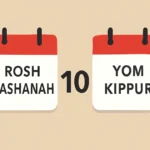
Rosh Hashanah in context: The festival begins the period known as the Ten Days of Awe, which culminates in Yom Kippur, the Day of Atonement. This sequence emphasizes judgment, mercy, and renewal on both personal and communal levels.
Beyond the practical schedule, it’s helpful to understand that Rosh Hashanah is deeply connected to the land, the agricultural cycle, and historical memory. In ancient times, the holiday had agricultural roots tied to harvest and the production of a fruitful year. Today, its spiritual themes dominate: the renewal of the individual, reconciliation with others, and the collective integrity of the people.
Core Rituals: How the Day Is Observed
Shofar Blowing: The Call to Renewal
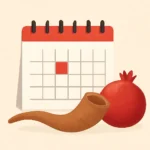
The central ritual of Rosh Hashanah is the sounding of the shofar, a ritual horn whose blast invites attention, reflection, and awe. The traditional sequence includes several distinct sound patterns:
Tekiah — a long, straight blast
Shevarim — a series of sighing sounds
Teruah — a sequence of short, staccato blasts
Teki’ah Gedolah — a final, extended note signaling conclusion
In many communities, the sounds accompany festive prayers in the synagogue; the shofar’s voice is meant to awaken conscience, symbolize steadfastness, and herald a chance for a fresh start. It is one of the most recognizable acts associated with Rosh Hashanah, and it appears in liturgy and in the home as a vivid reminder of the year ahead.
Prayers, Liturgy, and Personal Reflection
The liturgy of Rosh Hashanah is characterized by solemn, beautiful, and intensely meaningful prayers. The service often includes:
Ashrei and U’netaneh Tokef — a sweeping, powerful suite of liturgical pieces that recount divine judgment and mercy
Avinu Malkeinu — a supplicatory prayer requesting mercy
Unetaneh Tokef — a central text that contemplates life, fate, and renewal, recited with great reverence
Malchuyot, Zichronot, and Shofarot — sections focusing on kingship, memory, and prophetic sound
These prayers encourage a personal inventory of the year just passed and a hopeful interrogation of how to behave in the year to come. Many worshippers spend time standing, reciting prayers, and listening as the community’s voices mingle in a shared plea for mercy and renewal.
Tashlich and Contemplative Practices
Another well-known practice for Rosh Hashanah is Tashlich, a symbolic act of casting away sins by tossing breadcrumbs or small pebbles into a flowing body of water. While there is no fixed ritual formula, many families and congregations gather near a stream, river, or sea on the afternoon of the first day to recite prayers and reflect. The imagery of water washing away misdeeds makes Tashlich a vivid metaphor for the spiritual work of the season.
Food, Festivity, and Symbolic Customs: The Taste of a Sweet Year
Food plays a central role in the observance of Rosh Hashanah, turning the home into a space of ritual, memory, and sweetness. Across communities, certain dishes and symbolic foods convey wishes for the coming year.
Symbolic Foods (Simanim) on the Table
A traditional table often features symbolic foods, each carrying a blessing or hope for the new year. Common simanim include:
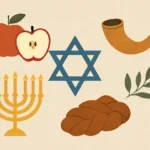
Apples dipped in honey — a classic wish for a sweet year ahead
Pomegranates — associated with a year full of good deeds (many seeds, many merits)
Round challah — the circle symbolizes continuity and the cyclical nature of time
Dates, honey cake, and grape juice — other flavors of sweetness and abundance
Leeks, beets, and carrots — symbolic foods linked to transformation and removal of evil decree
In addition to these, many families place greens, salt, fish, or other items at the table based on local traditions. Each siman is a small ritual with a big meaning: to shape the coming year with intention and blessing.
Where possible, the home observance may also include:
Round challah or other special breads
Lighting of candles and saying blessings for the festival
The apple and honey combination is perhaps the most enduring emblem of Rosh Hashanah, but many families also embrace other sweet traditions. A few examples:
Honey cake or honey biscuits to evoke sweetness throughout the year
Dates and grape juice for abundance
Seasonal fruits and vegetables that reflect the harvest in local climates
Rosh Hashanah at Home: Practical Observances and Family Life
For many households, Rosh Hashanah begins with a clean house and a spirit of warm hospitality. Home observance is an opportunity to involve children, guests, and siblings in meaningful rituals that foster connection and learning.
Prayer books and siddurim opened to the Rosh Hashanah prayers, with family members taking turns leading or reading
Storytelling and songs about themes of renewal and forgiveness
DIY tashlich setup near a water source if possible, or a symbolic home version
Discussion prompts for children and teens about personal resolutions and acts of kindness
In this way, the home becomes a living classroom for Rosh Hashanah, teaching both ritual skills and the social values that frame Jewish life in the year ahead: generosity, gratitude, respect, and responsibility.
Rosh Hashanah in the Community: Congregations, Etiquette, and Shared Observance
Beyond the home, many Jews participate in communal worship, study groups, and festive meals hosted by synagogues, community centers, and informal gatherings. The structure of the day can vary by denomination and community tradition, but the core ideas—introspection, prayer, and renewal—remain constant.
What to Expect in Synagogue During Rosh Hashanah
Two to four services (depends on tradition) featuring extensive liturgy
Chanting of Unetaneh Tokef, Ashrei, and Malchuyot passages
Shofar blasts inside and outside the main services
Family-friendly programming and study opportunities, often including special children’s services
For those new to the experience, it can be helpful to arrive early, observe the flow of the service, and participate in the parts that feel most meaningful. Communal meals, whether in a synagogue hall or at a local community center, also offer chances to connect with neighbors, share blessings, and reflect on the year ahead.
Two Days vs. One Day: Observance Across Regions
The way Rosh Hashanah is observed varies depending on geography and tradition. The practice of observing two days outside Israel stems from historical reasons, while one-day observance in Israel aligns with contemporary patterns for other Yom Tov holidays. Here are some practical distinctions to know:
Diaspora communities commonly observe two days of Yom Tov, with the second day carrying many of the same rituals and prayers as the first
Israel often observes a single day, though some communities maintain a two-day practice
Some families and congregations, regardless of location, choose to observe two days as a personal or communal tradition
When planning travel, meals, or guest schedules, it’s helpful to confirm local practice with a synagogue or community leader to align expectations and ensure a respectful, inclusive observance for all participants.
Rosh Hashanah and the Year Ahead: Spiritual Themes and Practical Applications
At its heart, Rosh Hashanah invites a combination of big-picture contemplation and concrete action. The day encourages people to think about:
Personal t’shuvah (repentance), taking responsibility for past actions
Repair of relationships with family, friends, and community
Recommitment to ethical behavior, generosity, and compassion in daily life
A plan for practical changes in the year ahead, including study, service, or acts of kindness
Alongside these personal aims, the holiday emphasizes communal memory and responsibility. The prayers and readings remind the community of its collective duties: fairness in business, care for the vulnerable, and building a more just society. The idea of a “sweet year” is not merely a flourish of language; it embodies a real wish that daily acts, large or small, contribute to a brighter and more compassionate future for all.
Variations on the Theme: Jewish Holidays Rosh Hashanah and Related Practices
To deepen understanding, it helps to see how Rosh Hashanah relates to other elements of the High Holidays and the Jewish year. A few cross-references can illuminate the broader practice and meaning:
The days between Rosh Hashanah and Yom Kippur are collectively called the Ten Days of Awe, a focused period of introspection and atonement.
Yom Kippur follows these days of repentance with a day of fasting, confession, and atonement, providing completion to the process begun on the new year.
In many Jewish communities, the period around Rosh Hashanah and Yom Kippur includes special readings, sermons, and discussions about ethical living, forgiveness, and social responsibility.
Scholars and educators often refer to Rosh Hashanah as part of the broader cycle of Yamim Noraim — a spiritual opening that reshapes priorities and values for the year ahead.
Adapting the Observance for Families and All Ages
Families often adapt the rituals to fit the ages and needs of children and guests. Some ideas include:
Storytime sessions about renewal and forgiveness, using age-appropriate books
Children-led portions of the prayers or responsive readings
Simple crafts that symbolize new beginnings, such as making a “wish tree” or decorating the round challah
Gentle voice-led participation with familiar songs and traditional melodies
These adaptations help ensure that the spirit of Rosh Hashanah — renewal, reflection, and hope — is accessible to everyone, regardless of background or level of observance.
As you explore the many facets of Rosh Hashanah, you’ll discover a festival that blends ritual beauty with practical life choices. It is a time to greet the year with intention, to clear space for reconciliation, and to set tangible goals that nurture personal growth and communal well-being. The images of the shofar’s call, the sweetness of apples and honey, the symbolic simanim on the table, and the warmth of shared meals all invite you into a season of possibility.
Whether you have a long family tradition of observing the Jewish holidays or you’re encountering Rosh Hashanah for the first time, this guide offers a compass for understanding and participating in the season. Remember that the precise customs may vary by community, but the core message remains universal: a new year is not just a date on the calendar; it is a chance to renew commitments, heal relationships, and walk toward a year filled with mercy, justice, and sweetness for all.
For many, the journey continues beyond Rosh Hashanah into the broader High Holidays, where the year’s first days of prayer and reflection become the foundation for every day that follows. May your Rosh Hashanah be meaningful, your prayers sincere, and your year ahead blessed with health, peace, and joy. Shanah tovah umetukah—a sweet year to you and yours.