September in the Jewish calendar is a time of powerful beginnings and deep reflection. Known as the heart of the High Holidays, the month of Tishrei often begins with the shofar sounding and ends with joyous, communal celebrations that echo through homes, synagogues, and streets around the world. This article explores the major Jewish September holidays—Rosh Hashanah, Yom Kippur, Sukkot, Shmini Atzeret, and Simchat Torah—along with related observances such as the Fast of Gedaliah. We’ll look at dates, traditions, and celebrations, and we’ll offer practical notes for readers in different communities, including diaspora and Israeli contexts. By examining these holidays in sequence and by theme, you’ll gain a clearer picture of how a single month can weave prayer, family, cuisine, and culture into an enduring spiritual tapestry.
Rosh Hashanah begins on the first day of Tishrei and lasts for two days in most communities around the world. In Israel, as in many other places, the tradition is to observe two days as well, though some families and communities may observe one day with variations in practice.
Because the Hebrew calendar is lunisolar, the Gregorian dates slide each year. In practice, Rosh Hashanah most often falls in late September or early October. A quick way to think about it: the holiday opens the “Days of Awe” in the fall season and sets the tone for a period of repentance and renewal.
As a central annual event, the two days of Rosh Hashanah frame the high-holiday prayer services, and they launch a sequence of days that culminate in Yom Kippur.
Traditions and liturgy
Prayers and liturgy for Rosh Hashanah focus on the themes of judgment, mercy, and potential for a favorable decree for the coming year. Special portions of the Torah are read, and the daily liturgy is supplemented by unique melodies and piyyutim (liturgical poems).
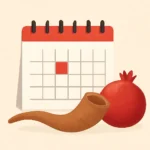
Shofar blowing is a defining sonic symbol. The rousing blasts—tekiah, shevarim, teruah, and tekiah gadolah—call worshipers to wakefulness, self-examination, and repentance.
Families gather for simanim (signal foods) that symbolize wishes for the new year—apples dipped in honey for sweetness, pomegranates to signal plentiful deeds, and sweet challah loaves.
In homes and synagogues, there is a blend of prayer, reflection, and community gatherings. The services are often lengthy and immersive, with sections of Selichot (penitential prayers) approaching the season’s intensity.
Foods and words of welcome
Apples and honey symbolize a sweet year ahead. This pairing appears in blessings and festive meals.
Pomegranates are eaten for their many seeds, symbolizing a year filled with mitzvot and good deeds.
Round challah represents cycles and continuity, mirroring the annual cycle of the year.
Gifts and greetings for the new year commonly include: “L’Shanah Tovah” (a good year) or “L’Shanah Tovah U’Metukah” (a good, sweet year).
Practical notes for families and communities
Rosh Hashanah often involves candle lighting, home observances, and the scheduling of two days of synagogue services. Families with young children may prepare activity sheets and songs to keep the day meaningful yet approachable.
In classrooms or youth programs, educators may introduce the themes of reflection, accountability, and renewal through age-appropriate activities, such as journaling or guided discussions about personal goals for the coming year.
Community meals and multifamily gatherings are common during the days between Rosh Hashanah and Yom Kippur, reinforcing a sense of shared purpose and renewal.
Yom Kippur: The Day of Atonement
Dates and structure
Yom Kippur occurs on the 10th day of Tishrei. It is observed immediately after Rosh Hashanah and is the holiest day of the Jewish year.
Because the Hebrew calendar advances relative to the Gregorian calendar, Yom Kippur also shifts each year in September or October. The day is marked by intense fasting, prayer, and communal confession.
Fasting, atonement, and discipline
The day is traditionally observed with a ~25-hour fast that excludes eating and drinking. Exceptions are made for those with health concerns, the very young, or those in vulnerable circumstances. The fast itself is a ritual reminder of humility and the search for spiritual atonement.
Holidays are dedicated to repentance, meaning confession (vidui) and introspection. It is a time to review one’s actions, seek reconciliation, and commit to personal change in the year ahead.
Prayers, services, and the liturgical arc
The first service of Yom Kippur is Kol Nidre (on the eve of Yom Kippur), a solemn declaration that affects the licensing of vows. It is followed by lengthy daytime prayers, including the Viddui (confessional) and repentance prayers that emphasize misvot and moral responsibility.
In many communities, Ne’ilah closes the day with a final dramatic plea for forgiveness as the sun sets. The service often ends with the shofar blast signaling the closing of the fast and a renewed sense of hope.
Traditions and aftercare: breaking the fast
After sunset, families and friends gather to break the fast with light meals, typically featuring dairy or simple fare that is gentle on the stomach.
Gifts and wishes commonly exchanged include expressions of forgiveness and renewed commitments to moral conduct. The period after Yom Kippur becomes a transitional moment, bridging the solemn day and the joyful days of Sukkot.
Sukkot: The Festival of Booths
Dates and the arc of the festival
Sukkot begins on the 15th day of Tishrei and lasts for seven days in Israel, with an additional 1–2 days of celebration in the diaspora depending on practice. The holiday includes Chol Hamoed (the intermediate days) and intensifies with the transition toward Shmini Atzeret and Simchat Torah.
Because of the shifting date, Sukkot can be observed in September or October. In some years, the holiday’s first days begin in late September; in others, they spill into early October.
Living in the sukkah: structure, symbols, and daily life
A central feature is the sukkah, a temporary dwelling with walls and a thatched or lattice roof called a sekhakh. Families eat, study, and sometimes sleep in the sukkah during the festival, turning hospitality into a public expression of faith.
The lulav and etrog—the Four Species—are waved in a prescribed sequence during the festival’s prayers. The ritual includes blessings over the palm (lulav), the leafy frond (hadassim), the myrtle (aravot), and the citron (etrog).
Hoshana Rabbah, Sukkot’s culmination, and Shabbat Chol Hamoed
Hoshana Rabbah (the seventh day of Sukkot) is a day of special prayers with seven circuits around the synagogue’s bimah, symbolizing prayers for salvation.
Chol Hamoed days are semi-festive, blending weekday routine with festival joy. Families often visit fairs, parks, or community sukkahs to celebrate together.
During Sukkot, many communities also mark the transition into the next holiday cluster with songs of praise and the anticipation of Shmini Atzeret and Simchat Torah.
Shmini Atzeret and Simchat Torah: The Eighth Day and the Joy of the Torah
Dates and the diaspora differences
Shmini Atzeret is observed on the 8th day of the Tishrei cycle. In the Land of Israel, this day is often observed together with Simchat Torah on the same date. In many parts of the diaspora, however, Shmini Atzeret and Simchat Torah are celebrated on consecutive days: Shmini Atzeret first, then Simchat Torah the following day.
The alignment between Israel and the diaspora can shift year to year depending on the calendar, so it’s important to consult a local calendar to know whether the two holidays fall on one day or two in a given year.
Customs, prayers, and dancing with the Torah
Yizkor, a memorial service for deceased relatives, is traditionally recited on Shmini Atzeret in many communities, marking a moment of memory and continuity.
Simchat Torah is the holiday of rejoicing with the Torah. The highlight is the celebratory dancing with Torah scrolls in the synagogue, known as hakafot, in which the scrolls are carried around the bimah with festive singing.
In many communities, the Torah scrolls are paraded outdoors or into the streets. The dancing is a communal affirmation of the Torah’s central role in Jewish life and learning.
Food, greetings, and the afterglow
Greeting phrases for this period include “Chag Sameach” (joyous holiday) and “Gut Yontif” (Yiddish for good festival), reflecting the shared sense of celebration.
Traditional meals may begin with the seudah for Shmini Atzeret, and often extend into Simchat Torah with family gatherings and continued study and conversation about Torah portions and interpretive themes for the year ahead.
Gedaliah: The Fast of Gedaliah and Its Place in September
Dates and historical meaning
Fast of Gedaliah is observed on the day after Rosh Hashanah or after Yom Kippur? The historical tradition places the fast on the third day of Tishrei in the Hebrew calendar, although specific observance can vary depending on the year’s alignment. In practice, Gedaliah’s fast may occur in September or October, depending on where Rosh Hashanah and Yom Kippur land in the Gregorian cycle.
The fast commemorates Gedaliah ben Ahikam, a Jewish governor in the period after the destruction of the First Temple. The day carries a memory of political violence and the fragility of Jewish sovereignty, paired with a call to peace and caution in leadership decisions.
Observances and customs
The Fast of Gedaliah is a day of fasting for many, though not all communities observe it with the same stringency. Some depend on health needs and local practice; others may refrain from fasting altogether on the day if it falls in proximity to other major holidays.
In homes and synagogues, readers might study passages about leadership, responsibility, and unity. The day can be a moment to reflect on how communities respond to danger, how leaders act with prudence, and how individuals contribute to communal safety and resilience.
Septembers Past and Present: Variations Across Communities
While the core themes of the fall holidays are shared across the Jewish world, geography and culture shape how they are observed. A few notable variations include:
Diaspora vs. Israel: In the diaspora, some holidays are observed over two days, a practice rooted in historical travel and administrative needs. In Israel, there is often a single-day observance for certain holidays, though traditions may differ by community and custom.
Liturgy and melodies: The musical character of the prayers varies widely—Ashkenazi, Sephardi, Mizrahi, and others bring distinct tunes, tunes, and piyyutim to Shacharit and Musaf, enriching the experience of each holiday season.
Foodways: The foods associated with Rosh Hashanah—apple and honey, pomegranate, round challah—are widely shared, yet Jewish communities may add regional dishes that reflect local agricultural offerings and culinary heritage.
Educational emphasis: In many schools and community centers, September is a period of intensified study about values, ethics, and the personal resolutions that guide behavior in the new year.
Practical Guidance for Planning a Jewish September
Consult a reliable Jewish calendar (present in many prayer books, synagogues, and community centers) to confirm the exact dates for Rosh Hashanah, Yom Kippur, Sukkot, Shmini Atzeret, Simchat Torah, and Gedaliah fast for the year you are planning.
Plan synagogue attendance in advance. High Holiday seating often requires reservations, and the schedule can include additional services, Torah readings, and musical portions that may affect daily routines.
Coordinate family meals and guest lists. The holidays are traditional times for hospitality, so consider inviting friends and neighbors to your sukkah or your home for meals or study sessions.
Ethical and spiritual orientation
Use the period as an opportunity to engage in personalized reflection: what do you want to repair in relationships, what commitments do you want to renew, and what acts of kindness can you prioritize in the coming year?
Integrate acts of social responsibility into your planning. The themes of mercy, justice, and generosity echo strongly through Rosh Hashanah and Yom Kippur and extend into the weeks of Sukkot and Simchat Torah.
Education and youth involvement
For families with children, age-appropriate stories, crafts, and songs can help convey the holidays’ values without overwhelming younger participants. Consider creating a family “holiday notebook” with prayers, memories, and goals for the year ahead.
Youth programs often incorporate hands-on experiences—decorating a sukkah, learning the Four Species, or preparing a simple seudah (festive meal)—that connect learning with joyful celebration.
The sequence of Jewish September holidays creates a powerful arc: it begins with the introspective charge of Rosh Hashanah, followed by the solemn, fasting depth of Yom Kippur, moves through the harvest-centered joy of Sukkot, and culminates in the Torah-centered rejoicing of Shmini Atzeret and Simchat Torah. In between, the Fast of Gedaliah and the evolving customs of diaspora and Israeli practice add diversity to how communities live these days. Whether you are preparing for a personal year of growth, planning family rituals, or studying the biblical narratives that shape these days, the September cycle offers a rich opportunity for reflection, gratitude, and renewal. As you mark each holiday, you can weave together the dates, the traditions, and the celebrations into a meaningful social and spiritual practice that resonates with your life, your synagogue, and your community.