Jewish Religious Holidays Calendar: An Essential Guide to Jewish Holidays
Across centuries, communities that observe Judaism have maintained a rich tapestry of religious observances tied to the lunar-solar calendar and to the agricultural and historical milestones that shape Jewish life. This article offers a comprehensive overview of the Jewish religious holidays calendar, explaining how the year unfolds, what each festival or fast signifies, and how households and communities prepare for and observe these pivotal days. Whether you are exploring this calendar for personal study, for teaching, or for planning family celebrations, you will find the structure, dates, and customs discussed in a way that clarifies both the rhythm and the meaning of Jewish time.
Understanding the framework of the Jewish religious calendar
A central feature of the calendar of Jewish religious holidays is its combination of lunar months with occasional adjustments to align with the solar year. This alignment, achieved through leap years and the addition of a thirteenth month in certain years, ensures that major holy days retain their seasonal character. The following notes outline the core concepts that govern the Jewish calendar and, by extension, the Jewish holidays calendar used in synagogues, schools, and family homes around the world.
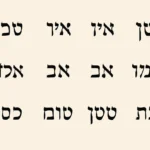
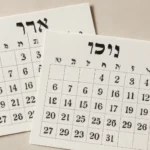
Months and order: The Hebrew calendar uses twelve months in common years and thirteen months in leap years. The months, in order, are Nisan, Iyar, Sivan, Tammuz, Av, Elul, Tishrei, Cheshvan (also called MarCheshvan), Kislev, Tevet, Shevat, and Adar (in leap years, Adar II supplements Adar).
Leap years and Adar II: In a leap year, an extra month, Adar II, is added after Adar. This keeps the cycle aligned with agricultural seasons and with the festivals that depend on Hebrew months rather than on fixed Gregorian dates.
The molad and declarations of Rosh Chodesh: The Hebrew calendar is traditionally based on lunar months, with intercalation rules that maintain the holiday sequence in its expected seasons. Special rules determine when the new month begins (Rosh Chodesh) and how the year’s length is adjusted.
Rosh Hashanah and the civil year: The year begins with Rosh Hashanah, the Jewish New Year, in the month of Tishrei. This sets the tone for the high holy days and the year ahead.
Observational and communal calendars: In addition to the sacred calendar, many communities publish annual calendars showing the dates of holidays in both the Hebrew and Gregorian systems. These resources are valuable for planning meals, travel, school schedules, and workplace observances.
For those studying the structure of the calendar of Jewish holidays, it is helpful to note that the sequence of holidays flows from the high holy days of Tishrei, through autumn and winter fasts, into the spring festival cycle around Pesach (Passover), Shavuot, and Sukkot, followed by late-year fasts and preparations for the next cycle. This annual rhythm is both chronological and theological, linking creation, revelation, memory, and renewal.
Major holidays and the rhythm of the year
Within the broader Jewish religious calendar, there are several clusters of holidays that people often group as the core seasons of the year. These clusters include the autumn festival era centered on Rosh Hashanah and Yom Kippur, the week-long Sukkot period, the late-fall and winter fasts, and the spring festival cycle that culminates in Pesach and Shavuot. Below, each major holiday is presented with its common observances, liturgical emphasis, and notes about its place in the calendar of Jewish holidays.
Rosh Hashanah (the Jewish New Year)
Rosh Hashanah, meaning “head of the year,” marks the beginning of the civil and sacred year in the Jewish holidays calendar. It is observed with the sounding of the shofar, reflections on the past year, and prayers for renewal. Traditions include:
Blowing the shofar to awaken spiritual awareness and repentance.
Special prayers in the synagogue, including the Avinu Malkeinu liturgy and sections of the Machzor.
Festive meals with symbolic foods such as apples dipped in honey to symbolize a sweet year, and pomegranates to recall the 613 commandments.
In the Jewish calendar, Rosh Hashanah occurs in the early fall, typically in September or October on the Gregorian calendar. The exact date varies year to year because of the lunar-solar structure of the Hebrew calendar. Communities often begin preparations weeks in advance, coordinating school calendars, family travel, and synagogue programming around these central days.
Yom Kippur (the Day of Atonement)
Yom Kippur is the holiest day of the year for Jews. It follows Rosh Hashanah by ten days and is a day of fasting, intensive prayer, and restitution. Highlights include:
Observance of a 25-hour fast from before sundown to after nightfall in many communities.
Prolonged communal services, including Kol Nidre on the eve and Ne’ilah at closing time, focusing on confession and repentance.
Contemplation, misericordia, and reconciliation with others as a central theme of the day.
Yom Kippur’s place in the calendar underscores the rhythm of judgment and mercy that characterizes the autumn season in the Jewish holidays calendar.
Sukkot, Shmini Atzeret, and Simchat Torah
Following Yom Kippur, the autumn festival period culminates in a sequence of holidays that celebrate gratitude for harvest and the gift of Torah:
Sukkot (Feast of Tabernacles or Booths) lasts seven days (and eight days in the diaspora). It includes dwelling in a sukkah, waving the lulav and etrog, and festive meals in the sukkah.
Shmini Atzeret and Simchat Torah mark the conclusion of the annual Torah reading cycle and the beginning anew. Simchat Torah is known for joyous processions celebrating the Torah scrolls.
The calendar of Jewish holidays thus moves from solemn introspection to joyous celebration, reflecting a full spectrum of emotional and spiritual expression.
Hanukkah (Festival of Lights)
Hanukkah is an eight-day festival commemorating the rededication of the Temple and the miracle of the oil. Observances include lighting the menorah, traditional foods fried in oil, playing dreidel, and giving gelt and gifts depending on family or community custom. In the calendar of Jewish holidays, Hanukkah occupies a unique place in the winter season, often overlapping with ordinary school and work schedules.
Tu B’Shevat (New Year for Trees)
Tu B’Shevat marks the renewal of the natural world and is commonly observed with fruit eating, tree planting, and ecological learning. While not one of the longest or most intense holidays, it has become a focal point for environmental awareness within the Jewish religious holidays calendar and is celebrated by communities around the world with special gatherings and educational programs.
Purim
Purim recounts the events of the Book of Esther and the deliverance of the Jewish people in ancient Persia. The holiday is known for joyful public reading of the megillah, costume wearing, giving mishloach manot (gifts of food), and giving matanot la’evyonim (gifts to the poor). In the calendar of Jewish holidays, Purim is one of the more lighthearted and communal days, often filled with festive meals and plays or carnival-style celebrations in synagogues and schools.
Pesach (Passover) and the Omer
Pesach commemorates the Exodus from Egypt and the journey toward freedom. The central observance is the seder, a ritual meal with readings, symbolic foods, and the retelling of the liberation narrative. The eight-day festival (seven days in Israel) culminates with the counting of the Omer, a daily tally that connects Pesach to Shavuot. The Pesach cycle in the Jewish holidays calendar is a major anchor, shaping dietary laws (no chametz), home preparations, and family education about history and identity.
Shavuot (Festival of Weeks)
Shavuot occurs seven weeks after Pesach and commemorates the giving of the Torah at Mount Sinai. In the diaspora, Shavuot is celebrated with late-night Torah study, dairy foods, and special readings. The holiday emphasizes revelation and learning within the broader frame of the Jewish calendar, linking freedom with responsibility.
Tish’a B’Av and other fasts
In addition to the major holidays, the year includes several fast days, most notably Tish’a B’Av (the Ninth of Av), which recalls the destructions of the Temples and other tragedies in Jewish history. Other minor fasts occur on days such as 13th of Adar or 17th of Tammuz depending on the year and tradition. These fasts contribute to the spiritual rhythm of the calendar of Jewish holidays by providing times for fasting, reflection, and communal memory.
Weekly cycles and holy time: Shabbat in the calendar
Beyond the yearly festival cycle, the weekly cadence of Shabbat plays a central role in Jewish life and in the broader Jewish religious calendar. Shabbat is observed from Friday evening to Saturday evening and is characterized by:
Rest from work and the cessation of creative or labor-like activity.
Special prayers, candle lighting, and festive meals that sanctify the day.
Blessings over the wine (Kiddush) and bread (Challah) and the cumulative sense of holiness in time that defines the Sabbath.
In this sense, the calendar of Jewish holidays is not only about annual milestones but also a framework for every week, reinforcing themes of rest, family, spiritual renewal, and gratitude.
Reading the dates: how to understand the timing in the Gregorian calendar
Many readers ask how the Hebrew dates translate into everyday life. The following points help interpret the timing of holidays within the Jewish holidays calendar and their relationship to the Gregorian year:
Date variability: Hebrew dates shift each year when mapped to the Gregorian calendar. This is especially visible for holidays anchored in lunar months, such as Rosh Cheshanah, Yom Kippur, Sukkot, Pesach, and Shavuot.
Seasonal alignment: Leap years and month intercalations are designed to keep major festivals in their traditional seasons. For example, Pesach almost always occurs in early spring, and Sukkot in autumn, when understood in the Northern Hemisphere.
Time zones and local calendars: Communities across different regions may announce local conversions or adjustments, so it’s useful to consult a reliable calendar that lists both Hebrew and Gregorian dates for a given year.
Planning ahead: Schools, workplaces, and synagogues often publish calendars well in advance to facilitate travel, meals, and religious observances around these holy days.
Observances, customs, and liturgy across the year
Each holiday in the calendar of Jewish holidays is accompanied by specific customs, prayers, and rituals. While practices vary by denomination and community, some rituals are widely observed across traditional and modern communities:
Liturgical cycles: Special Torah readings, prayers, and often a unique Machzor (holiday prayer book) for each festival allow participants to connect with the distinctive themes of the day.
Dietary laws and food: Dietary restrictions and symbolic foods are central to holidays such as Pesach (where leavened bread is forbidden) and Shabbat (with challah and wine).
Home rituals: Many families host festive meals, light candles, sing traditional songs, and decorate homes according to the holiday’s mood and symbolism.
Social obligations: The calendar also emphasizes caring for others, charity, and the sharing of food with the vulnerable, reflecting the ethical dimensions of the holidays.
Variations by tradition and community
Although the core structure of the Jewish holidays calendar remains consistent, there are notable regional, denominational, and cultural variations that shape how holidays are observed. Some of these include:
Orthodox vs Conservative vs Reform observance: Differences can appear in liturgical traditions, the scope of observances, and interpretations of certain laws. Nevertheless, the shared calendar anchors all communities around the same annual cycle of major days.
Chabad and other Hasidic practices: Some groups emphasize particular customs or additions to prayers during holidays, while maintaining the same dates in the calendar of Jewish holidays.
Jewish communities outside Israel: Diaspora communities may observe certain days with slightly different customs or with an extended holiday period for logistical reasons, yet the dates stay aligned with the Hebrew calendar.
Practical planning: using the Jewish holidays calendar in daily life
For families and organizations, the Jewish religious holidays calendar is a practical tool for planning. Here are strategies to make the calendar work effectively:
Advance calendar publishing: Refer to yearly calendars published by synagogues, community centers, or rabbinic authorities to know exact Hebrew and Gregorian dates for the year ahead.
School and work accommodations: In many communities, schools and workplaces coordinate with holiday calendars to plan breaks, early release, or remote work for days of observance.
Travel and family time: Families often create itineraries that balance attendance at services, time with relatives, and reflection periods between holidays.
Educational programming: Sunday schools, youth groups, and adult education programs frequently organize lessons around upcoming holidays, using the calendar as a teaching tool to explain the themes and history behind each day.
In sum, the calendar of Jewish holidays is both a spiritual map and a social tool. It helps communities synchronize worship, study, and everyday life, while also preserving the memory and meaning of Jewish history across generations.
How to study the calendar: tips for learners and educators
For those approaching the subject for the first time or for teachers aiming to convey depth and nuance, consider these practical tips. They will help you engage with a wide audience while keeping the integrity of the Jewish holidays calendar intact:
Study the core holidays first: Start with Rosh Hashanah, Yom Kippur, Sukkot, Pesach, Shavuot, and Hanukkah. These are the most widely observed and give a solid framework for the year.
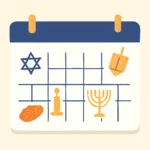
Use visual aids: A yearly wall calendar that shows both Hebrew months and Gregorian dates is a powerful teaching tool. It helps learners see the progression of the year and understand how holidays shift in the Gregorian year.
Include seasonal and agricultural dimensions: Hebrew holidays often reflect agricultural cycles; emphasizing these connections can enrich understanding of the calendar’s historical roots.
Incorporate stories and liturgy: Bring the holiday readings, prayers, and narratives into your lessons. The more readers connect with the stories behind the dates, the more meaningful the calendar becomes.
Encourage reflection on values: Use each holiday’s themes—freedom, revelation, gratitude, memory, and renewal—to prompt discussions about ethics, personal growth, and communal responsibility.
Resources and further reading about the Jewish holidays calendar
To deepen your knowledge of the calendar of Jewish holidays, consult a mix of traditional sources and contemporary guides. Here are categories and examples of resources that people commonly rely on to track the dates and understand the ceremonial dimensions:
Prayer books and Machzorim: The Machzor for major holidays provides the liturgy, readings, and prayers for each day in the cycle.
Hebrew-Gregorian calendars and online tools: Reputable sites offer year-specific calendars showing both Hebrew and Gregorian dates for all holidays, including candle lighting times and fast times. Examples include official rabbinic websites, national Jewish organizations, and reliable calendar publishers.
Educational curricula and guides: Schools and synagogues publish curricula that explain the historical context, rituals, and liturgy of each holiday, useful for teachers and families alike.
Community programming: Local synagogues, youth groups, and cultural centers often host lectures and holiday programming that illustrate how a community observes the calendar in practical terms.
When sourcing information, prioritize accuracy about dates and observances for your region and denomination. The Jewish religious holidays calendar is a dynamic and living framework, but its core structure remains a consistent beacon for Jewish time, memory, and meaning.
Common questions about the Jewish holidays calendar
As you explore this calendar, you might encounter questions about dates, practices, or how to participate in communal life. Here are brief answers to some frequent inquiries:
How are Hebrew dates calculated? The calendar uses lunar months, intercalation rules, and a system of leap years to approximate the solar year. The result is a calendar that keeps seders, prayers, and lunar cycles aligned with the seasons.
Why do some holidays span two days in the diaspora? In the ancient and sometimes modern diaspora, days begin and end at sunset, and some communities observe one day of certain holidays outside Israel due to historical reasons and ritual calendars. In Israel, holidays are typically observed for a single day, as the calendar is anchored to a different cultural practice.
What if a holiday falls on a weekend or workday? Communities adjust routines to honor the holy day, prioritizing prayer, family time, and rest while balancing modern life’s pace. Scheduling often hinges on local synagogue calendars and organizational policies.
Can I observe holidays outside the traditional settings? Yes. Many families observe at home with candles, meals, and study, and participate in community services or virtual programming when travel is not possible.
Conclusion: embracing the rhythm of the Jewish religious holidays calendar
The Jewish religious holidays calendar is more than a chronology of dates. It is a curated sequence of moments that invite reflection, learning, and communal life. From the introspective tone of the High Holy Days to the joyous procession of Simchat Torah, from the intimate rituals of Shabbat to the festival meals of Pesach, this calendar anchors Jewish identity in time and memory. It helps individuals and families plan, ensures communities stay connected, and provides a framework within which generations can teach, celebrate, and grow together.
Whether you are encountering these holidays for the first time or seeking a deeper understanding of how the calendar of Jewish holidays works, approaching it with curiosity and respect will enrich your experience. By exploring the structure, the key holidays, the observable practices, and the resources available for learning, you can engage fully with the tradition’s enduring invitation: to sanctify time, to study, to give, and to welcome renewal each year.