Jewish Sabbath Blessing: Meaning, Prayers, and How to Recite
The Shabbat or Sabbath is a central weekly rhythm in Jewish life, dedicated to rest, reflection, family, and spiritual connection. Across homes and synagogues, a series of blessings (brachot in Hebrew) accompanies the observance, marking moments of transition—from preparation to sanctity, from weekday routine to sacred time, and from day into night. In this article, we explore the Shabbat blessings and related prayers, their meaning, the exact texts recited, and practical guidance on how to recite them with intention. We will use variations of the phrase Jewish Sabbath blessing—including Shabbat blessings, Sabbath prayers, and candles and Kiddush blessings—to reflect the breadth of tradition surrounding this weekly cadence.
Understanding the Meaning Behind the Sabbath Blessings
Any discussion of Shabbat blessings begins with the core idea that time itself can be sanctified. The word Kedusha means sanctification, and Shabbat is considered a special day commissioned by God to be set apart from the ordinary weekdays. The blessings associated with Shabbat serve several purposes:
Acknowledgement of God as Creator, Sustainer, and Guiding Presence in the life of the household and community.
Transition from the workweek to a period of rest, study, and shared meals.
Connection to family, community, and generations who have observed Shabbat before us.
Education of children and adults alike about the language, customs, and values that undergird Jewish practice.
There are several kinds of Sabbath blessings, and their meanings are intertwined. Some bless the act that inaugurates Shabbat (light and warmth), others sanctify the food and drink that sustain a Shabbat meal, and others mark the end of Shabbat with Havdalah. In all cases, the aim is not merely ritual repetition but a mindful inflection of daily life—making Sabbath time feel distinct, special, and fruitful.
Throughout the practice, the language emphasizes gratitude, sanctification, and intentionality. Kavvanah—the intention and awareness with which one recites a blessing—is commonly emphasized in study and instruction. The sequence of the Blessings is also significant: each blessing corresponds to a specific act, a specific moment, and a specific sensory or spiritual cue (light, wine, bread, etc.).
The Core Sabbath Blessings You Will Encounter
Candle Lighting Blessing (Ner Shel Shabbat)
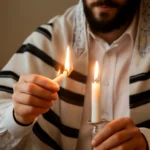
One of the most recognizable Shabbat blessings is the blessing recited when lighting the Sabbath candles. Traditionally, the woman of the house lights the candles, though in many households both partners may participate. The blessing is a brief formula that recognizes the act of lighting as a mitzvah commanded in the Torah and linked to the sanctification of Shabbat.
In transliteration and more accessible form, this reads as: Blessed are You, Adonai our God, ruler of the universe, who has sanctified us with His commandments and commanded us to light the candles of Shabbat.
Key aspects to note:
Time and intent matter: recite after lighting, but before engaging in other rituals of the evening.
Gender and participation: there are many customs about who lights the candles; however, the blessing itself is a standard formula and may be recited by anyone who is lighting.
Symbolism: the candles symbolize peace, warmth, and the opening of a day set apart from ordinary time.
Kiddush: Sanctifying the Shabbat with Wine (Friday Night and Saturday)
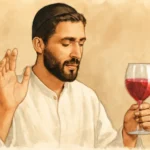
Kiddush is a central Shabbat blessing that sanctifies the day with wine. There are two main contexts: Friday night (erev Shabbat) and the daytime of Shabbat (Shabbat morning). The blessing is recited over a cup of wine or grape juice, often preceded by light refreshments or songs and followed by a festive meal.
The Friday night Kiddush is typically recited over wine after the candle lighting and before the festive Shabbat meals. The Saturday day Kiddush similarly sanctifies the day, and it may be recited in the synagogue or at home depending on practice. The core blessing is:
Baruch Atah Adonai Eloheinu Melech ha-olamborei pri hagafen.
What this blessing signifies is a deliberate act of exalting the Shabbat through the symbol of wine—the fruit of the vine—and acknowledging the sanctity of the day itself. In many communities, this blessing will be followed by the reading of a paragraph that includes the story of creation or the theme of rest and holiness, and then by the recitation of the communal Kiddush after the service or the meal.
Variations and notes to consider:
Vinous blessing remains largely the same across communities, but some traditions incorporate additional introductory lines or a concluding stanza tied to the seasonal calendar (for example, special readings on certain Shabbatot).
First person or communal preference: some households recite Kiddush aloud in a communal voice, while others recite quietly or aloud for the family. Either way, the blessing and its sense of “sanctification” remains central.
Wine versus grape juice: for those who avoid wine for any reason, grape juice is an acceptable substitution, and the blessing is often recited identically.
Hamotzi: Blessing Over Bread for the Shabbat Tables
During the Friday night meal and the Shabbat day meals, the Hamotzi blessing is recited over bread to acknowledge the basic sustenance provided by the earth and to sanctify the meal. The standard text is:
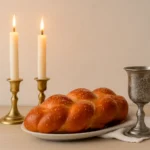
Baruch Atah Adonai Eloheinu Melech ha-olamhamotzi lechem min ha-aretz.
The blessing is typically said before breaking bread, and it is often followed by a blessing over the melekh ha-mazot, depending on family custom. For many, the Hamotzi serves as a practical and spiritual anchor for the Shabbat meal—an act that turns a simple table into a space of gratitude and communal sharing.
Important considerations:
Grain product: the blessing applies to bread or bread-like products made from wheat, barley, spelt, oats, or rye that have leavened or not.
Intent: women and men may recite Hamotzi; in many households both partners will participate in leading the blessing and the meal.
Sequence: the Hamotzi usually occurs after the Kiddush and before the meal is served, or as part of the formal Shabbat table setting.
Birkat HaMazon: Grace After Meals and Shabbat Additions
After the Shabbat meals, the Birkat HaMazon (Grace After Meals) is recited. On Shabbat, the blessing includes additional verses and readings that reflect the nature of the day and its sanctity. The core idea is thanks to God for sustenance and for the opportunity to gather in peace. Some communities recite a special Shabbat version with additional stanzas and closing blessings, which emphasize the communal and celebratory character of the day.
Consider these points when thinking about Birkat HaMazon during Shabbat:
Timing: after the meal, often with the table still set and the conversation continuing.
Length: on Shabbat, it may be longer due to the added verses that reflect the day’s meaning.
Formality: some households recite it in a group setting, others in a more intimate family circle.
Ending Shabbat: Havdalah and Other Closing Prayers
Havdalah: Distinguishing Between Sacred and Everyday
Havdalah is the ritual that marks the end of Shabbat, separating the holy time from the ordinary weekdays. The ceremony typically features a braided candle, a small cup of wine or grape juice, spices, and a blessing over the wine and the candle’s light. The basic structure includes:
Boruch atah over the wine (blessing that acknowledges the separation between Shabbat and the weekday).
Blessing over the candle (recognizing the distinctions between light and darkness and their symbolic meanings).
Blessing over the spices (to carry the fragrance of Shabbat into the new week and to uplift the soul).
Havdalah words emphasize the transition from the sanctified time back to the ordinary, while carrying the memory of Shabbat into the week ahead. The intention (kavanah) during Havdalah is often to take with us the sense of rest, gratitude, and peace that Shabbat provides.
Variations and Extensions of Havdalah
Different communities have additional texts or melodies for Havdalah. Some will include readings from the Psalms, a reiteration of blessing themes, or even a short Psalm like Mizmor Shir LeYom HaShabbat (Psalm 92) as part of the closing observances. Regardless of the exact wording, the core idea is the same: to separate, to reflect, and to take a sense of Shabbat into the coming week.
Shabbat Prayers in the Synagogue: A Quick Overview
Friday Night Service and Lecha Dodi
In many communities, the Friday night service begins with a distinctive set of prayers and songs. While not a blessing in the exact sense, the Friday night liturgy often includes welcoming verses such as Lecha Dodi (Come my beloved), a kabbalistic-poetic invitation to greet the Sabbath. The Sabbath blessings celebrated during this service lay the groundwork for the candle lighting and the Kiddush that follow at the home, reinforcing the sense of a prepared sacred space for the day.
Shabbat Morning Service: Torah, Blessings, and Song
On Shabbat morning, the liturgy includes several blessings that accompany the reading of the Torah, as well as the blessings recited before and after the Torah service. While these biblically-centered blessings are part of the broader Shabbat prayer framework, they are not always thought of as everyday blessings; they are more accurately described as liturgical blessings integrated into the communal experience of Shabbat worship.
How to Recite Shabbat Blessings: Practical Steps for Beginners
Before You Begin: Mindset and Preparation
To recite Shabbat blessings with intention, you can focus on two things: the kavanah (intention) and the order of the blessings. It helps to prepare by gathering the items you need (candles, wine, bread) and by taking a moment to pause and reflect on the meaning of the day. A simple breathing exercise or quiet moment can help center your thoughts before you begin reciting the blessings aloud.
Typical Sequence for a Home Shabbat Evening
Here is a common order for a home Shabbat evening, with the main breaches of ritual appeal:
Light candles and recite the Ner Shel Shabbat blessing.
Offer a moment of peace or a brief prayer for the sake of rest and family time.
Recite Kiddush over wine or grape juice to sanctify Shabbat.
Eat the bread after reciting Hamotzi.
Share the meal together, and consider reciting or singing additional Psalms or verses about Shabbat’s sanctity.
Typical Sequence for a Shabbat Morning
On Shabbat morning, a common pattern might include:
Morning blessings and prayers in the synagogue or home setting.
Birkat HaMazon after the meal, with any Shabbat-specific additions.
Engaging in study or family time following lunch or afternoon rest.
Tradition Variants: Ashkenazi, Sephardi, and Other Practices
Ashkenazi Practices
In Ashkenazi communities, the wording of the core blessings is typically the standard Nusach Ashkenaz. The melodies and intonation can vary widely by country and family tradition. The candle blessing is commonly recited in the vernacular language in some households, but many maintain the Hebrew formula for fidelity to tradition. The structure remains the same: candle lighting, Kiddush, Hamotzi, and Birkat HaMazon, followed by Havdalah at the end of Shabbat.
Sephardi and Mizrahi Practices
In Sephardi and Mizrahi communities, the core blessings may be recited with slight variations in pronunciation, accompanying prayers, and sometimes additional lines. Some communities use different liturgical tunes or add regional piyyutim (liturgical poems) within or adjacent to the standard blessings. Despite these differences, the central aims of the Shabbat candle blessing, Kiddush, Hamotzi, and Birkat HaMazon remain intact as expressions of sanctity, gratitude, and rest.
Other Traditions and Modern Adaptations
Some families incorporate contemporary responsive readings, family blessings, or a brief moment of reflection before or after the blessings. In contemporary practice, you may see tweaks such as bilingual recitations, or the inclusion of child-friendly explanations to help younger participants understand the significance of each blessing. The underlying intention—honoring Shabbat as a sacred time—remains constant across traditions.
Common Questions and Quick Answers
Who should recite the Sabbath blessings?
Traditionally, the candle lighting blessing is recited by the person lighting the candles, often the woman of the household. The Kiddush is usually recited by the head of the household or a designated family member, but the blessing can be led by anyone present, and in some families, multiple people participate. The Hamotzi and Birkat HaMazon are typically recited by the household members who are leading meals, though guests may participate as well.
What if someone cannot drink wine or grape juice?
In situations where wine is not suitable, grape juice is commonly used as a substitute for Kiddush. The blessing text remains the same; the substitution is traditionally accepted, and it is often accompanied by a brief explanation or a blessing over the fruit juice in honor of the day.
Can blessings be recited in languages other than Hebrew?
Many households recite blessings in the local language while preserving the original Hebrew text for the core phrases. While the traditional texts are in Hebrew, offering translations or transliterations in the family’s language can be a helpful way to understand the meaning, especially for children or learners new to the practice. The important point is to maintain reverence and intent whether using Hebrew, English, or another language.
How can one cultivate a meaningful kavvanah during Sabbath blessings?
Some practical tips to cultivate kavvanah during Shabbat blessings:
Take a moment of silence before reciting the blessing to settle thoughts and focus on the day’s purpose.
Connect the action you are performing with the broader meaning of Shabbat—rest, peace, and sacred time.
Explain to children what each blessing symbolizes and invite them to participate with their own words or simple blessings.
Use a simple, steady cadence rather than rushing through the words.
Textual Resources
Printed siddurim (prayer books) with Shabbat sections in different Nusach traditions (Ashkenazi, Sephardi, etc.).
Online Torah and prayer resources that include transliterations and English translations of the blessings.
Family or community classes that focus on the sequence of Shabbat blessings and the meaning behind each one.
Practical Tools for Home Practice
Set aside a dedicated space for Shabbat paraphernalia (candles, Kiddush cup, bread, spice box) to help create a daily cue for the blessings.
Prepare a short write-up or child-friendly guide to explain each blessing’s purpose.
Keep a simple check-list of the order of rites for Friday night and Saturday day so that newcomers can follow along.
Across Jewish communities, the Shabbat blessings serve as a framework for transforming ordinary time into sacred space. They signal transitions—into rest, into hospitality, into gratitude for sustenance, and back into weekday life with a strengthened sense of memory and purpose. Whether you call them Shabbat blessings, Sabbath prayers, or candles and Kiddush, these rituals foster a rhythm of mindfulness and family cohesion. They invite participants to reflect on the day’s meaning, to honor tradition, and to contribute to a shared spiritual atmosphere that can be felt in the home, synagogue, and community at large.
In essence, the meaning of the Sabbath blessings lies not only in their text but in the way they shape a family’s or a community’s engagement with time itself. The prayers are, in many respects, both a memory of the ancient past and a living, evolving practice that helps Jews approach the week ahead with intention, gratitude, and a sense of sacred purpose.