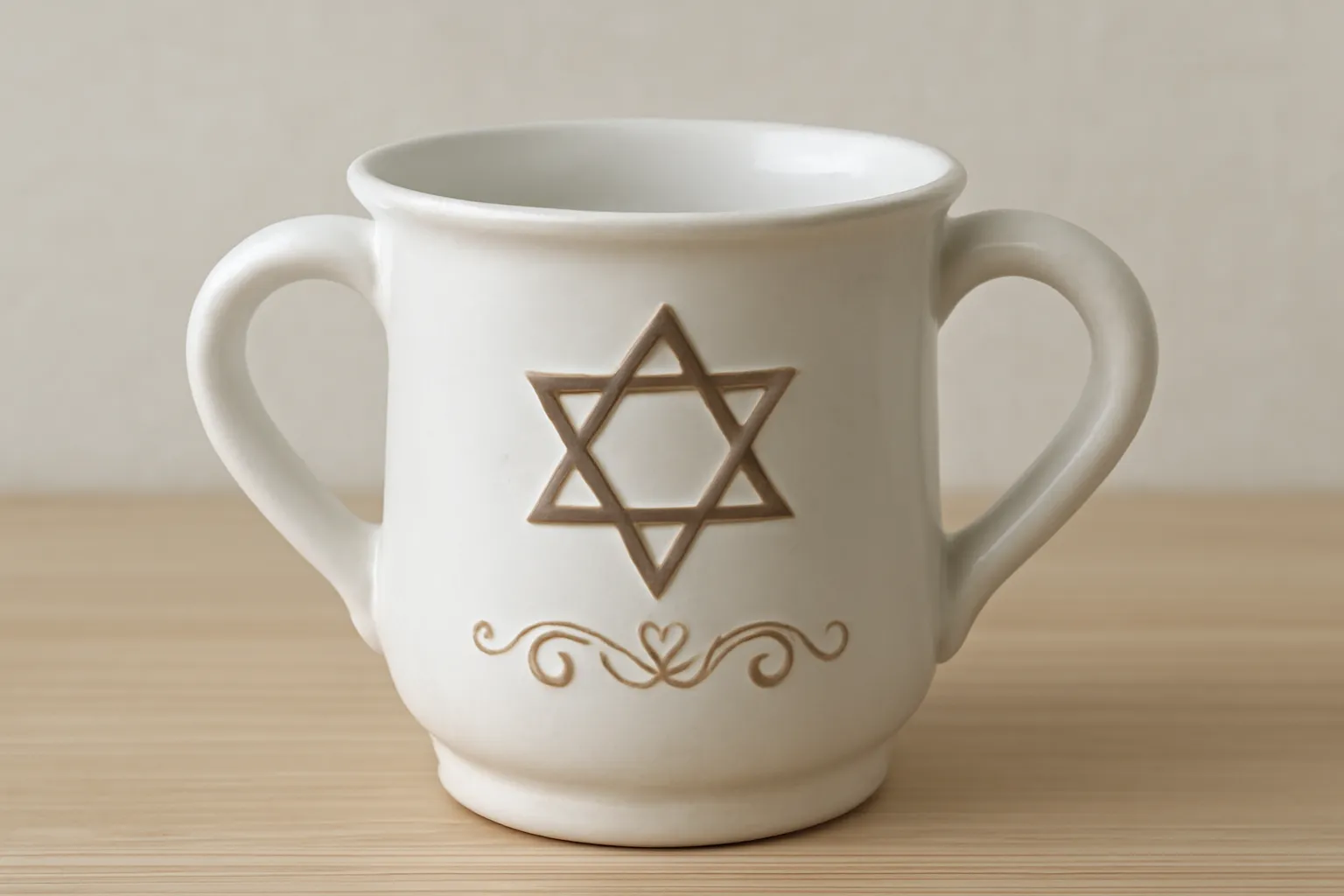
Hand washing cup Jewish practices sit at the intersection of ritual commandment, daily habit, and cultural tradition. This article provides a comprehensive guide to Netilat Yadayim, the Jewish ritual of washing the hands before eating bread and in other contexts, and the wash cup that accompanies it. Whether you are curious about the history, seeking practical advice for your own kitchen, or exploring how different communities observe this minhag (custom), you will find here a thorough overview of the hand washing cup and its role in Jewish life.
Netilat Yadayim, often translated as ritual hand washing, is a tradition rooted in Jewish law and practice. The ritual involves washing the hands from a vessel—traditionally a dedicated hand washing cup or netilat yadayim cup—before eating bread, and in some communities upon waking or during prayer. The act embodies a combination of physical cleanliness and spiritual readiness, signaling the transition from the ordinary to the sacred moment of blessing at the table.
The netilat yadayim cup is more than a container; it is a symbol of how water, blessing, and intention cooperate to sanctify everyday actions. In many households, the same cup is used daily for the pre-meal ritual, while other households keep separate cups for morning washing or other occasions. Across languages and customs, you will encounter many descriptors—ritual washing cup, washing cup for Netilat Yadayim, or Jewish hand washing vessel—but all point to the same central practice.
Historical and halachic context
The roots of Netilat Yadayim appear in classical rabbinic sources, where scholars discuss the proper method, the blessing to be recited, and the reasons for washing before bread and other meals. The hand washing cup is described in detail in various halachic codes and commentaries, reflecting a long tradition of ritual purity, hospitality, and attention to ritual form. While the exact interpretation can vary by era and community, the core idea remains: water prepared in a vessel used for a brief, formal cleansing of the hands before a sacred act of eating.
Over the centuries, different Jewish communities developed distinct customs around the number of pours, the order of the hands, and the blessing. The hand washing cup Jewish tradition thus embodies a spectrum of practice—from highly structured liturgical routines to more flexible, modern observances. In this article, you will find practical guidance that respects those differences while outlining a clear, accessible approach for everyday use.
Key terms to know
Netilat Yadayim — the ritual washing of the hands.
Birkat ha—baruch atah Adonai… — the blessing recited before washing or before eating, depending on the occasion.
Hand washing cup — the vessel used to hold the water for the ritual cleansing.
Second blessing — in some contexts, additional blessings or verses may be recited after washing or during the meal, depending on tradition.
The ritual cup: design, materials, and preparation
The hand washing cup can be a simple, everyday mug or a purpose-built vessel designed specifically for Netilat Yadayim. The essential idea is that water is poured from a fixed vessel, not directly from a faucet, and that the pouring is performed in a deliberate, respectful manner. Here are the core elements to consider when choosing or preparing your netilat yadayim cup.
Size and shape
The cup is typically small to medium in size, easy to handle with one hand, and large enough to hold a generous amount of water for both hands. A capacity of about 250–350 milliliters (about 8–12 ounces) is common for many households.
Some people prefer a cup with a wide mouth and a narrow base to minimize spillage, while others opt for a tall, narrow goblet for a ceremonial look. Either way, stability on the table is important.
Material and finish
Materials vary widely: ceramic, glass, metal (silver or stainless steel), and even wood or plastic are all used in different communities. The key is cleanliness and durability.
For ceremonial use, many choose a dedicated vessel that remains exclusively for Netilat Yadayim, to avoid cross-contamination with kitchen utensils or other uses.
Spout, grip, and handling
A cup with a gentle spout or lip helps direct a clean pour onto the hands without splashing. The aim is to pour carefully and evenly over the hands, not to flood the table.
Consider a design that offers a comfortable grip, especially for children or guests who may be learning the ritual for the first time.
Preparation and cleanliness
Before use, rinse the cup with clean water and keep it in a clean place, away from food preparation areas that might introduce smells or residues.
It is customary to keep the cup clean and free from chips or cracks, which may harbor bacteria or diminish the ritual’s sense of care.
How to perform the ritual: step-by-step guidance
The procedure for Netilat Yadayim combines intention, blessing, and precise physical action. Below is a practical, step-by-step guide that reflects common modern practice across many communities. Remember that local custom may adjust the number of pours or the exact sequence, so adapt as your tradition requires.
Prepare the hand washing cup with clean water. Place it on the table within easy reach. If your custom includes a blessing, prepare to recite it just before washing.
Recite the blessing if your tradition requires it before washing. The commonly recited blessing is the Blessing before washing (in transliteration): Baruch Atah Adonai Eloheinu Melech ha’olam asher kid’shanu b’mitzvotav v’tzivanu al netilat yadayim. If your practice uses a different formula or omits a blessing, proceed according to your community’s custom.
Pour the water over your right hand first, then your left hand, in a deliberate, measured way. In many customs, the water is poured three times on each hand, but some communities use two pours per hand or follow a different count. The important point is to perform the pouring with intention and reverence.
Dry your hands gently with a clean towel. Avoid rubbing vigorously, focusing instead on thorough, respectful drying.
Proceed to the meal or the ceremonial moment. Refrain from touching food with dirty hands after washing until the blessing is recited again at the proper moment (typically before eating bread).
Two common methods: one-cup vs. two-cup approaches
One-cup method: The water for both hands is poured from a single vessel, typically with the right hand receiving water first, followed by the left. Pours on each hand may be repeated according to local custom.
Two-cup method: Some households use two cups—one for rinsing the right hand and a second for the left, or one cup for each hand in sequence. This method can simplify the process for beginners and ensure a clean, controlled pour.
When and why this ritual is observed
The ritual of washing the hands with a hand washing cup before bread is integrally tied to the blessing that sanctifies the action. The practice is commonly observed in the following contexts:
Before eating bread in a formal meals setting, to prepare the mouth, hands, and heart for the blessing over bread.
Upon waking in some traditions, as a way to transition from sleep to daily prayer or study, often with a specific customs for the morning washing.
Before prayers or Torah study in communities where ritual purification is emphasized as a preface to sacred activity.
After contact with non-kosher utensils or other ritual impurity scenarios, depending on community norms and halachic guidance.
While the exact requirements for when to perform Netilat Yadayim can vary, the central aim remains consistent: to sanctify a mundane moment and prepare oneself for a holy act with clean hands and a mindful heart.
Variations among major traditions
Ashkenazi: In many Ashkenazi homes, the standard practice is to pour water three times on each hand. A blessing may be recited before washing, and some families use a single cup shared among all participants.
Sephardi: Sephardic communities often follow different sequence or pour counts, sometimes using two pours on each hand. The exact wording of the blessing and the order of hands may differ by community.
Yemenite and other traditions: These communities may have distinctive pouring patterns or additional steps, yet stay anchored in the same principle of intentional cleansing before a sacred act.
Because there is a spectrum of practice, it is best to follow the guidance of your rabbi or your family’s tradition. The hand washing cup itself remains a unifying element across all these customs: a dedicated vessel that marks the moment of transition from the ordinary to the ritual.
Maintaining and caring for your ritual cup
A simple, well-cared-for netilat yadayim cup can last for years and become a treasured family item. Proper care ensures that the cup remains sanitary and aesthetically pleasing, reinforcing the sense of ritual respect associated with Netilat Yadayim.
Regular cleaning: Rinse the cup after each use and wash with mild soap and water. Avoid harsh detergents that could leave a residue affecting taste or smell.
Dry storage: Store the cup in a clean, dry place away from kitchen utensils that could leave odors or stains.
Inspect for damage: Periodically check for cracks or chips. A damaged cup can harbor bacteria and may disrupt the ritual’s sense of integrity.
Dedicated use: If possible, designate a specific cup for Netilat Yadayim to preserve the ritual’s sanctity and avoid cross-use with other tasks.
Travel and temporary setups
When traveling, a compact, sturdy hand washing cup can make the practice easier. Choose a cup with a secure lid or a folding design to prevent leaks in transit.
If you must improvise in a pinch, a clean bottle or a small jar can serve as a temporary vessel, but be mindful of the ritual requirements in your community.
Practical tips for beginners and families
Whether you are learning the practice yourself or teaching children, these practical tips can help make Netilat Yadayim straightforward, meaningful, and enjoyable.
Practice with intention: Set a small ritual space at the table where the cup sits within easy reach. A calm moment before the meal helps emphasize the significance of the act.
Explain the meaning: Briefly share why the ritual matters—how water and blessing mark a transition from daily life to a moment of gratitude and intention.
Use child-friendly cues: For kids, demonstrate pouring three times on each hand or the number agreed upon by your tradition. Involve them in the preparation and cleanup to foster familiarity.
Keep it accessible: If pouring from a traditional vessel feels intimidating, begin with a simple, easy-to-handle cup and gradually adapt to the more formal cadence as confidence grows.
Common beginner questions
Can I use running water instead of a cup? For Netilat Yadayim, many traditions require that the water be poured from a vessel rather than flowing directly from a faucet. If your community allows faucet water for certain moments, follow your local custom.
What about washing after meals only? The primary pre-meal ritual is to wash before bread. Some people also perform additional washing in other contexts, but the standard practice centers on the bread blessing and preparation.
Is the blessing mandatory? The blessing is a central part of many customs, but practices vary. If your tradition does not recite a blessing yet, you can still perform the washing with the proper intention and reverence for the moment.
Frequently asked questions about the ritual and its vessel
Here are concise answers to common questions that readers often have about the hand washing cup and Netilat Yadayim.
Is a special cup required? Not strictly required, but many people prefer a dedicated cup to preserve a sense of ritual purity and to avoid cross-use with kitchen tasks.
Can the cup be decorative? Yes. In many homes, the Netilat Yadayim cup is chosen for its beauty, meaning, or connection to family history. A meaningful design can enhance the sense of sanctity.
What if water is scarce? The ritual emphasizes intent and proper technique. If water is limited, use what you have and prioritize cleanliness and reverence in the act.
Connecting the practice to daily life
Although the ritual of washing with a hand washing cup is a specific ritual with halachic dimensions, its broader message is universal: take a moment to pause before feeding or performing a sacred task, to reflect on gratitude, order, and community. For many households, Netilat Yadayim becomes a recurring ritual that ties the day together. The Netilat Yadayim cup thus becomes not only a tool but a symbol of thoughtful and deliberate living.
As you explore variations such as hand washing cup Jewish traditions in different communities, you will notice how a shared ritual can adapt to different customs while maintaining a common core: water, blessing, and intention prepare the individual for a meaningful meal or prayer.
Conclusion: embracing the ritual with care and curiosity
Whether you describe it as a ritual washing cup, a washing cup for Netilat Yadayim, or simply a practical water vessel for a traditional act, the core idea remains consistent: a small, deliberate act of cleansing that signals respect for the food, the blessing, and the people around the table. By choosing a suitable hand washing cup, understanding the core steps, and honoring your community’s traditions, you can carry this ancient practice into modern life with clarity and dignity.
For those who are new to the practice, this guide offers a thorough starting point. For families and communities, it provides a framework for teaching younger generations and keeping the ritual alive with simplicity, warmth, and meaning. In every home, the simple vessel and the mindful action of washing become a bridge between the ordinary and the holy, a daily reminder of gratitude, discipline, and shared tradition.