What is the Jewish tassel and why is it important?
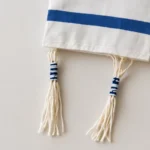
The tassel worn in Jewish practice refers most often to the fringes known as tzitzit (plural tzitzit; also called tzitziyot). This set of fringes is attached to the corners of a four‑cornered garment and carries a central religious commandment. In everyday language, people also call these adornments tzitzit fringes, tzitzit strings, or simply “the fringes” on a tallit or tallit katan. Across communities, the term “Jewish tassel” is used to describe this ritual feature, while many traditions distinguish between the larger prayer shawl (tallit) and the tucked‑in daily wear (tallit katan). In this guide, we will explore the meaning, practice, and varieties surrounding the fringes and the garment requirements that bring tzitzit to life in Jewish ritual.
Origins: biblical command and the garment that carries it
The mitzvah of tzitzit is rooted in the Torah. Two primary verses establish the obligation:
Numbers 15:37‑41 — “And the Lord spoke to Moses, saying: Speak to the Israelites and tell them to make tassels on the corners of their garments…”
Deuteronomy 22:12 — “You shall make for yourself twisted cords of blue on the four corners of your cloak with which you cover yourself.”
The verses define a physical object—fringes attached to a cornered garment—and they frame the purpose: a reminder to observe all of the Lord’s commandments. The basic religious logic is simple in form but profound in practice: the tassels, visible or worn under clothing depending on custom, are intended to be a tangible sign that separates a Jewish person in daily life as someone bound to a covenant and to divine instruction.
In Jewish law, the obligation applies to a garment with four corners. The commandment is not limited to any single style; it is about the four‑corned shape and the presence of the fringes. For many, this is realized by wearing a tallit (a prayer shawl) during prayer, while others fulfill the mitzvah on smaller garments with a tallit katan (a small four‑cornered undergarment) that can be worn beneath daily clothes.
The Jewish tassel in daily life: tallit and tallit katan
The tallit and the tallit katan are two avenues for observing the mitzvah of tzitzit. Each highlights the same purpose—the reminder of the commandments—but the practice and traditions around wearing them differ regionally and culturally.
The tallit: a traditional prayer shawl
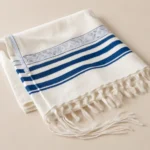
The tallit is a rectangular shawl worn over the shoulders during prayer. It typically has at least four corners, each bearing a tzitzit. In many communities, the tallit is reserved for men at the time of formal prayer, though many circles today welcome and encourage broader participation, including women and people of diverse backgrounds, in wearing tzitzitful garments during liturgy or study.
The tallit katan: a compact daily garment
The tallit katan is a smaller four‑cornered garment that is worn under clothes. It brings tzitzit into everyday life, not just during formal prayer. In many communities, the tzitzit from the tallit katan are visible at the hem of the garment, while in others the garment’s edges may be designed to permit the tzitzit to be seen upon bending or sitting.
The choice between tallit and tallit katan can depend on custom, community norms, and personal practice. Some households own both options: the tallit for formal prayer settings and the tallit katan for daily life.
Structure of tzitzit: strings, knots, and the blue thread
A tzitzit fringe is not a loose tassel but a carefully constructed bundle of strings bound in a prescribed pattern. Although the exact knot pattern can vary among communities, there are a few universal ideas:
Eight strings are used in each tzitzit, arranged as four pairs. These strings come from a single bundle and are folded to create the visible fringe at the corner.
Four corners each receive tzitzit, making a total of four sets of fringes on a garment designed with four corners.
Knot pattern and winding counts differ by tradition, but the aim is to produce a distinctive, recognizable fringe set that is easy to identify as tzitzit.
In addition to the white fringes, many communities maintain the option of including a tekhelet (blue) thread. The biblical command in Numbers 15:38 calls for a blue cord on the tzitzit. The use of tekhelet has varied over history due to dye sources and interpretive opinions. In modern practice, some groups include the blue thread, others use white tzitzit without tekhelet, and some have revived the tekhelet tradition with new or natural dyes. This is a point of ongoing discussion and a reflection of the diversity within Jewish practice today.
The exact knotting pattern—the number of knots, the spacing, and whether the knots differ across corners—can be a matter of custom. In many traditional communities, the knot pattern is taught by local authorities or elders, and families often pass the method down through generations.
Meaning and symbolism behind the fringe
The physical tassels serve as a visual reminder to observe a broader ethical and ritual framework. The fringes symbolize a covenant, a memory, and a daily cue to live in alignment with divine commandments.
Reminder: The tzitzit act as a tangible reminder of God’s commandments, influencing daily choices and behavior.
Covenant memory: The fringes are a symbol of Israel’s enduring covenant and the responsibility to live by Torah values.
Identity and continuity: Wearing tzitzit connects individuals to Jewish history, tradition, and a shared religious identity.
In addition to these themes, many practitioners emphasize the concept of kavanah—intentional focus and reverence—when tying and wearing tzitzit. The act of binding and donning tzitzit can be a moment of spiritual mindfulness, turning a physical act into a ritual of memory and meaning.
Tekhelet and color: the blue thread in tzitzit
Tekhelet is the historical blue dye described in the Torah. The search for the precise source of tekhelet (the blue thread) has a long and storied history, with debates about the exact species used and the correct dyeing method. In recent decades, various natural and synthetic sources have been proposed and tried, leading to a revival movement in some communities to reintroduce a blue thread into tzitzit.
Historical and halachic background
Tekhelet is mentioned in biblical verses as a distinctive blue thread. Early authorities debated whether the tekhelet thread was obligatory if present only in some tzitzit or whether it could be omitted altogether. The ancient dyeing technique appeared to be rare or unavailable for much of Jewish history, contributing to shifting practice across eras and locales.
Contemporary practice and options
Today, you will encounter three broad approaches:
Always including a blue tekhelet thread in every tzitzit, following communities that emphasize the biblical command to have a tekhelet cord.
Using white tzitzit without tekhelet, which some consider a valid expression of the mitzvah based on contemporary interpretation and practical considerations.
Adopting a restored tekhelet practice by dyeing a single thread blue with an accepted dye source, while the rest of the tzitzit remains white.
The choice among these options often reflects community norms, rabbinic guidance, and the availability of reliable tekhelet sources. Regardless of color choice, the core obligation remains the assembly of fringes on a four‑cornered garment and the intention to remember the commandments.
Practical practice: tying, caring for, and wearing tzitzit
The practical aspects of tzitzit involve both ritual steps and everyday care. Here are core considerations to understand how tzitzit work in daily life.
Who should wear tzitzit?
The biblical commandment targets the wearer of a four‑cornered garment. In traditional practice, adult men are obligated in many communities, though women and people of different genders and backgrounds participate or observe according to local custom and halachic guidance. Some communities encourage voluntary wearing for all ages and genders as a way to cultivate mindfulness and community identity.
When to wear tzitzit?
The tallit is commonly worn during morning prayers and certain study sessions. The tallit katan is worn during the day as a constant reminder. Some people wear tzitzit only during specific ritual occasions; others make tzitzit a daily reminder by keeping a small garment under their clothes at all times.
Care, washing, and handling
Tzitzit fringes are delicate and should be treated with care. Hand washing and air drying are common recommendations to preserve the integrity of the cords and knots. If a fringe becomes frayed or tangled, it is usually best to repair or replace the tzitzit rather than cutting or altering the pattern. For those who own several garments with tzitzit, rotation can help extend the life of each set.
Some communities attach tzitzit with safety rules in mind. For example, to prevent snagging on clothing, tzitzit are often tied in a way that keeps the fringes secure yet accessible for regular inspection.
Variations across Jewish communities: patterns, customs, and opinions
Across the Jewish world, different communities have developed distinct customs related to tzitzit. While the core requirement remains the same, the ways in which tzitzit are worn, tied, and dyed reflect centuries of practice and interpretation.
Ashkenazi, Sephardi, and Mizrahi patterns
– Ashkenazi communities often emphasize a particular knotting pattern and windings that have been handed down by generations of rabbinic authorities. The counts of knots and winds may vary slightly from one Yeshiva or locale to another, but the practical effect is a recognizable fringe. Tzitzit with tekhelet is also observed in some Ashkenazi circles, though not universally.
– Sephardi and Mizrahi communities frequently maintain their own established customs for knot counts and the number of windings, with a long tradition of nuanced ritual practice and text study surrounding the tzitzit. Tekhelet usage tends to be a more prominent feature in many Sephardi traditions, depending on historical lineage and local rabbinic rulings.
Hasidic and modern Orthodox approaches
In Hasidic and many modern Orthodox communities, tzitzit are commonly worn on the tallit during prayer, and many individuals wear the tallit katan for daily life. Some groups emphasize a strong devotion to tradition in the exact knotting patterns and the restoration or acceptance of tekhelet in tzitzit, while others focus on the mitzvah’s essential shape and meaning rather than every ritual detail.
Women and tzitzit in contemporary circles
Attitudes toward women wearing tzitzit vary by community. Some congregations and movements affirm women’s participation in wearing tzitzit as a personal expression of faith and a public sign of identity, while others maintain gender‑segmented practices. Regardless of the specific approach, many communities encourage respect for diverse observance while preserving the overall intent of the mitzvah.
Common questions about the Jewish tassel
Do tzitzit have to be white? Traditionally, white strings predominate, but some traditions use tekhelet (blue) as an additional thread. The presence or absence of tekhelet is a matter of communal custom and rabbinic guidance.
Can tzitzit be worn with any four‑cornered garment? The garment must have four corners and be large enough to support the tzitzit; some garments with special shapes or pockets may not be eligible. Always check with a competent halachic authority if unsure.
Is there a fixed number of knots and windings? There is a preferred knotting pattern in many communities, but the exact counts can differ by tradition. The most important idea is the presence of a recognizable tassel that signals the mitzvah.
What about repairs or replacements? If the tzitzit fray or wear out, it is common practice to repair or replace the strings with the same ritual form to maintain continuity and fidelity to tradition.
Are tzitzit required every day? Observance varies by community; some people wear tzitzit daily via tallit katan, while others observe primarily during prayer times with a tallit for the ritual. Local custom and personal commitment shape daily wearing patterns.
Conclusion: the tassel as a lifelong reminder
The Jewish tassel, or tzitzit, is more than a decorative feature on clothing. It is a visible and tactile covenant sign that invites a constant awareness of God and the commandments. Whether one follows a white tassel alone or chooses tekhelet as a blue thread, whether tzitzit are worn on a tallit during prayer or as a daily reminder on a tallit katan, the core idea remains the same: a physical reminder to live a life aligned with the values and duties outlined in Torah.
As Judaism encompasses a broad spectrum of practice, diversity in tzitzit customs reflects a living and evolving tradition. The central aim is not uniform appearance but shared intention: to carry a continual connection to ethical conduct, memory of the commandments, and a sense of community that spans generations.
If you are exploring tzitzit for the first time or are deepening your practice, consider consulting a trusted rabbinic authority within your tradition. They can offer guidance on the correct garment, feasible knot patterns, whether tekhelet should be included, and how to incorporate tzitzit into your daily spiritual life in a way that respects both custom and personal growth.