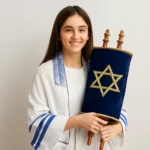
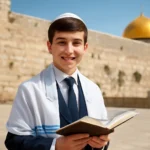
The bat mitzvah at the Western Wall is a moment that blends personal milestone with a place steeped in history and prayer. For many families, it is a once-in-a-lifetime opportunity to mark a girl’s entry into Jewish ritual life at one of the holiest and most iconic sites in Judaism. This article offers a thorough guide to the practice, the meanings behind it, the practical steps involved, and the diverse ways communities experience a Kotel bat mitzvah or bat mitzvah at the Western Wall. Whether you are planning for a traditional Orthodox context, a feminist or egalitarian approach, or a hybrid celebration, understanding the setting, the rules, and the rhythms of the day can help make the event meaningful and respectful for everyone involved.
Understanding the setting and significance of a bat mitzvah at the Western Wall
The Western Wall, known in Hebrew as the Kotel, is a surviving segment of the ancient retaining wall of the Temple Mount in Jerusalem. For centuries, it has stood as a potent symbol of Jewish continuity, prayer, and longing. In modern times, hundreds of thousands of visitors come to pray, reflect, and connect with Jewish history at the Wall each year. The site comprises separate prayer spaces for men and women, reflecting long-standing halachic and communal norms about gender in formal synagogue settings.
A bat mitzvah at the Western Wall can be experienced in several ways, depending on one’s religious identity, family goals, and the specific venue within the Wall complex. Some families choose a traditional parshah reading and blessing in the women’s section, while others incorporate additional elements, such as the Haftarah portion, songs, or a short drasha (talk) in honor of the girl. Some families also consider the alternative spaces associated with the Western Wall complex, where more egalitarian practices are observed. The decision often hinges on the family’s approach to tradition, inclusivity, and community guidance.
In any case, a bat mitzvah at the Western Wall is also a moment of connection to the larger Jewish world. It is common for a family to invite relatives, friends, and members of the local congregation, as well as an automatic sense of continuity with generations of girls who read from the Torah and celebrated their milestones in sacred spaces. The Western Wall is more than a backdrop; it is a living center of prayer, where the sound of prayers, the rustle of a Torah scroll, and the collective voices of participants contribute to the atmosphere of reverence and joy.
The ritual center: Torah reading, aliyot, and the arc of the ceremony
A central feature of many bat mitzvah ceremonies at the Western Wall is the Torah reading. This moment, often framed by a blessing and a public declaration of responsibility, marks a girl’s formal entry into certain religious obligations and privileges that have traditionally accompanied Jewish adulthood. A bat mitzvah reading can be structured in different ways, reflecting community norms, rabbinic guidance, and the physical layout of the space.
Key ritual elements commonly included
Aliyah l’Torah (the honorary invitation to read from the Torah). The girl may be invited to recite a portion of the weekly Torah reading, or a specially chosen segment that she learns with her tutor or family.
Torah scroll handling. In many cases, a Torah scroll is brought to the reading stand on the women’s side, and the girl reads selections with support from a chazzan (cantor) or a designated person who helps with the Hebrew cantillation and the blessing.
Blessings before and after the reading. The traditional blessing for an aliyah is often recited, followed by a blessing after completing the portion or the Haftorah, depending on arrangement.
Tallit and other adornments. Many families encourage the girl to wear a tallit (prayer shawl) or a tallit katan as a sign of her new responsibilities, though practices vary by community and local custom. Some workshops and facilitators provide a dedicated bat mitzvah tallit or other ceremonial elements such as a kippah or a sash for the occasion.
Haftorah (the prophetic reading) is sometimes included, though it is not universal. Some communities designate a Haftorah for the bat mitzvah as a personal addition to the Torah portion, especially if this is a egalitarian or reform-oriented ceremony. When Haftorah is included, it is typically read in Hebrew with explanation in the local language for families and guests.
In practice, the exact order and presence of these elements can differ. Some bat mitzvahs at the Western Wall emphasize the teaching moment—the girl’s own explanation of the portion, her reflections on the mitzvot she wants to assume, and the way she connects the text to her life. Others highlight the communal aspect, inviting family and friends to participate through song, readings, or shared prayers.
Regardless of the specific ritual structure, a Western Wall bat mitzvah always centers on the sense of spiritual growth within a historic space. The act of reading from the Torah in front of a crowd, with the Wall as witness, can be described as a unique combination of personal milestone and communal affirmation.
Gender, tradition, and the landscape of ritual practice
The topic of a bat mitzvah at the Western Wall inevitably intersects with debates and evolving practices around gender, halacha (Jewish law), and the meaning of women’s leadership in religious life. The Wall, as a site with deep Orthodox associations, presents particular considerations for a girl’s entry into formal ritual. At the same time, the broader Jerusalem area contains diverse venues and communities that offer more egalitarian opportunities, such as independent prayer spaces adjacent to the Wall, or alternative venues with inclusive practices.
Historically, the Western Wall has been associated with the traditional, male-dominated model of ritual leadership in many Orthodox circles. Over the decades, however, the landscape has broadened. The emergence of the Women of the Wall movement and related initiatives has helped many families pursue a bat mitzvah at the Wall that aligns with a modern sense of equality and personal faith. In response, the Western Wall complex and affiliated organizations have developed options for women to participate in Torah reading and prayer in ways that respect both tradition and contemporary values.
When planning, families should be aware of the local policies and norms. Some groups prefer to organize the ceremony in spaces that are traditionally used by women, while others consider spaces that accommodate egalitarian or mixed-gender participation. It is prudent to consult with a rabbi or spiritual leader who understands the family’s goals and can guide the process in a respectful, inclusive way.
Planning your bat mitzvah at the Western Wall: practical steps
Organizing a Kotel bat mitzvah requires careful planning, clear communication with facilitators, and attention to logistical details. Below is a practical roadmap that many families find helpful. The steps may vary by community and by the exact venue chosen within or around the Wall complex.
1) Define your goals and choose the venue
Decide whether you want a traditional, Orthodox-aligned experience, a more egalitarian approach, or a hybrid model.
Choose the site within the Western Wall complex: the standard women’s section near the main plaza, a designated ceremony area, or an adjacent space such as Robinson’s Arch, which is often used for egalitarian services or for events linked to the Wall but outside the main Mechitzah boundary.
Consider the role of a rabbi, cantor, or family mentor who can guide the preparation and ceremonial aspects.
2) Secure permissions, guidance, and a ceremonial plan
Work with the Western Wall Heritage Foundation or your organization’s liaison to understand the official process, scheduling, and any requirements for Torah scrolls or space usage.
Clarify whether a Torah scroll will be brought to the ceremony, and who will handle it. Some venues provide a scroll, while others permit families to bring their own, subject to security and handling guidelines.
Develop a ceremony plan that includes the exact order of events, who recites blessings, whether a Haftorah will be read, and how the student will participate (reading, chant, or explanation).
3) Engage educators and mentors for preparation
Arrange for a study plan with a tutor, rabbi, or cantor who can teach the girl her portion, cantillation, and any prosaic readings she plans to deliver.
Incorporate practice sessions that simulate the real setting. This helps the student feel comfortable reading in public and managing the ceremonial pace and rhythm.
Discuss dress code, traditions around modesty in prayer spaces, and the etiquette appropriate for the Western Wall to ensure a respectful experience for all participants.
Plan travel arrangements to Jerusalem, including the schedule for the day, accommodations, and arrival times at the Wall complex.
Factor in security checks, bag policies, photography rules, and any restrictions on flowers, banners, or music. Many groups allow photos after the ceremony, but rules vary by site.
Coordinate with a photographer or videographer who understands the environment and the permissions needed to record a ritual in a religious space.
5) The day itself: conduct, attire, and atmosphere
Arrive early to prepare for the ceremony and to acclimate to the surroundings. The Western Wall plaza can be bustling, so allowing extra time reduces stress.
Dress with care for a reverent atmosphere. Participants often wear semi-formal or formal attire, with modest coverage in keeping with the space’s norms.
Follow the lead of the ceremony organizer and the facilitator regarding when to proceed to the Torah reading, how to handle a Torah scroll, and when the public blessings should occur.
Etiquette, safety, and conduct in sacred spaces
As with any ceremony conducted at a sacred site, etiquette and safety considerations are central. Respect for the space, fellow worshippers, and the guidelines of the venue helps ensure a meaningful and smooth experience.
Silence and attentiveness. When readings or prayers are in progress, maintain a respectful silence and avoid loud disruptions.
Photographs. Check the policy on photography during the ceremony. Some spaces permit photography only at certain moments; others may restrict flash or use of tripods during readings.
Dress modestly. Many visitors observe modest dress norms in holy places; check whether shoulders, knees, or other coverage is expected and plan accordingly.
Respect for the mechitzah. Be mindful of the partition that separates prayer spaces and avoid moving into the opposite gender’s area during rituals unless the event has explicit permission from organizers to do so.
Alternative venues and the broader landscape around the Wall
Several families exploring a bat mitzvah at the Western Wall also consider alternative spaces that are closely connected to the Wall’s spiritual atmosphere but offer different structural or ritual possibilities. In recent decades, communities have developed options to accommodate varied approaches to Jewish law, gender, and worship style.
One widely known option is to hold parts of the ceremony at or near Robinson’s Arch, a site just adjacent to the main Western Wall area. This space has become a popular venue for egalitarian and reform-minded communities seeking a space that preserves the Wall’s sanctity while enabling broader participation in Torah reading for girls and women.
Other groups may combine a ceremony at the Wall with a later celebration at a synagogue, community center, or hotel function space in Jerusalem or in their home city. Some families opt for a secular or educational program at the Wall that focuses on history, archaeology, or Jewish geography, followed by a formal bat mitzvah service at a different venue.
In all cases, the goal is to maintain reverence for the Wall’s sanctity while creating a meaningful, educational, and emotionally affirming experience for the bat mitzvah girl and her family. The choice of venue, the level of ritual, and the involvement of mentors should reflect the girl’s learning, community norms, and parents’ values.
Practical tips for families preparing a Western Wall bat mitzvah
Start planning early. Given security checks, space allocations, and coordination with ritual leaders, begin planning a year or more in advance if possible.
Clarify what is included in the ceremony. Confirm whether a Haftorah is included, whether the girl will chant the entire portion or a segment, whether the girl will read alone or with a chaperone, and who will lead the congregational responses.
Prepare the learning plan for the girl. Work with a teacher who can help with cantillation, pronunciation, and the meaning of the verses. Consider modern reflections or a personal talk to accompany the readings if appropriate.
Coordinate with the venue and facilitators. Ensure you have the contact information for your liaison at the Western Wall Heritage Foundation or the specific ceremony space you’re using. Confirm accessibility and any special accommodations for family members with mobility concerns.
Plan for after-ceremony wishes. Decide whether you will have photos, a reception, or a formal hush-hush moment of gratitude with close family members. Some families organize a short reception near the venue, while others plan an extended celebration elsewhere.
How families and communities describe the experience
For many families, a bat mitzvah at the Western Wall becomes a defining Jewish memory. The combination of a personal rite of passage with a place of immense historical and religious resonance often leads to a sense of continuity—linking the girl’s growth with the generations who have stood at the Wall in prayer, in celebration, and in searching for meaning.
Community voices vary. Some emphasize the traditional aspects, including formal blessings, Torah reading, and the presence of a talit. Others focus on the egalitarian dimensions, celebrating the girl’s opportunity to read the Torah within a space that welcomes a broader range of Jewish expression. Still others highlight the educational dimension: a bat mitzvah at the Wall is not only a ceremony but a chance to study, to explore, and to articulate personal beliefs and commitments to living a Jewish life.
Regardless of religious affiliation or approach, a bat mitzvah at the Western Wall often invites participants to reflect on questions such as: What does it mean to assume adult responsibilities in Jewish practice? How does the place shape the understanding of covenant, memory, and community? How can a family honor tradition while embracing evolving norms of gender and leadership? These questions can guide meaningful conversations long after the candles are blown and the Torah portion is completed.
Case studies and variations: different paths to a meaningful experience
Across communities, there are many cultivated formats for a bat mitzvah connected to the Western Wall. Here are illustrative variations that families commonly consider. Each path has its own strengths and can be tailored to honor the girl’s learning, family values, and spiritual goals.
Orthodox-leaning bat mitzvah at the Wall. In this version, the ceremony adheres to traditional Orthodox practice, with the girl reading the Torah in the women’s section, using a tallit if appropriate, and following the ritual cadence that matches the community’s standards. Blessings are recited in Hebrew, and the emphasis is on formal recognition of the girl’s coming of age in a familiar liturgical framework.
Egalitarian bat mitzvah near the Wall. This variation emphasizes female leadership, equal participation in Torah reading, and a more expansive role for guests. It may take place at Robinson’s Arch or in a designated adjacent space where the ceremony mirrors a standard synagogue bat mitzvah in terms of participation, with a focus on full, equal leadership by the girl and a broader range of liturgical elements.
Educational and commemorative approach. Some families integrate an educational program about the Wall, its archaeology, and its historical layers, followed by a shorter ritual component at the Wall itself. This format suits families who want a stronger focus on knowledge, reflection, and personal connection to place.
Hybrid model with post-ceremony celebration. The bat mitzvah ceremony can be held at the Wall (or adjacent space), followed by a communal celebration at a synagogue or hotel. This allows extended family to participate in a multi-part day that blends tradition with festive gathering.
Frequently asked questions about the Western Wall bat mitzvah
Can a girl read the Torah at the Western Wall?
Yes, depending on the space and the community’s practice, a girl can read from the Torah during a bat mitzvah at the Western Wall. In some configurations, a dedicated Torah scroll is provided, while in others the family or community brings a scroll under authorized supervision.
Is a Haftorah part of the bat mitzvah ceremony at the Wall?
It can be, but it is not universal. Some families include the Haftorah as part of a more expansive ritual plan, while others focus primarily on the Torah reading portion.
What about dress and modesty?
Modesty guidelines are important. Wearing respectful attire is typically encouraged, especially in sacred spaces. It is wise to check the expectations of the venue and to plan accordingly.
Are there gender-specific rules for ritual leadership?
Traditions vary. Orthodox spaces often maintain traditional gender roles, while egalitarian spaces actively promote female leadership. It is essential to clarify the expected roles with the ceremony organizers ahead of time.
Postscript: integrating this rite into a lifelong Jewish journey
Arranging a bat mitzvah at the Western Wall is not just about one day. It is a doorway into a broader arc of Jewish education, spiritual growth, and community belonging. The moment of the Torah reading is often followed by conversations with mentors, continued study, and ongoing participation in Jewish life. For many families, the experience becomes a touchstone that inspires further learning and deeper engagement with Jewish rituals, holidays, and texts.
To sustain the momentum, families may consider complementary activities in the months after the event: a study group focusing on the weekly Torah portion, a trip to Jerusalem for other sites of Jewish history, or participation in community services that reinforce the ongoing commitment to learning and practice.
Resources and next steps for prospective families
If you are contemplating a bat mitzvah at the Western Wall, a few practical steps can help you move forward confidently:
Contact the Western Wall Heritage Foundation and any local organizations involved in coordinating Wall ceremonies to obtain up-to-date guidelines, space availability, and securing a date for your event.
Identify a qualified guide or rabbi who understands the family’s approach—whether traditional, egalitarian, or hybrid—and who has experience with Wall ceremonies.
Begin Torah study arrangements early and tailor the program to match the girl’s strengths and interests, whether that means focusing on cantillation, translation, or personal reflections.
Build a flexible itinerary that accommodates the security checks, travel arrangements, and the possibility of weather-related delays if the ceremony is outdoors near the Wall.
In sum, a bat mitzvah at the Western Wall is a powerful blend of tradition, personal growth, and communal connection. It invites a young person to articulate her understanding of Jewish values, her responsibilities as a member of the Jewish people, and her relationship to a place that has stood at the heart of Jewish prayer for centuries. By planning thoughtfully, honoring the space’s guidelines, and choosing a path that resonates with her beliefs and aspirations, a bat mitzvah at the Western Wall can become a meaningful touchstone in a girl’s lifelong Jewish journey.