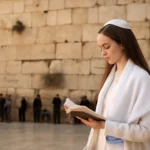
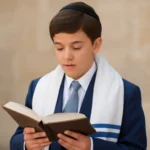
Bar Bat Mitzvah in Israel is more than a ceremony: it is a doorway to history, culture, and family meaning set against the landscape of the Jewish State. This guide is designed to help families plan a memorable, respectful, and culturally rich bar mitzvah in Israel or bat mitzvah in Israel, whether you are visiting for a week or making a longer family journey. From choosing the setting to understanding religious nuances, from budgeting to crafting an experience that honors tradition and modernity, the following sections aim to cover all the essential considerations.
Understanding the ceremony: what a bar mitzvah and bat mitzvah mean in the Israeli context
The terms bar mitzvah (for boys) and bat mitzvah (for girls) originate from Jewish liturgical and legal language and mark a transition in responsibility within the community. In Israel, these rites can be celebrated in a wide range of settings—from traditional synagogues to private reserve spaces in hotels or cultural centers. Important distinctions to be aware of include:
Ages and expectations: In many communities around the world, a boy reaches the age of 13 for his bar mitzvah, while girls reach 12 or 13 for their bat mitzvah. In Israel, as in many places, families often tailor the timing to fit denominational norms and personal family decisions. Some families celebrate the girl’s bat mitzvah in Israel at 12, while others align with 13, depending on synagogue policy and community norms.
Reading from the Torah: For a traditional bar mitzvah, a Torah reading and a leadership role in the service are common expectations in many Orthodox settings. In bat mitzvah celebrations in Israel, women’s Torah involvement varies by denomination and community: egalitarian and Conservative settings in Israel increasingly provide opportunities for girls to read from the Torah or participate in leadership roles, while Orthodox venues may limit such participation. Your planning should explicitly confirm what is allowed where you celebrate.
Participation and prayer style: A bar mitzvah or a bat mitzvah in Israel can be structured as a traditional service, a more modern/egalitarian ceremony, or a hybrid that blends Hebrew prayer with contemporary readings. The chosen denomination—Orthodox, Conservative, Reform, or secular-inflected communities—will shape the format and the level of liturgical participation for the child and family.
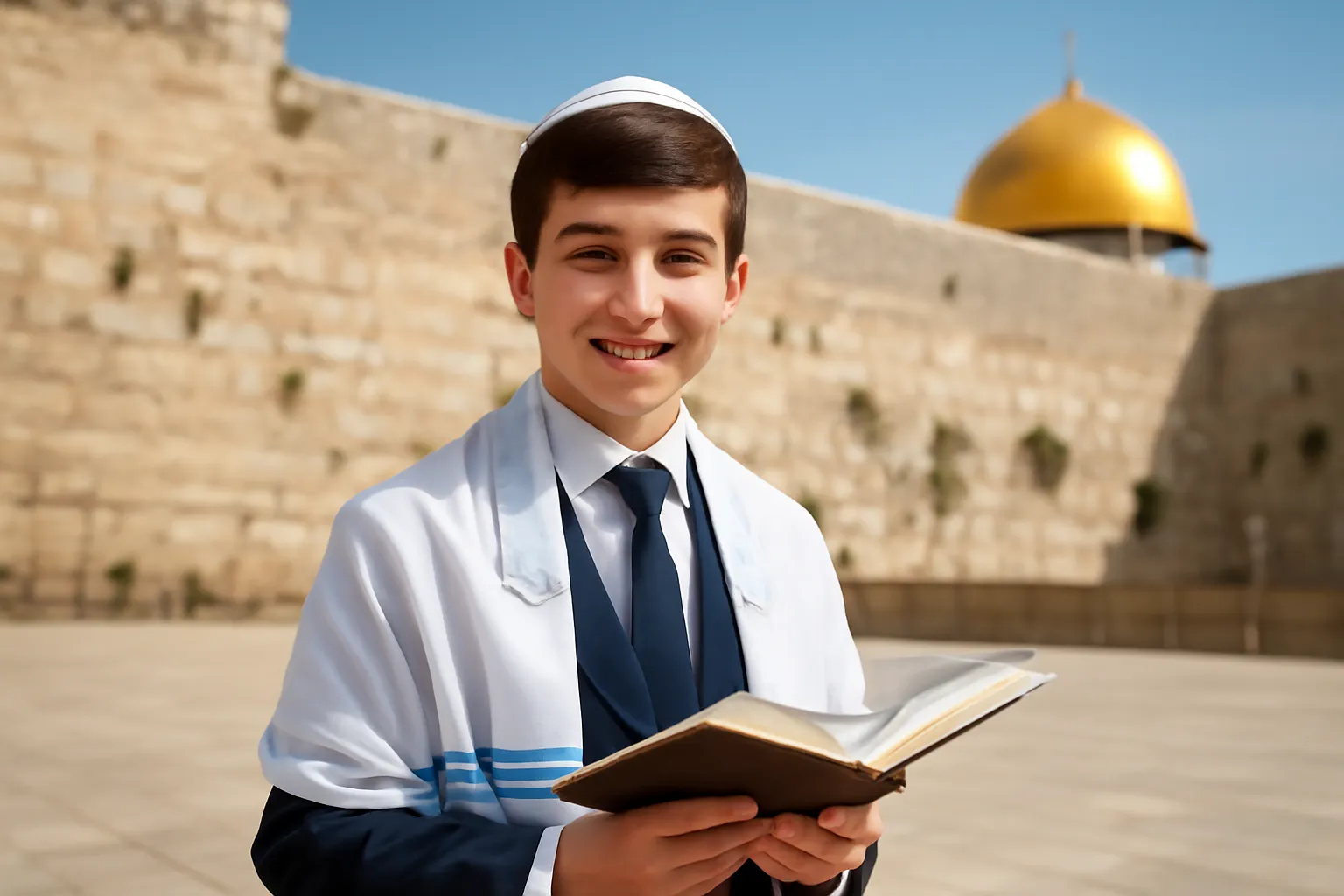
Venue options: Unlike some diaspora communities, Israel offers a spectrum of venues—from historic synagogues in Jerusalem or Tel Aviv to private halls within hotels near the Dead Sea or the Sea of Galilee. The presence of a Western Wall ceremony may require special permissions and guidance from local rabbis and custodians, and it is essential to align your plans with the religious authority overseeing the site.
Choosing the right setting: where to hold a bar mitzvah or bat mitzvah in Israel
One of the most important decisions in planning a bar mitzvah in Israel or bat mitzvah in Israel is choosing the setting. Your choice will influence the ceremony’s tone, the possible ritual components, and the overall guest experience.
Synagogue ceremonies versus private venues
Synagogue-based ceremonies provide authenticity and a familiar liturgical framework. They are often the most traditional option and are well-suited for families who want a classic bar mitzvah or bat mitzvah experience with a formal Torah reading (where permitted).
Hotel or private event spaces offer flexibility for guests, multimedia elements, and a tailored program that can incorporate musical introductions, guest speakers, or a dedicated reception after the ceremony. These spaces are common for both bar mitzvah in Israel and bat mitzvah celebrations in Israel and can accommodate larger guest lists.
Outdoor or scenically themed settings near sites like the Jerusalem hills, the Galilee, or the Dead Sea can create a memorable backdrop for the ceremony, especially for families seeking a more informal or reflective mood while honoring tradition.
Popular cities and venues
Jerusalem: Historic synagogues, the Old City quarters, and modern cultural centers provide a blend of tradition and contemporary Israel. Ceremonies here can be deeply meaningful, especially when paired with a visit to the ancient sites and a post-ceremony meal in a kosher restaurant.
Tel Aviv: A cosmopolitan hub with luxury hotels, boutique venues, and beaches nearby. A bar mitzvah in Israel in Tel Aviv often includes a modern program with music, a reception, and optional day trips along the Mediterranean coast.
Safed and the Galilee region: Known for its spiritual atmosphere and scenic beauty, these locations are ideal for families seeking a more intimate or spiritual ambiance.
Eilat and the southern arid regions: For families who want a desert or Red Sea-inspired backdrop, combining ceremony day with a desert excursion or a marine adventure can be very appealing.
The Dead Sea area: Some families use a resort setting near Masada or Ein Bokek for a ceremony followed by a day at the mineral-rich shores or a sunrise excursion.
Regardless of the city, many families choose to pair the ceremony with a structured itinerary that includes tours to iconic Israeli sites, a visit to a museum, and time for family reflection. If you plan a bar mitzvah in Israel or bat mitzvah in Israel, consider building in meaningful experiences such as a sunrise Masada visit, a guided tour of the Old City, or a seaside excursion, all while respecting the religious tone of the day.
Religious denominations and their implications for planning
The religious context in Israel can affect every aspect of planning a bar mitzvah in Israel or bat mitzvah in Israel, from whether a girl may read from the Torah to who can be called to the bimah. It is essential to discuss with the rabbi or officiant early in the process to ensure alignment with expectations.
Orthodox and traditional practices
In traditional Orthodox settings, a bar mitzvah commonly involves a formal Torah reading and leading parts of the service by the boy. The menu of permissible rituals is clearly set by local rabbinic authorities and synagogue discipline.
For bar mitzvahs in Israel held in Orthodox contexts, women’s participation in Torah readings is typically limited or restricted. It is important to verify whether the ceremony will include a full Torah reading, a haftarah, or a more limited involvement for the child.
Many families still create a meaningful, modern program within an Orthodox framework, adding personal readings, songs, or a brief speech by the guest of honor after the formal portions of the service.
Conservative, Reform, and egalitarian approaches
In egalitarian bar/bat mitzvah celebrations in Israel, participants of all genders can read from the Torah, lead prayers, and participate in aliyot with equal status. Reform and Conservative congregations, as well as many community centers, often offer a broader range of ritual possibilities, including female Torah portions and gender-inclusive language.
When you plan a bat mitzvah in Israel within a non-Orthodox framework, you can typically expect a flexible program that honors Hebrew liturgy while incorporating contemporary elements such as original readings, personal vows, or musical performances.
Preparation timeline: planning milestones for a successful ceremony
Successful planning for a bar mitzvah in Israel or bat mitzvah in Israel requires a thoughtful schedule. Below is a practical timeline designed to help families manage expectations, secure key vendors, and allow time for meaningful preparation.
12–18 months ahead
Decide on the denomination and the overall tone of the ceremony: traditional, egalitarian, or contemporary.
Choose the city, venue, and approximate date. If you want a ceremony near a major site (like Jerusalem or Tel Aviv), early booking is essential for availability.
Identify a rabbi, cantor, or officiant who will guide the ceremony and confirm their availability for the date.
Start conversations about the Torah portion or readings. For a bar mitzvah in Israel or bat mitzvah in Israel, you will need to decide who will read and what language will be used.
6–12 months ahead
Lock in the venue and tentative ceremony format. Obtain written guidelines from the rabbi or officiant about what is permitted on site.
Draft the ceremony program, including readings, songs, and any guest speakers or performances. Consider reserving a small time for a private family moment or a ceremonial moment on the bimah.
Arrange travel logistics for the family and a block of rooms for guests. Check group rates at hotels and consider a shared shuttle plan to the venue.
Begin Hebrew/ritual preparation with the child. Depending on the tradition, this could involve a Hebrew tutor, a cantor, or a lay leader who can coach the portion and readings.
3–6 months ahead
Finalize the Torah portion, haftarah (if applicable), and any special readings.
Coordinate with photographers, videographers, and a ceremony program designer for the order of events and guest messaging.
Confirm dietary needs and kosher supervision for the ceremony day and any accompanying meals or receptions.
Confirm travel and accommodation details with all guests traveling to Israel. Share a careful schedule that includes ceremony times, transportation, and optional tours.
Conduct a rehearsal, if feasible, either in person at the venue or virtually to ensure familiarity with the order of proceedings and any ritual steps involved.
Collect required documents or permissions that may be requested by the officiant or host venue.
Logistics for a bar/bat mitzvah in Israel: practical considerations
Beyond the ceremony itself, several practical aspects deserve close attention to ensure a smooth and respectful experience for the family and guests.
Travel documents: Ensure passports are valid for at least six months after your travel dates. Check visa requirements for non-citizens visiting Israel, if applicable, and confirm crossing documentation if you plan multiple entries.
Kosher and dietary planning: If your ceremony is in a synagogue or hotel, confirm the kosher level, supervision, and menu options well in advance. Coordinate with the venue on whether you need a private dining space or a separate kitchen for the celebratory meal.
Adequate accessibility: If some guests have mobility needs, plan seating, elevator access, and restrooms accordingly. Many hotels and venues in Israel are equipped to accommodate accessibility requirements, but advance confirmation is essential.
Photography and videography policies: Some venues have restrictions on flash photography, crowd movement, or the use of drones. Discuss these details with your photographer ahead of time and confirm permissions from the rabbi and venue.
Photographs with the Torah: If a Torah reading is part of the program, verify whether photos are allowed during or immediately after the reading, and ensure the sequence respects the sanctity of the moment.
Weather and seasonality: Israel’s climate varies by region and season. Coastal cities can be humid in summer, while the desert can be scorching in the day and cool at night. Plan outdoor components with backup options and shade or indoor alternatives when needed.
Experiences and add-ons that enrich the day
Many families use the bar mitzvah in Israel or bat mitzvah in Israel as a launching point for a broader exploration of Jewish heritage and Israeli culture. Here are some ideas to consider integrating into your plan:
Historical and religious site visits: The Western Wall, the City of David, Yad Vashem, the Israel Museum, or Biblical landscapes around the Galilee can provide educational backdrop for a meaningful trip.
Educational programs: Jewish learning experiences such as a hands-on Hebrew workshop, a Hebrew calligraphy session (for writing the Torah portion’s letters or blessing lines), or a historical seminar about the diaspora and the state of Israel.
Family reflection time: Schedule a quiet moment after the ceremony for the child to reflect on the significance of the day, perhaps in a garden setting or a meaningful overlook with the family involved in a brief, personal reading or blessing.
Desert and nature adventures: Masada sunrise, the Dead Sea float, or a guided hike in the Judean Hills can complement the ceremony with physical and spiritual experiences.
Arts and music collaborations: If your child has a particular talent, coordinate a post-ceremony musical performance, a short poetry reading, or a dance segment to express personal identity while respecting the sacred tone of the day.
Budgeting: planning a thoughtful but practical budget
Costs for a bar mitzvah in Israel or bat mitzvah in Israel can vary widely based on the city, venue, duration, guest count, and the level of customization. Here are broad budgeting considerations to help you plan responsibly:
Venue and ceremony: Rental fees, synagogue or hall charges, and any required ceremony fees. Some venues include a courtyard or terrace for a blessing, photos, and a reception area.
Rabbi, cantor, and officiant: Honorariums or formal fees for the officiant, plus possible rehearsal costs. In egalitarian settings, there may be additional staff to coordinate the ceremony flow.
Catering and meal services: Kosher catering costs can vary based on menu choices, guest count, and whether you include a formal sit-down dinner, buffet, or light reception with wine and hors d’oeuvres.
Photography and videography: A professional photographer and/or videographer is a common investment to capture the day. Some families opt for a shorter video montage in addition to standard photos.
Decor and program design: Flowers, signage, and a printed program. You may also want a keepsake booklet for guests with a blessing and the timeline of events.
Travel and accommodations: Flights for the family, hotel rooms, and group transfers for guests. Group rates and block bookings can help reduce costs.
Activities and excursions: Optional day trips, museum admissions, and guided tours. You can tailor a multi-day plan to fit your budget and interests.
To manage expectations, create a separate line item for incidentals and contingencies. A well-structured plan that clearly spells out what is included in each category will help prevent surprises as you approach the date.
Practical tips for working with a rabbi or officiant in Israel
Effective coordination with the religious official is essential for a smooth and respectful bar mitzvah in Israel or bat mitzvah in Israel.
Early engagement: Start conversations with the rabbi or officiant as soon as you have a venue in mind. This helps ensure there is alignment on the ceremony format, readings, and any gender-specific practices.
Clear expectations: Outline the parts of the service you want included, the language of readings (Hebrew, English, or bilingual), and whether you want guest participation.
Documentation: Some officiants require a letter of intent, confirmation of the child’s Hebrew names, and a copy of the portion to be read. Confirm these requirements early to avoid last-minute delays.
Contingency planning: Discuss what happens if late arrivals or weather issues require changes to the schedule. Having a flexible plan helps preserve the sacredness of the ceremony while accommodating families’ travel realities.
Common questions about Bar Bat Mitzvah in Israel
Families often have practical questions when planning a bar mitzvah in Israel or bat mitzvah in Israel. Here are some frequently asked questions with concise answers to help guide decisions.
Q: Can a girl have a bat mitzvah or read from the Torah in an Israel ceremony?
A: The answer depends on the denomination and the venue. In egalitarian, Conservative, and Reform communities in Israel, it is common for girls to take on Torah readings or similar leadership roles. In more traditional Orthodox settings, this may not be allowed. It is essential to confirm with the officiant and venue what is possible for your bat mitzvah in Israel.
Q: Is it possible to celebrate at the Western Wall?
A: Some families pursue a ceremony at or near the Western Wall, but such arrangements require explicit permissions and careful coordination with rabbinic authorities and site custodians. If this is part of your plan, engage in early discussions and be prepared for a process that may include limitations or alternative nearby venues that preserve the same sense of sacred significance.
Q: How long should a typical ceremony last?
A: A standard ceremony often runs 60–90 minutes, but this varies by denomination and venue. If you plan a multi-part program with readings, songs, and a reception, you’ll want to allow time for transitions and photos while keeping guests comfortable.
Q: What about guests who do not observe all rituals?
A: It is helpful to design the program so that it is inclusive. Offer bilingual readings, short explanations of Hebrew prayers, and moments that honor both tradition and personal participation. This approach makes the day meaningful for guests with diverse levels of observance.
Sample itinerary: a balanced day for a bar mitzvah or bat mitzvah in Israel
Below is a sample day designed to balance ceremony, reflection, and a celebration with family and friends. Adapt it to fit your family’s values and the specific venue.
Morning: Arrival and guest arrival at the venue; light brunch or coffee service.
Ceremony: The formal bar mitzvah or bat mitzvah ceremony, including readings, blessings, and the required rituals as per the chosen denomination.
Post-ceremony reception: A seated meal or buffet with a toast from the family and a short musical interlude or video tribute.
Afternoon activities: Optional guided tour of a nearby site (museum, historic district, or landscape).
Evening: A relaxed celebration with music, dancing, and a dessert course. Consider a private moment where the family can reflect on the day and the meaning behind the decision to celebrate in Israel.
Conclusion: making the most of your Bar Bat Mitzvah journey in Israel
A Bar Bat Mitzvah in Israel is an opportunity to weave personal tradition with national heritage. Whether you opt for a traditional bar mitzvah in Israel at a synagogue, a contemporary bat mitzvah in Israel with egalitarian readings, or a hybrid that reflects your family’s unique values, careful planning can ensure a ceremony that is both deeply meaningful and smoothly executed. By choosing the right setting, coordinating with the appropriate religious authorities, designing a thoughtful program, and balancing ceremony time with exploration of Israel’s landscapes and culture, you can create a once-in-a-lifetime experience for your child and your family.
As you embark on this journey, remember that the most lasting aspects of a bar mitzvah in Israel or bat mitzvah in Israel are not merely the words spoken on the bimah, but the sense of continuity, belonging, and discovery that your family carries forward. The day becomes not only a rite of passage but a gateway to understanding Israeli Jewish life, history, and community—an occasion to celebrate who your child is becoming within the tapestry of a people and a land that are both ancient and profoundly modern.