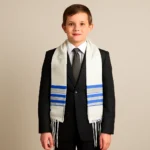
Attending a bar mitzvah is a meaningful milestone in a Jewish community, and choosing the right attire helps honor the family and the occasion. While the style guide can vary by community, synagogue, and venue, there are core principles that apply across contexts: respect, modesty, and a sense of ceremony. This article offers a practical, comprehensive guide to bar mitzvah attire for guests, with options for different levels of formality, seasons, and cultural practices. Whether you are a longtime attendee, a first-time guest, or shopping for a family member, you’ll find actionable ideas to dress in style while honoring tradition.
Below you’ll find variations of bar mitzvah attire for guests, organized to help you navigate dress codes, plan your outfit, and understand what is appropriate in different communities and venues. The goal is to provide clear guidance so you can feel confident, comfortable, and respectful from the ceremony to the reception.
Understanding the Dress Code: What “Formal,” “Smart,” and “Modest” Really Mean
Bar mitzvah attire is often described in broad terms like formal, semi-formal, or smart-casual, but the exact expectations depend on the community and location. Here are the key ideas to keep in mind:
Respect the venue: A synagogue or formal hall may call for more traditional attire, while a community center or outdoor venue could allow more relaxed options without sacrificing decency or dignity.
Modesty matters: In many Jewish communities, modesty guidelines (tzniut) apply. For women, this can mean covering shoulders and avoiding overly tight or short clothing. For men, it usually means a tidy appearance and a clean, conservative look. In Orthodox settings, these guidelines can be stricter and must be observed carefully.
Colors and fabrics: Darker, solid colors are commonly preferred for formal events, while lighter fabrics and colors can be suitable for daytime or warm weather. Fabrics like wool, wool blends, silk, and high-quality blends tend to look polished and are durable for long days.
Comfort and mobility: You may be seated for long portions of the ceremony or standing for parts of it. Choose outfits that allow you to sit comfortably, move without risk of wardrobe malfunctions, and stay comfortable in the climate.
When in doubt, consult the rabbi or event coordinators or refer to the invitation for hints about the appropriate level of formality. Some invitations explicitly state the dress code (for example, formal attire or business formal). If the invitation is not explicit, you can deduce the expected standard by considering the venue, the time of day, and the known practices of the family or synagogue.
When the bar mitzvah takes place in a synagogue, especially in Orthodox or Conservative communities, the attire should reflect the solemnity of the ceremony. The emphasis is on modesty, neatness, and respect for the sacred space. Guests often dress more formally for the ceremony and transition to slightly relaxed attire for the reception if it follows.
Menswear: A dark suit or a blazer with dress trousers, a collared shirt, and a tie is a classic choice. In some Orthodox settings, a suit and tie are expected; a blazer with dress pants may be acceptable in Conservative or Reform contexts, depending on the community norms. Ensure your shoes are polished and formal.
Womenswear: A knee-length or longer dress, or a dressy blouse with a skirt or dress pants. Sleeves at least to the elbow, or a modest cardigan or shawl over sleeveless tops, is common. Consider outfits with modest necklines and avoid sheer fabrics without coverage.
General tips: Bring a light cover for shoulders if needed, and be mindful of seating arrangements near the bimah (the pulpit) if you’re sitting close to the front. A subtle, respectful look often works best.
Reception or Community Center: Festive, Yet Polished
Many bar mitzvahs occur in hotels, ballrooms, or community centers where the vibe can be festive but still refined. The dress code often blends formality with comfort, particularly for long evenings.
Menswear: A dark suit with a tie is a safe and stylish option. If the event is daytime, a lighter wool or a blazer with dress pants and a collared shirt may suffice. For a more fashion-forward look, a tailored blazer with dress pants and a tie can strike the right balance.
Womenswear: A dress with a longer hemline or a dressy jumpsuit is appropriate. Consider fabrics that drape well and aren’t prone to wrinkling. Accessories like a statement necklace or elegant earrings can elevate the look without being overpowering.
Seasonal variation: In warmer months, lightweight fabrics such as linen blends or chiffon can work, while in cooler months, consider layered outfits—dress, cardigan or blazer, tights, and closed-toe shoes.
Outdoor or Casual Venues: Comfort with Respect
Outdoor celebrations or venues with a casual vibe may call for more relaxed but still respectful attire. The key is to maintain dignity and avoid anything too casual.
Menswear: Dress pants or smart chinos with a collared shirt; a lightweight blazer can be optional. A polo shirt might be too casual in some settings, so choose a refined button-down instead.
Womenswear: A knee-length or midi dress, or a stylish skirt and top, can be ideal. Avoid beachwear or athletic wear and keep fabrics and cuts modest.
Practical considerations: If it’s sunny, bring a small shawl or cardigan for the ceremony and consider breathable fabrics like cotton blends or light wool for comfort.
Seasonal and Climate Considerations
The time of year and the climate at your bar mitzvah destination influence what to wear. A thoughtful approach considers both comfort and tone.
Spring and fall: Transitional fabrics like lightweight wool, wool blends, and mid-weight suits. Dresses in medium-weight fabrics with sleeves are common, and layering helps accommodate fluctuating temperatures inside air-conditioned venues.
Summer: Lighter fabrics (lawn, cotton blends, lightweight crepe) in breathable colors. Men may opt for lighter-weight suits or a dress shirt with dress pants and a blazer; women may wear lighter dresses or dressy separates with modest hemlines.
Winter: Heavier fabrics (wools, tweeds) and darker palettes are often preferred for formal occasions. Add a tasteful coat or shawl for warmth and remove it indoors if appropriate.
Indoor climate control: Even in summer, some venues are heavily air-conditioned. Plan for a light layer in case you get chilly during the ceremony or early reception.
Gender-Inclusive and Cultural Considerations
Attire guidance can be inclusive, reflecting diverse family traditions and personal identities. Here are considerations for gender-inclusive and culturally aware dressing:
Nonbinary and gender-inclusive options: Look for outfits that are comfortable and suit the formality level without adhering to rigid gendered expectations. A well-cut suit, a unisex blazer and dress pants, or a dress that feels like a statement piece can all be appropriate choices depending on the venue.
Orthodox considerations: In Orthodox communities, men typically wear a kippah (yarmulke) and may be expected to wear a suit. Women may be required to cover hair after marriage and dress modestly (cover shoulders, avoid tight or revealing clothing). Follow the family’s guidance and, when in doubt, ask for specifics.
Conservative and Reform communities: Dress codes vary, but these communities often lean toward modesty and a neat, polished look without strict requirements on head coverings, unless indicated by the family or venue.
Practical Tips and Etiquette for Guests
Beyond choosing the right outfit, there are practical etiquette considerations that help you be a considerate guest at a bar mitzvah.
RSVP and timing: Confirm attendance and ask about any specific attire guidance if available. Arriving a bit early shows respect for the ceremony’s schedule.
Covering up: If you’re wearing sleeveless or low-cut attire, consider a shawl, bolero, or cardigan to cover shoulders during the ceremony, especially in more formal or traditional settings.
Accessories: Subtle jewelry, a nice belt, and classic shoes can elevate an outfit without drawing undue attention. Steer clear of overly flashy or loud accessories unless the event’s style explicitly encourages it.
Footwear: Choose comfortable, well-fitted shoes. You may be standing for long portions of the ceremony, followed by a reception where you’ll be on your feet again.
Color considerations: While there are no universal prohibitions on color, some people avoid white (to respect the host’s attention to the guest of honor) or very bright neon tones, opting instead for timeless colors like navy, charcoal, burgundy, emerald, or blush hues.
Attire by Family Preferences and Event Structure
The most important factor is aligning with the family’s preferences and the event’s structure. Many families share expectations on their invitations or through the event planners. Here are common structures and corresponding attire guidance:
Ceremony-only events: If you attend only the ceremony and do not plan to stay for a reception, you should opt for a higher level of formality (for men: suit and tie; for women: modest dress or dressy suit).
Ceremony plus reception: It’s typical to dress formally for the ceremony and slightly relax for the reception, while remaining tasteful and respectful. A well-chosen blazer or wrap can help with this transition.
Breakfast or daytime events: Bold colors and lighter fabrics can work for daytime ceremonies, but maintain modesty and formality appropriate to the setting.
Evening events: Evening affairs usually call for more formal ensembles, such as darker suits, dressy gowns, or elegant separates in rich fabrics like satin or lace accents.
Sample Outfit Plans: Ready-to-Wear Ideas for Guests
To make planning easier, here are several ready-to-wear outfit plans you can adapt based on your comfort, budget, and the community’s expectations. Each plan emphasizes modesty, respect, and style while offering practical options for different ages and preferences.
Plan A: Classic Formal (Men, Evening Ceremony)
Suit: Dark navy or charcoal two-piece suit
Shirt: Crisp white or pale blue dress shirt
Tie: Solid color or subtle pattern (e.g., navy, burgundy)
Outfit: Tailored pantsuit or a refined blouse with a midi skirt, ensuring the silhouette feels comfortable and dignified
Footwear: Comfortable dress shoes or heeled sandals with support
Layering: Lightweight blazer or cardigan for modesty or temperature control
Plan E: Outdoor or Seasonal Flexibility
Menswear: Dress pants with a breathable blazer or a dressy polo under a structured jacket (depending on formality)
Womenswear: A dress with a breathable fabric (crepe, chiffon) or a dressy jumpsuit; add a lightweight scarf or cardigan for coverage
Footwear: Comfortable, closed-toe shoes suitable for grass or uneven terrain
Common Mistakes to Avoid
Even with the best intentions, guests can slip into outfits that feel off for the occasion. Here are frequent missteps to avoid, along with quick fixes:
Overly casual looks: Avoid athletic wear, jeans, T-shirts, or sneakers in synagogue settings or formal receptions.
Too revealing or overly tight clothing: Prioritize modesty, not only for tradition but out of respect for the ceremony and the bimah.
Clashing with the event’s mood: If the invitation sounds formal, err on the side of formal attire; if it’s a more relaxed celebration, you can dial it back slightly but keep it polished.
Inappropriate accessories: Large logos or loud jewelry can distract from the event. Aim for understated elegance.
Seasonal discomfort: Forgetting to consider climate can ruin the day; choose fabrics and layers that work for the weather and the venue’s air conditioning.
Shopping and Budgeting: Smart Choices for Every Wallet
Bar mitzvah shopping doesn’t have to be intimidating or expensive. Here’s how to plan a wardrobe that fits your budget while staying stylish and respectful:
Rentals: For a one-off event, consider renting a formal suit or dress. This can be a cost-effective way to access high-quality pieces.
Mix-and-match: Build a capsule wardrobe where a few versatile pieces (like a blazer, a dress, and a pair of trousers) can be mixed for multiple events.
Quality over quantity: If buying new, invest in a couple of well-made pieces (a suit or a dress in a classic cut) that can be worn again for other occasions.
Alterations: A simple tailoring job can dramatically improve fit and appearance. Don’t underestimate the impact of proper tailoring.
Where to shop: Look for department stores’ formal wear, specialty boutiques, or online retailers with easy return policies to manage fit and style choices.
Putting It All Together: Quick Checklists for Your Outfit
Use these concise checklists to ensure your outfit meets the event’s expectations without micro-managing every detail:
Before you buy: Check the invitation for any dress code hints; consider the venue, time of day, and community norms.
Before you wear: Ensure your clothes are clean, pressed, and free of wrinkles. Test comfort by sitting and standing for extended periods.
During the ceremony: Dress modestly, keep phones on silent, and avoid loud behavior or fashion statements that divert attention from the honorees.
During the reception: Be mindful of photos, dancing norms, and any cultural or religious cues that may happen during the event. Join in respectfully and celebrate the moment.
Final Thoughts: Respectful Style for a Meaningful Occasion
Choosing bar mitzvah attire is about balancing style and respect. By aligning with the family’s traditions, honoring the rituals, and selecting outfits that are comfortable and appropriate for the venue, guests help create a warm, celebratory atmosphere. The goal is for everyone to feel confident, dignified, and ready to celebrate this milestone with the honorees and their community.
Remember that fashion serves the moment: a bar mitzvah is a sacred and joyous occasion. While you should look your best, the most important aspect is your presence—your participation in singing, dancing, and congratulating the bar mitzvah boy and his family. With thoughtful planning and a respectful mindset, you’ll arrive looking stylish and leave with a sense of having contributed to a special and lasting memory.