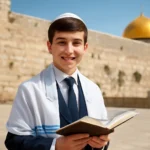
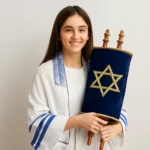
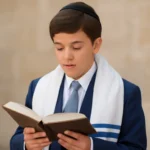
A Bar Mitzvah marks a Jewish boy’s coming of age at approximately 13 years old. When families plan a Bar Mitzvah in Israel, they often combine religious ceremony, familial celebration, and an immersive experience in the Jewish state. This guide uses the term Israel Bar Mitzvah interchangeably with Bar Mitzvah in Israel, Israelite Bar Mitzvah, and Bar Mitzvah travel to Israel to reflect the breadth of possibilities. Whether you envision a traditional Orthodox ceremony, a modern or Reform-friendly service, or a more contemporary, hotel-based celebration, Israel provides a unique backdrop—holy sites, vibrant cities, and a landscape that has shaped Jewish identity for millennia.
Planning a Bar Mitzvah in Israel is not only about the ceremony itself. It is about a meaningful ritual within a country that holds deep religious significance for the Jewish people, while also offering modern amenities, accessibility, and a wide range of educational opportunities for guests. This complete guide will outline practical steps, considerations for different denominations, and a practical road map to help you design an event that respects tradition and creates lasting memories.
Why choose an Israel Bar Mitzvah?
There are several compelling reasons families choose to hold a Bar Mitzvah in Israel:
Spiritual resonance: The land of Israel offers a powerful backdrop for Jewish learning, prayer, and connection to historical sites and sacred spaces.
Educational opportunities: Many families pair the ceremony with guided tours, biblical history excursions, and Hebrew language immersion experiences.
Logistical convenience: For families living in North America or Europe, Israel can serve as the focal point of a larger family trip, combining travel with a milestone.
Cultural breadth: It can accommodate a range of religious expressions—from traditional to progressive—within the Israeli context.
Guest experiences: Attending a ceremony in Israel becomes a memorable trip for relatives and friends, often incorporating local cuisine, markets, and cultural experiences.
Getting started: early planning considerations
The early phase of planning is foundational. It involves clarifying religious expectations, budgeting, selecting a date, and arranging the learning framework for the Torah portion or haftarah portion. A successful Israel Bar Mitzvah hinges on clear communication between family members, the local rabbi, and the venue.
Define the ceremony style and denomination
In Israel, you may encounter a spectrum of denominations and styles. Common options include:
Orthodox or Modern Orthodox ceremonies, often conducted in a synagogue or at the Western Wall complex with specific guidelines.
Conservative or Masorti ceremonies, which balance tradition with contemporary practice.
Reform or Progressive ceremonies, which may offer greater flexibility in liturgy, gender roles, and formatting.
Private venue ceremonies in hotels or resorts, with arrangements that reflect the family’s preferences while respecting Jewish law as interpreted by the chosen rabbi.
Planning timeline: practical milestones
A well-structured plan reduces stress and helps ensure ceremonies occur smoothly. The following milestones serve as a flexible framework adaptable to your timeline.
12–18 months out: Decide on date ranges (seasonal windows in Israel, school holidays, and Shabbat calendar). Identify the desired ceremony venue (Western Wall, synagogue, hotel ballroom, or outdoor site). Begin conversations with a rabbi or rabbinic authority in Israel or the family’s synagogue to discuss feasibility and requirements.
9–12 months out: Confirm the orientation of the ceremony (Orthodox, Conservative, Reform) and start a budgeting plan. If you choose the Western Wall or a major temple in Israel, you’ll need to secure approvals and coordinate with the institution well in advance.
6–9 months out: Hire key vendors (rabbinic/ceremonial leader, photographer/videographer, caterer if needed, and a planner if desired). Begin mapping the Torah portion or haftarah selection, and arrange learning sessions for the honoree with a tutor or mentor in Israel or remotely.
3–6 months out: Send save-the-date communications to guests, reserve accommodations, coordinate airport transfers and local transportation, and discuss dietary needs and kosher supervision for events in Israel.
1–3 months out: Finalize the guest list, confirm the ceremony timetable, verify the legal or ritual requirements with the rabbinic authority, and rehearse the ceremony with the family and any participants.
Last weeks: Prepare a logistical plan for the day, including backups for weather, translations (if needed), and contingency for guests’ health or travel delays. Prepare memory items or a charity project in Israel if you plan to include tzedakah elements.
Ceremony venues and formats in Israel
The setting of a Bar Mitzvah celebration in Israel shapes the ceremony’s mood and logistics. Below are common formats with their respective considerations.
Western Wall and Old City options
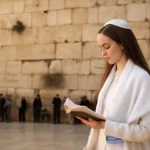
The Western Wall (Kotel) remains an iconic stage for a Bar Mitzvah in Israel. If you pursue this option, you typically work with the Western Wall Heritage Foundation or with a rabbi who coordinates with them. Considerations include the ceremony’s timing, separation of sexes in certain sections, dress code, security procedures, and the need for advance submission of the ceremony request.
Location choices: the main Wall area, or rooftops/alternative spaces with views of the Wall (via approved channels).
Guidelines: modest dress, respect for prayer, and adherence to clan-specific rules.
Logistics: transportation for guests, translation services if needed, and photography permissions.
Synagogue-based ceremonies in Israel
A ceremony conducted in a synagogue—whether in Jerusalem, Tel Aviv, or another city—offers a familiar framework for many families. A rabbi or cantor leads the service, and the pieces of the ceremony (torah reading, blessings, and aliyot) follow a traditional flow tailored to the denomination.
Space: a dedicated synagogue hall, with seating for family and guests.
Customization: liturgy, commentaries, and a possible family speech or a community welcome.
Accessibility: some synagogues offer livestreaming or recorded portions for guests who cannot attend in person.
Hotel or resort venues
A hotel or resort can provide an all-in-one experience, combining the ceremony with reception, meals, and accommodations. This option is particularly attractive for multi-generational guests, families with young children, or travelers who prefer a centralized event.
Coordination: work with both the hotel’s event team and a rabbinic authority to align on ritual needs and kosher supervision.
Flexibility: easy to arrange a post-ceremony dinner or brunch as part of a larger itinerary.
Logistics: consider proximity to airports, parking, and accessibility for older relatives.
Outdoor and historic-site ceremonies
Some families opt for outdoor ceremonies near the Dead Sea, in the Galilee, or along the Mediterranean coast, which can offer spectacular backdrops. When planning outdoor or historic-site ceremonies, verify permissions, weather contingencies, and noise ordinances. Some sites require special permits or limits on ceremony length.
Weather contingency: plan for shade, shelter, or indoor backup space.
Permissions: ensure you have the right approvals for hosting a ceremony at or near the site.
Experience: consider options to integrate a short educational moment about the site’s history into the program.
Preparing the honoree: Torah portion, melodies, and study
A central element of a Bar Mitzvah is the honoree’s preparation. Whether in Israel or abroad, the child typically reads a Torah portion and, depending on tradition, may Haftarah or participate in other ceremonial elements. In Israel, you may have more opportunities to study with local tutors, rabbis, or youth programs designed to support the honoree.
Choosing the Torah portion and Haftorah
The chosen Torah portion should be a portion that resonates with the family, is age-appropriate for the honoree, and aligns with the synagogue or venue’s liturgical plan. In some communities, the Rabbi may suggest a portion with specific connections to Israel’s geography or history to enrich the experience.
Practice plan and study resources
A structured practice plan helps a Bar Mitzvah candidate gain confidence:
Weekly practice sessions with a tutor or cantor.
Two to four practice readings per week, including tracts of the Torah, trope (cantillation marks), and cadence for the aliyot.
Haftarah practice if required by the denomination.
Pronunciation guidance and rhythm coaching, especially for Hebrew fluency.
Incorporating a meaningful project or tzedakah
Many families weave a charitable component into their Israel Bar Mitzvah. A mitzvah project might involve a donation or service project in collaboration with a local organization in Israel, such as a youth program, a community center, or a charitable initiative the honoree selects.
Travel planning: logistics for families and guests
An Israel Bar Mitzvah often doubles as a family trip. Travelers should plan for flights, airport transfers, internal travel, and a balanced schedule that allows rest between events.
Flight and arrival considerations
The primary international gateway to Israel is Ben Gurion Airport (TLV). Considerations include:
Direct flights from major hubs (North America, Europe) vs. connections; plan long layovers if needed for older guests or young children.
Airport transfer options to hotels or venues—private vans or group coaches are common for large parties.
SIM cards or mobile plans for guests to stay connected during their stay.
住宿与区域建议
Israel offers diverse neighborhoods and hotel options. When selecting accommodations:
Choose a central base if the ceremony is in Jerusalem, Tel Aviv, or a major city to minimize travel time.
Consider family-friendly hotels with kosher kitchens, elevator access, and flexible dining schedules.
Coordinate with the venue for guest transportation and parking arrangements.
Local transportation and timing
Plan for the days surrounding the ceremony:
Shuttle schedules between hotels, ceremony venues, and meals.
Childcare options for younger guests during long events (if needed).
Time buffers for security checks and religious observance requirements at certain sites.
Harmonizing religious observance with hospitality
In Israel, you can align the ceremony with hospitable, inclusive planning. This means arranging kosher catering, accommodating dietary restrictions, and respecting Sabbath norms if the event falls on or around Shabbat.
Kosher supervision and dietary planning
Whether you’re hosting in a hotel, synagogue, or outdoor venue, ensure that meals meet kosher standards. This often involves supervision by a local rabbi or mashgiach and coordination with caterers regarding glatt kosher options, dairy/pareve meals, and dairy-free alternatives.
If your Bar Mitzvah in Israel intersects with Shabbat or Jewish holidays, you’ll need to plan accordingly. In many communities, Friday evening and Saturday daytime services may be more restricted in certain spaces, and some venues close or adjust services on holidays like Passover or Sukkot. Your rabbi and venue coordinator can help you navigate these constraints and optimize the itinerary.
Budgeting: budgeting and vendor coordination
A well-structured budget ensures you can realize the expected experience without compromising essentials. The costs for an Israel Bar Mitzvah vary by venue, denomination, guest count, and the scope of activities surrounding the ceremony.
Typical cost categories
Rabbinic/officiant fee and related ceremonial coordination.
Venue rental (synagogue, Western Wall complex, hotel ballroom, or outdoor site).
Photographer and videographer to capture the moment and the surrounding experience.
Catering and kosher supervision for receptions, meals, and snacks.
Transportation for guests, including airport transfers and local shuttles.
Accommodation for out-of-town guests, possibly bundled with the ceremony package.
Entertainment and program materials, such as scripts, music, and translations if needed.
Sample budgeting framework
Basic ceremony package (venue + rabbinic coordination): a baseline figure that can vary by city and venue.
Reception and meals: allocate per-person costs, with adjustments for children discounts and specialty menus.
Photography: consider one or two shooters for ceremony and reception.
Contingency fund: set aside 10–15% of the total budget for unforeseen expenses.
Logistics for attendees: invitations, accessibility, and inclusivity
A smooth guest experience hinges on thoughtful invitations, clear communication, and accessibility considerations. In the context of an Israel Bar Mitzvah, you’ll want to inform guests about the ceremony format, dress code, travel tips, and day-by-day itinerary.
Invitations and program materials
When designing invitations for an Israel Bar Mitzvah, consider including:
Date, time, and venue of the ceremony, including a map or directions.
Suggested arrival window, with notes on Sabbath or holiday observances if relevant.
A brief overview of the Bar Mitzvah program, including the Torah portion and any special activities.
RSVP instructions and accommodation options for out-of-town guests.
Accessibility and inclusivity
In planning, consider accessibility for elderly attendees, families with strollers, and guests with mobility concerns. Some venues offer accessibility features, while others may require advance arrangements with the venue staff.
Practical checklists and planning templates
Below are practical checklists to keep you organized as you plan the Israel Bar Mitzvah journey.
Ceremony logistics checklist
Confirm ceremony format (Orthodox, Conservative, Reform) with rabbinic authority.
Secure the ceremony venue and obtain written confirmation of availability and rules.
Arrange music, readings, and any family speeches.
Plan aliyot and Torah readings with the honoree and tutor.
Coordinate recording and photography permissions with the venue.
Travel and lodging checklist
Book flights and secure group rates if possible.
Reserveaccommodations for guests, with options at various price points.
Arrange airport transfers and local transport in Israel.
Provide guests with a clear day-by-day itinerary, including the ceremony, meals, and sightseeing.
Memory items and post-event considerations
Prepare a keepsake or memento from the Bar Mitzvah day, such as a program, photos, or a charity donation receipt.
Consider a brief post-event gathering, brunch, or a light reception to wrap up the celebration.
Religious and cultural considerations: navigating diversity in Israel
Israel is a diverse country with a spectrum of Jewish practice and identity. While planning a Bar Mitzvah in Israel, you’ll encounter a variety of expectations and traditions across communities.
Denominational differences and expectations
Orthodox expectations may center on traditional liturgy, gender-appropriate roles, and devotion to halachic norms. Conservative and Masorti communities may accommodate a broader range of liturgical practice, with emphasis on education, community involvement, and a balanced approach to ritual. Reform or Progressive communities might offer more flexible liturgical options and a more egalitarian framework for participants.
Depending on the denomination and venue, the participation of boys, girls, and family members differs. Discuss these expectations early in the planning process to ensure the ceremony aligns with your family’s values and the rabbinic authority’s guidelines.
Respect for sacred spaces
When hosting a Bar Mitzvah in or near sacred sites, it is essential to respect the rules of each space. This includes dress codes, behavior during prayer, and reverence for the place’s unique significance.
Q: Can a Bar Mitzvah take place at the Western Wall?
A Bar Mitzvah can take place at the Western Wall through the Western Wall Heritage Foundation or a coordinating rabbi. Availability is limited and requires advance planning, including security arrangements and adherence to site guidelines.
Q: Do we need a minyan for the ceremony?
Traditional readings often require a minyan for certain parts of the service. If your plan depends on a minyan, arrange for a local community or synagogue to provide a suitable number of adult worshipers during the ceremony window.
Q: Is a Bar Mitzvah possible for a family with both Orthodox and non-Orthodox members?
Yes. Some families opt for a hybrid approach—holding the formal, rabbinic ceremony under a specific denomination, while hosting separate cultural or reception events that accommodate other traditions and family members.
Q: What is the best time of year to plan a Bar Mitzvah in Israel?
Israel’s climate varies by season. Spring (March–May) and autumn (September–November) offer comfortable weather and abundant daylight. Summer can be hot in some areas, while winter is mild in the central regions but cooler in Jerusalem and higher elevations.
Conclusion: creating a meaningful Israel Bar Mitzvah
An Israel Bar Mitzvah is more than a rite of passage. It is a chance to connect a young person with Jewish history, language, and faith within the context of the modern Jewish state. By combining careful planning, clear communication, and a respectful approach to religious practice, families can craft an experience that honors tradition while embracing the opportunities of a trip to Israel. Whether you call it a Bar Mitzvah in Israel, an Israelite Bar Mitzvah, or a Bar Mitzvah travel to Israel, the core goal remains the same: to celebrate a milestone with family, educate the next generation, and build lasting memories in a land full of meaning.
If you need personalized guidance, consider consulting a Jewish travel planner or a rabbi who specializes in Bar Mitzvah planning in Israel. They can help tailor a schedule that honors your traditions, fits your budget, and creates a serene, joyful, and spiritually uplifting experience for the honoree and all attendees.