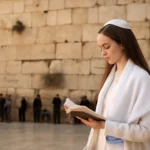
The question when does a boy become a bar mitzvah sits at the intersection of
ritual tradition, communal practice, and personal family milestones. For many families, the
age at which a boy becomes a bar mitzvah age marks not only a
coming-of-age ceremony but also the moment when a child is recognized as taking on
certain religious responsibilities within the Jewish community. In this article, we explore
the concept of age for Bar Mitzvah, how it has been defined across time and
denominations, and what families can expect as they plan for this important rite of passage.
What is a Bar Mitzvah?
The term bar mitzvah literally means “son of the commandment.” In traditional
Jewish law, a boy is considered obligated in the commandments (mitzvot) at the age of thirteen, and this milestone is celebrated with a ceremony that often includes
reading from the Torah and leading parts of a synagogue service. The bar mitzvah marks a
transition from childhood to a stage when the individual is expected to accept
religious responsibilities and participate more fully in communal worship.
In many communities, the bar mitzvah ceremony is a public affirmation of this new status.
A typical day may include:
Aliyah to the Torah and the boy’s formal reading of a Torah portion
A Haftarah portion (from the Prophets) or a related reading
Reciting blessings and leading certain prayers
Receiving congratulations from family and guests, often with a reception to celebrate
It is important to note that the concrete practices surrounding the bar mitzvah can vary
substantially by community, synagogue, and denomination. Some communities emphasize a
public Torah reading as a central rite, while others may foreground the study and
understanding of mitzvot, lessons in Hebrew, or the boy’s commitment to serve the
community in various roles.
The Traditional Age: Why 13 Is Central
The standard age most commonly associated with the bar mitzvah is thirteen
years old. This age is derived from traditional Jewish legal literature and has
been the baseline for centuries of practice. At this age, a person is regarded as fully
accountable for observing the Commandments in the synagogue and in daily life.
In many parts of the world, the bar mitzvah age is not just a number, but a
developmental milestone. It is a time when a family begins to see a child transition into
adulthood within the framework of Jewish tradition. The age of thirteen is commonly tied to
cognitive and emotional readiness for assuming certain religious responsibilities, such as
reading from the Torah and participating in communal worship as a recognized member of the
congregation.
Age Variations by Denomination and Community
Jewish practice is diverse, and the concept of Bar Mitzvah age is not uniform
across all streams. Here is a concise look at how the age is handled in different
traditions:
Orthodox Communities
In Orthodox communities, the standard practice is to celebrate the bar mitzvah at
age 13. The ceremony typically includes a formal Torah reading and is treated
as the boy’s entry into formal religious obligations. Early preparations often begin well
before the actual date, sometimes starting in the preceding year with Hebrew study, Torah
cantillation, and practice reading.
Conservative Communities
Conservative synagogues generally adhere to a similar age framework, with many boys becoming
bar mitzvah at thirteen as a standard. Nevertheless, there can be flexibility
in some communities to accommodate developmental readiness and family circumstances. The plan
often includes formal study, Torah reading, and a service that reflects the values of the
Conservative movement’s approach to halacha (Jewish law) and modern Jewish life.
Reform and other liberal streams commonly celebrate the bar mitzvah at age thirteen as
well, but they may offer more options for younger or older youths to participate. Some Reform
communities have introduced earlier preparation programs for a “pre-bar mitzvah” period in the
late elementary grades, and others focus on a person’s individual readiness, including
participation in services, Torah study, and community service. In many Reform contexts, a girl
may also have a Bat Mitzvah at roughly the same age, with corresponding ceremony and learning
goals.
Reconstructionist and Other Perspectives
In Reconstructionist communities, as in many other modern-era Jewish settings, age may be treated
with greater flexibility to align with personal development, family goals, and community
norms. The emphasis is often on education, meaningful participation in the service, and
demonstrating a commitment to mitzvot and Jewish life—whether the formal milestone is pegged at
the traditional age of 13 or adjusted based on readiness.
Global and Local Variations in Practice
While the traditional bar mitzvah age is widely recognized as 13, there are
practical differences from one locale to another:
Some communities schedule the ceremony on or near the child’s thirteenth birthday,
while others may select a nearby weekend or holiday to accommodate family travel, school
calendars, and synagogue programming.
In Israel, where religious practice is integrated into daily life, the bar mitzvah tradition is
widely observed at 13, but families may choose to coordinate with school calendars
or local rabbinic guidance to align religious education with national holidays and community
routines.
For families with mixed religious backgrounds or interfaith considerations, the timing may be
chosen to reflect both Jewish and non-Jewish schedules, making the date less about a fixed
number and more about readiness and inclusion.
Beyond 13: Exceptions, Delays, and Special Circumstances
The idea of a strict bar mitzvah age at 13 does not preclude exceptions. Some families
encounter unique circumstances that lead them to adjust timing:
Medical or personal reasons that require postponement for the benefit of the child.
Educational readiness—if a child needs more time to study Torah portions or Hebrew
for cantillation, postponement may be chosen to ensure a meaningful experience.
Family logistics—travel, work, or other commitments may influence the scheduling of the
ceremony.
Nontraditional paths—some families elect to commemorate the milestone in a non-ritual
way within a synagogue program or community project, still conveying the sense of a Jewish
coming-of-age without a formal aliyah to the Torah on that exact date.
Pre-Bar Mitzvah Education: Preparation and Readiness
The lead-up to the bar mitzvah is often as important as the event itself. A structured
education plan helps ensure that the child understands the responsibilities associated with the
milestone and feels comfortable participating in services and mitzvot.
Key components of bar mitzvah preparation
Hebrew literacy and basic cantillation for Torah and Haftorah reading
Understanding the haftorah and the Torah portion chosen for the day
Learning about the day’s prayers, blessings, and the structure of the service
Discussing the responsibilities that come with the new status, including ongoing study and
community participation
Participating in mitzvah projects or community service to embody the spirit of the
commandments
Some families begin formal study years in advance, while others initiate a more focused
preparation in the year leading up to the ceremony. Regardless of the approach, the aim is to
cultivate meaningful engagement with Jewish texts, prayer, and community life. This is why many
rabbinic mentors emphasize not just the mechanics of reading Torah, but also the
experiential learning: explaining why certain prayers exist, what the Torah portion teaches,
and how the mitzvot apply in contemporary life.
Planning a bar mitzvah is a collaborative process that involves families, clergy, and the
synagogue’s educational staff. The following practical steps can help families manage expectations
and create a memorable, meaningful experience.
Consult your rabbi or spiritual leader early to determine the expected age range, study
requirements, and the format of the service in your community.
Decide on the date and venue, keeping in mind school schedules, family travel, and
the rhythm of the liturgical calendar.
Choose a Torah portion and the Haftarah readings, in consultation
with the rabbi and tutor, ensuring the material aligns with the child’s abilities.
Develop a study plan that fits the child’s schedule, including Hebrew instruction, cantillation
practice, and theological reflection on the responsibilities of mitzvot.
Coordinate with family and guest speakers about symbolic elements (yichud considerations, aliyah
sequences, honors for family members) and the tone of the service.
Plan the post-ceremony celebration with sensitivity to budgeting, dietary laws (kashrut), and
accessibility for all guests.
It is also helpful to remember that a bar mitzvah is not only a single day but a process of
growth. Families often find that the weeks and months leading up to the ceremony are a time of
discovery, questions, and shared learning, which can deepen familial bonds and strengthen
connections to Jewish tradition.
The bar mitzvah can be seen as a communal milestone as well as a personal
achievement. In many communities, the event serves as:
A public affirmation of belonging to the Jewish people and its ongoing life
An opportunity for a youth to contribute to the service and, sometimes, to lead portions of the
prayer with proper guidance
A chance for families to connect with elders, educators, and peers who support the child’s
Jewish growth
A moment to undertake a mitzvah project, reinforcing the idea that mitzvot are not merely
ceremonial obligations but acts of ethical responsibility toward others
Across communities, the age for Bar Mitzvah remains a widely observed
milestone, but the ways in which it is celebrated and the depth of preparation can vary. Some
families emphasize the formal liturgical elements, while others place greater emphasis on
community service, learning, and a more experiential approach to Jewish life.
While this article centers on the male rite, it is important to acknowledge that many families
also prepare girls for a Bat Mitzvah. In many traditions, a Bat Mitzvah occurs at
age 12 or 13, depending on the denomination and local custom. The Bat Mitzvah
mirrors the Bar Mitzvah in its underlying principle: a girl’s acceptance of certain religious
responsibilities and active participation in the life of the synagogue. In some modern
communities, girls begin formal study at an earlier or later age to align with family and
educational goals. The key idea is that both Bar and Bat Mitzvahs reflect a committed
engagement with Jewish law, study, and communal life.
Below are answers to questions frequently asked by families considering a bar mitzvah for their son.
Q: What is the minimum age for a bar mitzvah? A: The traditional minimum age is 13 years
old, though some communities may begin preparation in the years preceding the milestone.
Q: Can a bar mitzvah be held earlier if the child is ready? A: Different rabbinic authorities and synagogues
may permit earlier measures or different formats of participation, but the formal bar mitzvah
day often remains at 13.
Q: Is a bar mitzvah the same as becoming a man? A: In Jewish tradition, it marks the point at which the boy assumes
religious responsibilities within the community, but it does not imply immediate or complete
adult status in every sense. It is a meaningful transition, often accompanied by continued
growth and learning.
Q: Do Reform communities always celebrate at age 13? A: Most do, but Reform communities are more likely to
offer flexibility and individual readiness as part of their approach to bar and bat mitzvah
education.
Q: What should families consider when choosing a date? A: Consider school calendars, family travel,
the availability of teachers and tutors, and the synagogue’s service schedule to ensure the
day feels special and achievable for the student.
For many families, the timing of the bar mitzvah is guided by a combination of tradition and
practical considerations. The age for Bar Mitzvah is a useful baseline, but the
right moment for a particular child often comes down to readiness in several domains:
Academic readiness and the ability to study Torah, cantillation, and prayers with
confidence
Spiritual readiness to understand the responsibilities that come with mitzvot and
to participate respectfully in synagogue life
Family readiness to organize reading portions, practice at home, and host a
meaningful event
Community expectations and the willingness of the rabbi, educator, and synagogue
leadership to guide the participant through the process
Some families find it helpful to begin with smaller steps much earlier—attending services, learning
basic Hebrew, and practicing a portion of Torah or Haftorah—while the full ceremony unfolds a
year or more later. In other cases, a single, focused year of preparation may be ideal to
balance school, sports, and other commitments. The central idea is to align the age timeline with
genuine growth and to honor the family’s values and goals.
Contemporary Jewish communities strive to be inclusive of diverse backgrounds,
family structures, and levels of prior exposure to Jewish learning. This means that the plan
for a bar mitzvah may accommodate first-generation learners, families returning to synagogue
life after a stretch, or youths who wish to formalize their Jewish identity in new ways.
In inclusive planning, you may encounter options such as:
Alternative dates that still honor the bar mitzvah age requirement while fitting family
schedules
Modified learning tracks that pair Hebrew language instruction with general education or
contemporary Jewish ethics
Multiple generations involved in the ceremony, highlighting mentorship, family stories, and
community memory
Community service projects as a core component of the bar mitzvah journey, connecting
spiritual growth with real-world impact
While the classic benchmark for the bar mitzvah remains the thirteenth birthday, the
most important question is not merely “how old” the child is, but “how ready” the child is to
assume a voice within Jewish life. A well-planned bar mitzvah embodies the values of
education, community, and responsibility. It is a doorway to deeper study, sustained
participation in prayer, and ongoing engagement with the Jewish people.
For families presenting a child with the bar mitzvah opportunity, the journey is as
important as the event itself. The preparation period can strengthen family bonds, reinforce
Jewish identity, and instill a lifelong habit of learning and service. Whether the bar mitzvah age is
observed precisely at 13 or approached with thoughtful flexibility in a given
community, the ultimate goal remains consistent: to celebrate a meaningful commitment to Jewish life.
If you are currently planning a bar mitzvah—or if you are exploring the idea for a future year—
consider speaking with a local rabbi or educator who can tailor guidance to your
community’s customs, your family’s goals, and the unique strengths of the child. The age for Bar Mitzvah is a
powerful milestone, but it serves best when paired with depth, intention, and a sense of shared
purpose within the wider fabric of Jewish life.