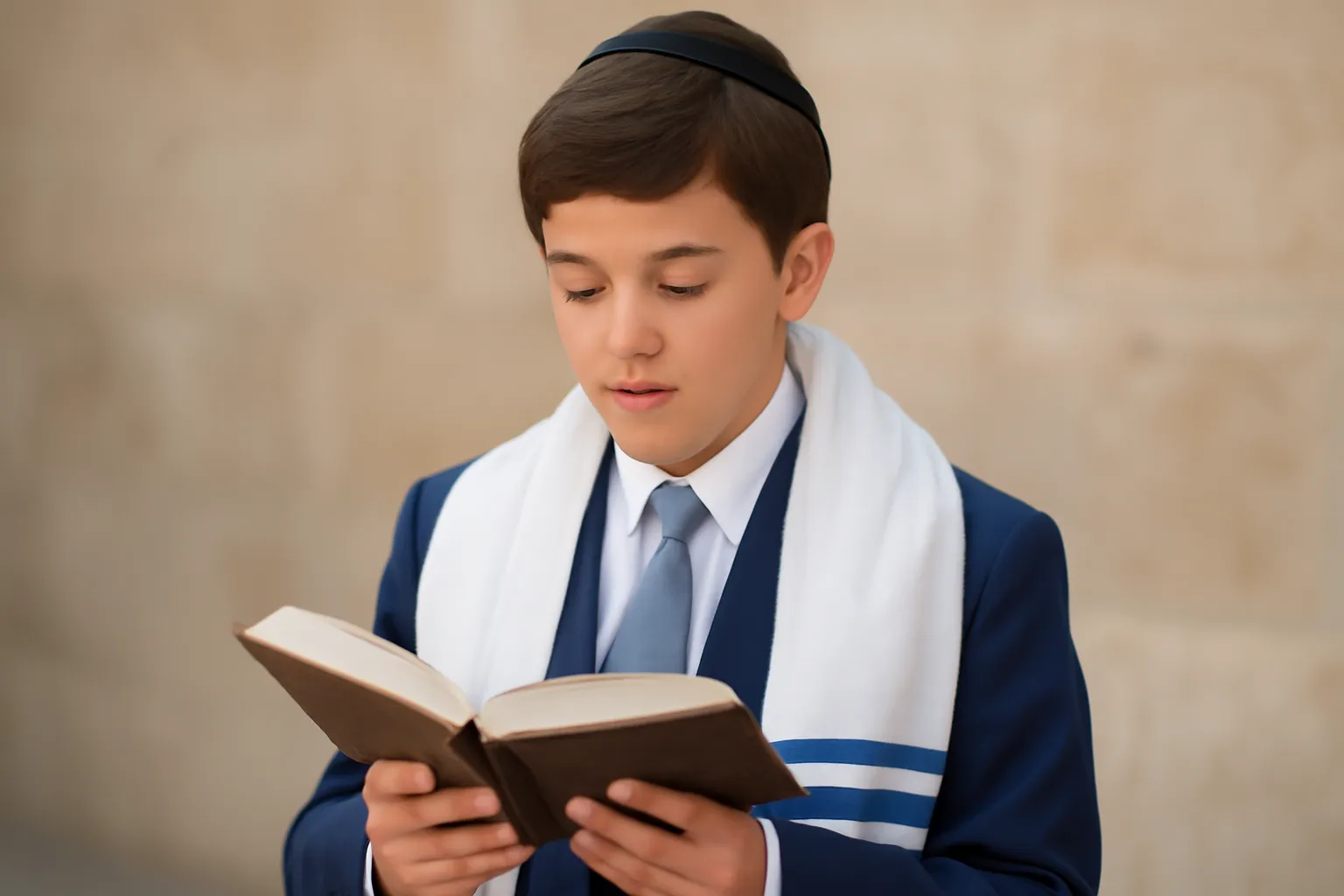
Becoming a Bar Mitzvah marks a turning point in a Jewish boy’s life and in a Jewish community’s rhythm. It is often described as a rite of passage that signals the transition from childhood to adulthood in the religious sense. This ceremony is not only a personal milestone; it is also a communal recognition that the youngster is now responsible for observing Jewish law and participating in worship as an adult member of the congregation. The path to this moment—sometimes called turning thirteen, sometimes described as the coming of age, and sometimes framed as an initiation into taking on more meaningful mitzvot (commandments)—varies by denomination, synagogue, and family tradition. The purpose of this guide is to outline what the ceremony is, how families prepare for it, what the experience typically involves, and how to approach the process with clarity, intention, and joy.
Across communities, the phrase becoming a bar mitzvah may emphasize different elements. Some families highlight the Torah portion and the haftorah readings, others emphasize the public prayers that the young person leads, and still others stress the seudah mitzvah—a celebratory meal that follows the ceremony. No single template fits every family, but there are core elements that tend to recur: preparation, learning, community participation, and a ceremony that publicly marks the moment at which a child is invited to assume a more adult role within Jewish life.
The term Bar Mitzvah translates from Hebrew as «son of the commandment.» It denotes the moment when a boy is believed to have reached the age at which he bears personal responsibility for observing the commandments in daily life and within Jewish ritual. In many communities, a bar mitzvah ceremony includes the boy’s public recitation of his Torah portion and often the haftorah, along with leading certain prayers and blessings. In Orthodox circles, this is an especially formal recognition of adult religious obligations; in Conservative, Reform, and Reconstructionist congregations, there may be additional or alternative forms of participation and blessing.
While the central ritual is the reading from the Torah, becoming a bar mitzvah also embodies a broader sense of responsibility: a commitment to study, to community service, to ethical conduct, and to contributing to the life of the synagogue. The ceremony therefore functions on multiple levels—as a personal milestone, a family celebration, and a public commitment to Jewish life.
Throughout this guide you will see how the idea of becoming a bar mitzvah can be approached from several angles: historical context, religious meaning, practical steps for preparation, ceremonial structure, and inclusive possibilities that reflect modern diversity in Jewish practice.
Historical and cultural context
The bar mitzvah tradition grows out of centuries of Jewish life that emphasized education, communal participation, and ritual accountability. Historically, Jewish boys began formal study in adolescence, learning Hebrew, the prayers, and the laws that govern daily life. The ceremony emerged as a public demonstration that the individual has internalized these responsibilities. In medieval and early-modern times the ritual might have involved apprenticeship within the yeshiva or synagogue, but in contemporary practice the bar mitzvah is commonly a structured, year-long or multi-month learning journey culminating in a public rite.
In different movements—Orthodox, Conservative, Reform, and others—the ceremony reflects how communities interpret the balance between tradition and modern life. Some communities emphasize strict cantillation and precise Hebrew reading, while others emphasize active participation in service, a Dvar Torah (a short speech), or a contribution to the community through volunteering. Regardless of these variances, the fundamental aim remains to affirm a young person’s role in Jewish life and to involve the broader family and congregation in that commitment.
Eligibility, age, and readiness
The standard age for a bar mitzvah in most communities is 13 years old, though the exact timing can vary by calendar considerations and synagogue policy. Some families choose to align the ceremony with a date that is meaningful to them, such as a birthday that falls near a Shabbat or a holiday. Eligibility is not merely a matter of turning thirteen; it also involves the practical readiness to participate in a public service, to chant a Torah portion with cantillation, and to engage in the ceremonial responsibilities of the day.
Readiness encompasses both Hebrew literacy and ritual comprehension. Hebrew knowledge typically includes being able to vocalize and chant a Torah portion accurately, using the cantillation marks (trope), and following the blessings that precede and follow the reading. Beyond the language skills, readiness includes understanding the meaning of the portion, the values it highlights, and the ability to present a short Dvar Torah or personal reflection that relates the text to modern life.
Some families opt for a more gradual path: a “bar mitzvah prep” year that includes weekly or biweekly study with a tutor or a teacher at the temple, plus practice at home. Others may join a formal program offered by their congregation. In any case, the plan should include a clear timeline, regular practice sessions, and opportunities to practice not only the reading but also the service leadership and the public speaking aspects of the ceremony.
Key elements of preparation
Choosing a Torah portion (parsha) and, if applicable, a haftorah; understanding the themes and how they relate to the bar mitzvah’s life.
Learning cantillation (trope) and mastering the proper Torah trope to chant the verses clearly and with musical phrasing.
Hebrew reading practice to develop accuracy, cadence, and confidence in prayerful reading.
Understanding the blessings that accompany the Torah reading and the leading of prayers during the service.
Developing a Dvar Torah or another meaningful contribution to the ceremony, showing engagement with text and community life.
Planning the service roles such as aliyot, leading certain prayers, and participating in the Torah processional.
Family and community involvement to support the learning and to celebrate the milestone with warmth and meaning.
Choosing a Torah portion and haftorah
The selection of the Torah portion is a collaborative step. In many communities, the portion is chosen to reflect the boy’s interests, the family’s history, or a theme that resonates with the year of study. Some families prefer a portion with a clear moral or ethical message, while others select a portion that holds family or communal significance. In Orthodox communities, the portion is read from a sefer Torah (scroll) during the ceremony, with cantillation marks guiding the chanting.
If a haftorah is customary in the synagogue, the boy may also be asked to read that portion from the prophets. The haftorah often complements the Torah portion and gives the community a broader sense of continuity across Jewish texts. In some communities, the haftorah is read by a family member, a guest, or the bar mitzvah himself; in others, the haftorah reading is performed by the reader or cantor under the bar mitzvah’s leadership.
When choosing a Torah portion, consider how long the text is (duration matters for performance) and how challenging the cantillation will be. It’s common to select a portion of moderate length that can be chanted with accuracy and confidence. A Dvar Torah often accompanies the reading, offering a personal interpretation or a reflection that ties the portion to modern life.
Practical tip: begin the selection early and discuss with the rabbi or tutor. Some synagogues have guidelines or lists of approved portions, while others encourage families to propose a few options and then make a joint decision.
Hebrew reading: recitation, cantillation, and practice plan
Mastering Hebrew reading is central to the bar mitzvah process. The cantillation (trope) marks indicate melody and phrasing for the verses. The boy will typically practice with a tutor, cantor, or teacher, focusing on accuracy, rhythm, and the correct accents that convey meaning in the text.
A typical practice plan might include:
Weekly sessions with a tutor or cantor to work on pronunciation and cantillation.
Daily exercises at home, focusing on a short portion of the text to build confidence.
Recording practice readings to review phrasing and cadence.
Mock readings during family or synagogue services to simulate the ceremony day experience.
In some communities, the emphasis is on a strong Hebrew reading first, followed by a Dvar Torah or personal reflection. In others, syntax and understanding become equally important as pronunciation. The key is to ensure that the boy feels prepared to stand before the congregation and perform with dignity and clarity.
Beyond the letters: Dvar Torah, tefillin, and personal meaning
A Dvar Torah is a short discourse or sermon that connects the day’s Torah portion to contemporary life. Not every bar mitzvah is required to give a Dvar Torah, but many communities encourage or require this element as a way for the student to articulate how Jewish teachings apply to personal values, family life, and civic responsibilities. The Dvar Torah is an excellent opportunity to practice public speaking, thoughtful reflection, and the ability to relate spiritual ideas to everyday experiences.
Some boys opt to wear a tallit (prayer shawl) during their reading, while others reserve this for specific parts of the service. The use of a kippah (head covering) is common for boys and men in many settings, though practices vary by synagogue and denomination. The bar mitzvah’s attire should reflect the formality of the ceremony and the family’s customs.
In some traditions, additional rituals may accompany the day—such as a special aliyah (an invitation to recite blessings over the Torah) or a symbolic gesture that reflects the family’s origin, the synagogue’s heritage, or the boy’s personal interests. Whatever the specifics, the focus remains on meaningful engagement with text, prayer, and community.
The ceremony structure: a typical outline
While exact procedures differ among denominations and synagogues, many bar mitzvah ceremonies share a common structure. Here is a typical outline to help families prepare without assuming every detail will be identical:
Processional and welcome; the congregation gathers as the bar mitzvah comes forward with a parent or guardian.
Blessings and the Torah blessing before the reading; the boy is called to the bimah to recite the blessing and begin the Torah reading.
Torah reading of the selected portion, with cantillation and pauses for emphasis, followed by the concluding blessings.
Haftorah reading (if applicable) with corresponding blessings and treatment of the scroll as required by tradition.
Prayer leadership or participation in certain prayers, often including leading parts of the Amidah or reciting Barchu, Shema, or other prayers as appropriate to the service.
Dvar Torah or personal address, offering insight into the portion and its relevance to the boy’s life and community values.
Completion of the service with thanksgiving prayers and the final blessings; the bar mitzvah may sign the service’s celebratory documents or receive simulated “aliyah” accolades in some communities.
Seudah mitzvah or celebratory meal; a festive meal is held to mark the day—a key element that reinforces community, family, and gratitude.
The exact steps and order can be adapted to fit a community’s customs, the rabbi’s guidance, and the family’s preferences. Variations may include the placement of aliyot, additional readings, or the inclusion of a special musical element. The essence remains: a public acknowledgment of a young person’s responsibility and an opportunity for communal celebration.
Seudah mitzvah and post-ceremony celebrations
A seudah mitzvah—the celebratory meal—often follows the ceremony. It is a time for family, friends, and community members to gather, offer blessings, and share food, stories, and gratitude. For many families, the seudah mitzvah is the most colorful part of the day: it blends gratitude for the past with hope for the future, and it provides an informal setting for relatives who traveled a long distance to reconnect.
In some communities, the seudah mitzvah includes introductions to the guest of honor, blessings from relatives, and a structured program with toasts and speeches. The tone can be formal or relaxed, depending on tradition and preference. In others, a less formal snack reception follows the ceremony, with a first opportunity to congratulate the bar mitzvah in a comfortable setting.
Regardless of the format, the seudah mitzvah extends the sense of belonging: the boy’s entry into adulthood is celebrated by the literal sharing of food and fellowship. It reinforces that the day is not only about a moment at the synagogue or a public recital, but about a lifetime of participation in Jewish life, learning, and service.
Roles and responsibilities: who does what
A bar mitzvah is as much a family and community event as it is a personal achievement. Roles may include:
The bar mitzvah himself: commits to learning, practicing, and taking an active part in the service; demonstrates responsibility, humility, and reverence.
Parents: support the learning process, coordinate with tutors and the rabbi, arrange logistics, and help the family integrate the event into daily life and ongoing Jewish education.
The rabbi and/or cantor: guide the selection of the portion, counsel on cantillation and reading, provide spiritual and ceremonial leadership, and help tailor the service to the family’s needs.
Extended family and friends: participate in the service, attend the seudah mitzvah, and offer encouragement and blessings for the boy’s future.
Honorees and readers: in some communities, additional family members may participate in aliyot, read prayers, or give short remarks as part of the ceremony.
Clear communication among all participants helps create a smooth, meaningful experience. Families often meet with the rabbi months in advance to align on the service structure, portion, and any special customs or readings to be included.
Practical tips for families preparing for the big day
Set a realistic practice schedule that fits the bar mitzvah’s school, extracurriculars, and sleep needs. Consistency matters more than intensity.
Solicit help from the community—tutors, cantors, and synagogue educators can provide valuable guidance and keep the process affirming rather than stressful.
Involve siblings and peers to share in the experience; this can strengthen family bonds and reduce performance anxiety.
Communicate the ceremony’s plan to guests; provide a program or notes so attendees understand what they will experience and why it matters.
Plan for accessibility and inclusivity—offer seating options and consider language needs so everyone can participate meaningfully.
As families plan, they may also be guided by a timeline that lays out milestones: portion selection, initial line-by-line practice, cantillation coaching, Dvar Torah drafting, dress rehearsals, and final coordination with the rabbi for the day-of logistics.
Variations across denominations and communities
The bar mitzvah ceremony varies widely. In Orthodox communities, the emphasis is often on the formal reading of the Torah with cantillation, adherence to ritual protocol, and a traditional structure of the service. In Conservative communities, there may be more room for gender-inclusive practices and variations in ritual leadership, while still preserving core elements like Torah reading and aliyot. In Reform, Reconstructionist, and some secular Jewish communities, the ceremony may place greater emphasis on the Dvar Torah, personal meaning, inclusive language, and creative expressions within a service that resonates with modern Jewish identity.
Some families choose to combine a bar mitzvah with a different kind of ceremony—perhaps a retreat, a day of service in the community, or a project that aligns with Jewish values—reflecting the diverse ways people experience Jewish adulthood today. Others adopt the idea of an alternate ceremony or ceremony-wrapped celebration that keeps core traditions but adapts the ritual to contemporary life.
Regardless of denomination, the essential goal remains consistent: to honor the boy’s entry into a more active role in Jewish life, to invite the community to witness this growth, and to celebrate the family’s continuity of values and learning.
The following outline is an example to illustrate how a ceremony day might unfold. Actual times will vary by synagogue and community rules.
8:30 am – Arrival and seating; light refreshments in the lobby; the boy prepares with his family in a nearby room.
9:00 am – Processional into the sanctuary; opening words from the rabbi; introductory remarks by a family member or guest.
9:15 am – Blessings before the Torah reading and the aliyah invitation.
9:20 am – Torah portion reading, with cantillation; if applicable, the portion is completed with the appropriate blessings.
9:50 am – Haftorah reading (if included); blessings following the haftorah, and a short pause for reflection.
10:05 am – Dvar Torah or personal reflection by the bar mitzvah; brief words from a family member or rabbi as needed.
10:15 am – Public prayers led by the bar mitzvah; the congregation joins in selected prayers such as Barchu, Shema, and parts of the Amidah.
10:45 am – Closing prayers; mitzvah blessings; final kavod to the guest of honor; signing of ceremonial documents (as applicable).
11:15 am – Seudah mitzvah; festive meal, toasts, and communal sharing; photos and mingling with guests.
This schedule is illustrative. Families should work with their rabbi and synagogue staff to confirm exact times, required elements, and any additional traditions their community observes.
After the ceremony: continuing growth and community involvement
Becoming a bar mitzvah is not a one-day event; it signals a trajectory. The responsibilities that begin with the ceremony—such as regular participation in worship, continued study, and engagement with mitzvot—are ongoing. Many boys who have become bar mitzvahs continue Hebrew education, participate in youth groups, assist with leading services on other occasions, or undertake volunteer activities that reflect Jewish values of justice, kindness, and service.
Families often use this milestone to re-commit to regular attendance at synagogue, to enroll in adult education opportunities, or to incorporate Jewish learning into daily life at home. The sense of community responsibility often deepens after the ceremony, as the boy’s family and the congregation witness his continuing emergence as a thoughtful and engaged member of Jewish life.
Glossary: quick definitions to help the process
Bar Mitzvah: the coming-of-age ceremony for a boy aged 13, signifying adult responsibilities in Jewish law.
Torah portion (parsha): a specific section of the weekly Torah readings read aloud during the ceremony.
Haftorah: a reading from the books of the Prophets, traditionally read after the Torah portion in many communities.
Aliyah: the ceremonial blessing given when a person is called up to read from the Torah; often part of the ceremony.
Trope (cantillation): the musical signs guiding how the Torah verses are recited.
Seudah mitzvah: a celebratory meal following the ceremony, part of Jewish ritual life.
Dvar Torah: a brief speech or reflection connecting the Torah portion to modern life.
Tallit, Kippah: traditional prayer shawl and head covering worn by many during services.
Resources and helping hands: where to turn for guidance
If you are preparing for a bar mitzvah, there are many resources to support you. Start with your synagogue’s education director, rabbi, or cantor, who can provide denomination-specific guidance and recommended curricula. Many Jewish organizations also offer online learning tools, study guides, and contact lists for tutors and Hebrew teachers. Some helpful steps include:
Meet with the rabbi to understand the congregation’s expectations for the day.
Ask for a proposed timeline and a checklist of milestones to complete before the ceremony.
Identify a mentor or tutor who can help guide Hebrew study and trope learning.
Develop a plan for the Dvar Torah that balances personal voice with reverence for the text.
Consult with family members about the seudah mitzvah planning, invitations, and guest accommodations.
Remember, the goal is not simply to master a reading but to cultivate a sense of belonging within the Jewish community and to demonstrate the readiness to participate meaningfully in Jewish life.
Common questions and myths debunked
Do all boys have to read the Torah at their bar mitzvah?
Not necessarily. In some communities, reading the Torah is essential; in others, the bar mitzvah may lead prayers, give a Dvar Torah, or participate in service in other ways. The exact requirements vary by denomination and synagogue policy.
Is a bar mitzvah always a formal ceremony with a synagogue setting?
No. Some families celebrate in a private ceremony, a family service, or a community event that reflects their preferences and beliefs. The core idea remains the same: the boy publicly assumes responsibilities within Jewish life.
What if Hebrew is very challenging?
Many communities tailor the expectations to the learner’s abilities. The bar mitzvah can still be meaningful through a strong Dvar Torah, meaningful participation in service, and supportive learning with a tutor or mentor.
Final thoughts: embracing the journey of becoming a bar mitzvah
The journey toward becoming a bar mitzvah is a rich tapestry of study, ritual, family bonding, and community involvement. It is not merely a checklist of tasks to complete before a date on the calendar. It is an invitation to grow in knowledge, character, and connection to Jewish life. For many families, the process strengthens ties with grandparents, siblings, peers, and the wider congregation, while for the student it becomes a meaningful milestone that invites continued curiosity and responsibility.
Whether your path to the bar mitzvah is traditional, contemporary, or a blend of both, the essential spirit remains the same: to honor Jewish law, celebrate scholarly growth, and participate fully in the vibrant life of the community. From choosing a portion to delivering a Dvar Torah, from repeating the blessings to sharing a seudah mitzvah, the day is a culmination of preparation and a doorway to lifelong engagement with Jewish practice.