Bar Mitzvah What to Wear: Ultimate Attire Guide for Guests and Family
Introduction to Bar Mitzvah Attire: Why Clothing Matters
A bar mitzvah what to wear question often accompanies the excitement and planning around a bar mitzvah celebration. This rite of passage marks a boy’s transition into Jewish adulthood, and the day typically blends a solemn synagogue service with a festive reception. Because the occasion spans multiple spaces and moments—ceremony, ritual readings, photos, and a reception—attire plays a meaningful role in showing respect, honoring tradition, and expressing personal and family style.
In many communities, the dress code is intentionally conservative, especially for the ceremony held in a synagogue. Yet the reception afterward invites a warmer, more celebratory mood. To help families and guests navigate expectations, this guide covers bar mitzvah attire considerations, practical tips, and example outfits that align with tradition while respecting modern fashion. Whether you are a grandparent, parent, aunt, cousin, or friend, you will find guidance on bar mitzvah what to wear that suits your role, climate, and cultural context.
Throughout this article, you will see variations of the phrase bar mitzvah what to wear to reflect the broad nature of guidance available—from general dress codes to specific outfit ideas for guests and family. The key is to balance modesty, elegance, comfort, and a sense of belonging in a meaningful life-cycle event.
Bar Mitzvah What to Wear: Understanding the Dress Code
Attire for a bar mitzvah can range from formal to smart casual, depending on the community, the venue, and the time of day. A practical way to approach bar mitzvah dress code is to think in terms of three zones: ceremony, photos, and reception. In many synagogues, dress is modest and respectful; in others, the rules may be more relaxed. Always consider the expectations of the family and the rabbi, and when in doubt, ask a close relative or the event planner.
Formal attire typically means a dark suit or dressy separates, a tie or a refined blouse, and polished shoes.
Semi-formal can be a notch below formal—dress slacks or a modest dress with a blazer, paired with smart shoes.
Smart casual offers comfortable elegance—dress pants or a skirt with a neat top, or a chic dress with modest hemlines.
A useful shorthand for bar mitzvah outfits is to prioritize modesty, respect for the sacred space, and a look that does not distract from the ceremony. For families, selecting coordinated colors or subtle accents can help present a unified appearance in photos without feeling overpowering.
In this guide, you will encounter several phrases representing bar mitzvah fashion and related ideas, including what to wear to a bar mitzvah, bar mitzvah dress code, bar mitzvah outfits, and attire for a bar mitzvah. The goal is to empower you to choose clothing that is appropriate, comfortable, and expressive of the joy and significance of the day.
What to Wear to a Bar Mitzvah: A Guest’s Guide
Men and Boys: What to Wear as a Guest
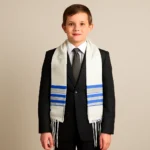
For male guests, the general expectation is a neat, respectful appearance. In many synagogues, a suit and tie are standard for the ceremony, especially if it is a morning service or a formal Friday night event. If the invitation specifies formal bar mitzvah attire, lean toward a dark suit, tie, and dress shoes. In other contexts, a smart casual approach—slacks or chinos, a collared shirt, and a blazer—may be perfectly acceptable.
Choose a well-fitted suit in navy, charcoal, or black for the ceremony; pair with a light dress shirt and a conservative tie.
Opt for polished leather shoes (Oxfords or loafers) and dark belts to complete a cohesive look.
A kippah (yarmulke) is often provided at the synagogue, but you may bring your own. Some communities expect male guests to wear a kippah during the service.
In warmer months or in hot climates, you can wear a lighter wool suit or a breathable lightweight blazer with dress pants.
If the event is in a Reform or Conservative synagogue where dress norms are more relaxed, you can adapt by wearing a darker blazer and dress pants ensemble without a tie, or a neat sport coat with a collared polo or button-down shirt. When in doubt, choose classic elegance and err on the more conservative side for the ceremony.
For female guests, modesty and elegance are the guiding principles. The ceremony often requires shoulders to be covered and hemlines that fall at or below the knee, particularly in traditional or Orthodox settings. Dresses or dressy skirts with a modest neckline are reliable choices.
Consider a knee-length or longer dress in a solid color or a tasteful print, paired with a cardigan or shawl for added coverage during the service.
Blouses with sleeves or dresses with cap sleeves are generally a safe option; some communities prefer longer sleeves or bolero jackets.
A shawl, bolero, or light scarf can provide coverage if your outfit is sleeveless, and it can be easily removed for the reception.
Heels, flats, or dressy sandals that you can stand in for several hours are appropriate; consider comfort for photos and mingling.
Color choices can range widely—earth tones, pastels, or jewel tones work well. A coordinated but not overly bold palette is ideal for photos and family portraits.
If the bar mitzvah is in a Modern Orthodox or traditional setting, you may be asked to keep shoulders and legs modest. When the invitation or family hosts specify a dress code, align your selection with those expectations while maintaining personal style.
Non-binary and All-Gender Inclusivity
Attire guidelines can be inclusive and flexible. If you identify outside the binary or prefer gender-neutral clothing, consider tailored separates (such as a smart blazer with dress pants) or a formal dress with a modest cut. You can incorporate cultural or family-meaningful elements (such as a traditional scarf or shawl) to honor the setting while staying true to your comfort and style.
Opt for well-cut trousers or a midi-length dress in a sophisticated color palette.
Choose fabrics that drape well and allow you to move comfortably during celebrations.
Coordinate with a family color theme if requested, without compromising personal expression.
Attire for Family: Parents, Siblings, and Grandparents
Parents: How to Dress for the Bar Mitzvah
For parents, the bar mitzvah is a moment to present a polished, cohesive appearance that honors the child and the ceremony. Fathers traditionally wear a suit or sport coat with tie; mothers may choose a dress or coordinated separates. The key is to look dignified without stealing attention from the honoree.
Men: A dark suit or blazer with a dress shirt and tie is a standard choice for the ceremony; the same outfit can transition to the reception with a change of accessories.
Women: A modest dress or elegant suit with a modest neckline and knee- to ankle-length skirt works well for the ceremony and reception alike.
Outerwear or shawls can be practical on cooler days; choose outer pieces that complement the main outfit rather than overpower it.
Consider a color family (e.g., blues and grays or blush tones) to photograph well and look cohesive in family portraits.
Siblings and Extended Family: Coordinating Without Matching
Siblings and extended family members can contribute to a harmonious visual narrative without rigid matching. Subtle coordination—such as choosing outfits within the same color family or sharing a common accent color—helps the group look intentional in photos.
Older siblings can wear tailored pants or skirts with a refined top and, if appropriate, a blazer or cardigan.
Little brothers or sisters may wear dress shirts with bow ties or dressy rompers for younger children; avoid overly casual looks near the ceremony.
Grandparents often favor comfortable but elegant attire—dressy separates, a conservative dress, or a suit with tasteful accessories.
For family photos, plan a quick wardrobe check a few days ahead to ensure there are no color clashes or fabric issues that could show up in pictures.
Attire for the Ceremony vs the Reception
Ceremony Attire: What to Wear for the Service
The ceremony typically requires a more formal or respectful appearance. In many communities, men wear a suit or sport coat with a tie, and women wear dresses or skirts with modest sleeves. The tone should be reverent, as the service includes readings from the Torah and prayers.
For men, a standard business suit is a safe bet; a tie is often preferred but can be optional in some Reform spaces.
For women, a modest dress or skirt and blouse ensures comfort and respect during the service.
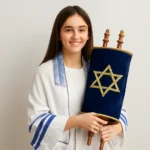
Head coverings: In Orthodox spaces, men wear a kippah; women may cover hair in some communities. When in doubt, bring a scarf or check local customs.
Avoid clothing with loud logos or overly casual items like jeans or sneakers in traditional settings.
Reception Attire: Party Time
The reception is a celebration and invites more festive attire. Guests can transition to more colorful outfits or dressy ensembles that feel joyful but still respectful of the occasion.
Men can switch to dress pants with a blazer or even a smart-casual blazer and shirt if the invitation allows.
Women may choose cocktail dresses or dressy separates with accessories that add sparkle without being overpowering.
Comfort remains important; dancing and mingling mean you should select footwear that is both stylish and comfortable for several hours.
Coordinate with family colors when possible to create visual coherence in group photos and family portraits.
Seasonal and Regional Considerations
Summer or Warm Climates
In hot weather, breathable fabrics and lighter colors can improve comfort without sacrificing formality. Opt for lightweight wool, linen blends, or breathable cotton structures. Keep layers minimal to adapt to air-conditioned venues.
For men, a lighter suit or dress pants with a breathable sport coat.
For women, sleeved dresses or outfits with breathable fabrics; you can add a light shawl for the service if needed.
Prioritize proper fit over tightness to stay comfortable during long ceremonies and photographs.
Winter or Cooler Weather
In cooler climates, layering is both practical and elegant. Choose wool blends and add a structured overlayer or cardigan to maintain a polished silhouette.
Men: A wool suit with a warm tie and smart overcoat for the outdoor moments.
Women: A dress with sleeves or a long-sleeved dress, paired with a tailored jacket or shawl.
Footwear should be appropriate for potentially slick floors or outdoor photos, with supportive soles for comfort.
Regional Dress Variations
Geography shapes what is considered appropriate attire. In urban or high-fashion communities, there may be a stronger emphasis on tailored suits and designer fabrics, while smaller towns may lean toward classic formalwear with accessible price points.
In cosmopolitan areas, you might see modern silhouettes with subtle metallic accents or fashion-forward fabrics during the reception.
In traditional communities, you may encounter modest, timeless styles with fewer embellishments.
Regardless of region, the overarching principle remains: respect for the ceremony and comfort for the wearer.
Practical Tips: Accessories, Grooming, and Comfort
Accessories and Small Add-Ons
Accessories should complement the outfit and not overpower the wearer or the moment. Thoughtful details can elevate your look while remaining respectful.
Men: Cufflinks, a conservative tie bar or a pocket square can add polish without looking flashy.
Women: Statement jewelry should be tasteful and not distracting; a simple clutch and a wrap or shawl are practical yet chic.
Footwear: Ensure shoes are clean and comfortable for a day that may include long hours and standing on families’ home or synagogue floors.
Grooming and Presentation
Grooming communicates care and respect. Arrive with neatly styled hair, clean nails, and minimal fragrance—especially in small spaces and during services.
Ensure your clothes are pressed and free of pet hair or lint before arriving at the venue.
Coordinating with the family’s color theme can help you blend seamlessly in photos.
Carry a small wrap or jacket to stay comfortable in air-conditioned spaces that may feel chilly during the ceremony.
Practical Considerations for the Day
The day may include multiple transitions: from synagogue to reception, posing for photographs, and walking between rooms. Consider practical elements to avoid wardrobe malfunctions or discomfort.
Choose layered outfits that can adapt to changing temperatures and lighting for photos.
Test movement: Ensure your outfit accommodates walking, dancing, and hugging with ease.
Bring a compact emergency kit with a lint roller, stain remover wipes, and a spare pair of tights or socks, if needed.
Adequate planning can reduce stress and ensure you have time for fittings, alterations, and accessorizing. Here’s a practical timeline to guide what to wear for a bar mitzvah planning.
6–8 weeks before: Review the invitation for any dress code hints (formal, semi-formal, casual) and confirm the venue and time. Begin browsing options with a clear color palette in mind.
4–6 weeks before: Schedule fittings for suits or dresses; consider alterations for a perfect fit. Check your footwear for wearability and comfort.
2–4 weeks before: Confirm details with the family if there is a special color theme or modesty expectations that affect your choice. Make final decisions on accessories.
1 week before: Try on your full ensemble; ensure everything coordinates with the event photos and family attire. Prepare a small care kit for the day.
Day of: Bring a light wrap or scarf, a kippah if you wear one, and a sense of ease to enjoy the ceremony and celebration.
Budgeting and Shopping Tips
Attire should be considered an investment in the experience and memories of a milestone event. Practical budgeting helps you select pieces you can wear beyond the bar mitzvah day.
Look for timeless pieces—a well-cut suit or a classic dress that you can rewear to other occasions.
Consider secondhand or rental options for high-end pieces if you prefer a cost-effective approach.
Factor in alterations and accessories when planning your budget to avoid last-minute surprises.
In Modern Orthodox and Conservative communities, the dress code often emphasizes modesty for the ceremony, with a handsome, tailored look for men and a modest dress or skirt-and-blouse combination for women. The attire for the reception can be slightly more relaxed but remains refined.
Men typically wear suits or smart blazer combinations with ties.
Women generally choose dresses with modest necklines and knee- or longer hemlines.
Reform, Liberal, and Secular Considerations
In Reform or Liberal communities, there is often more flexibility regarding dress codes. The synagogue environment may permit dressier business casual or smart casual options, with an emphasis on comfort and personal style.
Women may wear cocktail dresses or modest-length frocks; head coverings are usually optional unless the family specifies otherwise.
Men may opt for a blazer with dress pants, or a suit if the event is formal.
Traditional and Haredi Communities
In more traditional or Haredi communities, the dress code can be stricter, with greater emphasis on modesty and formality. Men may wear dark suits with white shirts and minimal patterns; women tend to dress conservatively, with longer sleeves and longer skirts, and hair coverage as required by community norms.
Respect the specific expectations of the synagogue and family; when in doubt, ask for guidance from a trusted elder.
Keep outfits understated yet dignified, avoiding flashy prints or fabrics that draw attention away from the ceremony.
Example Outfits for Different Guests
Outfits for Men and Boys
Classic formal: Navy or charcoal suit, white dress shirt, subtle striped or solid tie, black oxford shoes, and a pocket square for a polished look.
Smart casual option: Blazer, dress shirt (no tie), tailored chinos, and loafers for a modern, relaxed vibe suitable for Reform or Conservative services.
Warm-weather variant: Light gray or tan suit with a breathable fabric, paired with a light-colored shirt and a simple tie.
Outfits for Women and Girls
Elegant dress: A knee- to mid-calf dress with sleeves or a modest neckline, paired with a cardigan and closed-toe heels or flats.
Dressy separates: A midi skirt with a modest blouse and a tailored blazer, suitable for both ceremony and reception.
Sophisticated monochrome: A single-color palette (e.g., emerald or navy) with different textures to create depth without overwhelming the look.
Outfits for Non-Binary and All-Gender Guests
Tailored suit in a soft color with a crisp shirt and tasteful accessories.
Jumpsuit or dressy trousers with a refined top and a blazer for a contemporary, respectful look.
Consider cultural or family-specific adornments that feel authentic and respectful, such as a shawl or scarf with personal meaning.
What Not to Wear: Common Pitfalls to Avoid
Common Missteps
To maintain reverence for the ceremony and ensure comfort in photos, avoid outfits that are overly casual or revealing. Here are some practical no-nos to help you plan your look:
Ripped jeans, gym wear, and t-shirts with bold graphics are typically discouraged for the ceremony.
Short skirts or dresses with high slits, strapless tops, and overly tight silhouettes can be inappropriate for formal services.
Bright, distracting prints or logos may draw attention away from the honoree and the ritual.
Casual flip-flops or athletic sneakers should be reserved for informal or family-only moments, not the synagogue service.
Final Thoughts and Etiquette
Respect, Etiquette, and Individual Style
The overarching principle is respect for the ceremony and for the family hosting the bar mitzvah. Clothing should reflect dignity, modesty, and a sense of celebration. At the same time, you should feel comfortable enough to enjoy the day and participate in photos, blessings, and dancing.
If you are unsure about the expected dress, do not hesitate to reach out to the family organizer, the rabbi, or the synagogue coordinator. It is perfectly appropriate to ask for guidance—people are often grateful for a direct question that helps avoid awkward dress dilemmas on the day.
Remember that bar mitzvah what to wear is a flexible concept that adapts to tradition, community norms, and personal style. The ultimate aim is to present yourself with grace, to honor the boy who is stepping into adulthood, and to celebrate a day filled with learning, faith, family, and joy.