Jews Who Wear Hats: An Introduction to Jewish Head Coverings, Traditions, and Style
Across Jewish communities around the world, the practice of head covering is a visible and meaningful expression of faith, identity, and tradition. From the simple kippah or yarmulke worn by many men to the elaborate fur hats of certain Hasidic groups, and from the modest scarves worn by married women to the modern fashion-forward headpieces seen in some communities, head coverings—often referred to informally as hats—carry layered significance. This article offers a comprehensive guide to jews who wear hats, exploring religious rationale, historical development, regional variations, and contemporary styling. It is a resource for both newcomers and seasoned observers who want a deeper understanding of the cultural and spiritual meanings embedded in these coverings.
Head coverings among Jews have evolved over centuries, shaped by rabbinic interpretation, communal norms, and fashion trends. While the specifics vary by community, several themes recur: reverence before God, reminders of responsibility and humility, and the public expression of belonging to a people with shared practices. In many traditions, covering the head is associated with a sense of awe, prayer, and study, signaling that one’s thoughts and actions are oriented toward the divine. It is important to note that not all Jewish communities view head coverings as a formal mitzvah (commandment) in the same way; some see them as a strong custom with spiritual value, while others emphasize modesty, personal piety, or communal norms.
Two broad categories emerge in discussions of Jewish head coverings: those worn by men, and those worn by women. Within each category there are variations based on denominational practice, cultural heritage, and era. Some modern Jews adopt elements from multiple traditions, creating a personal style that honors family history while reflecting contemporary life. In short, the landscape of hat-wearing Jews is diverse, dynamic, and deeply rooted in local and family rituals as well as broader Jewish law and culture.
Key head coverings for men: types, meanings, and contexts
The most universally recognizable symbol in this realm for many men is the kippah (also called a yarmulke). Yet the head coverings worn by men extend far beyond the basic circular cap, spanning ceremonial garb, everyday attire, and special-occasion garments. Below is a structured look at common options, with notes on when they are typically worn and by whom.
Common categories
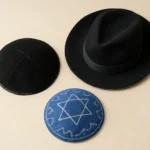
Kippah (yarmulke, skullcap): A small, rounded cap worn on the crown of the head. In many communities, the kippah is worn at all times, while in others it is worn more casually or during prayer, study, or religious services.
Fedora (and similar fedoras): A wider-brimmed, structured hat often worn by Modern Orthodox and some non-Hasidic Jewish men. The fedora can be paired with a suit, a suit jacket, or smart casual attire, and it signals a blend of tradition and contemporary style.
Shtreimel and Spodik: Distinctive fur hats worn by certain Hasidic men on Shabbat, holidays, and festive occasions. The shtreimel is typically rounder and broader, while the spodik is taller and more conical. These hats symbolize marital status in many Hasidic communities and convey group identity and continuity.
Homburg and other dress hats: Elegant, formal hats sometimes worn in both secular and religious contexts, especially among older generations or in communities where a more conservative dress code is observed.
Less formal caps and variations: In some settings, men may choose a simple cap, a baseball-cap style design, or other regional head coverings as part of daily wear or campus life, reflecting a practical approach to modesty and personal expression.
Regional differences color the practice as well. In many Hasidic and Haredi (ultra-Orthodox) communities, the shteitel or fur hats mark communal identity, while in Modern Orthodox circles the kippah or fedora may be integrated with secular fashion. In Sephardic and Mizrahi communities, head coverings for men can be influenced by local custom and cultural fashion, sometimes combining modesty with broader cultural attire.
Practical considerations for men’s head coverings
Fit and comfort: Head coverings should be comfortable for daily wear and during long prayer services or study sessions.
Material and maintenance: Fur hats (shtreimel, spodiks) require special care; felt, wool, and straw hats demand different cleaning methods and storage considerations.
Occasional versus daily wear: Some men rotate between several types, reserving the more formal hats for Shabbat and holidays.
Symbolic meaning: The presence of a hat or cap can be a visible sign of affiliation or tradition, signaling belonging within a particular community.
Head coverings for women: hair covering, modesty, and variety
Among Jewish women, hair covering is a central practice in many communities, especially after marriage. The ritual and social meanings surrounding female head coverings are rich and varied, reflecting religious interpretation, gender norms, and cultural aesthetics. While the specifics differ among independent communities, several core ideas appear across many groups: modesty, marital status, reverence, and continuity with tradition. Women’s coverings range from simple scarves to elaborate wigs, with many intermediate options such as hats, caps, turbans, and snoods.
Common methods of hair coverage
Sheitel (wig): A wig worn to cover the natural hair. In some communities, wigs are selected to resemble natural hair color and texture and are considered halachically permissible by certain rabbinic authorities, while other groups discourage or regulate wig-wearing for various reasons.
Tichel or scarf: A fabric covering that wraps around the head, often tied under the chin or at the back. Scarves provide versatility in color and pattern and are widely used in many Orthodox and traditional households.
Tichel or scarf variations: Loose-fitting wraps, headbands, or turbans that cover the tops of the ears while leaving the back hair partially visible in some styles; these can be practical for active days or warmer climates.
Hair coverings for married women: In many communities, married women cover their hair to signal their status. The degree of coverage varies—from fully covered with a wig or scarf to partial coverage with a cap or snood.
Shaydet or hats: Some married women wear hats for daily use, while others reserve hats for special occasions or synagogue attendance.
Snoods, caps, and turbans: These accessories provide practical and fashionable options that reflect personal taste and community norms.
Several regional traditions shape how women cover their hair. In Hasidic and Haredi communities, hair coverage is often very strict, with married women choosing a full and discreet covering to maintain modesty. In Conservative and Modern Orthodox communities, the approach may be more flexible, allowing a mix of wigs, scarves, and hats. Sephardic and Mizrahi communities bring their own stylistic preferences, including different fabrics, colors, and patterns that reflect regional aesthetics while preserving modesty requirements.
Practical and aesthetic considerations for women’s coverings
Comfort and climate: Scarves and hats should be comfortable in varying weather, with breathable fabrics for hot days and durable materials for winter.
Versatility: Many women appreciate coverings that can transition from weekday routines to synagogue services or festive events.
Maintenance: Wigs require grooming and conditioning, while scarves need washing and care to maintain fabric integrity.
Expression and identity: The choice of covering can convey personal style, family tradition, and community affiliation.
Regional and denominational variations: how communities embrace head coverings
The practice of wearing hats and other head coverings is not monolithic. Across Jewish life, denominations and cultural backgrounds shape when, how, and why coverings are worn. Here are some representative patterns, with note of how head coverings function as cultural markers as well as pious acts.
Sephardic and Mizrahi traditions
In many Sephardic and Mizrahi communities, men often wear a kippah and may add a hat or cap depending on occasion. Women typically cover their hair after marriage, using scarves, hats, or other coverings that align with regional fabrics and styles. The emphasis is on modesty and continuity with ancestral customs, while weaving in local fashion sensitivity.
Ashkenazi and European-influenced practices
Among Ashkenazi Jews, the assortment of head coverings is broad. In many Modern Orthodox communities, men wear kippot (plural of kippah) plus a fedora or other dress hat as a sign of reverence and social identity. In Hasidic groups, distinctive styles such as the shtreimel or spodik are central to Shabbat and festival attire, signaling lineage and communal affiliation.
Hasidic, Yeshivish, and Haredi variations
Within the ultra-Orthodox worlds, head coverings become a nuanced language. The shtreimel is not merely a hat; it is a ceremonial symbol tied to marital status and communal belonging in many Hasidic circles. The spodik—while similar in function—reflects a different sect’s style. Even among these groups, there are gradations of tradition, with some men opting for a felt hat, a wool hat, or a bowler during the week. The common thread is a visible manifestation of modesty, reverence, and group identity.
Modern and progressive perspectives
In Contemporary or Modern Orthodox settings, you may find a fusion approach: a kippah worn with a fedora or a stylish cap, chosen to reflect professional life, social events, and family traditions. Some more liberal or non-Orthodox Jews participate in head-covering practices in certain contexts (for example, during prayer or in synagogues) but do not maintain a strict regimen in daily life. This reflects a broader range of head-covering practices that can evolve with personal belief and community standards.
Style and symbolism: how hats and coverings express identity
Beyond religious obligation, head coverings encode a sense of identity, memory, and fashion. For many individuals and families, choosing a particular kind of hat or scarf is a way to honor ancestry, signal belonging to a community, or simply express individual taste. The style choices may incorporate vintage fashion, travel-inspired textiles, or modern designers, all while maintaining the underlying values of modesty and respect that guide many Jewish practices around hair and head coverage.
Symbols and meaning to look for
Visual cues: The presence of a head covering on men or women can signal a specific community, denomination, or stage of life (e.g., married status in some groups).
Textile language: Materials such as fur, wool, silk, and cotton convey different climates, occasions, and formality levels.
Color and pattern: Solid, subdued colors are common in more traditional contexts, while patterns and brighter colors may appear in family celebrations or secular-adjacent events, depending on local norms.
Symbolic hierarchy: In Hasidic circles, the type of hat can communicate status or affiliation within a particular group, complementing other ceremonial garments.
Care, etiquette, and practicalities
Maintaining head coverings is, for many families, a practical art as well as a spiritual discipline. The care routines depend on the type of covering, with distinct needs for hygiene, storage, and handling. Understanding proper etiquette in different settings also helps visitors and newcomers participate respectfully in Jewish life.
Care and maintenance tips
Cleaning methods vary by material: fur hats require professional cleaning or careful brushing; wool and felt hats can be brushed and air-dried; scarves and cotton or silk coverings are typically hand-washed or machine-washed on gentle cycles.
Storage: Hats should be stored on proper forms or in hat boxes to maintain shape; scarves and wraps benefit from rolled storage or hanging with care to avoid wrinkles.
Rotation: Many people rotate among several coverings to balance wear, weather, and occasion—this also helps reduce wear and extend the life of each piece.
Etiquette in synagogues and communal life
Respect for norms: In many synagogues, men wear head coverings consistently; women who cover their hair, as per community custom, also participate in this tradition. When visiting a new community, it is appropriate to observe and follow local practice or ask a host for guidance.
Respectful dress: Even if a particular style feels personal, many communities expect a certain level of modesty and respect in ceremonial spaces. This includes avoiding overtly casual or distracting headgear during services, particularly in reverent settings.
Participation: Guests are often welcome to inquire about appropriate attire or coverings, showing sensitivity and curiosity rather than presumption.
FAQs and common misconceptions
Below are some commonly asked questions about jews who wear hats and how these practices fit into modern life. The answers reflect a wide range of traditions and emphasize respect for diversity within Jewish practice.
No. Covering the head is common in many Orthodox and traditional communities, especially for men who wear a kippah and for married women who cover their hair. Many non-Orthodox Jews do not cover their heads, and practices can vary widely within a single family or community. The choice often depends on denominational norms, cultural heritage, and personal conviction.
Is wearing a shtreimel or spodik mandatory?
No. These hats are traditional markers within some Hasidic groups, typically associated with married men and special occasions. They are not universal across Judaism and are not required by Jewish law for all communities. Other communities choose simpler forms of headwear or none at all for daily life.
Are wigs (sheitels) always preferred over scarves?
Preferences vary. In some communities, wigs are favored because they provide a natural appearance while adhering to hair-covering requirements. In others, wigs are discouraged or restricted by rabbinic authorities for theological or practical reasons. Scarves, hats, and other coverings remain important options, offering variety and flexibility.
How do head coverings interact with modern fashion?
Many people blend tradition with modern style. The head coverings worn by Jewish men and women can reflect personal fashion, family legacy, and community expectations. Contemporary designs, colors, and materials allow for expressive, stylish articulations of identity while maintaining the values of modesty and reverence.
Conclusion: embracing tradition, exploring style
The practice of head covering among jews who wear hats is a rich tapestry of devotion, culture, and aesthetics. From the quiet dignity of a small cotton kippah to the ceremonial symbolism of a shtreimel, these coverings serve as visible reminders of memory, belonging, and humility before God. They also offer a lens into the history and creativity of Jewish communities around the world, showing how tradition can adapt to new environments and new generations. Whether you approach head coverings as a sacred discipline, a cultural artifact, or a personal style statement, they illuminate a long-standing conversation about identity, faith, and community in Jewish life.
For readers curious about how head coverings intersect with daily life, family traditions, and ceremonial moments, the subject reveals much about both continuity and change in Jewish culture. The embrace of diverse forms—kippahs, hats, wigs, scarves, and other coverings—demonstrates a vibrant, living practice that welcomes inquiry, respect, and ongoing dialogue about what it means to be Jewish in a world of many voices and many styles.