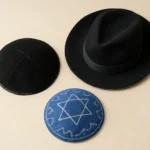
The kippah, also known as the yarmulke in some communities, is a small but meaningful head covering worn by many Jewish people. While the term skullcap is often used in general conversation, the most widely recognized phrases in Jewish life are kippah and yarmulke. This guide aims to explain what a kippah is, why it is worn, the range of styles and materials available, how to choose the right one, and practical care tips for daily wear, travel, and special occasions. Whether you are exploring Jewish customs for study, preparing for a life event, or simply curious about how this modest item fits into religious practice, this article provides a comprehensive, practical overview.
The meaning and purpose of wearing a kippah
Traditionally, a kippah is worn as a reminder of God’s presence above. In many communities, it serves as a visible sign of reverence and humility before the divine. It is not a divine commandment in the way some mitzvot are described, but it has become a widespread practice across many Jewish denominations as a sign of respect, modesty, and identity. The practice is highly varied, reflecting different customs, interpretations, and cultural backgrounds. In this guide, you will encounter a spectrum of usage—from mandatory coverage in certain settings to everyday wear as a personal or communal expression.
Important terms to know include: kippah (Hebrew term, singular), yarmulke (Yiddish-influenced term, widely used in North America), skullcap (English descriptive term), mitpachat (a Hebrew term sometimes used in related contexts), kippot (plural).
History and symbolism: where did the kippah come from?
The practice of covering the head has deep roots in Jewish and broader ancient near-eastern traditions. While there is no single biblical commandment to wear a kippah, rabbinic literature and later Jewish practice describe head coverings as a sign of awareness of a higher presence. Over centuries, the custom evolved differently across communities. In many Ashkenazi and Sephardi communities, the head covering took on a central role in daily attire, surviving various historical changes, including migrations, acculturations, and changes in religious life. Today, the kippah is both a personal choice and a communal identifier for many Jews worldwide.
Styles and materials: a wide range of kippot for every season and setting
The modern market offers an impressive spectrum of kippah styles, from classic cloth to modern fashion pieces. Here are common categories, with notes on when they’re typically worn and what to expect in terms of fit and care.
Traditional cloth kippahs
These are the most common, and often the most versatile option. Cloth kippot come in cotton, linen, or blends, and can be plain or patterned. They’re lightweight, breathable, and comfortable for daily wear or long synagogue services. They are frequently sold in bundles or in multi-packs and can be easily customized with simple embroidery or logos for events and organizations.
Knitted and crocheted kippahs
Knitted or crocheted yarmulkes are popular in many Orthodox and Modern Orthodox communities, as well as among those who enjoy a handmade aesthetic. They can be cotton or acrylic and tend to be stretchable, providing a snug fit. Knits are especially common in cold-weather seasons or in communities that favor a more casual look.
Leather and suede kippahs
Leather or suede kippot offer a distinct, durable option that can look more formal and sophisticated. These are often chosen for formal events, weddings, or business settings. They may require more careful maintenance—often wipe-clean and less prone to staining than lighter fabrics.
Silk, velvet, and satin kippahs
For special occasions—weddings, bar/bat mitzvahs, high holidays—silk, velvet, or satin yarmulkes provide a refined appearance. These materials can be stand-out in photos and offer a luxurious texture, but they may require more delicate handling and cleaning. Some fancy options incorporate embroidery, metallic threads, or subtle patterns to elevate the look.
Patterned, embroidered, and decorative kippahs
Patterned fabrics, embroidered designs, or decorative elements can reflect personal taste or affiliations with a synagogue, school, or community. These can be subtle (a small embroidered symbol, a galaxy of stars) or bold (colorful geometric patterns). When choosing a patterned kippah, consider how it will pair with your typical attire and whether you want it to read as a personal item or a communal symbol.
Size, fit, and adjustable features
There is no universal standard size for a kippah, but most are designed to fit the average head comfortably. Common fit considerations include:
Diameter and circumference, ensuring it sits flat on the crown without slipping.
Stretchability for knitted or elastic-backed options.
Padding or lining for comfort, especially for long sessions.
Adjustable bands, strings, or snaps for custom snugness.
Proportional color and design to your wardrobe and complexion.
If you wear a kippah for more than a few hours at a stretch, try different sizes or adjustables to minimize movement and pressure points.
Who wears a kippah? Communities, customs, and variations
The practice of wearing a kippah is widespread, but the expectations vary by community and occasion. Here’s a broad overview of common customs and how they shape everyday wear.
Orthodox and Hasidic communities
In many Orthodox and Hasidic circles, wearing a kippah is an everyday practice for men, and in some communities, women may wear head coverings as a matter of modesty or tradition. In these settings, the kippah is typically plain or subtly decorated for daily use, with more formal options reserved for shul (synagogue), weddings, and holidays. The emphasis is on respect, continuity of custom, and uniformity within the community.
Conservative and Modern Orthodox communities
In Conservative and Modern Orthodox settings, the rules around head coverings can be flexible. Many men wear a kippah regularly, while others may wear it primarily during prayer or in synagogue. Women in these communities may choose to wear a head covering in some contexts, particularly in synagogue or in public settings as a sign of modesty or tradition, depending on the local practice and personal choice.
Reform and Reconstructionist traditions
Among Reform and Reconstructionist communities, wearing a kippah is often a personal decision rather than a requirement. Some men and a growing number of women choose to wear a head covering during services, during holidays, or in community spaces as an expression of Jewish identity, inclusion, and equality. Many synagogues in these movements provide kippot at the entrance, inviting all who enter to participate in the practice if they wish.
Sephardic and Mizrahi traditions
Sephardic and Mizrahi communities bring rich diversity to the practice of wearing a kippah. Styles may vary by country of origin and local custom, with some communities favoring more elaborate materials or colors for festive occasions. The basic intent remains the same: a sign of awareness and reverence, adapted to cultural norms and aesthetic preferences.
Women and kippot: evolving practice
Traditionally, head coverings for women were more common in some communities than in others. In recent decades, many women across denominations choose to wear head coverings at home, in synagogue, or during prayer as a practice of modesty or personal expression. Some women wear a kippah or other head coverings with intention, while others opt for hats, scarves, or traditions specific to their community. The key is respect for local norms and personal choice.
How to choose the right kippah: a practical buying guide
Selecting a kippah involves balancing personal style, comfort, and the contexts in which you plan to wear it. Here are practical guidelines to help you decide.
Daily wear at work or school: choose a comfortable, breathable fabric such as cotton or blends; a neutral color often works best with formal or casual attire.
Shabbat and holidays: you may prefer a slightly more formal texture (silk, velvet, or a knit with subtle patterns) that photographs well and complements formal attire.
Special occasions (weddings, bar/bat mitzvahs): opt for patterned, embroidered, or luxe materials to convey a celebratory mood.
Travel or security-sensitive environments: consider a snug fit and materials that stay in place during movement.
Think about fit and comfort
Measure your head’s circumference at the widest point, around the back where the head crowns, and ensure the kippah sits comfortably without pinching.
Test different materials for breathability and temperature regulation—cotton for warm climates; thicker textiles for cooler weather.
For those with sensitive skin, look for soft linings and smooth seams to reduce irritation.
Match colors and patterns to wardrobe
Neutral tones (black, navy, gray, white) pair easily with most outfits.
Deep blues, burgundies, or earth tones can add a touch of personal style while remaining versatile.
Patterned fabrics or embroidered motifs can reflect family heritage, synagogue affiliation, or personal interests.
Material considerations
Cotton and linen are breathable, ideal for summer and casual use.
Knitted fabrics offer stretch and a comfortable fit for long services.
Leather and suede provide a more formal, durable option with a distinct look.
Silk, velvet, and satin give a refined appearance for special events, but require careful cleaning.
Care and maintenance priorities
Follow care labels: some fabrics are machine washable, others require hand washing, dry cleaning, or surface cleaning only.
Store in a clean, dry space to prevent moisture damage or moths; use a display case or drawer insert if possible.
Avoid harsh chemicals or bleaches that could fade colors or weaken fabrics.
Care, cleaning, and longevity: keeping your kippah in good shape
Proper care extends the life of a kippah and keeps it looking respectful for religious or ceremonial use. General guidelines include:
Washing: Cotton and synthetic yarns can usually be machine washed on a gentle cycle with cold water. Delicate fabrics like silk or satin may require hand washing or dry cleaning. Leather and suede typically require dry cleaning or spot cleaning with a damp cloth and careful drying away from heat.
Drying: Air dry flat to prevent stretching; avoid direct sunlight for colored fabrics that may fade.
Ironing and pressing: Lint-free fabrics benefit from light pressing; avoid direct heat on delicate materials like silk or velvet—use a cloth barrier and a low setting.
Storage: Keep clean and dry; use a small box, drawer, or display stand. For travel, consider a protective case to prevent crushing or bending.
Maintenance: For knit or crocheted kippot, check for loose threads and trim them promptly. Embroidered designs should be scanned for thread stability and touched up as needed.
Practical tips for wearing a kippah in daily life
Whether you wear a kippah for religious reasons, cultural identity, or personal preference, these practical tips can help you integrate it smoothly into daily life.
Choose two or three reliable options (one for everyday, one formal, one travel-friendly) to adapt to different settings.
Keep spare yarmulkes in your bag or car in case you forget yours at home or an event.
Coordinate with your wardrobe; neutral colors are versatile, while a signature color can become a personal trademark.
Be aware of local customs when visiting synagogues or Jewish institutions. In some places, guests are provided with a kippah at the door; in others, it’s customary to bring your own.
Wearing the kippah in different settings: etiquette and customs
Etiquette around the kippah can vary by community, synagogue, and country. Here are some common expectations to help you participate with respect.
In many Orthodox synagogues, men wear a kippah during services and religious study; in many Reform congregations, wearing a head covering is optional and person-directed.
When attending a life-cycle event (wedding, brit milah, bar/bat mitzvah), a appropriate kippah is usually worn, and some guests provide their own or pick from ones at the entrance, especially in formal or large-scale ceremonies.
For women who wear a head covering in certain communities, options include headscarves, hats, or fashion-forward items that suit the setting. If you’re unsure, observe local practice or ask a host or member of the congregation.
In secular settings or interfaith events, bringing and wearing a simple kippah can signal respect and openness to Jewish practice, but it is always acceptable to decline if you’re uncomfortable.
DIY and customization: personalizing your kippah
Many Jews enjoy personalizing their kippah to reflect family heritage, community affiliation, or creative expression. Here are some ways people customize their head coverings:
Monogram or initials embroidered on the lining or exterior of the kippah.
Adding a small emblem, a meaningful symbol, or a color that represents a school, synagogue, or hometown.
Choosing patterned fabrics that feature motifs like geometric designs, nature themes, or cultural motifs from one’s ancestry.
Having a tailor or hatmaker craft a unique shape, thickness, and edge finish (for example, stitched edge versus rolled edge).
Purchasing options: where to shop for kippot and what to expect
You can find kippot at many types of stores, from religious supply shops to artisan markets, online retailers, and synagogue gift shops. When shopping, consider:
Stock vs. custom: ready-made kippot are widely available; custom options can provide perfect fit and unique designs.
Quality of materials: look for durable stitching, color-fast dyes, and comfortable fabrics that will last.
Return policies: if you’re buying as a gift or unsure about sizes, a retailer with flexible returns can be helpful.
Ethical sourcing: some purchasers prefer materials produced with sustainable practices or fair labor standards.
Travel tips: keeping your kippah secure on the road
Travel can be challenging for head coverings. Consider the following strategies to ensure your kippah stays in place and remains clean on the go:
Choose a snug-fitting kippah with a comfortable elastic band or adjustable strap.
Pack a spare in a protective pouch or small case to prevent crushing.
Use gentle fabrics that are less prone to wrinkling or deforming in transit.
Cultural significance today: identity, fashion, and community
Today, the kippah sits at the intersection of tradition and modern life. For many Jews, wearing a yarmulke is a personal or communal practice that signals belonging, remembrance, and continuity. For others, it is a fashion statement, a sign of curiosity, or a symbol of religious freedom. Among the younger generations, you may notice a blend of classic and contemporary designs, reflecting a dynamic culture that honors age-old rituals while embracing individuality. In public life, the kippah can serve as a quiet, everyday reminder of values from humility to responsibility, or simply as a conversation starter about Jewish life and culture.
Common myths and misconceptions about kippahs
As with many cultural practices, several myths persist. Here are a few clarifications to help readers distinguish fact from fiction:
Myth: Only men wear kippot. Fact: While traditionally worn by men in many communities, women in various denominations also wear head coverings as a personal or communal choice.
Myth: Wearing a kippah makes one more pious. Fact: Wearing a kippah is a symbol associated with reverence and tradition; it does not measure devotion or spiritual merit.
Myth: All kippot are the same. Fact: There is a wide range of materials, styles, and designs reflecting different communities, occasions, and personal tastes.
Myth: A kippah must be worn at all times everywhere. Fact: Practices vary by community and circumstance; many people wear it in synagogue, at religious events, or during prayer, while others wear it more selectively.
Care and storage: a quick reference checklist
For quick reference, here is a concise checklist to keep your kippah presentable:
Inspect fabric for wear, fraying, and fading every few months.
Wash according to fabric type; air-dry flat.
Store in a clean, dry place away from direct sunlight to prevent color loss.
Rotate between several options to reduce wear on a single item.
Inclusion and accessibility: creating welcoming spaces
Many Jewish communities strive to make their spaces accessible and welcoming to visitors regardless of background or prior knowledge. Providing clear signage about head coverings, offering optional kippot at entrances, and explaining the significance of the practice in brief, respectful terms can help visitors participate with comfort and dignity. For communities that host interfaith or secular audiences, a discreet, neutral kippah option can be a thoughtful gesture of hospitality. The overarching goal is to foster learning, respect, and mutual understanding.
Conclusion: the practical value of a kippah in contemporary life
A kippah is more than a simple head covering. It is a tangible link to tradition, community, and personal meaning. From its rich history to the modern variety of materials and designs, the yarmulke or skullcap offers a practical way to express identity, show reverence, and participate in Jewish life in a way that is both practical and symbolic. By understanding the different styles, how to choose one that fits your lifestyle, and how to care for it, you can incorporate this small item into daily routines with confidence and respect. Whether you are a long-time wearer, a curious newcomer, or a relational ally seeking to understand Jewish practice, this guide aims to help you navigate the world of kippot with clarity and ease.
In the end, the most important aspect of a kippah is the meaning you attach to wearing it—whether that meaning is tradition, faith, memory, or a commitment to dignity in everyday life. May your journey with this modest yet meaningful piece be informed, respectful, and personally fulfilling.