Jewish Necklace Symbols: Meanings, History, and How to Wear Them
Jewish jewelry has long served as a portable expression of faith, history, and community.
The symbols on Jewish necklaces carry layers of meaning, from personal
blessings to communal memory. In many cases, a pendant is more than an ornament:
it’s a talisman of identity, a reminder of tradition, and a bridge
between generations. In this article, we explore a wide range of common Jewish necklace
symbols, their origins, what they represent, and practical guidance on how
to wear and care for them in everyday life.
Overview of the most recognizable symbols
Across different eras and cultures, a handful of motifs recur in Jewish jewelry.
Each symbol has its own meaning, and many are layered with historical
nuance. The following list highlights the core symbols you are most likely to encounter,
along with brief notes on their significance.
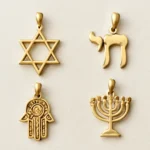
Star of David (Magen David) — A six-pointed hexagram that has become
the most universal emblem of Judaism. It is often interpreted as a shield (magen) for
the Jewish people, and symbolically it can represent the connection between God and
humanity, or the unity of the divine and the human. In jewelry, the Star of David is
frequently rendered in gold, silver, gemstone inlays, or two-toned metals for
contemporary style.
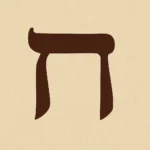
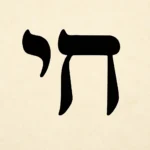
Chai — The two Hebrew letters ḥet (ח) and yod (י) form the word
“chai,” meaning life in Hebrew. The Chai is one of the most enduring
wishes in Jewish culture: may you live and thrive. Necklaces bearing the Chai are
common gifts at milestones, such as weddings, births, and bar/bat mitzvahs.
Hamsa (Hand of Miriam) — A palm-shaped symbol associated with protection
against the evil eye. While the Hamsa appears in many Middle Eastern cultures, it has
a strong presence in Jewish jewelry as a talisman for safety and good fortune. Some
versions feature an eye in the center, pomegranates, or other embellishments that
deepen its meaning.
Torah Scroll Pendant — A miniature representation of the Torah scroll,
sometimes with visible Hebrew letters from a particular passage. This pendant
emphasizes reverence for the Torah and the transmission of Jewish-law learning from
generation to generation.
Menorah Pendant — The seven-branched menorah stands for ancient Temple
worship and the enduring light of wisdom. Jewelry versions range from simple, stylized
silhouettes to ornate designs with shimmering stones. The menorah often symbolizes
guidance, enlightenment, and continuity of tradition.
Ner Tamid (Eternal Light) — An emblem of the perpetual flame that
burns in synagogues, symbolizing constancy, fidelity, and divine presence. While eher
common as a decorative motif in synagogue art, Ner Tamid pendants appear less often in
personal jewelry, but they do show up as meaningful keepsakes for some wearers.
Mezuzah Pendant — A tiny mezuzah case, typically containing a miniature
scroll with the Shema or the word “Shaddai.” This pendant is a reminder of home,
blessing, and the protection of the household. Mezuzah pendants are popular for guardianship
symbolism and as gifts for new homes or weddings.
Pomegranate Motifs — The pomegranate is a long-standing symbol in Jewish
art, associated with abundance, righteousness, and the idea that one has “a hundred
blessings” within. In jewelry, pomegranate-inspired designs are often used to convey
a wish for fruitful life and spiritual plenty.
Tree of Life (Etz Chaim) — A beloved motif representing growth, wisdom,
and the interconnectedness of Torah, life, and the natural world. The Tree of Life can
be a powerful statement about lineage and learning, often rendered with delicate branches,
leaves, and sometimes stone settings to evoke vitality and renewal.
Shofar Pendant — A ram’s horn used for the Jewish new year and other
holidays. Shofar pendants symbolize呼 calling, repentance, and the awakening of the
spirit. They are less common than Star of David or Chai pieces but cherished by those
who want a direct link to Jewish ritual practice.
Dreidel Pendant — A four-sided spinning top associated with Hanukkah.
Dreidel pendants celebrate Jewish resilience, wit, and the miracle of Hanukkah. They
make playful but meaningful gifts and can be worn year-round as a reminder of
perseverance and faith.
When choosing among these symbols, many people consider personal connection,
family history, and the specific message they want to carry. Some wear a single symbol for
clarity, while others create a layered look with several motifs that resonate with the
wearer’s journey.
Historical roots and evolution of Jewish necklace symbols
The use of symbols in Jewish jewelry has deep roots in religious art, liturgy, and
community life. Over centuries, motifs traveled through diaspora communities, adapting to
local aesthetics while preserving core meanings. The following subsections highlight a few
key trajectories.
Ancient to medieval origins of the Star of David
The Star of David as a symbol of Judaism is pervasive today, but its early history is
more complex. The hexagram motif appears in various cultures and was used in magical, alchemical,
and decorative contexts long before it became a universal Jewish emblem. In the Jewish
context, it rose to prominence in the Middle Ages and became a recognizable sign in
religious art and ritual objects. By the 19th and 20th centuries, especially with the rise
of modern Zionism, the Magen David solidified its position as a defining emblem of Jewish
identity. In jewelry, the Star of David is celebrated for its geometric clarity, its
potential for two-tone designs, and its ability to carry meanings that range from
spiritual protection to national identity.
From talismans to personal statements: the rise of the Chai and other talismans
The Chai first appears in rabbinic literature as a symbol of life and vitality
in everyday devotion and liturgy. By the late 19th and early 20th centuries, the Chai
began to appear in jewelry as a tangible blessing—something to wear as a daily reminder of
life’s value. The trend of wearing Hebrew letters as pendants extends beyond the Chai;
people also choose symbols for family names, mitzvah milestones, and personal
affinities for particular verses.
Hamsa and protective symbolism across cultures
While the Hamsa has roots in broader Middle Eastern and North African cultures, it was
quickly embraced within Jewish communities as a protective emblem. Jewish artisans often
pair the Hamsa with the Star of David or with an eye motif, creating a combined symbol of
protection and blessing. The Jewish adaptation of the Hamsa underscores the way jewelry
can serve as a bridge between cultures while retaining a distinct Jewish meaning: safety
for the wearer and a blessing for the home and family.
How to wear Jewish necklace symbols: styling guidance
Wearing a Jewish symbol as a necklace is a personal choice that can reflect tradition,
spirituality, fashion, and memory. Here are practical ideas for integrating these symbols into
daily attire and special occasions, along with considerations on symbolism, size, and
materials.
Choosing the right symbol for the moment
Consider intent when choosing a pendant. If you want a daily reminder of
life and resilience, the Chai or Tree of Life motifs offer
clear, timeless messages. For celebrations or to honor family heritage, a Mezuzah
Pendant or Torah Scroll Pendant can carry specific meaning tied to
home and learning. When gifting, think about what symbol will resonate with the wearer’s
personal story.
Layering and pairing ideas
Layering multiple symbols can create a narrative chain: a delicate Star of David
paired with a Chai, or a small Mezuzah beside a
slightly larger Tree of Life. Balance is key:
– Use varying chain lengths to create dimension.
– Mix metals (gold, silver, rose gold) or add colored gemstones for emphasis.
– Keep one focal pendant as the “star” of the necklace and let other pieces
serve as companions rather than competing centers of attention.
Occasions and settings
Jewish symbols can be worn in many settings—daily life, work, family gatherings, and
religious events. Some considerations:
During formal religious services, some wearers prefer simpler designs that do not
overpower the prayerful environment. A modest Chai or Star of David
on a fine chain can be appropriate for such occasions.
In celebratory contexts like weddings or bar/bat mitzvahs, bolder designs and
intricate settings can celebrate the milestone with visible meaning.
For travel or casual wear, smaller motifs with clean lines tend to be versatile and easy to layer with other jewelry.
Materials, craftsmanship, and care
The material quality matters for both aesthetics and longevity. Common options
include gold (yellow, white, or rose), sterling silver, and plated metals with enamel or gemstone accents. Some symbols are rendered with
birthstones or color motifs to personalize meaning. Practical care tips:
– Store in a dry place to prevent tarnish, especially for silver pieces.
– Clean with gentle jewelry cleaner or a soft cloth; avoid harsh chemicals that can
damage enamel or delicate stones.
– If a pendant holds a scroll or inscription, handle it with care to preserve any
lettering or engraved details.
Authenticity, cultural sensitivity, and ethical considerations
When purchasing Jewish symbols, particularly as gifts or for ceremonial use, many buyers
look for authenticity, respect for tradition, and ethical sourcing. Here are some practical
guidelines:
Source reputable artisans: Look for jewelers who specialize in sacred or
cultural jewelry and can explain the symbolism in depth. Certifications for recycled metals
or conflict-free stones may also matter to some buyers.
Respect for tradition: Some symbols carry strong religious significance.
When gifting to someone outside your own tradition, consider preference and context, and
be mindful that symbolism may be personal.
Context matters: Wearing mezuzah pendants or other religious emblems in
settings where they could be treated disrespectfully should be avoided. Always wear with
care and awareness of the environment.
Different communities, different styles: Jewish jewelry ranges from
ultra-traditional micro-carvings to contemporary abstract interpretations. Acknowledge and
celebrate that diversity in taste and expression.
In addition, awareness of cultural exchange is also important. Some designs originate in
broader Middle Eastern or Mediterranean artistic traditions; in contemporary jewelry,
makers often synthesize elements from multiple cultures. This can yield beautiful, inclusive
pieces, but it also invites thoughtful reflection about provenance and representation.
Care, maintenance, and longevity of Jewish symbol jewelry
A well-cared-for pendant can accompany a person for decades. Here are practical steps to
ensure longevity and continued beauty:
Regular cleaning keeps metals from dulling and stones from losing luster.
Proper storage: use a soft pouch or individual compartment to prevent
scratches when not wearing the piece.
Professional checkups: have clasps, settings, and chains inspected by a jeweler
periodically, especially for older or heirloom pieces.
Weather and wear: avoid exposing delicate pieces to perfumes, chlorine, or
saltwater, which can affect metal and enamel.
Conclusion: embracing meaning in Jewish necklace symbols
From the iconic Star of David to the life-affirming Chai, and
from the protective Hamsa to the storied Torah Scroll, Jewish
necklace symbols offer a tangible way to carry history, faith, and personal meaning.
Whether worn for daily devotion, as a heartfelt gift, or as a stylish expression of
heritage, these pendants invite conversation, reflection, and connection—between
the wearer, their community, and generations past and future.
When you choose a symbol for a necklace, you are selecting a narrative to wear. The meaning you attach to the pendant will be shaped by your experiences,
the occasions you celebrate, and the people you share them with. Jewelry is a language
that speaks without words, and Jewish symbols add a rich dialect to that language—one
that speaks of resilience, wisdom, blessing, and belonging.