Jewelry making has a way of turning language into wearable art. When designers want to celebrate heritage, faith, or study, Hebrew alphabet beads offer a compelling option. These small, lettered components—often sold as individual beads or as complete sets—make it easy to spell words, blessings, or names in Hebrew while showcasing the beauty of the Hebrew script. In this guide, we explore premium letter beads, their variations, materials, uses, and practical tips for crafting remarkable jewelry or meaningful accessories.
Hebrew alphabet beads are small beads shaped and engraved or printed with individual Hebrew letters. They can be strung on bracelets, necklaces, keychains, or decorative items. Because Hebrew is written from right to left, many bead sets are designed to make spelling intuitive for the wearer while preserving traditional reading direction in the design context.
These beads come in a variety of styles, including:
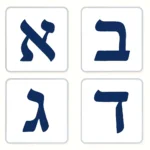
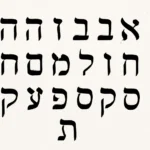
Alef-Beit beads (often marketed as Alef-Bet beads) representing the 22 consonant letters of the Hebrew alphabet.
Letter-set beads where each bead features a single letter in a clearly legible script.
Final-letter beads for the five sofit (final) forms: Kaf sofit, Mem sofit, Nun sofit, Pe sofit, and Tsadi sofit.
Word and phrase beads that may show common greetings or blessings (for example, שלום, ברכה).
Script variations such as blocks (Ktav Ashuri) or older scripts (Ktav Ivri) in bead form.
Premium beads distinguish themselves through quality materials, precise engraving, smooth edges, and durable finishes. They are designed not only for beauty but also for longevity, ensuring that jewelry stays vibrant through daily wear or special occasions.
Script styles and variations
One of the most interesting aspects of Hebrew alphabet beads is the script style used on the bead. Two primary traditions are common in bead production:
Ktav Ashuri (Square Hebrew Script)
Ktav Ashuri, also known as the square script, is the standard for modern Hebrew printing and formal inscriptions. Beads in this style tend to have bold, geometric forms with crisp angles. They are highly legible, even at small sizes, which makes them favored for jewelry that emphasizes readability and a contemporary look. Many premium bead lines emphasize Ktav Ashuri because it mirrors the Hebrew you would see in modern books or signage.
Ktav Ivri (Old Hebrew Script)
Ktav Ivri, or the old Hebrew script, has a more traditional and sometimes more vertically elongated appearance. It can evoke ancient manuscripts or historical charm. Beads in this style may appeal to designers seeking a classic or scholarly vibe—think of pieces designed for study groups, Torah study accessories, or heritage-focused items.
Beyond these two primary styles, some bead manufacturers offer ready-made sets that mix script styles for creative contrast, allowing a wearer to combine a modern look with a nod to tradition. For educational jewelry or teaching aids, presenting both styles can help learners recognize how Hebrew has evolved while connecting meaning to the letters themselves.
Materials and premium features
The material and finish of Hebrew alphabet beads largely determine their appearance, weight, and durability. Here are common options you’ll encounter in premium lines:
Glass beads with enamel or painted inscriptions. These are often smooth to the touch and available in a wide range of colors.
Acrylic or resin beads offering lightweight options with vibrant color. Premium acrylic beads can be cut and sealed for a polished finish.
Ceramic or porcelain beads that can carry a refined, tactile texture and a more substantial feel.
Natural stone or glass crystal beads for a luxe look, especially when paired with metallic findings.
Wood beads (painted or burned with inscriptions) for earthy, artisanal aesthetics.
Metal accents or inlays that frame a Hebrew letter with a touch of elegance, often used as spacers or charm-style beads.
Premium features you may see in high-quality Hebrew alphabet beads include:
Even lettering with consistent letter sizing and spacing to maximize legibility.
Chip-free edges or beveled edges that reduce snagging and improve handling.
Fade-resistant inks or enamels capable of withstanding wear and cleaning.
Numeric or color-coded backs for easier organization and assembly in kits or classroom sets.
Drilled-through holes aligned for uniform stringing, often with larger holes to accommodate thicker cords or braided threads.
When evaluating premium beads, consider how the material affects weight, comfort, and the intended use—delicate bracelets may favor lighter acrylic or glass, while a statement necklace might benefit from genuine stone or ceramic beads with rich color. Always check the care instructions for the chosen material to preserve the finish and legibility of the letters over time.
Completeness and set options
Bead sets vary in how they present the Hebrew alphabet. Buyers should think about coverage and usability for their projects.
Full alphabet sets include 22 beads, one for each consonant letter in the modern Hebrew alphabet.
Final form sets include the five final forms (sofit) to spell words that end with those letters in proper form.
Word or phrase collections pair common blessings or names with the corresponding letters, helping you spell typical terms like שלום (shalom) or אהבה (ahavah, love).
Bundles with spacers or separator beads to structure phrases and improve readability in a design.
Custom engraving options—some premium suppliers offer to print or engrave a specific letter on a bead or create a personalized set for a customer, such as a child’s name or a meaningful word.
When choosing a set, think about your intended message. If you want to spell a name, verify whether the transliteration aligns with Hebrew spelling conventions. If you’re after a blessing or a word with deep meaning, consider the vowels (from cantillation or transliteration) and how they are represented in the design, if at all. Some Israelites or Hebrew learners use vowel markers (nikkud) in educational beads, but most jewelry beads focus on consonantal spelling for visual simplicity.
Design ideas and how to use Hebrew beads in jewelry
Premium Hebrew alphabet beads can form a wide range of pieces with different aesthetics. Here are some engaging design directions:
Spell out Hebrew names on bracelets or necklaces. A common approach is a single-name chain with letters arranged to read right-to-left as in standard Hebrew.
Create meaningful words such as שלום (shalom, peace), אהבה (ahavah, love), ברכה (birka, blessing), or תקווה (tikva, hope).
Blessings and quotes like Adonai or short phrases that carry personal significance, crafted with careful spacing to ensure readability.
Layered or mixed media designs by combining Hebrew letter beads with letter charms or gemstone spacers for a contemporary heirloom look.
Educational pieces for classrooms or family learning circles, where each bead represents a letter the wearer can recite or trace.
For unique projects, designers may experiment with color symbolism (for instance, blue and white to echo the Israeli flag) or with materials that reflect the wearer’s personality. Premium beads offer the durability and finish to support such creative experiments without compromising comfort or wearability.
Choosing the right bead for your project
Selecting Hebrew alphabet beads involves balancing aesthetics, practicality, and learning goals. Consider these criteria:
Letter clarity: Choose beads where the letter is clearly printed or inscribed, even at the bead size you need.
Script preference: Decide between Ktav Ashuri (square) or Ktav Ivri (old). Some designers mix styles for visual interest, while others stick to a single look for cohesion.
Material and weight: Lighter acrylic beads suit everyday wear; glass or ceramic beads provide a more premium feel but are heavier and more delicate.
Bead size and hole diameter: Ensure the hole size accommodates your stringing material (thread, cord, or chain) and any spacers you plan to use.
Finish and durability: If your jewelry will be worn often or exposed to sunlight, choose fade-resistant finishes and sealed engravings.
Educational value: If the project is educational, consider beading sets that include pronunciation guides or transliteration notes for learners.
When in doubt, start with a starter set that includes a complete alphabet and a handful of common words. This gives you a baseline to experiment with layout, readability, and overall style before committing to a larger collection.
With proper care, premium beads retain their color, clarity, and legibility for years. Consider these guidelines:
Cleaning: Wipe beads with a soft, damp cloth. Avoid harsh chemicals that can wear enamel or paint.
Storage: Store beads in labeled containers or tiny organizers to prevent mixing and to preserve the order of letters for educational sets.
Handling: Be mindful of sharp edges on some ceramic or metal-inlay beads. Choose smooth, well-finished beads for children’s jewelry.
Wear considerations: If the piece will be frequently exposed to water or sweat (bracelets, anklets), choose materials known for water resistance (glass, acrylic) and sealant-coated finishes where appropriate.
Following these care tips helps ensure that the creative lettering remains legible and the piece remains comfortable to wear.
Educational and cultural value
Hebrew alphabet beads are not just decorative; they can be educational tools that introduce learners to the Hebrew alphabet, phonetics, and orthography in a tactile way. They support:
Alphabet recognition through hands-on spelling activities.
Right-to-left reading practice in a practical, real-world context.
Vocabulary building by spelling simple words and phrases with intention and meaning.
Cultural literacy through engagement with a language and script used by millions around the world.
For families and educators, premium Hebrew beads can be integrated into classroom kits, family learning time, or devotional items. They provide a tangible link between linguistic study and personal expression.
Variations and breadth of usage
To maximize semantic breadth, manufacturers and designers use a variety of bead variations and storytelling possibilities. Here are some notable variations you might encounter:
Bead shapes ranging from classic round beads to square, capsule, or faceted forms that create rhythm and texture in a design.
Color palettes that reflect cultural symbolism (blue and white predominance, earth tones for natural looks, or jewel tones for statement pieces).
Letter sizing with a mix of standard-sized beads and accent beads that carry larger Hebrew letters for emphasis.
Educational packs that pair letters with pictures or transliterations, aiding learners in connecting sounds to symbols.
Thematic bundles built around holidays, blessings, or life events (birth, bar/bat mitzvah, weddings).
Designers often combine several of these variations to create custom collections that align with a customer’s aesthetic and goals. This approach is particularly appealing for boutique studios and gift shops aiming to offer a distinctive line of Jewish or Hebrew-themed jewelry.
Design ideas: sample layouts and patterns
Below are practical layout ideas for common projects using Hebrew alphabet beads. These patterns illustrate how to balance readability with style:
Single-name bracelet: Place the letters of a name in a row, ending with a spacer bead. For visual coherence, keep the same script style (Ktav Ashuri or Ivri) across all beads.
Short blessing necklace: Spell a blessing such as ברכה (berakhah, blessing) or שלום (shalom) with one bead for each letter, centered on a chain with a small pendant that echoes the script style.
Phrase pendant: Use a short phrase like “אהבה” (ahavah, love) as a charm on a delicate necklace. Pair with neutral spacers to keep the phrase legible at a glance.
Educational charm bracelet: Alternate letter beads with simple motif beads (stars, letters in Roman script for transliteration, or color-coded spacers) for a kid-friendly learning piece.
Layered statement necklace: Combine multiple words in Hebrew with varying bead sizes and colors to create a layered effect while maintaining legibility.
When planning a design, consider the wearer’s comfort and the readability of the letters. A busy pattern can obscure individual letters, while a clean, minimal layout often communicates meaning more effectively.
Careful sourcing and ethical considerations
For many makers, the ethical footprint of components matters. When selecting Hebrew alphabet beads, look for:
Sustainable materials such as recycled glass, responsibly sourced wood, or low-impact ceramics.
Non-toxic finishes that are safe for skin contact, especially for children’s jewelry or items worn daily.
Transparent sourcing from suppliers who disclose manufacturing practices and supply chain information.
Fair-trade options where artisans are compensated fairly for their craft, promoting economic sustainability in communities that produce beads.
Choosing ethically produced beads aligns with a broader commitment to responsible crafting and respectful appreciation of the cultural symbols embedded in Hebrew letters.
Storage, organization, and project planning
As you accumulate alphabet bead sets, organization becomes essential. Consider these practical tips:
Labelled organizers by letter and by script style so you can quickly locate the bead you need.
Color-coded trays for different words or projects, making it easy to assemble phrases at a glance.
Project sheets that map out the intended spelling, order of beads, and the final layout on the jewelry piece.
Backups of favorite letters in case a bead splits or the finish fades, so you can maintain a consistent look across pieces.
For education-focused work, you might keep a master list of common Hebrew words and their letter beads, along with pronunciation guides, to expedite future projects.
How to start a project: a simple workflow
Here’s a practical workflow to begin a Hebrew alphabet bead project, whether you’re designing for personal use or selling as a handmade product:
Define the goal: Is this a name, a blessing, or a learning aid?
Choose script and material: Pick Ktav Ashuri for a modern look or Ktav Ivri for a traditional feel; select glass, acrylic, or ceramic based on use and budget.
Select beads: Gather 22 letter beads, plus any final forms you need, and include spacers if desired.
Layout planning: Create a rough sketch or digital mockup of the order of letters, including spacers and pendant placement.
Assemble: String the beads in the planned order, test readability, and adjust spacing as needed.
Finish: Attach fasteners, clasps, or pendants; ensure the piece sits comfortably on the intended wearer.
Care label: Include basic care instructions with the finished item to help customers maintain its beauty.
By following a deliberate workflow, you can produce consistent, professional results that highlight the beauty and meaning of the Hebrew alphabet.
Frequently asked questions about Hebrew alphabet beads
Below are answers to common questions about premium Hebrew beads. If you have a question not covered here, feel free to ask for more guidance.
Are there beads with vowel markers?
Most beads focus on consonants for legibility and durability, but some educational sets may include vowel markers or transliterations on the reverse side or on a separate teaching card.
Can I spell full sentences with Hebrew letter beads?
Yes, you can spell short sentences or names. For longer phrases, consider layering beads on a longer piece or using multiple strands to maintain legibility.
What is the best script style for a modern piece?
Ktav Ashuri (square script) is typically preferred for contemporary designs due to its bold, readable shapes.
How do I care for metal-inlay or enamel beads?
Follow the manufacturer’s care instructions. Generally, avoid harsh chemicals and store separately to prevent scratches or enamel chipping.
Are Hebrew letter beads suitable for children?
Many premium beads are child-safe and designed for easy handling, but parents should supervise younger children to prevent choking hazards and ensure safe stringing materials.
Glossary of key terms
To help you navigate product descriptions and design decisions, here are some concise definitions:
Alef-Beit or Alef-Bet beads: beads representing the 22 consonant letters of Hebrew.
Ktav Ashuri: the square, modern Hebrew script commonly used in printed text.
Ktav Ivri: the older Hebrew script often seen in ancient manuscripts.
Sofit letters: the final forms of certain letters used when a letter appears at the end of a word (e.g., ן, ם, ף, ץ, etc.).
Enamel finish: a colored coating that enhances readability and color vibrancy on beads.
Drilled-through bead: a bead with a hole drilled through, enabling stringing with thread, cord, or wire.
Premium Hebrew alphabet beads blend language, culture, and craft in a tangible, tactile medium. They enable wearers to carry a piece of meaning—whether a name, a blessing, or a word of intention—close to the heart. The variety of script styles, the range of materials, and the thoughtful design options mean that a single bead can become a gateway to conversation, memory, and identity. For makers, these beads provide a versatile and enduring canvas for creativity, teaching, and personal expression. Whether you’re constructing a tiny bracelet for a child learning the Hebrew alphabet or crafting a statement necklace that celebrates heritage, Hebrew alphabet beads offer a premium toolset that honors tradition while inviting modern design.