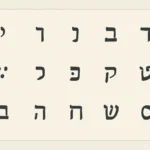
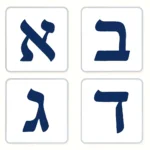
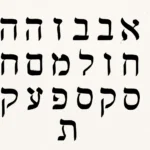
Welcome to Hebrew Alphabet Sounds: Pronunciation Guide with Letters and Audio. This article is designed for learners who want a thorough, practical understanding of how Hebrew letters sound in everyday speech, as well as in more formal or liturgical contexts. You will find a detailed, letter-by-letter guide to pronunciation, including modern usage, historical variations, and audio references you can listen to as you study. The goal is to equip you with the intuition to hear, reproduce, and distinguish the distinct sounds of Hebrew, along with tips for mastering vowels, diacritics, and consonant combinations.
Overview of Hebrew Sounds: Consonants, Vowels, and Variations
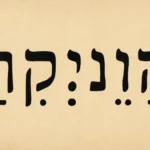
Hebrew has a set of 22 consonants and a system of vowels traditionally written with diacritics called niqquim (singular: niqquah). In Modern Hebrew, many vowels are not written, which means readers rely on context and lexical knowledge to infer pronunciation. The result is a dynamic language where sound is shaped by position in a word, the presence or absence of dagesh (a dot placed inside some letters), and the influence of neighboring sounds. You will often hear Hebrew described as a syllable-timed language with clear consonants and vowels that can shift slightly depending on emphasis, stress, or regional accent. This article uses a multi-voice approach: it presents the standard Modern Hebrew pronunciations, notes historic or regional variations (such as Ashkenazi, Sephardi, or Yemenite traditions), and provides audio references for auditory learning.
The Script, the Sounds, and How They Interact
The Hebrew script is fundamentally consonantal. Vowels are not always shown in everyday writing, but when they are, they appear as niqquim above, below, or inside the letters. A non-technical way to think about it is: the consonants provide the skeleton, and the vowels provide the flesh that makes words intelligible and distinct. A single difference in a vowel can change meaning completely, while a consonant change often creates a new word or even a new grammatical category. This section outlines the consonant framework and introduces the key vowel signs you will encounter as you read and speak.
Consonants of the Hebrew Alphabet: A Systematic Guide
Below is a structured tour of each letter, including its name, its modern Hebrew sound, notable alternations, how dagesh affects certain letters, and an audio sample you can listen to for practice. For each entry, you will see a short pronunciation note, typical transliterations, and example words. Where relevant, I call out differences in two-sound letters (like Shin and Sin), as well as gutturals and other special cases.
Aleph (א) and Glottal Support
Letter: Aleph
Sound in Modern Hebrew: generally silent or a very subtle glottal stop, especially in casual speech. In careful or emphatic speech, a light glottal onset can appear before a vowel.
Role: acts as a consonant in spelling but often does not contribute a distinct sound.
Vowel interaction: always accompanied by a vowel in actual speech; the vowel sound still comes from the following diacritic or implicit vowel.
Typical transliteration: ’ (apostrophe) to indicate a glottal stop or a placeholder for a vowel onset; sometimes omitted in transliteration.
In words like אל (aleph + lamed) or אבא (father), Aleph is present but not pronounced as a separate consonant. Listen to the audio: it demonstrates the almost silent role of Aleph in Modern Hebrew, while the following vowel sound carries the syllable.
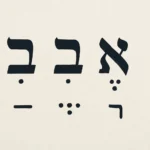
Bet (ב) and Vet (ב)
Letter: Bet
Modern Hebrew value: B as in «bad» when dagesh (dot) is present; V as in «vet» when the dot is absent.
Two-sound distinction: The presence or absence of dagesh in Beth determines whether you pronounce B (with dot) or V (without dot) in many vocabularies. In the modern standard, the dot is often omitted in rapid speech, but is still used in careful articulation.
Important note: In some older or Ashkenazi pronunciations, Bet with the dot was kept as a bilabial plosive, like [b], and without the dot as a fricative [v]. Modern Hebrew has standardized around the [b] and [v] distinction via dagesh presence.
Examples: ברוך (baruch: blessed) vs. ורד (vorad: rose, in certain contexts). The voice sample illustrates how the same letter can switch sound with dagesh, which is a critical nuance for accurate pronunciation and spelling.
Gimel (ג)
Sound: G as in «goat» in Modern Hebrew; no published softening unless dialect allows.
Notes: In combination with some vowels, Gimel’s pronunciation is straightforward, but it can assimilate to a softer or more palatal sound in certain contexts (rare in Modern Hebrew).
Notes: There is no dagesh variation; Dalet remains a plosive [d].
He (ה)
Sound: Usually a glottal or a slight breathy release in Modern Hebrew, but often silent in word-initial position when vowels follow.
Role: In many words, He marks feminine nouns or indicates a vowel placeholder, similar to a trailing aspirate.
Vav (ו)
Sound: In Modern Hebrew, W is not used; Vav commonly acts as a consonant V or as a vowel marker o or u when combined with niqquim or as a mater vav.
Vowel function: When not employed as a consonant, Vav carries vowels such as oh (Holam) or oo (Shuruk) depending on diacritics.
Zayin (ז)
Sound: Z as in «zoo».
Notes: Zayin is straightforward in Modern Hebrew, with a clear voicing.
Chet (ח) and Hey (ח in some spellings)
Chet: A fricative or aspirate in many dialects; in Modern Hebrew, it is a voiceless uvular fricative [χ] or a glottal fricative for some speakers, often sounding like a harsh «kh» or a breathy breath.
Hey: As above, often a breathy glottal in isolation; as a letter, it is typically a glottal stop or breathy release depending on context and vowel.
Tet (ט) and Tet with Dagesh
Sound: Typically T (as in «top»), with no dagesh variation in Modern Hebrew; some traditional cases may show a slightly aspirated release.
Yod (י)
Sound: Y as in «yes» when used as a consonant; can also function as a vowel marker indicating a short i sound when combined with niqquim.
Kaf (כ) and Chaf (ך/כ)
Sound: Modern Hebrew uses K as in «kite» when dagesh is present; Kh or Ch occurs in some Sephardic or older pronunciations when dagesh is absent. In the standard modern lexicon, it’s typically K.
Lamed (ל)
Sound: L as in «let».
Mem (מ) and Final Mem (ם)
Sound: M as in «mother». Final Mem is pronounced the same as Molded Mem in modern practice, but written as final form only in the end of syllables.
Sound: N as in «nine». Final Nun shares the same sound as the regular form.
Samekh (ס)
Sound: S as in «sun».
Ayin (ע)
Sound: In Modern Hebrew, typically silent or a glottal stop; historically a voiced pharyngeal/voiceless glottal stop depending on tradition. It often acts as a vowel placeholder without adding a separate consonant sound.
Pe (פ) and Fe (ף/פ)
Sound: Modern Hebrew uses P with dot (Peh) and F when there is an absence of the dot (Fe).
Tsadi (צ) and Final Tsadi (ץ)
Sound: Ts as in «fits» or «tsunami» depending on context; often realized as [ts] in careful speech or [t͡s] in fast speech; Final Tsadi retains the same sound but appears at the end of the word.
Qof (ק)
Sound: Typically a voiceless [k] or a slightly uvular [q]-like stop in some dialects; in Modern Hebrew it is commonly realized as a hard [k] before vowels unless followed by certain vowels that influence articulation.
Resh (ر) and Rish (ר)
Sound: Modern Hebrew Resh is a rolled or tapped R depending on the speaker; many speakers produce a uvular or alveolar trill or tap, with regional variation in Israel and diaspora communities.
Shin (ש) and Sin (ש)
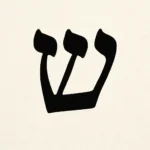
Sound: The letter Shin typically represents SH as in «shy» when it has a dot on the right (שׁ). Sin represents S when the dot is on the left (שׂ). In Modern Hebrew, the dot system is standard, and most readers default to SH unless the text uses Sin intentionally.
Practice tip: When you see ש with the dot on the left, pronounce S. When the dot is on the right, pronounce SH.
Tav (ת)
Sound: Modern Hebrew uses T as the default pronunciation, especially in the standard lexicon. Historically there was a distinction between T and Th like in some Semitic languages, but in contemporary usage T is the norm.
Vowels in Hebrew: Reading the Quiet Core of Speech
While the consonantal system is the backbone, the vowels are the voice that makes a word alive. In Hebrew, vowel signs (niqquim) are diacritical marks placed near or under letters to indicate sounds. The same consonant can accompany different vowels to produce a variety of syllables and meanings. Here are the commonly encountered vowels and their approximate sounds in Modern Hebrew, along with example syllables:
Patakh (ַ) = a as in father or car; example: מַה (ma) meaning «what».
Kamatz (ָ) = a often longer; in many contexts sounds like ah.
Segol (ֶ) = e as in «bed».
Tzere (ֵ) = e as in «they» or «say» depending on stress and regional accent.
Hirek (ִ) = i as in «machine» (short /i/ or long depending on context and vowel length).
Holam (ֹ) or הפעולה Holam Male (holam): = o as in «go».
Holam Chadash (special dot above Vav) = o with a reserved form when Vav is used as a vowel.
Shuruk (וּ) = u as in «zoo».
Kubuts (ֻ) = u as in «put» (more common in Biblical or liturgical contexts than in everyday Modern Hebrew).
Sheva (ְ) = either a very short e or a silent placeholder; in practice, it often indicates the absence of a vowel or a reduced vowel between consonants.
Because Israeli Hebrew relies heavily on context, readers learn to recognize vowels through exposure. For learners, using vowel-enabled texts or audio aids is essential to internalize correct pronunciation and to distinguish words that are otherwise identical apart from vowels.
Pronunciation Guides: Practical Tips and Sound Patterns
Here are practical patterns and tips to help you hear and reproduce Hebrew sounds accurately. The examples focus on common words and phrases you are likely to encounter as you begin to speak, read, and listen in Hebrew.
Consonant clusters: Hebrew often uses consonant clusters at the start or end of syllables. Listen for the crisp stop consonants and ensure you do not turn them into a single, smeared sound. For instance, a simple word like ספר (sfaR), meaning «book,» uses clear S and P/T-like sounds depending on root and vowels.
Vowel variation: A single root with different vowels yields different words. The letters may be the same, but the vowels create entirely new meanings; for example, מים (mayim, water) vs. מִים (mi’im, waters of). Paying attention to vowels is essential for comprehension and correct pronunciation.
Softening vs. hardening: Some speakers make a softer R or a lighter K depending on emphasis. If you hear an alveolar trill, imitate the pattern; if you hear a tap, adjust accordingly.
Word stress: In Modern Hebrew, stress tends to fall on the penultimate syllable in most words, though there are many exceptions. The stress pattern affects how vowels sound, especially the pitch and vowel length perception in listening.
Regional influence: Diaspora communities may retain phonetic traits from their languages of origin. If you learn from Israeli media, aim to replicate the Israeli Modern Hebrew standard; if you study with Sephardic or Ashkenazi resources, you’ll encounter genuine regional differences in consonant pronunciation and intonation.
Audio-Guided Practice: Listening and Repeatable Models
Audio is a crucial tool for mastering Hebrew sounds. The audio samples linked throughout this article provide native or near-native pronunciations for each letter and core vowel pattern. Use these steps to get the most from the audio guides:
Listen first to a letter or vowel combination without repeating. Focus on the segment’s mouth shape, airflow, and rhythm.
Repeat after you listen. Mimic the pace and emphasis; don’t rush your reproduction until you can comfortably match the sample.
Record yourself saying the letter or word and compare with the audio sample. Note any differences in voicing, aspiration, or place of articulation.
Context practice: Once you feel confident with isolated sounds, practice with simple words that combine those sounds. Then progress to phrases and sentences to internalize rhythm and intonation.
Two Popular Pronunciation Traditions and Their Distinctions
While Modern Hebrew provides a standardized set of sounds for most learners, two broad traditions historically influence learners and scholars: Sephardi/Mouline and Aškenazi pronunciations. A third group, Yemenite, is influential in liturgical and traditional contexts. Here are some key contrasts you might encounter:
Aleph and Ayin: In some older Ashkenazi pronunciations, these letters could carry a glottal or pharyngeal quality; in Modern Hebrew, they are typically silent or very light glottal releases. Sephardic traditions may preserve a more audible glottal or glottal-like onset in careful speech.
Kaf and Chaf: In Ashkenazi speech, Kaf with a dot (dagish) sometimes resisted as a hard K, while without the dot can have a more velar or throat-voice quality in some dialects. Sephardic and Modern Hebrew typically maintain the clean K sound without additional frication.
Shin and Sin: The dual-dot system is common in many traditions, where the dot location (right vs left) distinguishes SH from S. In Modern Hebrew, most readers interpret the dot as SH unless there is a left-dot instance for Sin.
A Quick Reference: Sound Map and Examples
Here is a compact guide you can use as you study. Each entry includes the letter, its modern sound, and an example word to practice. The examples include vowels or diacritic contexts to illustrate typical pronunciations.
Learning Hebrew pronunciation comes with a few common challenges. Here are practical tips to help you anticipate and overcome them:
Ignore the silent letters: Aleph and Ayin can be silent in Modern Hebrew; do not force a sound that isn’t there. Vowels carry the syllable’s voice.
Don’t assume dagesh equals a stronger sound in all situations: The dagesh in Bet, Kaf, and Pe is a guide for a stop/plosive or a hard consonant; if it’s absent, expect a softer or fricative sound in some dialects.
Keep Shin and Sin distinct: The dot placement for Shin and Sin is critical in reading. Practice with minimal pairs like שׁ (SH) vs. שׂ (S) to internalize the distinction.
Vowel omission in writing: In everyday text, you may not see niqquim. Build a mental map of common words with built-in vowels and practice reading aloud with context cues.
Regional variation matters: If you study with a specific community’s dialect, be mindful that some sounds may be subtly different (e.g., the softness of certain fricatives). Try to align your practice with your target audience or locale.
Putting It All Together: A Step-by-Step Study Plan
To maximize your learning, use a structured plan that builds from recognition to production. Here is a practical 6-week plan you can adapt to your schedule:
Week 1: Alphabet and basic consonants — memorize letter shapes, names, and Modern Hebrew sounds. Focus on Aleph through Tet; listen to the audio samples repeatedly.
Week 2: Right and left dot rules — study Shin/Sin and Bet with/without dagesh; learn how dagesh alters sound in everyday words.
Week 3: Vowels in context — practice short-vowel patterns with common words; read aloud with audio support; emphasize correct vowel placement.
Week 4: Final forms and diacritics — memorize final forms (Mem, Nun, Tsadi, Fe/Pe, Kaf) and how vowels shape syllables at word endings.
Week 5: Speaking practice — construct simple phrases; practice with audio prompts and try to imitate intonation patterns in sample sentences.
Week 6: Reading and listening immersion — read short passages, songs, or dialogues; listen to native speech and annotate the vowel patterns you hear.
Here are some recommended ways to deepen your learning beyond this article:
Audio libraries: Use the embedded audio samples for each letter to practice a daily routine. Revisit the samples regularly to improve recall and accuracy.
Phonetic guides: Look for phonetic transcriptions alongside Hebrew text when you’re starting out; they can help you map each letter to its sound more precisely.
Dictionary tools: A good bilingual Hebrew-English dictionary can show you how a word is pronounced and where the vowels occur, helping you connect sound to spelling.
Language exchange: Practice with native speakers or language partners who can give you feedback on pronunciation and intonation.
Conclusion: Building Confidence in Hebrew Sounds
Understanding Hebrew alphabet sounds requires patience and consistent practice, especially given the silent tendencies of vowels in everyday text and the nuanced role of diacritics. Through deliberate listening, careful reproduction, and repeated exposure to authentic audio, you will gain a robust sense of how each letter contributes to speech. The combination of a solid consonant framework with a well-understood vowel system enables you to read more confidently and speak with clearer pronunciation. The audio references included throughout this article are intended to support your journey by giving you direct listening examples you can imitate. With time, you’ll be able to hear the boundaries between similar sounds more clearly and pronounce Hebrew with greater accuracy and naturalness.
If you’d like, I can generate a printable sound-map or a compact pocket guide summarizing key letters, their pronunciations, and example words you can carry with you as you practice.