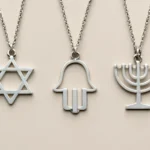
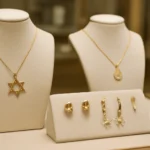
Jewish jewelry spans a broad spectrum of motifs, each carrying a unique set of associations. While not every symbol carries the same historical weight for every Jew, certain emblems have achieved widespread recognition for protection, blessing, or remembrance. The most enduring symbols include the Star of David, the Hamsa, the Chai (life), the Menorah, the Etz Chaim (Tree of Life), and the Pomegranate. Beyond these, many designers incorporate Mezuzah motifs, Torah Scrolls, and the Lion of Judah to convey lineage, faith, and resilience. Each symbol is layered with history and interpretive meaning, allowing jewelry to function as both adornment and symbol-bearing artifact.
Historical Roots and Cultural Context
To understand how Jewish jewelry symbols live in the present, it helps to consider their historical context. Some motifs sprang from ancient or medieval imagery, while others emerged only in modern times as communities sought visible expressions of Jewish Identity. Below are key threads that shape how these symbols evolved and are used today.
Symbolic origins: Symbols like the Star of David have layered origins. Although associated with Judaism today, the hexagram as a geometric motif appears in many cultures. In Jewish history, it gained prominence in the medieval period and became emblematic of Jewish identity in the modern era.
Protection and blessing: The Hamsa—a hand motif believed to ward off the evil eye—transcends religious boundaries in many Middle Eastern and North African communities. In Jewish contexts, it is often perceived as a protective emblem for the wearer and their home.
Life and continuity: Symbols such as Chai (life) and Etz Chaim (Tree of Life) express fundamental Jewish values: the sanctity of life, resilience, and the continuity of tradition through generations.
Redemption and memory: The Menorah evokes the ancient Temple menorah and the miracle of Hanukkah, linking daily life with memory of miracles and spiritual renewal.
Ritual and Torah: The Torah Scroll and Mezuzah motifs anchor jewelry in the sacred texts and home rituals that mark Jewish life moments, from weddings to bar/bat mitzvahs.
Key Symbols in Jewish Jewelry
Star of David (Magen David)
The Star of David, or Magen David in Hebrew, is among the most recognizable Jewish symbols in jewelry today. Its geometric form—two interlocking triangles forming a hexagram—has been used as an emblem of Jewish identity since at least the medieval period. In jewelry, this symbol appears in a range of forms, from simple, clean outlines to ornate, gemstone-studded designs.
Variations you’ll often encounter include:
Solid star pendant in gold or silver with a smooth finish.
Interlaced or interwoven triangles, sometimes with a circle or bezel surrounding the star for a cohesive focal point.
Textured or hammered surfaces that catch light in a rustic or artisanal way.
Enamel or gemstone accents, with blue enamel or sapphires, diamonds, or other stones that add color and richness.
Circle encloses designs (the star enclosed by a ring), which can symbolize unity, eternity, or a sense of protection around the wearer.
Combo motifs, where the Star of David sits alongside other symbols like the Hamsa, the Crown, or a Torah scroll—creating layered symbolism in a single piece.
Historically, the Star of David has become a social and national emblem in modern times, notably associated with the State of Israel and Jewish communal identity. In jewelry, it is frequently chosen as a personal talisman or heirloom, signifying a connection to tradition, family, and faith.
Hamsa (Hand of God, Hand of Miriam) in Jewish Jewelry
Although the Hamsa is widely recognized in Middle Eastern and North African jewelry, it also holds a meaningful place in Jewish wearables. Often described as the Hand of God or, in some communities, as the Hand of Miriam, the Hamsa is believed to provide protection against the evil eye and to bring luck, happiness, and good fortune.
Common design approaches include:
Hamsa with an eye centrally placed on the palm, a classic protective motif.
Hamsa with spiritual inscriptions such as Hebrew blessings or words like “Chai” or “Peace.”
Hamsa integrated with other symbols, such as a Star of David, a Tree of Life, or a Mezuzah motif for layered meaning.
Blue and turquoise tones, echoing the traditional colors associated with protective talismans in Jewish and regional jewelry.
Hamsa pendants can function as an everyday protective charm or as a culturally specific piece tied to ancestry and diaspora. The design’s universal appeal lies in its accessible shape—an open palm that feels welcoming and protective to many wearers.
Chai (Life) Symbol
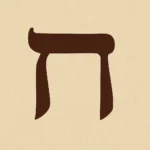
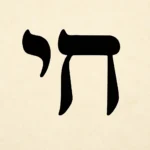
The Chai symbol—comprising the Hebrew letters Chet and Yud—literally means “life.” It is one of the most common words seen on Jewish jewelry and is often given as a blessing for a long life or as a reminder to live with purpose and spirituality.
Design variations include:
Block or script Hebrew lettering forming the literal word “Chai.”
Chai formed as a pendant with integrated stones or metalwork that highlights the calligraphy.
Chai within a circle or attached to a heart, symbolizing life as a central value in love and family.
Chai jewelry frequently appears in pairs or as part of a larger design on a pendant that also includes other symbols. It is commonly given as a wedding or bar/bat mitzvah gift, emphasizing the blessing of a full and meaningful life.
Menorah
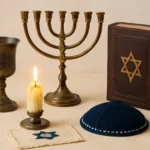
The Menorah is one of Judaism’s oldest ritual symbols, traditionally a seven-branched lampstand used in the ancient Temple in Jerusalem. In jewelry, the menorah embodies continuity, enlightenment, and the miracle of Hanukkah. Some pieces opt for a stylized, minimalist menorah, while others present a more elaborate depiction with flames, gemstones, or precious metals.
Variants you’ll see:
Seven-branched menorah as a simple, timeless icon suitable for daily wear.
Hanukkah menorah (menorah with eight branches for eight nights) reflecting the festival’s miracle and endurance.
Miniature menorah designs embedded with diamonds or colored enamel for a festive touch.
Combination pieces that pair a menorah with a Star of David or a Torah scroll to evoke the broader Hanukkah and Jewish story.
As a symbol, the menorah often appears on religious and ceremonial jewelry and serves as a reminder of resilience, spiritual light, and the covenant with God.
Etz Chaim (Tree of Life)
The Etz Chaim, or Tree of Life, is another deeply meaningful motif in Jewish jewelry. It represents growth, continuity, and the interconnectedness of life, Torah, and the community. The tree’s branches symbolize the flourishing of Jewish knowledge and heritage, rooted in tradition and Torah study.
Design approaches include:
Tree with roots and branches spread across a pendant, suggesting strength and growth.
Tree entwined with fruits or pomegranates, which emphasize abundance and the命 commandments (mitzvot).
Etz Chaim integrated with microglyphs—tiny Hebrew letters or symbols along the trunk or branches.
Etz Chaim jewelry is popular for weddings, bar/bat mitzvahs, and as a gift for graduates or newcomers to a study of Torah.
Pomegranate
The Pomegranate is a symbol laden with biblical and cultural significance. In Jewish tradition, it is said to have 613 seeds—corresponding to the 613 commandments of the Torah—making it a powerful emblem of righteousness and abundance. Jewelry featuring pomegranates is commonly worn as a blessing for fertility, fertility, and the fulfillment of commandments.
Common design elements:
Pomegranate-shaped pendants filled with small gemstones to symbolize seeds.
Pomegranate motifs on a bracelet or ring that carry the message of prosperity and spiritual richness.
Delicated enamel pomegranates in red or pomegranate tones to evoke fruitfulness and vitality.
Mezuzah
A Mezuzah on jewelry is a wearable reminder of home and faith. The mezuzah, a parchment scroll containing verses from the Shema, is traditionally placed on doorposts. In jewelry, mezuzah motifs translate the idea of divine protection and blessing into a portable keepsake.
Design variations:
Mezuzah-shaped pendants that open to reveal a tiny scroll or etched blessing.
Mezuzah with Hebrew blessings inscribed on the casing, often alongside other symbols like the Star of David or Hamsa.
Miniature mezuzah charms used as bracelet or necklace accents for daily reminder of home and faith.
Torah Scroll
The Torah Scroll motif evokes the sacred text that guides Jewish life. Jewelry featuring a rolled scroll can symbolize study, wisdom, and a commitment to learning. It’s a popular choice for graduates, scholars, and those who want to celebrate a life of study and faith.
Design options include:
Torah scroll pendants with etched calligraphy or glyphs resembling script.
Scrolls with a mitzvah inscription, such as a blessing or verse from the Shema or a favorite Torah verse.
Decorative scroll motifs integrated into larger pieces that combine multiple symbols for layered symbolism.
Lion of Judah
The Lion of Judah is a regal emblem associated with strength, leadership, and the tribe of Judah. It is widely used in jewelry to convey courage, resilience, and a link to Jewish heritage and the modern history of Israel and the Jewish people.
Designs range from:
Lion pendants with a mane that may be stylized or lifelike.
Lion motifs perched atop a shield or ring, symbolizing protection and fortitude.
Combination pieces where the lion sits with a Star of David or a menorah to reinforce a message of national and spiritual strength.
Additional Motifs and Design Variations
Beyond the core symbols, jewelry designers frequently blend motifs to tell a broader story. Here are some common variations and cross-symbol combinations you’ll encounter in modern collections.
Star of David with crown or laurel accents, linking divine protection with royal heritage.
Combination pendants that pair a Star of David with a Hamsa, a Torah scroll, or a Tree of Life to convey multiple facets of identity.
Bridge designs that connect two or more symbols with a delicate chain, signaling unity between tradition and personal narrative.
Color symbolism using blue enamel, turquoise, or lapis as a nod to talismanic traditions or to echo Jewish community flag colors.
Material variations including high-karat gold, sterling silver, vermeil, and mixed-metal combinations with diamonds, emeralds, or citrines for a contemporary look.
Materials, Craft, and Design Considerations
When choosing Jewish jewelry, material quality and craftsmanship matter as much as the symbol itself. Jewelry that intends to carry meaning often aspires to durability, clarity of symbolism, and ethical sourcing. Here are important considerations to keep in mind.
Metal options: Gold (yellow, white, rose), sterling silver, and platinum are the most common bases. Gold hues can convey warmth and tradition, while silver offers a modern, understated aesthetic.
Gemstone choices: Diamonds, sapphires, rubies, and other stones are used to highlight focal points or add color symbolism. For example, blue stones may evoke the heavens or the water element associated with protection and tranquility.
Enamel work: White, blue, or black enamel can bring vibrancy and a classic look to symbols like the Star of David or Hamsa while preserving legibility of inscriptions.
Inscriptions: Some pieces include Hebrew phrases, blessings, or verses. When choosing inscribed jewelry, consider legibility, font style, and whether transliterations are included if you read Hebrew.
Ethical and cultural considerations: Some buyers prioritize responsibly sourced metals and conflict-free stones. In addition, it’s respectful to consider community norms and the wearer’s sentiment about certain symbols in particular contexts (for example, pride in heritage vs. religious observance, or diaspora versus homeland symbolism).
Care and Maintenance of Jewish Jewelry Symbols
To preserve the beauty and significance of these pieces, proper care matters. Here are practical tips to keep jewelry symbols looking their best for years to come.
Regular cleaning using a soft cloth and mild soap to prevent tarnish, especially for silver pieces.
Professional inspection every year or two to assess settings, prongs, and clasp reliability—important for pieces with stones or delicate enamel.
Storage in a fabric-lined box or a jewelry pouch to protect enamel, gemstones, and precious metal finishes from scratches.
Avoiding harsh chemicals such as chlorine or strong cleaners that can affect metal and enamel finishes.
Wearing considerations for daily wear vs. special occasions—some symbols are best displayed with care, particularly if the design includes fragile enamel or small stones.
Purchasing Guidance: Authenticity, Meaning, and Personal Fit
Choosing a piece of Jewish jewelry is both a matter of aesthetics and personal resonance. The symbolism you choose might reflect family heritage, religious practice, or personal memory. Here are guidelines to help you make a thoughtful selection.
Clarify symbolism: If you’re buying for yourself or as a gift, consider which symbols most closely reflect the wearer’s identity, values, and history. Some people prefer a single clear symbol; others appreciate a layered piece that combines several motifs.
Check craftsmanship: Look for clean lines, secure settings, and even surfaces. For symbolic pieces with inscriptions, ensure the script is legible and correctly formed.
Evaluate the finish: Decide between polished, matte, or brushed finishes, and whether the piece should be highly reflective or more understated for daily wear.
Consider sizing and wearability: Pendant lengths, chain thickness, and ring sizes influence wearability and comfort for daily use or special occasions.
Respect cultural contexts: Some symbols carry different connotations in various communities. If you’re purchasing for someone else, be mindful of their background and preferences.
Popular Settings and Occasions for Jewish Jewelry
Jewelry featuring biblical and rabbinic symbols is often chosen not only for daily wear but also for life events. Here are typical contexts in which these pieces appear and why they matter.
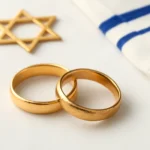
Weddings—Chai, Torah scrolls, and pomegranate motifs are common in bridal jewelry or wedding jewelry sets, symbolizing life, learning, and blessing.
Bar/Bat Mitzvahs—Designs featuring the Mezuzah, Torah Scroll, or Etz Chaim celebrate the coming-of-age moment and commitment to study and community.
Births and祝—Hamsa and Chai motifs are popular as gifts for newborns or newborn-turned-into-family milestones, blessing the child with protection and longevity.
Memorial or heritage pieces—Some wearers choose symbols that honor memory of loved ones, heritage, or historical events connected with Jewish identity.
Festive occasions—Hanukkah-themed menorah jewelry or Star of David pieces are meaningful gifts during Hanukkah, Shabbat, or Jewish holidays.
Symbolic Interpretations Across Communities
Jewish jewelry is made and worn across diverse communities—Ashkenazi, Sephardi, Mizrahi, and others—each bringing distinctive stylistic preferences. While the core meanings of symbols remain shared, the way they’re interpreted and celebrated can vary.
Ashkenazi traditions often emphasize classic forms and understated elegance in silver or gold with clean lines and traditional Hebrew inscriptions.
Sephardi and Mizrahi influences frequently incorporate vibrant enamel work, bold color palettes, and motifs drawn from the broader Mediterranean and Middle Eastern visual language.
Diaspora narratives may blend motifs with modern design language, creating pieces that signal both continuity and adaptation—bridging ancient meaning with contemporary fashion.
Design Inspirations and Modern Interpretations
Contemporary designers often reinterpret traditional symbols to create jewelry that is both meaningful and wearable in everyday life. Here are some design trends you might encounter:
Minimalist symbolism—Simple Star of David outlines, barely-there Hamsa silhouettes, or a small Chai pendant that makes a gentle, elegant statement.
Geometric fusion—Interlaced triangles, hexagonal motifs, and modular pieces that echo ancient forms while adopting a modern geometric sensibility.
Mixed metals—Pairs of gold and silver elements, often with a splash of enamel color, to create versatile pieces that coordinate with a wide wardrobe.
Engraved inscriptions—Biblical verses, blessings, or names engraved in Hebrew or transliteration, adding a personal touch that makes a piece truly one-of-a-kind.
Statement pendants—Bold, brightly colored stones or dramatic settings that transform a symbol into a focal piece for ceremonial wear or special occasions.
Ethical Considerations and Cultural Sensitivity
As with any form of cultural expression, it’s important to approach Jewish jewelry with respect and awareness. Consider the following:
Authenticity: When possible, purchase from reputable artisans known for quality craftsmanship and ethical sourcing of materials.
Symbol accuracy: If selecting specific Hebrew inscriptions or textual elements, confirm the exact wording and its correct spelling to honor the tradition.
Community norms: Some symbols carry different levels of religious or communal significance for various groups; understanding the wearer’s background helps ensure appropriateness.
Gifting etiquette: If you’re gifting, consider whether the recipient directly identifies with the symbol or if a more generalized motif would be more meaningful or appreciated.
Conclusion: The Power of Meaningful Adornment
Jewish jewelry stands at the crossroads of faith, history, and personal identity. Whether you are attracted to the bold symbolism of the Star of David, the protective comfort of the Hamsa, the life-affirming message of the Chai, or the timeless reverence of the Menorah and Etz Chaim, each piece offers a way to carry heritage with you. The enduring appeal of these symbols lies not only in their aesthetic beauty but in their capacity to tell stories—of ancestors who kept faith through generations, of communities that thrived in diaspora, and of individuals who choose to wear a daily reminder of purpose, protection, blessing, and hope.
Whether you are exploring Jewish jewelry for yourself, seeking a meaningful gift for a milestone, or collecting legacy pieces to pass down in a family, the symbols described here provide a rich vocabulary. By understanding their meanings, historical contexts, and contemporary reinterpretations, you can select pieces that feel historically informed, personally resonant, and elegantly designed for modern life. In every pendant, charm, or bracelet, the ancient language of Jewish symbol jewelry continues to speak—quietly, beautifully, and with enduring relevance.