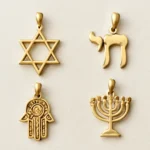
The Chai pendant is one of the most recognizable symbols in Jewish jewelry. It is typically a small charm or necklace featuring the Hebrew letters Chai—Chet (ח) and Yud (י)—that together spell the word “life.” In Jewish tradition, Chai is not merely a word; it is a concept, a tribute to vitality, resilience, and the ongoing blessing of living. Wearing a chai Jewish pendant can serve as a personal reminder of family, community, and purpose, and it has become a meaningful gift that can accompany someone through milestones, everyday moments, or times when encouragement feels especially welcome.
While the core idea is simple—an emblem of life—the Chai necklace comes in a broad range of designs. Some pendants feature the two letters alone in clean, modern lines, while others are crafted in a more ornate style with openwork, pavé stones, or additional symbols. The chai jewelry family also includes variations such as the double chai pendant, the Chai with heart, and the Chai and Star of David combinations, offering different vibes from minimalist to ceremonial.
Meaning and symbolism: why the chai matters
At its core, the Chai symbol embodies life and living. Its message has resonance across generations and communities, making it a unifying emblem within Jewish culture. Here are some of the most common layers of meaning people associate with the Chai pendant:
Life and vitality: The word itself is a direct reminder to cherish life and to live fully.
Continuity: The pendant is often worn to symbolize continuity of family line and tradition, from ancestors to descendants.
Protection and blessing: In many families, a Chai pendant is given as a blessing for health, happiness, and success.
Identity and belonging: Wearing the Chai necklace can be a visible sign of Jewish identity and connection to the faith and history of the Jewish people.
Numerology (the value of 18): In Hebrew numerology, the letters in Chai total 18, which has long been associated with good fortune and blessings. As a result, many people choose multiples of 18 in their jewelry, or pair a single Chai with additional 18s for a layered meaning.
Historically, the Chai emblem appears in a variety of Judaic contexts, from mezuzah scrolls to ceremonial art. The pendant form, however, makes the symbol accessible as daily wear—a compact talisman that still carries a profound spiritual message. Whether you view it as a personal talisman, a family heirloom, or a meaningful gift, the Chai pendant holds a ceremonial weight while remaining versatile enough for everyday use.
Historical and cultural context of the chai pendant
The Chai symbol has roots in ancient Hebrew language and Jewish tradition. While the exact origin of the pendant as a common jewelry item is more modern, the symbol has long functioned as a call to celebrate life. In many Jewish communities, small Chai charms have been exchanged as tokens of blessing during milestones such as weddings, births, bar/bat mitzvahs, and significant life changes. The pendant form popularized in the 20th and 21st centuries as artisans began to translate this ancient concept into contemporary jewelry, blending traditional symbolism with new materials, typography, and design sensibilities.
Today, designers around the world offer a spectrum of Chai jewelry—from traditional, Hebrew-script charms to sleek, contemporary interpretations that emphasize the geometry of the letters. This evolution has allowed the chai pendant to cross cultural boundaries while remaining deeply rooted in Jewish identity. For someone exploring Jewish jewelry for the first time, a Chai pendant can be a gentle gateway into a broader conversation about tradition, meaning, and personal symbolism.
Styles and design ideas: how to choose a chai pendant
When selecting a Chai pendant, consider not only aesthetics but also how the piece will be worn and what it will symbolize for you or the recipient. Here are several popular design directions to help you navigate the options.
Classic and minimalist Chai pendants
A classic Chai pendant often features a clean, bold set of Hebrew letters in a simple outline or solid form. Materials are typically sterling silver or 14K gold, and the overall silhouette favors a concise, legible script. Minimalist designs are ideal for everyday wear, professional settings, and stacking with other pieces without competing attention.
Openwork and filigree Chai pendants
Openwork or filigree styles weave the letters into delicate negative space, creating a lightweight pendant with visual texture. These pieces can feel airy and feminine or sophisticated and architectural, depending on the metal and finish. Filigree Chai pendants pair well with fine chains and can be layered with other symbols or birthstone accents for a personalized look.
For a stronger emphasis on the concept of life and vitality, many designers create a double Chai pendant that features two Chai symbols, sometimes connected or arranged back-to-back. Some variations include a second pendant or an additional charm that echoes the theme, such as a second life-inspired motif or a small heart. This design language highlights abundance, two lives (for a couple, a parent and child, or two generations), and reciprocal blessings.
Chai with gemstones and color accents
Color and sparkle can transform the Chai necklace into a more luxurious or playful piece. Gemstones—such as diamonds, sapphires, emeralds, or birthstones—can be set as accents on the letters or surrounding the pendant. Colored enamel or ceramic inlays also offer vibrant options that can reflect personal taste or the wearer’s birth month.
Chai with integrated symbols
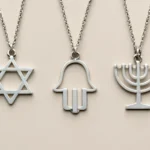
Some pendant designs blend the Chai with other meaningful symbols, such as the Star of David, a menorah, or a hamsa motif. These combinations can convey a broader sense of Jewish heritage and spirituality, making them particularly suitable as heirloom pieces or gifts for milestones. When selecting a combined symbol pendant, make sure the overall composition feels balanced and legible at typical necklace lengths.
Two-tone and mixed-metal Chai pieces
Two-tone pieces—such as a silver Chai with a gold outline, or a gold-lettered Chai set against a silver disk—offer a contemporary visual interest that can coordinate with other jewelry. Mixed-metal designs are popular for those who want a flexible accessory that works with a wider range of outfits and metals in a jewelry box.
Materials and craftsmanship
The material choice for the Chai pendant affects durability, color, weight, and price. Here are common materials and what they bring to the design:
Sterling silver (92.5% silver) offers a bright, classic look that works well for everyday wear. It’s generally more affordable and easy to care for with regular polishing.
Gold (14K, 18K or higher) brings warmth and a sense of luxury. Yellow gold for traditional charm, white gold for a modern silhouette, or rose gold for a soft, romantic vibe.
Gold vermeil provides a gold finish over a base metal, offering a budget-friendly option with the appearance of gold but at a lower price point.
Stainless steel and other durable metals are popular for bold, contemporary designs and for men’s jewelry, especially when a heavier or more industrial aesthetic is desired.
Enamel, gemstones, and pavé accents add color and sparkle, elevating the piece from everyday wear to a statement accessory.
Craftsmanship matters as much as the material. Look for clean, precise lettering in the Hebrew script, secure stone settings if stones are used, and solid jump rings that will hold the pendant securely on a chain. Reputable jewelers often provide information about the metal’s purity, hallmarks, and care instructions, which helps ensure you’re getting a piece that will endure through years of wear.
How to wear a chai pendant: styling ideas
Choosing how to wear a Chai pendant depends on your personal style, the occasions you attend, and how you want the symbol to resonate with your look. Here are some practical styling ideas to help you plan outfits and layering strategies.
Everyday casual: Pair a small, minimalist Chai pendant with a cotton tee, denim jacket, and a simple chain. A sterling silver or white gold option can keep the look crisp and modern.
Office-appropriate: Choose a refined, understated Chai necklace in a matte finish on a medium-length chain. Layer with a subtle watch and another delicate pendant for a composed, professional appearance.
Evening and formal: Opt for a polished gold or rose-gold Chai pendant with a hint of gemstones. Pair it with a sleek dress or blazer to create a balanced, elegant silhouette.
Layering and stacking: Layer two or three pendants of varying lengths, including a double Chai pendant, a small heart charm, and a birthstone charm. This creates a gallery-like effect that’s visually rich and personal.
Seasonal and thematic looks: For Hanukkah or other Jewish holidays, use a pendant with additional symbols (such as a menorah or Star of David) to echo the season’s themes, while keeping the central Chai as the anchor.
When choosing a chain, consider length and thickness. A classic 18-inch chain is a versatile starting point for a standard pendant, but longer lengths (20–24 inches) allow the pendant to sit lower on the chest for a more dramatic, fashionable statement. If the pendant is heavier due to metals or stones, you may prefer a sturdier chain to ensure durability and comfort throughout the day.
Gifting, occasions, and meaning-in-moment choices
The Chai pendant makes for a thoughtful and meaningful gift across a variety of life events. Its symbolism—life, vitality, and connection—resonates with many different recipients. Here are common occasions and how a Chai necklace can fit:
Bar or Bat Mitzvah: A ceremonial milestone where a Chai pendant can symbolize the start of a lifelong Jewish identity and responsibility.
Wedding or anniversary: A Chai pendant given to a spouse or family member can signify enduring life together and growth as a couple.
Birth of a child: Parents may gift a Chai pendant to celebrate life and welcome a new generation into the family.
Birthday or personal milestone: The pendant serves as a personal reminder to celebrate vitality and resilience.
Recovery and resilience: A Chai pendant can be a beacon of strength during illness or after a difficult period, offering comfort and encouragement.
When gifting, consider pairing the pendant with a note that explains the meaning of chai and how the symbol reflects the recipient’s journey. A well-chosen note elevates the piece from a beautiful artifact to a deeply personal keepsake.
Where to buy a chai pendant: guides to finding authentic pieces
Purchasing a Chai pendant should be approached with attention to authenticity, craftsmanship, and ethical considerations. Below are practical tips and trusted avenues to explore when you’re ready to buy a piece that carries real meaning.
Reputable Judaica and jewelry retailers
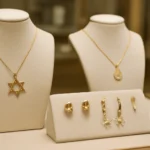
Many jewelry stores—especially those specializing in Judaica—offer a curated selection of Chai pendants. Look for retailers with clear product descriptions, close-up photos, and repair or return policies. Shopping at established stores increases the likelihood of receiving high-quality craftsmanship and accurate metal content information.
Jewish designers and boutique jewelers
Independent designers often bring distinctive interpretations of the Chai pendant. Supporting artisans can yield unique chai jewelry pieces that reflect contemporary aesthetics while respecting traditional symbolism. If you have a favorite designer, inquire about customization options—such as selecting metal, finishes, or adding a birthstone to accompany the Chai motif.
Online marketplaces and global options
Online platforms can broaden your choices, but they require careful scrutiny. When buying a Chai necklace online, review customer photos, read seller feedback, and verify measurements. Request additional details about the chain type, clasp quality, and whether the piece is solid metal or plated. If you’re seeking a specific finish or a one-of-a-kind design, artisans on these platforms can often accommodate custom orders.
Ethical considerations and authenticity checks
Ethical sourcing matters for many shoppers. Here’s what to look for:
Metal purity and hallmarks: Confirm the metal content (e.g., 925 for sterling silver, 14K or 18K for gold) and look for stamps or certificates from reputable assayers.
Fair labor practices: Seek brands with transparent sourcing policies and positive reviews regarding ethical manufacturing.
Quality settings: Ensure that stones are securely set and that the pendant’s finishing is smooth and well-polished to avoid skin irritation.
Return policy and warranty: A reliable store will offer a reasonable return window and a warranty on workmanship.
What to ask before you buy
Having a short list of questions can help you choose with confidence. Consider asking:
What is the chain length, and is the chain included with the pendant?
Is the pendant solid metal or plated? If plated, what is the base metal and plating longevity?
Are there customization options (e.g., font style for the Hebrew letters, size, or the addition of stones)?
What maintenance is recommended for this material, and how should cleaning be performed?
What are the shipping, returns, and warranty policies?
Care and maintenance: keeping your chai pendant radiant
To ensure your Chai pendant endures and keeps its shine, follow practical care guidelines tailored to the material. Proper care preserves both beauty and value, whether you own a classic silver Chai pendant or a gleaming gold version.
Cleaning: Use a mild jewelry cleaner or warm water with a gentle soap. Avoid harsh chemicals that can erode metal or remove patina from special finishes. For intricate openwork designs, use a soft brush to reach crevices.
Storage: Keep the pendant in a soft pouch or a lined jewelry box to prevent scratches. Store separately from other jewelry to avoid tangling or metal-on-metal abrasion.
Wear and tear: Remove your pendant when cooking, swimming, or exercising to minimize exposure to chlorine, saltwater, and moisture that can tarnish or damage delicate settings.
Professional checks: Have prongs, clasps, and chains inspected by a jeweler at least once a year if you wear the pendant frequently.
Chai pendant variations: expanding the semantic field
Beyond the classic single-letter Chai design, there are numerous variations that broaden the symbolism while retaining the same foundational meaning. Here are several notable alternatives:
Double Chai: A pendant that features two Chai symbols to signify two lives, a couple, or the intertwining of generations. This style often emphasizes unity and shared purpose.
Chai with heart: A heart motif integrated with the letters emphasizes love and life—an especially meaningful choice for couples or families celebrating together.
Chai with gemstones: A Chai pendant accentuated with birthstones or diamonds adds a personal touch and a hint of luxury.
Chai and Star of David: Blending the Chai with a Star of David or menorah motif creates a multi-symbol piece that speaks to Jewish identity and faith.
Openwork Chai: Filigree or perforated designs give a delicate, intricate look and a lighter feel, appealing to those who prefer a subtle statement piece.
Chai layered with other talismans: Some wearers combine a Chai pendant with other symbols such as a hamsa or a mezuzah charm for an intentionally layered expression.
Chai in different scripts: While traditional designs use Hebrew script, some jewelers experiment with stylized or calligraphic renderings of the word “chai,” broadening the aesthetic vocabulary.
Audience and appropriateness: who wears a chai pendant?
The Chai pendant is widely appropriate for many ages and life situations. Here’s a quick guide to who might wear and gift a Chai necklace:
Adults: For personal meaning, daily wear, or as a gift honoring a milestone.
Parents and grandparents: As a family emblem, connecting generations through the symbol of life.
Couples: The double Chai and linked designs symbolize unity and shared journeys, making them a thoughtful wedding gift or anniversary present.
Children and teenagers: A child’s first meaningful piece of jewelry can introduce them to Jewish symbols in a gentle and approachable way.
Buying guide: what to consider when choosing a chai pendant
Choosing a Chai pendant involves more than liking how it looks. Consider these practical and symbolic factors to ensure you select a piece that stands the test of time.
Size and weight: Decide whether you want a delicate everyday piece or a statement pendant. Larger pendants make a stronger visual impact but can be heavier and require a sturdier chain.
Finish and style: Choose between polished, matte, or brushed finishes. Decide whether you prefer a traditional, rustic, modern, or heirloom aesthetic.
Metal choice: Gold exudes a formal tone, while silver reads clean and contemporary. Consider skin tone, allergies, and whether you want a plating or solid metal piece.
Weapon of symbolism: If the symbol’s meaning is crucial, read the description carefully to ensure the design communicates the intended message (single vs. double Chai, additional symbols, etc.).
Allergies and skin sensitivity: If you or the recipient has sensitive skin, opt for high-purity metals like 14K–18K gold or sterling silver with rhodium plating to reduce tarnish and irritation.
Budget: A basic sterling silver Chai pendant can be affordable, while gold, diamond accents, or custom designs will push the price higher. Decide on a budget range and look for reputable craftsmanship within it.
Ethics and sustainability: If ethical sourcing matters, seek out brands that disclose metal provenance and responsible labor practices.
Gift packaging: Some retailers offer gift-ready packaging or personalized notes—an often overlooked but appreciated detail for a meaningful present.
Practical care and longevity: keeping the Chai emblem pristine
To keep your Chai pendant looking its best for years, follow simple maintenance steps. A little care goes a long way in preserving the symbol’s shine and legibility, whether you own a classic chai necklace or a more elaborate piece.
Regular cleaning: Wipe with a soft cloth after wear and clean periodically with mild soap and water, especially if you wear it daily.
Professional cleaning: For heavily tarnished pieces or intricate openwork, a professional jeweler can restore brightness without damaging delicate settings.
Storage: Keep it in a dedicated jewelry box or pouch to minimize scratches and contact with other metals.
Wear habits: Remove during activities that might cause impact or exposure to chemicals (household cleaners, pool chlorine, etc.).
Frequently asked questions about the chai pendant
Here are concise answers to common questions people have when considering a Chai pendant purchase:
What does chai symbolize? The symbol of life, vitality, and continuity within Jewish culture.
Is a double Chai pendant more significant? For many, yes—the double symbol can emphasize two lifelines, generations, or the concept of living together in partnership or family.
Can I wear a Chai pendant if I’m not Jewish? Absolutely. While it holds a special meaning within Jewish culture, many people appreciate its aesthetic beauty and universal message of life and resilience.
Which chain length works best? An 18-inch chain is versatile for most outfits; longer chains are suitable for deeper necklines or layered looks.
How do I verify authenticity online? Check for detailed product descriptions, clear photos, metal content, return policies, and seller ratings. Request certification or paperwork if available.
A final note on meaning, personal resonance, and personal style
Whether you’re drawn to the chai Jewish pendant for its sacred meaning, its elegant silhouette, or its potential as a thoughtful gift, the right piece will feel more than merely decorative. It can function as a personal talisman, a daily reminder of life’s blessings, and a connection to family, faith, and community. The breadth of styles—from the classic Chai pendant to the Chai with gemstones and the double Chai variations—lets you tailor the symbol to your own narrative, your daily wear, and your future plans.
In choosing a Chai pendant, you’re not only purchasing a piece of jewelry—you’re selecting a symbol that may accompany you through milestones, mark a passage of time, and articulate a sense of belonging. No matter which design or material you choose, the enduring message remains the same: to celebrate life, honor family, and stay connected to a lineage of resilience and hope.