Jewish home blessing art sits at the crossroads of devotion, beauty, and daily life. It is not merely decorative; it is a form of cultural memory that invites peace, blessing, and intention into the spaces where families eat, gather, learn, and rest. Across communities and generations, home blessing artwork—in its many shapes and scales—has offered a visual language for expressing values, narratives, and aspirations that Hebrew phrases and sacred symbols carry into the heart of the home.
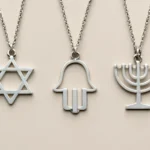
Jewish home blessing art refers to sacred art for interiors that centers on blessings, prayers, or symbols associated with inviting holiness, protection, and wellbeing into domestic space. These pieces may present a direct text, such as a blessing or verse, or they may incorporate symbolic imagery—like the Star of David, the Menorah, the Etz Chaim (Tree of Life), or the Hebrew word Shalom—within carefully composed designs.
What distinguishes Jewish blessing art from other home décor is its intention. The artwork is chosen not only for its aesthetic appeal but also for its capacity to orient daily life toward gratitude, hospitality, and a sense of belonging to a people with a long tradition of blessing their spaces. The phrase Jewish home blessing art is used to describe a wide spectrum—from intimate, hand-lettered wall hangings to large, mural-scale installations. In this article, we explore the many ways this art form appears, its history, its symbolism, and how to select pieces that resonate with your household values.
Birkat Habayit and the historical roots
Understanding the blessing of the home
One central idea in this domain is Birkat Habayit, often translated as the blessing of the house. Historically, families have sought divine favor for their dwelling by reciting blessings at meaningful thresholds—doors and entryways, windows, or the main living spaces where the family meets. While the exact practice varies among communities, the underlying sentiment is consistent: a wish that the home be a place of safety, kindness, and spiritual growth.
Where tradition meets art
Across centuries, Jewish communities have used text and symbol as both personal expressions and communal teaching tools. When this practice found a home in the visual arts, it produced a resilient and adaptable genre. Home blessing décor began to appear in the form of illuminated manuscripts translated into wall art, hand-painted signs for the kitchen, calligraphic panels for the living room, and later, modern prints and digital designs. In the contemporary landscape, artists combine traditional Hebrew script with modern typography, geometric abstraction, or nature-inspired motifs to create pieces that honor history while fitting current interiors.
Common motifs and symbols in Jewish home blessing art
Several motifs recur across blessing art for the home, each carrying layered meanings that enrich a viewer’s experience as they enter a space. Here are some of the most prevalent:
Shalom and Shabbat Shalom—peace as an ongoing daily aspiration, with or without the Shabbat connotation.
Hebrew blessings—short verses or phrases that invoke light, mercy, gratitude, and protection.
Etz Chaim (Tree of Life)—symbolizing growth, rootedness, and continuity of life and tradition.
Mezuzah-inspired designs—art that echoes the mitzvah of mezuzah without requiring a doorway installation.
Chai (life)—a motif that emphasizes vitality, longevity, and the sacred value of life.
Animals or botanicals with symbolic meanings—doves for peace, olive branches for blessing, pomegranates for abundance, and cedar or cypress for steadfastness.
Star of David or other sacred emblems—used sparingly to convey heritage and identity.
Windows and doorways as framing devices—art that invites light and open space, echoing the literal function of the home’s thresholds.
In practice, you’ll encounter variations of the phrase “Jewish home blessing art” across styles, including home blessing artwork, blessing art for the home, and sacred Jewish home blessings. Each variation signals a slightly different emphasis—from textual devotion to symbolic imagery—while remaining connected to the same core idea: a visual container for blessing within daily life.
Styles and media: finding the right physical form
There is no single “correct” format for home blessing artwork. The field spans a broad spectrum of media and aesthetics, allowing families to reflect their taste, budget, and living environment. Here is a survey of common styles and media you may encounter:
Traditional parchment and calligraphy
Traditional pieces often emulate the feel of medieval or illuminated manuscripts. They may use vellum-like parchment, gold leaf accents, and exquisite hand-lettered Hebrew scripts. These works can be highly decorative or more restrained, depending on the family’s preferences. The beauty of this style lies in its tangible sense of history, which can establish a ceremonial tone for a room without overpowering other décor.
For contemporary homes, minimalism can make home blessing art feel timeless. Clean lines, simple Hebrew letters or a single word, and restrained color palettes (often black on white, or white on a soft neutral) create a piece that blends with modern furniture while still carrying a strong spiritual message. Minimalist designs are ideal for offices, kitchens, or entryways where pared-down visuals help keep the atmosphere calm and focused.
Ceramic, tile, and glass works
Three-dimensional media bring texture and light into the blessing. Ceramic tiles with a Hebrew blessing baked into the glaze, glass panels with foil inscriptions, or stained-glass elements set into windows can transform a space by catching and refracting daylight. These pieces are often durable and easy to clean, making them popular for kitchens, bathrooms, or sunlit entry halls.
Metalwork and wall sculptures
Metal pieces—especially in wrought iron, brass, or copper—offer sculptural presence. A wall plaque with a raised Hebrew blessing or a kinetic metal form that silhouettes a meaningful word can act as a durable, regal focal point in a living room or foyer.
Wood carving and relief
Hand-carved or laser-cut wood brings warmth and a tactile dimension to home blessing art. Wooden panels can incorporate Etz Chaim, pomegranates, or the word Shalom in a relief that invites touch and slower gaze. Wood pieces pair especially well with traditional or rustic interior styles and can be finished in natural tones to echo furniture materials.
Prints and posters
Accessible and versatile, printed pieces—whether high-end art prints or affordable posters—offer a broad range of typographic and illustrative approaches. Text-focused designs may present popular blessings in various typefaces, while illustration-driven designs may pair the text with symbols like olive branches or floral motifs. Reproductions make it possible to curate a family collection that evolves over time.
Placement and display: where your blessing art belongs
Choosing a location for your blessing art for the home matters as much as the artwork itself. The layout of a room, the flow of traffic, and the moments of daily ritual influence how a piece is perceived and how much it is engaged with. Here are practical considerations for placement:
Entryways and foyers—first impressions count. A piece near the door can set a welcoming tone for guests and family members returning home.
Living rooms and dining rooms—these are spaces of gathering, conversation, and hospitality, where a blessing piece can anchor conversations about values and gratitude.
Kitchens and family kitchens—blessings that reference sustenance, warmth, and family health can be particularly meaningful here.
Hallways—slender walls benefit from a vertical piece that guides the eye and adds a sense of continuity from room to room.
Above doors or windows—designs that emphasize light, blessing, or “peace” can visually frame the passage of daily life.
When selecting placement, consider the piece’s scale, contrast with existing colors, and the amount of natural light the space receives. If you’re choosing a home blessing artwork with a heavy, ornate script, a calmer, more minimal neighboring décor may help the text remain legible and meaningful.
Choosing a piece of Jewish home blessing art is a personal process that blends taste, intention, and compatibility with your home’s storytelling. Here are a few guiding questions to help you refine your choice:
What is the main message you want to emphasize? Is your focus on hospitality, peace, family blessing, or the continuity of tradition?
Which medium best fits your space? Consider whether you prefer the tactile warmth of wood, the brightness of glass, the permanence of metal, or the accessibility of prints.
How legible should the text be? In a busy living area, a piece with a strong typographic presence or a single word may be more effective than a dense paragraph.
What is your ceiling height and wall size? Large walls might benefit from a statement piece or a triptych, while small rooms may be better served by a compact plaque or tile.
How will the piece age with your home? Consider materials and finishes that suit your climate, cleaning routines, and future renovations.
Do you want to personalize it? Many artists offer customization—adding family names, dates, or specific blessings tailored to your narrative.
In addition to these practical considerations, think about the cultural resonance of the text or symbol. Some families prefer pieces that reference traditional blessings with classical Hebrew script, while others enjoy modern re-interpretations that maintain the essence of the blessing while offering contemporary aesthetics.
Caring for and preserving your Jewish home blessing art
To ensure that home blessing artwork remains a cherished feature for years, consider appropriate care based on the material:
Prints and posters—avoid direct sunlight to prevent fading; consider UV-protective glass or display within a light-protective frame.
Parchment or vellum-style works—keep out of high humidity; handle gently to preserve delicate ink or paint; consider glass protection for longevity.
Wood pieces—dust with a soft cloth; avoid excessive moisture; consider a light varnish or sealant if recommended by the maker to protect against cracking.
Metal works—dust regularly; check for signs of tarnish and treat with manufacturer-approved cleaners if needed; avoid abrasive tools that could scratch the surface.
Ceramic and tile work—clean with mild soap and water; avoid harsh solvents; check grout or mortar for cracks over time and address promptly to prevent moisture intrusion.
Whenever possible, follow the artist’s maintenance guidance. If you’ve chosen a piece with a religious text, consider placing it within a respectful sight line where it can be read comfortably by family members and guests alike, reinforcing its role as a daily reminder rather than simply a decorative accent.
The cultural and spiritual value of Jewish home blessing art
Beyond aesthetics, holy home art works as a living archive of a family’s values. It can:
Foster hospitality—sections of the blessing often invoke welcoming guests, turning the home into a space where generosity and kindness are visible commitments.
Serve as ritual prompt—in moments of transition (moving in, hosting Shabbat guests, opening a door after travel), a piece can act as a visual prompt to pause, offer gratitude, or recite a verse.
Strengthen identity and memory—for families with strong ties to Jewish heritage, artwork that echoes tradition helps transmit language, stories, and values to younger generations.
Support mindfulness and intention—art that invites reflection can help create a calmer mood in busy households, making room for intentional acts of kindness, study, and prayer.
In this sense, blessing art for the home becomes both a personal treasure and a public statement. It communicates to visitors that the space is thoughtful, intentional, and welcoming, rooted in a long tradition while open to contemporary expression.
DIY possibilities: creating your own Jewish home blessing art
For households that love hands-on projects, creating Jewish home blessing art infused with personal meaning can be deeply rewarding. Here are several approachable ideas that blend tradition with creativity:
Calligraphy project—learn a few Hebrew letters or phrases and experiment with different typefaces. A hand-lettered blessing on heavyweight paper or a small canvas can become a cherished family piece.
Family blessing wall—design a multi-panel installation where each panel features a favorite blessing, a family value, or a date that marks a meaningful milestone.
Symbolic collage—collect imagery (olive branches, pomegranates, leaves) and arrange them around a central blessing in the middle of a frame or board. This approach blends textual and visual elements.
Woodworking project—carve a simple panel with a word like Shalom or Chai, and pair it with a subtle motif such as a small tree or birds. Finish with a natural oil or stain that complements your furniture.
Tile art—hand-paint ceramic tiles with a blessing or emblem. Install them as a kitchen backsplash feature, a small tabletop, or a decorative panel near the entry.
Stained glass or acrylic panels—create a small stained-glass-inspired piece featuring a blessing in Hebrew and a symbolic color palette associated with peace and life.
If you embark on a DIY project, remember to be mindful of both aesthetics and meaning. In Jewish home blessing art, the act of creation can itself be a form of blessing—an opportunity to invite family conversations, study, and shared intentionality into the home.
Resources and guidance for choosing authentic, respectful pieces
As you explore home blessing artwork, you may want to seek materials that are both visually resonant and respectfully rooted in tradition. Consider these avenues:
Consult Jewish artists or studios that specialize in sacred art. Look for artists who provide transliteration and translation options, so all family members can engage with the blessing.
Explore galleries and online shops that offer customizable pieces—your family name, a significant date, or a preferred verse can be incorporated into a design.
Read about the different spirits of blessing—some pieces emphasize hospitality, others emphasize peace or life. Your choice can reflect your household’s priorities.
Request sample images or scale drawings before purchasing, especially for large wall works, to ensure the piece fits the space properly.
When possible, view the artwork in person to assess material quality, texture, and readability of the Hebrew text.
Bear in mind that the market for Jewish home blessing art includes a range of price points and production qualities. A thoughtful choice balances craftsmanship, meaning, and the way a piece will live in your home over time.
While the category is rooted in Jewish tradition, the conversation around home blessing art can be inclusive and meaningful for a broad audience. Families with interfaith backgrounds, or those who value multicultural home aesthetics, may adapt blessings to reflect shared values—such as hospitality, learning, and care for neighbors. In these contexts, you may see:
Pieces that pair Hebrew blessings with English translations or transliterations, enabling all readers to participate in the moment.
Designs that highlight universal themes—peace, gratitude, and generosity—while maintaining Jewish textual anchors for those who celebrate Jewish practice.
Hybrid motifs that combine Jewish symbols with motifs from other traditions, used in homes that honor multiple heritages.
Ultimately, the goal of home blessing artwork is to cultivate a space where family life is nourished by intention and beauty. The pieces you choose should feel true to your home’s rhythm, values, and rituals—whether you are building a Jewish home blessing art collection or simply seeking meaningful decor that invites warmth and reflection.
To help you navigate conversations with artists, dealers, or fellow collectors, here is a concise glossary of terms often used in this field:
Birkat Habayit — blessing of the home, a traditional concept associated with invoking divine blessing on a dwelling.
Shalom — peace; a pervasive motif in Jewish art and a common word in blessings.
Etz Chaim — Tree of Life, symbolizing growth, continuity, and vitality.
Mezuzah-inspired — art that references the mezuzah tradition, which places a scroll on doorposts containing blessings and Torah passages.
Chai — life; used in art to emphasize vitality and longevity.
kalligraphic script — hand-lettered Hebrew text, often ornate and historical in appearance.
In the end, Jewish home blessing art is more than decor. It is a form of storytelling that invites residents and guests to pause, notice, and reflect on the larger narratives of life, family, and community. Whether you prefer blessing art for the home that is spare and modern, or a lush, traditional piece that echoes centuries of script and color, the right artwork can become a gentle teacher and a constant companion in everyday life.
As you begin or expand your collection, remember these guiding ideas:
Let the piece speak to both your heart and your eye—choose something that feels meaningful and aesthetically coherent with your space.
Consider textures, light, and color as part of the message. A bright, airy space may benefit from light-toned designs that reflect and amplify sunlight, while a cozier room may welcome deeper hues and tactile materials.
Think about the ongoing relationship you want with the piece. Is it a daily reminder on the kitchen wall, a Shabbat centerpiece, or a testament to a family milestone?
Respectful curation matters. If you live with others, involve them in the selection to ensure the artwork resonates across generations and perspectives within your household.
Across the spectrum of Jewish home blessing art, the common thread remains: these works are conduits for blessing, memory, and belonging. They offer a way to honor tradition while making a space that truly feels like home. Whether you curate a single focal piece or a thoughtfully designed collection, your home blessing décor can invite warmth, hospitality, and a sense of sacred rhythm into the everyday moments of life.