The Erev Rosh Hashanah — the evening before the Jewish New Year — is more than a preface to the days of awe. It is a moment of anticipation, intention, and hospitality, when families prepare their homes, hearts, and routines for a sacred season. While many readers are familiar with the two days of Rosh Hashanah proper, the eve itself carries its own atmosphere: a blend of festive cooking, candlelight, and prayers that set the spiritual mood for the days ahead. In this article, we explore the meaning, the traditions, and the observances that characterize Erev Rosh Hashana, and we look at how communities around the world mark this transitional period.
The phrase Erev Rosh Hashanah comes from the Hebrew words erev (evening or eve) and Rosh Hashanah (the head of the year or the Jewish New Year). Taken together, they designate the time just before the start of the holiday itself. In Jewish law and custom, the transition from ordinary weekday to sacred time begins at sunset, when the first stars appear and the holiday rest begins to take hold. This shifting of time invites a shift of mindset: from the ordinary to the sacred, from the ordinary concerns of daily life to the heightened awareness of judgment, renewal, and intention that characterizes the High Holy Days.
Indeed, the spiritual frame of the eve is tied to two central ideas: first, that the year ahead is a blank canvas for repentance, growth, and blessing; and second, that relationships with family, friends, and community networks are renewed through acts of hospitality, remembrance, and shared ritual. In Hebrew, the sense of beginning anew resonates with the language of creation itself — a reminder that each year offers an opportunity to refine oneself and repair relationships that may have frayed in the previous months or years.
Timing and Calendar Context
The timing of Erev Rosh Hashanah is anchored in the Jewish lunar calendar. Rosh Hashanah itself begins at sunset on the evening immediately preceding the first day of Tishrei, the seventh month in the civil year and the first month in the religious year used for counting the High Holy Days. Therefore, the eve is technically the moment when the holiday atmosphere begins to intrude upon ordinary life. In practice, many households begin their preparations hours before sunset, especially those who observe the full Yom Tov experience with meals, candle lighting, and synagogue attendance that evening.
In the diaspora, Rosh Hashanah is commonly observed across two days, so the Erev RH is part of a larger two-day rhythm. In Israel, where some communities observe one day of Rosh Hashanah, the Erev RH remains a meaningful preface to a shorter holiday, but the emphasis and magnitude of the evening can vary with local customs. Regardless of the number of days observed, the evening before remains a time of welcoming the upcoming sacred days with deliberate actions and mindful intention.
Several practical implications follow from this timing:
Families plan their candles, meals, and prayers around the onset of the holiday, often lighting within the hours before sunset.
Communities may adjust work schedules to accommodate evening services and communal meals.
Some people observe selichot prayers earlier in the month, while others reserve those liturgical elements for the days immediately preceding the Holy Day itself.
Traditions and Observances on the Eve
The Erev Rosh Hashanah is distinguished by a set of practices designed to ease the transition into a period of heightened spiritual self-examination, communal prayer, and hopeful renewal. The exact customs vary by tradition and community, but several core elements recur across many households and synagogues, reflecting shared values and aspirations.
As with many Jewish holidays, candle lighting is a central ritual on Erev RH. The ritual is typically performed by the person designated to light the candles for the home (often the woman of the household, though traditions vary). The lighting is usually followed by a blessing or songs of welcome, and it signals the transition from ordinary time to sacred time. Some families light two candles to symbolize the dual themes of judgment and mercy that mark the Days of Awe, though the number of candles can vary by family custom.
Besides lighting, the evening is a time for home preparations that evoke hospitality, memory, and sweetness for the year to come. These preparations commonly include:
Setting the table with beautiful linens, a round challah, and symbolic foods.
Arranging seating to encourage conversation about blessings, gratitude, and hopes for the year ahead.
Preparing simanim — symbolic foods that are said to foretell the coming year.
Ensuring the kitchen and dining space are clean and ready for the festive meals to come on both Erev RH and RH itself.
Festive Meals and Symbolic Foods (Simanim)
The evening meal on the eve of Rosh Hashanah typically features a blend of traditional foods, with emphasis on symbols that symbolize blessing and sweetness for the new year. The most universally recognized elements are:
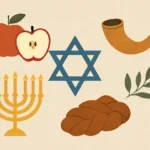
Apples and honey — a quintessential symbol of sweetness for the year ahead. Slices of apple are dipped in honey and shared, with spoken blessings or wishes for a sweet year.
Round challah — a circular bread that represents continuity, cycles, and the cyclical nature of the year.
Simanim — a broader set of symbolic foods that can include pomegranates (representing a year of plenty of good deeds), beets (for removing enemies or burdens), and karpas (a green vegetable such as parsley or celery) used in some households as a symbolic gesture for springing into action during the year. The exact list varies by culture and family tradition.
Special prayers or songs that focus on memory, blessing, and hopeful renewal.
In many communities, the practice of sharing simanim serves as a pedagogical moment for children and adults alike: each item invites a blessing or explanation about the hopes the family holds for the coming year. The act of distributing and tasting these foods becomes a ritual of intention, a culinary sermon of sorts, and a way to teach younger generations about the spiritual dimensions of everyday life.
Customs Involving Kapparot and Other Practices
Some communities observe kapparot during the days leading up to Rosh Hashanah, including on the evening before RH in certain locales. Kapparot is a controversial practice in which a chicken (or money in some modern adaptations) is swung over the head as a symbolic atonement ritual. It is not universal, and many modern households choose alternative expressions of atonement and reflection. If observed, it is important to understand the local halachic guidance, communal norms, and ethical considerations surrounding the practice.
Other pre-holiday customs may include reciting portions of Selichot prayers, which are penitential prayers that call on God for mercy. While Selichot are most commonly said in the weeks leading up to RH (and especially during Elul), some communities extend or adapt these prayers to the evening before Rosh Hashanah as a final moment of introspection before the holidays begin in earnest.
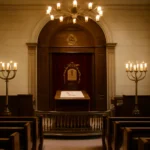
The prayer life surrounding the eve of Rosh Hashanah is deeply connected to the liturgy that shapes the High Holy Days. While the main Rosh Hashanah prayers—particularly the Rosh Hashanah Musaf and the shofar blasts on the following morning—belong to the day itself, the Erev RH service has its own significance. In many communities, the Maariv service on Erev RH blends intentions of greeting the holy time with the sociable warmth of the family meal that follows.
Key liturgical elements that may appear on Erev RH include:
Recitation of Shehecheyanu blessings to celebrate reaching a new year with gratitude for continued life and opportunity.
Recitation of Kiddush over wine, blessing the bread, and sharing a festive cup of blessing as part of the meal.
Preliminary readings or short congregational prayers that prepare the heart for the introspective work of the Days of Awe.
Announcements or songs that welcome the congregation to the two-day or one-day RH observance, depending on the community’s practice.
In the liturgical tradition, the emphasis of the evening is less on formal confession and more on setting a tone of humility, gratitude, and hope. The days ahead emphasize teshuvah (repentance), tikkun olam (repair of the world), and kevod hashem (honor of the Divine). The Erev RH mood invites people to begin the process of personal reevaluation that will culminate in the more structured prayers, readings, and acts of charity that characterize the ensuing holy days.
Regional Variations in Observance
Across Jewish communities around the world, the eve of Rosh Hashanah is observed with a spectrum of customs. While the core themes—blessing, judgment, mercy, and renewal—remain constant, the outward expressions differ according to language, culture, and halachic tradition.
Ashkenazi communities tend to emphasize the two-day RH framework in the diaspora, with a classic rhythm of candle lighting, festive meals, and special etrog (citron) and shofar-themed preparations for the days ahead. The table often features the familiar trio of apple and honey, round challah, and a variety of simanim.
Sephardi and Mizrahi communities bring a rich array of regional foods and symbolic ingredients. Dishes may incorporate spices (echoing the desire to sweeten and elevate the year), as well as diverse herbs and fruits that reflect ancestral lands and culinary traditions. The concept of simanim appears in many forms, sometimes with unique ingredients and blessings tied to family lineage.
Ethiopian Jewish communities and other immigrant groups often blend traditional foods with local ingredients, creating distinctive menus that honor both memory and adaptation. The prayers and melodies may feature unique tunes and chant patterns that carry generations of spiritual practice.
Israeli practices vary by community; some observe a single-day RH, while others follow the two-day custom common in the diaspora. Even within Israel, the Erev RH experience can range from a quiet, intimate household gathering to a vibrant community-wide exchange of greetings and shared meals.
In addition to these regional flavors, modern Jewish life also reflects how people balance tradition with contemporary realities. For many, the Eve of RH includes a blend of in-person synagogue services, Zoom or livestreamed prayers for those unable to attend in person, and family-centered celebrations that mix ancient prayers with modern songs and reflections.
Spiritual Preparation: Teshuvah, Renewal, and Love
A central thread weaving through Erev Rosh Hashanah is spiritual readiness. The days leading into the holiday season invite individuals to contemplate past actions, repair broken relationships, and set goals for personal growth. This period of contemplation is often described as a journey from self-examination to forgiveness and from remorse to commitment for the year ahead.
Scholars, rabbis, and teachers encourage believers to engage with the following themes during the Eve:
Review personal conduct over the past year and identify at least one teshuvah project — a concrete step toward improvement (for example, repairing a strained relationship, returning a borrowed item, or making amends with someone who was hurt).
Offer gratitude for blessings received and acknowledge sources of strength, whether family, community, or faith traditions.
Set intentions for the coming year, including spiritual practices (daily prayers, acts of kindness, or study) and practical goals (attending services, supporting charitable causes, or teaching children about the holidays).
Engage in family or community dialogue about what a “sweet year” might mean in terms of behavior, compassion, and generosity.
While the Days of Awe intensify in the days that follow the Erev RH, the evening before already orients participants toward a posture of humility, openness, and responsibility. The prelude—though not a day of fasting or formal atonement—invites a personal inventory that becomes part of the spiritual work of the entire holy period.
Practical Guidance for Observing the Eve in the Modern World
Whether you observe Rosh Hashanah in a traditional setting, in a modern home with contemporary routines, or in a synagogue-centered community, the Eve of Rosh Hashanah can be approached in practical, meaningful ways. Here are several guidelines to help families and individuals prepare for the holiday while balancing everyday life.
Plan the menu early to secure ingredients for apples and honey, round challah, and simanim. Consider dietary needs and make room for leftovers so the kitchen remains calm during the first day(s) of RH.
Time candle lighting with intention and align it with your local sunset time. If you have children, invite them to participate by lighting a candle, helping with table setting, or sharing a simple blessing.
Set the table thoughtfully to reflect the holiday mood: a dedicated space for simanim, a blessing for the bread, and a quiet moment for the family to reflect before the meal begins.
Discuss the themes of the year with family members—what do you hope to improve, what relationships could be repaired, and what acts of kindness you plan to perform in the year ahead?
Attend services or tune in to a local synagogue or a livestream. If you cannot attend in person, a brief home devotional focused on gratitude, forgiveness, and renewal can be deeply meaningful.
Be mindful of logistics if you observe two days: coordinate with guests and host families, arrange accommodations, and plan transportation to and from services and meals.
In the digital age, many families also incorporate gentle, screen-free windows into their Erev RH routines, using the time for conversations, storytelling, and shared prayers rather than social media or news updates. The aim is to enter the holy period with presence rather than distraction.
Frequently Encountered Questions
Here are answers to common questions people ask about the Eve of Rosh Hashanah. If you celebrate a different tradition, your community may have slightly different answers or practices.
Is Erev Rosh Hashanah the same as Rosh Hashanah Eve? Yes. The term refers to the evening before the holiday begins, which marks the transition into the sacred time of the Jewish New Year.
Do all communities light candles on the Eve of RH? In most Jewish households, yes, candles are lit to usher in the holiday. Some traditions emphasize lighting two candles, though variations exist among families and communities.
Are there special prayers on the Eve? The Eve may include Maariv or a brief candle-lighting service, along with blessings and songs that welcome the Holy Day. The most intense prayer moments occur on RH itself, especially during the Musaf service and Shofar blasts on the first day.
What is the role of simanim on Erev RH? Simanim, or symbolic foods, provide a tactile, symbolic way to express wishes for the new year. They are often shared during the Eve meal and can be elaborated upon during the following days as well.
Is kapparot observed on the Eve? Some communities practice kapparot on the eve of RH, though it is not universal and has increasingly drawn critique and alternatives in many places. Always check local guidance and community norms.
Erev Rosh Hashanah functions as a bridge — a cultural and spiritual doorway that invites individuals and families to pause, reflect, and prepare for a time of deep self-scrutiny and communal blessing. By combining meaningful meals, symbolic foods, candle-lit warmth, and intentional prayers, the evening before the New Year offers a nuanced blend of tradition and personal renewal. Whether observed as part of a two-day Yom Tov in the diaspora or as a one-day RH in some Israeli communities, the Eve of RH remains a meaningful moment to set intentions for the year ahead, repair what is broken, and greet the Divine with gratitude and hope.
As families gather around the table, as lights glow softly, and as they recite blessings with a sense of shared purpose, the Erev Rosh Hashanah experience becomes more than a prelude to a holiday. It becomes a lived expression of Jewish values — gratitude for the past, responsibility for the present, and an open invitation to a sweeter, more meaningful year to come.