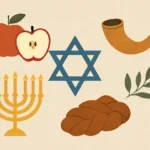
Blessed Rosh Hashanah: Wishes & Traditions for the New Year invites readers to explore the meaning, rituals, and everyday practices that shape this sacred season. Whether you observe the holiday in a synagogue, at home with family, or in a community center, the language of blessing, reflection, and renewal offers guidance for the days ahead. This article uses variations on the phrase “Blessed Rosh Hashanah” to emphasize the diverse ways people begin the new year with intention, gratitude, and hope.
Understanding the occasion: what makes Rosh Hashanah sacred
Rosh Hashanah, literally “the head of the year,” is the Jewish New Year. It marks a turning point in the calendar, a time to pause, assess one’s deeds, and set intentions for improvement in the year to come. It is not merely a celebratory feast; it is a day of judgment and mercy, of remembrance and renewal. The holiday spans two days in many traditions, and in Israel it is often observed as a one-day festival. The central themes of the holiday include awakening, accountability, and compassion, all guided by the phrase “Blessed is the year to come” and the liturgical refrain that accompanies the prayers and meditations.
Two recurring ideas shape the tone of Blessed Rosh Hashanah: first, the possibility of transformation—renewal and repentance (teshuvah) within a divine framework; second, the communal call to kindness, generosity, and justice. In many communities, the shofar—the ram’s horn—opens the season with a piercing call to self-examination and spiritual awakening. The sound is not merely a ritual cue; it is a reminder that time is precious, and that the new year invites a reorientation toward what matters most: love for family, care for others, and fidelity to one’s deepest values.
Wishes for the New Year: blessings to share and inward journeys to pursue
Expressing Shanah Tovah—“a good year”—or other phrases of blessing is a cultural practice that strengthens community ties and personal resolve. Here are several ways to frame your wishes, whether you are writing a card, offering a spoken greeting, or composing a text for a friend or family member. The emphasis here is on inclusivity, hope, and practical kindness.
Short blessings you can offer in person or in a card
Blessed Rosh Hashanah, may this new year bring you health, happiness, and peace.
Wishing you a sweet year—apples and honey on the table, joy in your home, and strength in your steps.
May the coming year be one of kindness and justice, with courage to repair what is broken and celebrate what is good.
Shana Tova U’Metuka—a year of sweetness in relationships, work, and learning.
Long blessings and meditations for reflection
May I approach the new year with humility, open to growth, and ready to repair harm I may have caused, intentionally or unintentionally.
May this Blessed Rosh Hashanah be a time to cultivate grace, strengthen communal bonds, and extend help to those in need.
May the days ahead bring clear vision, genuine gratitude, and a steadfast commitment to healing our world through acts of mercy and truth.
May you and your loved ones be inscribed for a year of safety, learning, and meaningful connection—an authentic celebration of the divine spark in every person.
Rituals and symbols: the core practices of Blessed Rosh Hashanah
Rituals provide structure for spiritual experience. They anchor intention, memory, and hope in tangible acts. Below are the principal rites and symbols associated with the holiday, along with explanations of their meanings and practical ways to participate.
The shofar: awakening sound for the soul
The shofar is the most recognizable symbol of Rosh Hashanah. Blown from a ram’s horn, its blasts— Tekiah, Shevarim, Teruah, and Tekiah Gedolah—invite introspection, awe, and social accountability. The shofar’s call serves as a summons to review the past year and reorient toward one’s highest values. In many communities, the shofar is sounded during services on both days of the holiday, often with added melodic lines and reflections from a rabbi or cantor. For households observing the holiday at home, a brief shofar moment can be integrated into candle lighting or after festive meals, as a personal invitation to commit to meaningful change in the coming months.
Paths to a blessed home: bread, apples, and honey
Round challah or another festive bread symbolizes the cyclical nature of the year and the continuity of life.
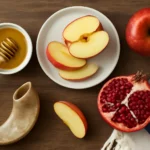
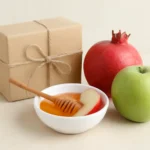
Apple and honey represent a wish for sweetness in the year ahead. Many families dip slices of apple into honey and recite prayers or blessings together.
Other symbolic foods may include pomegranate (for many seeds, representing abundance and mitzvot), carrots (for countless acts of kindness), and beans or lentils (to symbolize a generosity of heart).
Tashlich and the symbolism of water and release
Tashlich is a contemplative practice performed near a natural body of water. Participants cast crumbs or bits of bread into the water, symbolically casting away the sins of the previous year. While not universal or mandatory, many families and congregations find Tashlich to be a meaningful embodied act of repentance and renewal. If you cannot access a body of water, you can perform a reflective alternative: write down burdens you wish to release and submerge or burn the paper safely, or carry a symbolic item to remind you of your commitments for the new year.
Preparing the heart and the home for the New Year
Preparation for Blessed Rosh Hashanah is both practical and spiritual. It involves tidying space, choosing meals and activities that cultivate connection, and resetting personal priorities. Here are practical steps you can take to enter the season with intention.
Reflection journals: Spend time listing accomplishments, regrets, and moments of gratitude from the past year. Use these notes to guide your resolutions and prayers for teshuvah (return, repentance).
Charity and acts of kindness: A common blessing for the new year is to repair the world (tikkun olam) through generosity. Consider making a donation, volunteering, or helping someone in need in the days leading up to the holiday.
Family conversations: Share hopes for the year ahead, discuss personal goals, and plan shared activities that nurture relationships with spouse, children, parents, and friends.
Learning and study: Rosh Hashanah can be a time to study ethical teachings, prayers, or liturgy related to the holiday. Even a brief daily reminder of core values can be transformative.
Foods, feasts, and symbolic meals: what to cook and why
The meals of Blessed Rosh Hashanah are rich with symbolism, memory, and communal bonding. The foods chosen for the holiday reinforce the wish for sweetness, vitality, and prosperity in the year ahead. Below are common traditions and ideas you can tailor to your family or community.
Apple and honey are the centerpiece of many Rosh Hashanah tables. Slices dipped in honey symbolize a sweet year and a hopeful start. Some families begin with apples and honey at the first blessing.
Consider a honey cake or a dessert that includes honey as a nod to sweetness throughout the year.
Seasonal and symbolic dishes
Pomegranates for abundance—the belief that every pomegranate has many seeds echoes the wish for many good deeds and blessings in the new year.
Round challah to symbolize the circle of the year and the cycles of life, inviting continuity and wholeness.
Fish head or ram’s head traditions remind participants to lead with wisdom and good judgment; some families chant, “may we be heads, not tails” during meals.
Vegetable dishes such as carrots and greens may symbolize sustenance, renewal, and the hope for prosperity and growth.
The order and setting of the table
In many homes, the meal begins with a blessing over wine or grape juice and a shared Kiddush.
Guests may recite a brief blessing or wish for a “sweet year,” followed by passages from the prayer book that emphasize repentance, healing, and grace.
Decor and ambiance—candles, herbs, and festive centerpieces—help set a mood of reverence and joy that aligns with both gratitude and hope.
Global customs and the diversity of Blessed Rosh Hashanah celebrations
Across the Jewish world, communities adapt the core ideas of the holiday to local cultures, climates, and languages. The central motifs—blessing, reflection, and renewal—remain constant, while the customs and foods vary. This diversity illustrates the beauty of a shared calendar that welcomes many voices and traditions.
Ashkenazi practices
Emphasis on the shofar blasts during services and practical home rituals like dipping apple in honey.
Round challah appears frequently, signaling the cyclical nature of time.
Traditional songs and liturgy often feature long-standing piyyutim (poems) and prayers that reflect communal memory.
Sephardi and Mizrahi traditions
Customs may include additional prayers and melodies drawn from Sephardic and Mizrahi liturgical traditions, with distinct musical modes and language usage.
Foods and symbolism can vary: some communities emphasize beets for “removal” of unfavorable traits, while others highlight fresh herbs or legumes to indicate growth and renewal.
Ethiopian and other diaspora customs
In some Ethiopian Jewish communities, the holiday may blend local culinary practices with traditional prayers, producing unique dishes and ritual expressions.
In modern diasporic contexts, many families blend traditions, creating new blessed greetings that reflect both heritage and contemporary life.
Children, families, and intergenerational learning
Rosh Hashanah is often experienced as a family holiday, a time to teach younger generations about memory, responsibility, and hope. Engaging children with the rituals helps sustain the tradition and inspires their own sense of meaning. Below are family-friendly ideas to make the holiday meaningful for all ages.
Storytelling: Share stories about the themes of the season—gratitude, forgiveness, and the importance of making things right with others.
Craft activities: Create honey-dish or shofar-themed crafts, or draw a personal teshuvah map outlining goals for the year.
Music and song: Sing traditional songs together, or teach children short pieces of liturgical poetry to help them connect with the prayers.
Involve children in the meals: they can help with setting the table, pouring wine, or selecting a symbolic food for the meal.
Modern life and inclusive celebrations: how Blessed Rosh Hashanah fits today
As communities grow more diverse and interconnected, the way people observe Rosh Hashanah adapts to different life circumstances. Whether you are part of an observant community, a secular family with Jewish heritage, or an interfaith household, the core ideas can be embraced in inclusive, thoughtful ways.
Interfaith and blended households: Partners and friends from different backgrounds can participate in shared meals, candles, and moments of reflection, while honoring distinct beliefs and practices.
Work and school environments: Colleagues and classmates may exchange blessings, offer warm greetings, and acknowledge the holiday with respectful accommodations and understanding.
Digital and hybrid observances: Online services, recorded sermons, and digital study groups make Blessed Rosh Hashanah accessible to people far from their communities or with mobility constraints.
Environmental and ethical emphasis: There is a growing focus on sustainable celebrations, mindful consumption, and charitable giving as part of the renewal ethos.
Habits of language: curated phrases for every situation
Language matters for setting the tone of the season. Whether your audience is a close family member or a wider circle of colleagues, the words you choose can carry warmth, respect, and clarity about your intentions for the year ahead. Here are some adaptable phrases to use during the Blessed Rosh Hashanah season.
Blessed Rosh Hashanah to you and your family — may the year ahead be filled with health and joy.
Wishing you a sweet year with apple and honey moments throughout your days.
May you be inscribed and sealed for a year of peace, prosperity, and kindness.
G’mar Chatima Tova — may you and yours be sealed for goodness in the coming year, with opportunities to repair relationships and grow in wisdom.
Practical preparation: checklists to honor the season
If you want a concrete approach to observe Blessed Rosh Hashanah thoughtfully, use the following checklists. They are designed to be flexible for different family sizes, budgets, and levels of observance.
Decide on the basic plan: one day or two days of observance, home-centered or community-centered.
Gather symbolic foods: apples, honey, pomegranates, round challah, and a fish head or alternative symbol if desired.
Prepare a brief reflective activity for tashlich or a related custom if water access is limited.
Choose prayers, songs, or readings that are meaningful to your family and community.
Plan a simple, heartful menu that emphasizes sweetness, gratitude, and a focus on charitable giving.
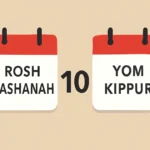
Set aside time for acts of kindness or a small charity project in the days between Rosh Hashanah and Yom Kippur.
Frequently asked questions about Blessed Rosh Hashanah
Below are common questions people ask as they prepare for the holiday. The responses aim to be concise, respectful, and informative, while recognizing that traditions vary among families and communities.
Why do people greet each other with blessed wishes on Rosh Hashanah?
Greeting someone with Blessed Rosh Hashanah, Shana Tova, or similar phrases reflects the holiday’s purpose: to bless the other person with a good, sweet, and healthy year ahead. These greetings reinforce communal solidarity and personal care, extending the sense of renewal to friends, coworkers, and neighbors.
What is the significance of the shofar on this holiday?
The shofar serves as a call to introspection. Its blasts awaken listeners to reflect on their actions, make amends where needed, and commit to ethical growth. The shofar’s sound is both an ancient ritual and a living reminder that time offers opportunities for reform and renewal.
Can non-Jews or secular people participate in Blessed Rosh Hashanah rituals?
Absolutely. Many people who are not Jewish still participate in the seasonal rhythms—sharing a meal, reading blessings, or engaging in acts of charity and reflection. The core ideas of the holiday—renewal, kindness, and community—are universal values that can resonate across faiths and backgrounds.
Closing thoughts: embracing renewal with dignity, joy, and responsibility
Blessed Rosh Hashanah invites each of us to pause, listen, and respond with intention. It is a time to honor the past, celebrate the present, and set courageous goals for the future. Whether you refer to the holiday as Blessed Rosh Hashanah, Shana Tova, or a season of reflection, the underlying message remains consistent: the year ahead can be shaped by acts of kindness, by humility in the face of our imperfections, and by a shared commitment to healing and growth. The diversity of customs—from the shofar’s awakening cry to the sweetness of honeyed apples, from tashlich by the water to festive meals with family—offers a mosaic of pathways toward a more hopeful, just, and interconnected world. May your Blessings for the New Year be abundant, and may your days be filled with meaning, warmth, and the enduring promise of renewal.