Coloring Pages for Sukkot: Free Printable Activities for Kids offer a fun and educational way to explore the Jewish festival through art. Whether you’re a parent, teacher, or program director, printable coloring activities provide a low-pressure entry point for children to engage with the traditions, symbols, and stories of Sukkot. By combining coloring with simple facts and prompts, these pages become more than just a pastime—they become a gateway to learning, creativity, and family togetherness.
The festival of Sukkot, also known as the Feast of Tabernacles, is a time of gratitude, memory, and community. For kids, colorful pages can translate abstract ideas—like the sukkah, the lulav and etrog, and the autumn harvest—into concrete, recognizable images. Free printable coloring pages make it easy to bring this learning into homes, classrooms, and community centers without cost or complex planning. They can be used as warm-up activities, quiet moments during a holiday program, or a bridge between study and celebration.
Using coloring pages during Sukkot has multiple benefits. It supports fine motor development as children hold crayons or markers, reinforces symbol recognition, and encourages vocabulary growth through labeled images or accompanying word prompts. When parents and teachers pair the pages with short explanations or stories, kids are more likely to remember what each symbol represents and why it matters in the festival context.
Why Coloring Pages Are Valuable for Sukkot Education
Coloring pages are not just entertainment; they are a friendly pedagogy that helps children connect with cultural and religious ideas in accessible ways. Here are several reasons why these pages deserve a place in Sukkot programming:
Concept encoding: Complex ideas—like the temporary shelter of the sukkah or the agricultural cycle—become tangible through simple outlines and recognizable shapes.
Age-appropriate differentiation: You can choose pages with easy, medium, or intricate designs to fit toddlers, early elementary, and older kids in the same activity time.
Low-pressure creativity: Coloring allows kids to express themselves while absorbing basic facts about Sukkot, even if they’re shy or reserved.
Family and classroom bonding: Shared coloring activities create opportunities for conversations about traditions, stories, and values.
Decorative and practical outcomes: Finished pages can be displayed as banners, wall art, or used to decorate the menorah table or classroom space during the festival.
In the following sections, you’ll find a range of coloring page variations and related activities that work well for different age groups and settings. The emphasis is on varied designs, meaningful symbolism, and printable formats that are easy to distribute and use.
Types and Variations of Sukkot Coloring Pages
To provide semantic breadth and keep kids engaged, it’s helpful to offer a mix of themes and styles. Below are several broad categories with examples of what you might find on free printable pages. Each category can accommodate different age groups with simple or elaborate designs.
The sukkah is the central symbol of Sukkot. Coloring pages in this category often feature the shelter itself, seasonal decorations, and people gathered inside or near the structure. They may also include starry night skies or daytime sunshine to set different moods.
Simple outline sukkah pages that focus on the basic frame with a few hanging fruit or decorations.
Decorated sukkah panels showing colorful walls, hanging ornaments, and a leafy roof.
Family scenes in the sukkah with parents, children, and guests sharing food and stories.
Seasonal background pages illustrating autumn colors, harvest baskets, and a calm outdoor setting around the sukkah.
Lulav and Etrog Coloring Pages
The lulav and etrog are iconic symbols of Sukkot. Pages in this group emphasize the palm fronds wrapped around the lulav, the etrog fruit, and accompanying blessings or Hebrew words.
Outlined lulav and etrog with labeled parts for educational labeling (hadassim and aravot can be included as optional elements).
Synagogue-style stills showing the ritual holding of the lulav during prayer services.
Color-by-number lulav etrog pages that guide kids through color choices while reinforcing recognition.
Playful cartoon versions of the lulav and etrog with friendly faces to engage younger learners.
Harvest and Nature Imagery
Sukkot occurs in the harvest season in many communities, so pages that celebrate produce, fields, and natural motifs help connect the festival to everyday life.
Nature scenes showing pumpkins, grapes, pomegranates, and wheat in bountiful fields.
Harvest baskets ready for market or temple offerings, paired with simple captions.
Autumn color palettes that encourage kids to explore warm tones like oranges, yellows, and greens.
Ushpizin and Family Hospitality
Some pages incorporate the tradition of Ushpizin—the spiritual guests believed to visit the sukkah. These pages can depict family scenes, friends, or symbolic guest figures in friendly, approachable styles.
Warm family gatherings in the sukkah with shared meals and conversation prompts.
Guest symbols like friendly icons representing different virtues or values associated with the festival.
Simple storytelling prompts accompanying the coloring to spark discussion about hospitality and welcome.
Hebrew Letters, Blessings, and Language-Focused Pages
For bilingual or Hebrew learners, pages that include Hebrew words or blessings related to Sukkot can reinforce language skills while introducing festival terms.
Labelled words such as «Sukkah,» «Lulav,» «Etrog,» and «Shalom» in kid-friendly fonts.
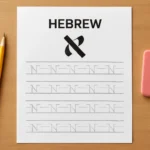
Tracing activities for letters within a Sukkot-themed border.
Coloring pages with simple transliterations to help non-Hebrew speakers participate.
Not every coloring page needs to be solemn. Modern designs with cartoon characters, friendly animals, and playful scenes can appeal to younger children or kids who enjoy contemporary art styles.
Cartoon families enjoying a sukkah party, with speech bubbles offering prompts for conversation.
Animals and fall motifs—ducks, rabbits, birds, or farm animals interacting with sukkah decorations.
Simple activity pages that combine coloring with small puzzles or sticker elements.
Printable Activities Beyond Coloring Pages
Coloring pages can be the starting point for a variety of free printable activities that deepen learning and extend engagement with Sukkot themes. Here are several ideas you can pair with the pages you print at home or in a classroom.
Color-by-number pages that reveal a sukkah scene or lulav and etrog as children fill in colors according to numbers.
Connect-the-dots featuring outlines of the lulav, etrog, or sukkah that kids complete by joining numbered dots.
Mazes and seek-and-find activities set in a sukkah yard, guiding kids through a festive landscape to reach a seating area or harvest basket.
Word searches and crossword snippets built around Sukkot vocabulary like sukkah, lulav, etrog, etzah, chag, and simcha.
Tracing and handwriting sheets that reinforce Hebrew or English letters tied to Sukkot terms.
Cut-and-paste crafts using printed pages as templates—kids can cut shapes from one page and glue them onto a background page to assemble a new scene.
Sticker-based activities where children place pre-printed sticker shapes on the pages to complete sukkah scenes or harvest clusters.
Using these activities in combination with coloring pages helps children practice critical thinking, visual literacy, and fine motor skills in a festival context. You can print a small set for a single session or assemble a larger packet for a week-long classroom unit.
How to Use Coloring Pages in Different Settings
Free printable Sukkot coloring pages are versatile and adaptable to many environments. Here are some practical ideas for making the most of these resources.
Home family activity: Print a selection of pages and create a “Sukkot craft station” where children color, discuss, and share what they learned with family members during a festive meal or a quiet afternoon.
Sunday school or Hebrew school: Integrate pages into a thematic lesson plan. Use the coloring time to review the symbols, followed by a short discussion or a written reflection.
Community centers and libraries: Set up a “Sukkot Corner” with coloring pages, simple prompts, and a wall display to celebrate the festival publicly and inclusively.
Decorative project: Laminate finished pages and string them into a garland or use them as menu cards or program covers for a Sukkot event.
Tips for Printing and Using Free Printable Pages
To get the most from your coloring page resources, consider these practical tips. They help ensure accessibility, print quality, and a smooth learning experience for kids of all ages.
Choose the right difficulty: Match the page complexity to the child’s age. Have a mix of simple pages for toddlers and more detailed pages for older children.
Print on appropriate paper: For younger kids, standard printer paper works, but for crafts or lamination, use thicker paper or cardstock.
Offer a variety of mediums: Crayons, markers, colored pencils, and even watercolors (for older kids) can create engaging results. Place a protective layer or smock for wet media.
Provide guided prompts: If a page is unlabeled, offer quick questions like “What colors would you use for the sukkah?” or “Who do you imagine visiting the sukkah?” to spark discussion.
Incorporate reverence and respect: While pages can be playful, also remind children about the significance of Sukkot and how their art reflects gratitude and welcoming guests.
Digital option: If paper resources are limited, look for printable PDFs that can be downloaded, saved, and printed later, or share a tablet-friendly version for independent work.
Creating a Coherent Learning Experience
A well-rounded activity sequence combines coloring with discussion, storytelling, and light crafts. Here are some ideas to structure a cohesive Sukkot learning experience around coloring pages:
Opening discussion: Start with a brief conversation about what Sukkot is and what the sukkah represents. Ask kids what symbols they know and what makes the festival joyful.
Symbol-focused rounds: Present two or three coloring pages in a rotation—one Sukkah scene, one Lulav and Etrog, one harvest motif. After coloring, invite children to explain what they colored and why.
Story integration: Read a short, age-appropriate story about Sukkot or Ushpizin, then have kids color a related page and write a one-sentence takeaway on the back.
Craft extension: Turn a completed coloring page into a mini-banner by attaching it to string with clothespins, or cut shapes to create a decorative garland for a classroom or home setting.
Reflection: End with a reflective prompt such as “What would you serve in the sukkah to welcome a guest?” Encourage kids to express their ideas through simple drawings or writing.
Accessibility, Inclusivity, and Cultural Sensitivity
When selecting or designing coloring pages for Sukkot, consider the diverse needs of your learners. Here are important accessibility and inclusivity considerations:
Clear lines and high contrast help young children and those with visual processing differences see and color easily.
Alternative text and captions can accompany pages in digital formats to support learners using screen readers.
Language options: If your community includes multilingual families, offer pages with English labels and optional translations or transliterations for Hebrew terms.
Non-denominational tone: Choose images and prompts that emphasize universal themes like hospitality, gratitude, and nature, while still honoring specific festival symbols for those who observe them.
Family-friendly content: Ensure that activities do not assume a particular family structure, and provide prompts that invite all children to participate respectfully and joyfully.
DIY and Craft Ideas Using Coloring Pages as Templates
Finished coloring pages can serve as templates for simple, budget-friendly crafts that extend the learning beyond coloring. Here are a few ideas to maximize the value of each page.
Laminated placemats: Laminate completed pages to create reusable Sukkot-themed placemats for mealtimes in the home or classroom.
Decorative garlands: Cut out segments from several pages and string them together to form a colorful sukkah or harvest banner.
Magnets or stickers: Glue or cut shapes from coloring pages into magnet sheets or sticker paper to decorate lockers, fridges, or project boards.
Story cards: Bind a small booklet from multiple pages; let children tell a short story inspired by their coloring page and illustrate additional scenes on blank pages.
Save-the-date or invitation cards: Use pages as backdrops for family invitations to Sukkot gatherings. Add event details on the reverse side.
Concluding Thoughts: Making Sukkot Learning Colorful and Meaningful
Coloring pages for Sukkot—when thoughtfully chosen and used with accompanying discussion or activities—offer an accessible, enjoyable approach to learning. The free printable pages you choose can help children recognize and remember the festival’s key symbols, stories, and values while developing essential skills in a low-pressure setting. By providing a blend of traditional symbolism, harvest imagery, and modern, kid-friendly designs, you create a resource that resonates with diverse learners and settings.
As you assemble your Sukkot learning toolkit, consider curating a small library of pages that cover the major themes discussed here. Offer options for different ages, learning styles, and cultural backgrounds, and pair coloring activities with brief oral or written reflections. In doing so, you’ll help children build a bridge between art and faith, creativity and contemplation, and individual expression and community celebration. The festival’s spirit—one of hospitality, gratitude, and joy—can be beautifully expressed through a simple coloring page and a shared moment of learning.