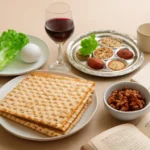
Introduction to the Ceramic Passover Seder Plate: Handcrafted Serving Dish
A ceramic Passover seder plate is more than a utilitarian platter. It is a handcrafted serving dish that embodies tradition, craft, and ritual. During the Passover seder, this singular piece holds the six symbolic foods that tell the story of liberation from Egypt. When made with care, a ceramic seder plate becomes a focal point of memory, conversation, and meaning. It blends art, culture, and kitchen practice into a single object that you pass around the table year after year.
In this article we explore the many dimensions of the ceramic passover seder plate, from its historical context and design considerations to practical care, buying guidance, and even do‑it‑yourself approaches. Whether you are seeking a traditional, regional, or contemporary interpretation, the handcrafted ceramic plate offers a tangible link between past and present.
Historical and cultural context of the seder plate
The seder plate is a ritual object designed specifically for Passover, a festival that celebrates freedom and memory. While the six symbolic foods are described in the Haggadah, the physical plate as a dedicated vessel emerged as a convenient way to organize the meal and highlight essential meanings during the seder. A ceramic Passover plate can carry centuries of technique and regional influences, translating ancient symbolism into a contemporary object.
Across Jewish communities, variations in plate design reflect taste, material availability, and local pottery traditions. In some regions, artisans favored stoneware with a matte glaze that suggests earthiness and permanence; in others, porcelain or earthenware offered a brighter surface for a more ceremonial look. Regardless of the mineral content or glaze, the plate’s function remains steadfast: to hold the six foods and to signal the start of the ritual narrative.
What makes a ceramic Passover seder plate distinctive?
A handcrafted serving dish for Passover differs from a general kitchen plate in several ways:
Structure: Many plates feature six depressions arranged around the edge with or without a central well, designed to accommodate the standard six foods.
Symbolism: Each well is associated with a specific food—bitter herbs, Charoset, karpas, a roasted egg, a roasted bone or its symbolic stand‑in, and chazeret.
Materials: The choice of clay (stoneware, earthenware, porcelain) and sustaining glazes affects both aesthetics and durability.
Craft approach: Because it is handcrafted, each plate has its own texture, glaze nuance, and occasional irregularity that marks it as a piece of art, not just a utilitarian object.
Care and longevity: Food‑safe finishes and careful firing create a plate that can be used year after year, outlasting many disposable or mass‑produced pieces.
Materials and techniques in crafting a ceramic passover seder plate
The material science behind a ceramic seder plate matters, especially when it is intended to be used with food and ritual substances. Potters make choices about clay body, glaze chemistry, and firing atmosphere to ensure durability, non‑reactivity, and beauty.
Types of clay and their characteristics
The most common clay bodies used for seder plates are:
Stoneware: Durable, dense, and typically lead‑free when properly glazed. Stoneware is prized for everyday use and resistance to thermal changes.
Earthenware: Softer and more porous unless properly glazed. It can offer a warm, rustic appearance with vivid glazes.
Porcelain: Fine‑grained and smooth, with a delicate feel. Porcelain can create an elegant, refined look but requires careful firing to avoid chipping.
Glazes and finishes for a high‑quality ceramic plate
Glazing is not only aesthetic; it provides a protective, non‑porous surface suitable for foods. Important considerations include:
Lead‑free and food‑safe glazes to meet safety standards.
Transparent or semi‑opaque glazes to enhance texture without obscuring the plate’s form.
Under‑glaze colorants and slip decoration for added detail around the six wells.
High‑fired finishes for durability, especially if the plate will see holiday usage or frequent handling.
Crafting techniques and studio practice
The process often begins with either wheel throwing or slab building. A skilled potter may:
Shape a shallow tray with six or more wells, or create a slightly raised central well to accommodate sauces or a symbolic addition.
Carve or stamp decorative motifs that hold meaning for the family or community—pomegranate motifs, vines, or geometric patterns.
}Apply slip (a liquid clay mixture) for color and texture, then bisque fire before glazing and final firing.
Finish with a food‑safe glaze and a careful glaze‑drip control to avoid leaks between wells.
Design variations and styles in the modern ceramic seder plate
Today’s ceramic Passover plate embraces a spectrum from faithful reproductions of traditional forms to contemporary abstractions. Here are some common directions you might encounter.
Traditional shapes and six‑well layouts
Many artisans reproduce the classic arrangement: six wells arranged around a central area or around the edge, with a distinct space for each symbolic food. This layout emphasizes ritual sequencing and makes the plate immediately legible at the table.
Contemporary minimalism
A modern ceramic plate may use a single, shallow tray with subtle divisions or a clean, monochrome glaze. The emphasis shifts from ornate surface decoration to form, texture, and the tactile feel of the glaze.
Regional and cultural inflections
Some series draw on regional pottery traditions—for example, a plate that echoes Moroccan pottery with a cobalt or turquoise glaze, or a Polish‑influenced red earthenware, or an Israeli studio piece with sunburst motifs. These regional ceramic expressions through a Passover plate celebrate diversity while maintaining common ritual use.
Functional variants
Beyond the standard six compartments, some ceramic Seder plates include a central well for Charoset or for dipping items, while others separate a dedicated space for a roasted egg (beitzah) or a symbolic zeroa. The choice often reflects the family’s custom and the potter’s design language.
How to use a ceramic Passover plate during the seder
The seder plate is placed on the table as a central feature, often near the middle so that it’s easily accessible to all participants. The six elements—together with any custom additions—are arranged to support the ritual sequence described in the Haggadah.
Identifying the six symbolic foods
A traditional seder plate carries these key items:
Karpas: A vegetable, usually parsley, that is dipped in saltwater to symbolize the tears shed during slavery.
Maror and Chazeret: Bitter herbs, typically horseradish (maror) and romaine lettuce or another bitter herb (chazeret).
Charoset: A sweet paste representing the mortar used by the Israelite enslaved laborers, often a blend of apples, nuts, wine, and spices.
Beitzah: A roasted egg, symbolizing both the festival sacrifice and renewal.
Zeroa: A roasted bone or a symbolic representation of the Paschal sacrifice.
Optional or regionally varied items may be added, but the core set remains widely recognized across Jewish households.
Placement and ritual flow
The plate is usually set in the center of the table. Participants engage with the plate as each symbolic food is discussed and shared:
The karpas is dipped and eaten, linking the spring harvest to the exodus story.
The maror and chazeret offer a sharp reminder of hardship and resilience.
The charoset provides a sensory contrast—sweet and memory-laden.
The beitzah and zeroa anchor the plate in the narrative of sacrifice, renewal, and liberation.
Care, maintenance, and longevity of a handcrafted ceramic seder plate
With proper care, a ceramic Passover plate can become a family heirloom. Here are practical guidelines to keep your plate in excellent condition.
Hand wash with mild dish soap and warm water; avoid abrasive scrubbing that could scratch glazes.
Rinse thoroughly to remove any soap residue from the wells.
Avoid sudden temperature changes that could stress the glaze; don’t move from oven to cold water abruptly.
Dry with a soft cloth to prevent water spots on glossy glazes.
Storage and display ideas
Store in a padded cabinet or a display shelf that protects from bumps.
Some families display their plate during the year as a decorative reminder of the seder’s themes.
If the plate is recommended for regular use, keep it away from harsh environments or heavy stacking that could lead to chips.
Seasonal relevance and Kosher considerations
Since the ceramic seder plate is used for ritual foods during Passover, it is customary to keep it dedicated to Passover use if possible, to avoid mixing with non‑kosher foods. Some households wash and store it with Passover utensils to preserve holiness and avoid cross‑contamination concerns.
Design considerations when selecting a ceramic Passover plate
Whether you prefer a traditional, rustic, or contemporary aesthetic, a well‑made plate balances practicality and symbolism. Consider the following criteria to guide your choice.
Size and capacity
Assess how many participants you typically accommodate. A larger plate with six clearly defined wells is ideal for family gatherings.
Consider the depth of each well; deeper wells prevent spillage of Charoset or sauce and keep the plate clean during the reading and passing ritual.
Finish and glaze quality
Opt for food‑safe glazes, preferably lead‑free and non‑reactive with acidic ingredients like Charoset or wine.
Decide between a glaze that highlights texture (matte or satin) and one that creates a luminous surface (glossy). Each finish has its own atmosphere.
Symbolic and decorative elements
Some plates integrate symbolic motifs—pomegranate seeds, vine leaves, or geometric patterns—that echo Jewish art and the season of spring. If you value such symbolism, look for hand‑cut or hand‑poured details that emphasize the artisan’s mark.
Durability and daily use
If the plate will be used regularly, consider a stoneware or porcelain option with a robust glaze. For a ceremonial emphasis, you might choose a piece with a more delicate finish for special occasions. Balance durability with aesthetic preferences.
Buying guide: where to find a ceramic Passover plate
You can source a handcrafted plate from a variety of venues, each offering a different purchasing experience.
Local pottery studios and artisan markets
Visiting a local studio allows you to inspect the piece firsthand, gauge weight, feel the glaze texture, and ask the maker about techniques and materials. This is a meaningful way to acquire a truly handcrafted plate with a story.
Cooperatives and Jewish‑culture markets
Cooperatives and cultural markets often curate a selection of ceramic Seder plates that celebrate Jewish art and craft. You can compare multiple styles, prices, and shipping options in one place.
Galleries and online platforms
When buying online, read descriptions carefully—note the clay body, glaze, firing temperature, and care instructions. Look for food‑safe and lead‑free assurances and check reviews for durability and color stability.
Prices for hand‑crafted ceramic seder plates vary widely based on size, technique, and provenance. You can expect:
Entry‑level artisan pieces in the moderate range that offer solid workmanship and standard six‑well designs.
Mid‑range plates with unique glazes, decorative motifs, and refined finishes.
High‑end or gallery pieces featuring complex surface decoration, limited editions, or collaborations with renowned potters.
DIY: making your own ceramic Passover plate as a beginner
If you’re inspired to create a personal, handcrafted piece, you can start with a simple project. Here is a practical, beginner‑friendly outline to guide a weekend studio session or a longer learning journey.
Planning and design
Sketch a plate with a central well or six surrounding wells. Decide whether you want a central well for Charoset or a six‑well layout around a flat center.
Choose a clay body that suits your firing plan—stoneware for practicality or porcelain for a refined look.
Pick a glaze family (clear, semi‑opaque, or decorative) that aligns with your home’s color scheme and Passover table setting.
Building and shaping
Form the plate using wheel throwing or slab construction. If you’re new to pottery, slab building can be more forgiving for symmetrical shapes.
Use texture tools to carve subtle patterns around the wells, ensuring no sharp edges that could catch food or hands.
Drying, bisque firing, and glazing
Allow the piece to dry slowly to avoid cracks. A predictable schedule helps prevent warping.
Bisque fire according to your clay’s specifications, then apply a food‑safe glaze and perform a second firing to maturity.
Inspect for pinholes or glaze defects and apply a touch‑up glaze if needed after the second firing.
Finishing touches and ritual readiness
Decide whether to add a stand or a shallow rim to keep the plate stable on the table.
Label or annotate the wells with a small, tasteful motif if you wish to reinforce the symbolism for family members who are learning the tradition.
Confirm that the final piece is dishwasher‑safe only if your glaze permits; most hand‑glazed pieces prefer gentle washing by hand.
Symbolic interpretation and the role of craft in ritual objects
The act of drawing a ceramic Passover plate from the shelf and setting it at the center of the table is itself a ritual in miniature. The handcrafted nature of the plate reflects the values of care, attention, and continuity that characterize Passover. In many households, passing the plate from hand to hand is a moment to acknowledge the hands that shaped the food you consume and the stories you tell.
Beyond the six foods, the plate can also symbolize dignity, memory, and hope. Pottery, being a durable art form, mirrors the resilience of communities and families over generations. A ceramic Seder plate thus becomes not only a serving dish but a vessel of memory, where each color, texture, or motif can prompt a family’s own narrative about freedom, identity, and gratitude.
In contemporary practice, many potters emphasize sustainability and ethical sourcing. When selecting or commissioning a ceramic Passover plate, you might inquire about the following:
Locally sourced clay and natural cleaning processes that minimize environmental impact.
Lead‑free glazes and compliance with food‑safety standards.
Small‑scale production that preserves the artisan’s skill set and supports local economies.
Repurposing or upcycling options for humble batches of glaze materials to reduce waste.
In summary: the enduring value of a ceramic Passover plate
A ceramic Passover plate is more than a dish; it is a bridge between ritual tradition and contemporary craft. Its handcrafted nature communicates care and intention, while its design supports the educational and communal aspects of the seder. Whether you choose a traditional six‑well layout or a modern interpretation, a well‑made plate brings the symbols of Passover to life, inviting family and guests to reflect on liberation, memory, and shared heritage.
Appendix: quick glossary of terms used in this article
Ceramic: A material created by shaping and firing clay; includes stoneware, earthenware, and porcelain.
Glaze: A glassy coating applied to ceramics that becomes non‑porous and food‑safe after firing.
Food‑safe: A glaze or finish designed to be in contact with edible substances without releasing harmful substances.
Lead‑free: A glaze formulation that does not contain lead, critical for kitchenware and ritual items used with food.
Six symbolic foods: The canonical set of karpas, maror, chazeret, charoset, beitzah, and zeroa used during the seder to tell the exodus story.
Handcrafted: Made by a potter through skillful manual work, resulting in unique variations that distinguish each piece.