Passover, or Pesach in Hebrew, is among the most widely observed Jewish holidays. It commemorates the liberation of the Israelites from slavery in Egypt and is celebrated with a blend of family rituals, communal gatherings, ritual foods, and storytelling. The traditions surrounding Passover are not uniform across all Jewish communities; they vary by lineage, geography, and movement. Yet across Ashkenazi, Sephardi, Mizrahi, and modern movements, the core themes remain consistent: memory, freedom, gratitude, and education. This article offers a comprehensive guide to Passover Seders, the foods that symbolize the Exodus, and the array of rituals that shape this festive season.
Throughout this guide you will encounter variations that reflect the diversity of Jewish life. Some communities emphasize strict dietary rules, others focus on storytelling and education, and yet others blend contemporary culinary trends with traditional symbols. By exploring the Seder structure, the symbolism of specific foods, and the ways families adapt the celebrations, readers can gain a deeper understanding of how Passover operates as a living tradition.
The Seder: Structure, Purpose, and Symbolic Practice
The centerpiece of Passover observance in many households is the Seder — a staged, ritual meal that unfolds in a fixed order known as the order of the Seder. The word “Seder” means order in Hebrew, signaling that the evening is designed to tell a coherent story: slavery, liberation, the wilderness, and the covenantal journey toward nationhood.
Across communities, the Seder follows a traditional framework with core elements, yet it also accommodates personal, familial, and regional adaptations. The aim is to transform the act of eating into a multisensory, educational, and emotionally resonant experience in which each participant—children and adults alike—engages with the narrative, asks questions, and reflects on the meaning of freedom.
The Seder Plate and Its Symbols
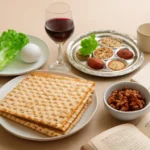
A central visual cue in the Seder is the Seder plate, a shallow dish that holds six symbolic foods. Each item on the plate represents a stage of the Exodus story or a related moral idea:
Zeroa — a roasted bone (or a symbolic bone) that recalls the Paschal sacrifice and the martyrdom of the Temple sacrifice system.
Beitzah — a roasted or hard-boiled egg symbolizing renewal, plantings, and the cycle of life. In many Sephardic communities, the egg also represents mourning for the destroyed Temple while marking the festival’s joy.
Maror — bitter herbs (often horseradish) that recall the bitterness of slavery.
Charoset — a sweet mixture of fruit, nuts, wine, and spices that evokes the mortar used by the Israelite builders in Egypt and the sweetness that accompanies liberation.
Karpas — a green vegetable (often parsley) dipped in salt water to symbolize springtime, rebirth, and the tears shed by the enslaved.
Chazeret — a second bitter herb, sometimes presented as romaine lettuce, used in some modern seders as a secondary layer of bitterness.
In addition to the Seder plate, many households place matzah (unleavened bread) on the table—three pieces stacked and wrapped in a cloth (the afikoman is taken from among these pieces during the Seder and later returned or replaced with a hidden matzah).
The Four Cups and the Kiddush
A defining ritual during the Seder is the consumption of four cups of wine or grape juice, each poured and blessed during the Kiddush ceremony. The cups symbolize four expressions of redemption found in the biblical text and remind participants of the promise that God’s salvation is ongoing. In some families, grape juice is used instead of wine to accommodate children, Sabbath observers who do not drink wine, or those with dietary restrictions.
First cup: sanctification of the occasion.
Second cup: the exodus from slavery to freedom.
Third cup: the giving of the Torah on Mount Sinai (though this is sometimes associated more broadly with the prophetic voice of liberation).
Fourth cup: gratitude and the hope for future redemption.
The Passover Haggadah: Texts, Translations, and Variations
Central to the Seder is the Haggadah, the text that guides the evening’s readings, songs, prayers, and dialogues. The Haggadah narrates the story of the Exodus, prompts questions, and provides commentary on the symbols and rituals. There are many versions of the Haggadah, reflecting diverse communities:
Ashkenazi Haggadot reflect traditional, medieval, and modern interpretations that arose in European Jewish life.
Sephardi and Mizrahi Haggadot incorporate Arabic, Spanish, or North African influences, with variations in wording, liturgical tunes, and additional readings.
Modern and Reform Haggadot may emphasize ethical and social justice themes, incorporate inclusive language, and invite contemporary reflections on freedom and responsibility.
A distinctive feature of many Haggadot is the Four Questions asked by a child (traditionally the youngest present). The questions invite participants to reflect on why this night is different from all other nights and to explore themes of liberty, memory, and responsibility.
The Seder as a Dramatic Narrative (Maggid) and the Afikomen
The portion of the Seder known as the Maggid (the telling) is the narrative heart of the evening. It invites discussion, prompts questions, and encourages personal connection to the story. A playful and educational element often appears in which older children or guests lead discussions or pose questions to younger participants.
A key interactive moment is the afikoman—a piece of matzah that is hidden or taken away as a pledge of return. Later in the evening, the afikoman is recovered as the final symbolic bite of the Seder, creating a sense of anticipation and family participation. This ritual has inspired numerous playful customs in households around the world.
Seder Etiquette and Practices Across Cultures
While the structure remains similar, the etiquette, songs, and timing of actions can differ. Some general practices include:
A specially designed Seder table arrangement with the plate, candles, bread, and wine placed prominently.
Israelite or diaspora families may perform the bedikat chametz (the search for chametz) and biur chametz (the removal of chametz) prior to Passover evening.
Children are often encouraged to participate in reading, singing, and guiding certain parts of the evening to foster curiosity and ownership of tradition.
Preparations Leading to Passover
The lead-up to Passover involves extensive preparation to create a space that is free of chametz, a symbolic unleavened state corresponding to the Israelites’ haste in leaving Egypt. This process includes physical cleaning, spiritual reflection, and sometimes culinary planning that anticipates the festive menus.
Cleaning and Chametz Removal
The search for chametz typically begins weeks before Passover. Families audit kitchens, pantries, and dining areas to identify and remove any products containing leavening agents. In many homes, the cleaning is a communal activity that also serves as a practical ritual of renewal. The goal is to eliminate all chametz from the home, creating a purified space for the holiday.
Bedikat Chametz and Biur
The ritual of bedikat chametz involves a candlelit search for chametz in hidden places, often accompanied by a list of chametz items to be discovered. After the search, households recite a formal statement of nullification and remove the chametz during biur chametz, the burning or disposal of found chametz. In many communities, the observance is observed on the night before Passover begins, as a ritual of separation from worldly attachments and a reminder of renewal.
Koshering Kitchens and Matzah Preparation
Preparing for Passover often involves either replacing or thoroughly kashering kitchen utensils, cookware, and devices that might have absorbed chametz. The goal is to ensure that the kitchen environment is compliant with Passover dietary laws. In some households, special passover utensils and dishes are kept separate from everyday use. The choice of matzah type—whether shmurah matzah (matzah guarded from the moment of harvest to ensure it is unleavened) or standard matzah—also influences the culinary plan for the week of Passover.
Foods and Matzo: Symbolism, Variants, and Dietary Observances
Food is a powerful conduit for memory during Passover. Each symbolic item on the table has a story to tell about the journey from oppression to freedom. Beyond the Seder plate, many households incorporate festive foods, festive dishes, and seasonal vegetables that align with both tradition and local culinary preferences.
Matzo: Unleavened Bread, Matzah Shmurah, and Variants
Matzo is the staple for Passover—an emblem of haste and divine protection during the Exodus. There are several notable varieties:
Shmurah matzah — hand-rolled, guarded from harvest through baking to ensure it remains unleavened; often used for the Seder’s wines and some holiday meals in traditional communities.
Gluten-free matzah — prepared for those with gluten sensitivities or celiac disease, using alternative flours while maintaining unleavened status.
Charoset: Regional Variations and Symbolism
Charoset is the sweet, textured mixture that represents the mortar the Israelite slaves used in Egypt. Its ingredients and flavors vary widely by tradition:
Ashkenazi style often combines apples, walnuts, wine, and spices, producing a sweet-treshy paste.
Sephardi and Mizrahi recipes may include dates, figs, almonds, sesame, and cinnamon, with fruit-based textures that echo regional produce.
Regardless of the recipe, charoset serves as a counterpoint to bitter herbs, highlighting the paradox of bitterness and sweetness in the journey from oppression to freedom.
Maror, Korech, and the Theme of Bitter-Sweetness
The bitter herbs (maror) remind participants of the bitterness of slavery, while the charoset offers a contrasting sweetness that symbolizes hope and deliverance. The Korech sandwich, which places maror between matzah and charoset in a single bite, offers a tactile, edible synthesis of the entire narrative: struggle, sustenance, and liberation.
Karpas, Salt Water, and the Red Sea Metaphor
Karpas is a green vegetable dipped into salt water, a ritual that invites participants to recall springtime renewal and the tears shed by the Israelites as they cried out for deliverance. The dipping is a reminder of the emotional and spiritual journey from bondage to freedom.
Zeroa and Beitzah: The Sacrificial Echo and Renewal
The Zeroa (the shankbone) is a symbol of the Paschal sacrifice and the blood of the covenant, while the Beitzah (the egg) is linked to the cycle of life, renewal, and the ritual sacrifice that took place historically at the Temple. Together, these two items anchor the Seder’s broader themes of sacrifice, continuity, and hope for renewal.
Special Dishes in Diverse Traditions
Different Jewish communities bring unique dishes to Passover tables:
Ashkenazi Passover menus often feature pot roast or chicken with vegetables, along with kreplach (dumplings) in some households.
Sephardi/Mizrahi menus may include spiced stews, rice dishes (kitchen permitting), and fruit-based desserts that reflect regional culinary flavor profiles.
Chabad-Lubavitch and other Hasidic communities emphasize joyful singing, inclusive participation, and a focus on the spiritual dimensions of redemption.
In all cases, the kitchen becomes a canvas for a family’s cultural memory, culinary creativity, and spiritual aspiration.
The Seder in Lived Practice: Household Customs and Diverse Traditions
Beyond the canonical text and ritual actions, Passover is shaped by the daily lives and intimate customs of families. Local practices, language, music, and storytelling flavors the experience, making each Seder distinctive while rooted in shared meaning.
Family-Centered Seders
A hallmark of many modern households is the emphasis on involving children and non-specialists in a meaningful way. Some families assign roles, such as:
The youngest participant reading a portion of the Haggadah
Adults guiding the questions and discussion
Children performing songs or short recitations
This family-centered approach helps generations connect with the narrative and see themselves as active participants in the story of liberation.
Women, Men, and Intergenerational Roles
Across historical and contemporary communities, the roles within the Seder can reflect evolving gender norms. In many households, women lead key parts of the evening, including readings, blessings, and the Maggid segments. In others, men and women share leadership duties. The balanced involvement underscores the egalitarian values many communities seek to cultivate during Passover.
Community Seders and Public Celebrations
In addition to family Seders, many synagogues, community centers, and schools host community seders that bring together people from diverse backgrounds. These gatherings provide opportunities to:
Learn different Haggadot interpretations and tunes
Experience multicultural culinary offerings
Engage in inclusive conversations about memory, justice, and freedom
Rituals for Children: Education through Engagement
Children are central to Passover pedagogy. Quests, play-acting, and interactive readings are common. Some families incorporate:
Leadership of child-friendly sections of the Haggadah
Hands-on activities like matzah tasting, maror tasting, and a craft that illustrates the part of the Seder plate
Encouragement of questions and the use of storytelling to demystify the narrative
Passover Beyond the Seder: Everyday Observances and Community Practices
The reach of Passover extends well beyond the ceremonial evening. Observances can include community prayers, additional piyyutim (liturgical poems), and home-based rituals that span the seven days of the festival. In the diaspora, many Jewish families continue to observe a form of the holiday, balancing the halachic (Jewish law) requirements with modern life.
Second Passover and Second Days in the Diaspora
In traditional practices, Passover is a seven- or eight-day festival depending on the tradition and location. In Israel, most communities celebrate for seven days. In many diaspora communities, a second day of festival is observed in addition to the first day. This extension reflects historical calendrical decisions and the desire to include all Jewish communities within a shared festival.
Holidays, Education, and Social Justice Themes
Modern Passover often emphasizes universal themes of liberation, dignity, and human rights. Some families incorporate readings and discussions about current events, refugees, and social justice, linking ancient memory with present-day responsibility. This approach transforms the Seder into a dynamic engine for education, empathy, and activism.
Foodways during Passover reflect both the sacred symbolism of the holiday and contemporary dietary needs. The culinary landscape is broad, and cooks around the world adapt traditional recipes to fit kosher for Passover standards while honoring regional flavors.
Cuisine Across Traditions: Ashkenazi, Sephardi, and Mizrahi Variations
– Ashkenazi cuisine often features hearty meat dishes, vegetables, and grain-based desserts that use matzah or matzah meal alternatives when allowed. Kugel and matzah ball soup are classic examples, though some homes may adjust for Passover restrictions by using matzah meal in place of flour.
– Sephardi and Mizrahi kitchens bring vibrant spice blends, citrus, fragrant herbs, and rice-containing dishes in some cases (where permitted by local traditions). The use of olive oil, cumin, coriander, and sesame seeds adds depth to Passover menus in Mediterranean-influenced communities.
– Contemporary Passover chefs experiment with gluten-free grains, alternative flours, and modern Jewish dietary practices. The result is a dynamic, globally inspired Passover cuisine that respects tradition while inviting creativity.
Many households incorporate seasonal ingredients into their Passover meals, aligning with springtime harvest symbolism. Fresh herbs, citrus, greens, and root vegetables appear in soups, salads, stews, and desserts, underscoring the festival’s link to renewal and growth.
Thematic and Educational Dimensions
Passover has always carried a rich educational dimension. Beyond ritual practice, families use the festival to teach history, ethics, and resilience. The central theme of liberation invites contemplation of freedom’s meaning in one’s own life and in the broader world.
Lessons of Liberation and Historical Memory
The Exodus narrative serves as a lens through which participants reflect on oppression and emancipation. The Seder is not merely a retelling but a pedagogical tool that encourages critical thinking about moral choices, collective responsibility, and the importance of freedom for all peoples.
Interfaith and Cultural Education
In multicultural societies, Passover Seders often welcome non-Jewish guests. This inclusivity fosters education and dialogue, enabling attendees to learn about Jewish history, ritual practice, and the universal values of justice and compassion. Sharing the Seder can become a bridge for understanding among diverse communities.
Glossary of Key Terms
To aid understanding, here is a brief glossary of important Passover terms:
Chametz — leavened bread or grain products that are forbidden during Passover.
Matzo — unleavened bread, symbolizing quick departure from Egypt.
Haggadah — the text read during the Seder that retells the Exodus story.
Maggid — the storytelling portion of the Seder.
Afikoman — a broken piece of matzah hidden and later retrieved as part of the ritual.
Karpar — a green vegetable dipped in salt water during the Seder.
Charoset — a sweet fruit and nut paste symbolizing mortar and sweetness of liberation.
Zeroa — a roasted bone on the Seder plate, echoing the Paschal sacrifice.
Beitzah — an egg on the Seder plate, symbolizing renewal and the Temple’s offerings.
Kiddush — the sanctification blessing recited over wine or grape juice.
Resources and Further Reading
For readers who wish to explore Passover in greater depth, a variety of materials are available:
Haggadot in various traditions (Ashkenazi, Sephardi, modern egalitarian versions) for different insights and languages.
Guides to Chametz Removing and kitchen kashering practices, with practical checklists for homes of different sizes and cooking setups.
Regional cookbooks that highlight Sephardic, Mizrahi, and other Jewish culinary traditions for Passover.
Engaging with these resources can deepen one’s appreciation for how Passover remains a vibrant, living tradition across generations and communities.
Conclusion: Passover as a Living Bridge Between Past and Present
The traditions of Passover bring together memory, ritual, family, and faith in a way that is both intimate and expansive. From the symbolic Seder plate to the far-reaching readings of the Haggadah, from the matzah and charoset we savor to the afikoman children chase, the holiday invites participants to consider what it means to be free, to care for others, and to shape a more just world.
Whether you observe with a traditional Ashkenazi Seder, a richly spiced Sephardi celebration, or a modern, inclusive Reform gathering, Passover remains a dynamic, evolving invitation: to retell the tale, to teach the younger generation, to share meals that nourish both body and spirit, and to cultivate a sense of communal responsibility for the dignity and freedom of all people.