The Jewish Passover Seder is more than a meal. It is a carefully structured, story-driven ritual that guides participants through the narrative of liberation, from slavery to freedom, with ritual actions, symbolic foods, and communal memory. In this extensive guide, you will find the essential elements, traditional customs, linguistic variations, and practical considerations that make the Passover Seder (also called the Pesach Seder or Pesach seder) a foundational component of Jewish life during the holiday of Passover. Whether you are preparing to host your first Seder, participating in a family gathering, or studying the tradition for academic or religious purposes, this article offers a comprehensive overview of the customs, structure, and meaning of the Jewish Passover Seder and its enduring role in education, culture, and faith.
The Passover Seder is a ceremonial meal that takes place on the first night (and, in some traditions, the second night) of Passover, a festival commemorating the Israelites’ Exodus from Egypt. The word Seder means “order,” reflecting the carefully choreographed sequence of rituals and readings that guide participants from sanctification to thanksgiving. The event is anchored in the Haggadah, a text that narrates the Exodus story, asks questions, provides commentary, and directs the recitation of blessings, songs, and prayers. Across Jewish communities around the world, you will find a shared framework for the Seder, alongside distinct customs that reflect local culture, language, and history. Throughout this article, you will encounter several variations of the term Jewish Passover Seder, including Pesach Seder and Passover ritual dinner, all referring to the same transformative evening of memory, learning, and communal celebration.
Origins and meaning of the Pesach Seder
The roots of the Pesach Seder run deep in Jewish history. The Exodus narrative, described in the Torah and elaborated in the Haggadah, tells of the Israelites’ liberation from slavery in Egypt under the leadership of Moses. The Seder formalizes this liberation into a multi-generational storytelling experience. Key ideas include:
Memory as a commandment: Remembering the Exodus is not a passive recollection but an active obligation that shapes identity, ethics, and hope for the future.
Education through ritual: The Seder is designed to educate children and adults alike, transmitting values, history, and religious law through questions, discussion, and symbolic foods.
Freedom and responsibility: The narrative invites participants to reflect on their own freedoms and the responsibilities that accompany them in the present day.
Covenantal continuity: The Seder reinforces the enduring covenant between God, the Jewish people, and the ideals of justice and mercy.
Over centuries, communities added customs and liturgical adaptations. The structure you see today—rooted in the Haggadah—is a living tapestry that has absorbed Ashkenazi, Sephardi, Mizrahi, and modern reform and conservative perspectives. This flexibility allows families to tailor the Seder while keeping its core message intact: the journey from oppression to liberation and the obligation to pursue a more just world.
Preparing for the Seder: practical steps and preparations
Preparation for the Passover Seder is a tangible expression of the festival’s themes. In the weeks and days leading up to the Seder night, households engage in specific tasks to ensure the ritual is conducted properly and meaningfully. Key steps include:
Chametz removal: The removal of leavened bread and other chametz is central to Passover. Many families perform a thorough inventory and search for chametz on the eve of the holiday, followed by a ceremonial burning or disposal of chametz. This act symbolizes purification and spiritual readiness.
Planning the Seder plate: The Seder plate brings together the emblematic foods that tell the Exodus story. Procuring fresh vegetables, bitter herbs (or a substitute), grape juice or wine, and matzah well in advance helps ensure an unhurried and meaningful evening.
Matzah and wine: Stocking up on matzah (unleavened bread) and the requisite wine or grape juice for the Four Cups sets the stage for the evening’s rituals.
Haggadah and texts: Each participant often has access to a Haggadah (the guide to the Seder), which may be bilingual or in the local language. Some families use a traditional text, while others adopt a contemporary edition with transliterations and commentary.
Setting the table: The table is arranged to optimize participation by all ages. The Seder plate is placed front and center, with the four cups of wine distributed around the table for blessings and recitation.
Leadership and roles: In many households, one adult or a designated family member leads the Seder, reads the blessings, and guides the readings. Children are often encouraged to participate by asking questions, finding the afikomen, or reciting lines from the Haggadah.
These preparations foster a sense of ownership and involvement in the Seder for everyone at the table, whether they are seasoned participants or first-time attendees.
The Seder plate: symbols of the Exodus
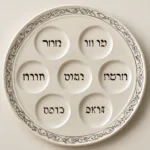
The Seder plate is a compact, symbolic array of foods that together tell the Passover story on the plate itself. Each item carries a precise meaning, linking the physical objects to the narrative of liberation. The typical Seder plate includes:
Zeroa (shank bone): A symbol of the Paschal sacrifice given in temple times, representing the ancient offering and the theme of redemption.
Beitzah (roasted egg): A symbol of mourning for the destruction of the Temple and, more broadly, the cycle of life and renewal.
Maror (bitter herbs): Typically horseradish or radish, representing the bitterness of slavery in Egypt.
Karpas (vegetable, usually parsley or celery): Dipped in saltwater to symbolize spring, renewal, and the tears shed by the Israelites in bondage.
Charoset (a sweet mixture of fruit, nuts, wine, and spices): Symbolizes the mortar used by Hebrew slaves in Egypt and, more broadly, the sweetness that can accompany emancipation.
Chazeret (additional bitter herb, sometimes romaine lettuce): An alternative bitter element that reinforces the theme of bitterness and resilience.
In some modern or cross-cultural Seder tables, you may encounter variations or additional symbolic items designed to reflect local customs or family history. The essential idea remains the same: the plate visually encodes the journey from oppression to freedom and invites dialogue about memory, justice, and hope.
The order of the Seder: a guided itinerary for the evening
The term Seder itself signals order. The Seder night unfolds as a sequence of distinct steps, each with its own ritual actions, prayers, and readings. Below is a standard outline with explanations for each stage. In some communities, the order may be adapted, but the core framework remains constant.
Kadesh (sanctification): The evening begins with Kiddush, the blessing over wine, affirming the sacredness of the festival and the transition from the ordinary day to the sacred moment of Passover.
Urchatz (washing): A symbolic washing of hands without a blessing, performed in preparation for eating the symbolic foods. This ritual emphasizes purity and readiness before the meal.
Karpas (dipping): A vegetable, typically parsley or celery, is dipped into saltwater. This act links new growth with the tears of oppression and invites reflection on renewal and resilience.
Yachatz (breaking the matzah): The middle matzah is broken into pieces. One piece, the afikomen, is set aside to be hidden later, while the other pieces go back to the seder setting.
Maggid (the narrative): The core storytelling segment, where the Exodus is recounted, questions are asked (in many households, the Four Questions are recited here), and the liberation story unfolds through dialogue and commentary in the Haggadah.
Rachtzah (washing with a blessing): A ceremonial washing of hands before eating matzah as part of the commandment to eat matzah at the Seder meal.
Motzi Matzah (blessing over bread and matzah): The blessing over bread and the commandment to eat matzah, highlighting the unique flour-free grain used during Passover.
Maror (eating bitter herbs): Participants eat bitter herbs to taste the memory of slavery alongside a defining ritual of Seder mathematics—balancing bitterness with sweetness of redemption.
Korech (Hillel sandwich): A sandwich of matzah and maror, embodying the combination of bitterness and redemption in one bite, as taught by Rabbi Hillel.
Shulchan Orech (the festive meal): The main course of the Seder—the festive meal—often featuring traditional dishes, symbolizing hospitality and communal celebration.
Tzafun (the afikomen): The hidden afikomen is found and eaten as the final food of the Seder, symbolizing redemption and the future hope of continued liberation.
Barech (the blessing after meals): Grace after meals is recited, giving thanks for the nourishment and for the blessings of freedom and community.
Hallel (psalms of praise): Recitation of Psalms of praise and gratitude for God’s redemption, often accompanied by songs and communal singing.
Nirtzah (conclusion and acceptance): The evening concludes with prayers of acceptance and peace, and the hope that the Seder was acceptable to God and that the participants have fulfilled the commandments of Passover.
Within the Maggid section, the F our Questions (Ma Nishtana) frequently appear as a focal point, especially for children. The questions invite curiosity and emphasize the contrasts between the ordinary and the extraordinary, the familiar and the miraculous. The Four Questions are not only a liturgical device but a pedagogical one, designed to engage younger participants and to deepen the communal understanding of the narrative.
The Four Questions and questions of curiosity
The traditional Ma Nishtana — «What makes this night different from all other nights?» — is asked by the youngest participant or by a designated reader. The questions typically address four key differences observed on Passover, including the ritual use of matzah, the absence of leavened bread, the use of bitter herbs, and the practice of dipping and tasting. In many families, the questions are recited in a mix of Hebrew and the local language, and they serve as a bridge between the ancient text and contemporary life. Variations of the Four Questions reflect linguistic and cultural diversity, but the function remains the same: to stimulate curiosity, ensure engagement across generations, and reinforce the central themes of memory, liberation, and ethical responsibility.
A distinctive feature of the Passover Seder is the ritual consumption of four cups of wine (or grape juice in some homes). Each cup accompanies a specific blessing and a moment of spiritual significance. The four cups symbolize:
Kadesh cup: sanctification and the opening blessing, setting apart the festival.
Rachtzah cup: the second cup represents purification and readiness for the meal.
Motzi cup: associated with the blessings over matzah, intertwining the idea of redemption with sustenance.
Barech cup: gratitude after the meal and the culmination of renewal and redemption.
In modern practice, some households choose grape juice instead of wine for all or some of the cups, due to health, age, or personal preference. The substitution does not diminish the ritual intention; it preserves the symbolic rhythm of the Seder and the communal experience of blessing and gratitude.
Around the table: songs, blessings, and the afikomen
The Seder table often becomes a space of songs, storytelling, and participatory ritual. Several elements contribute to the festive atmosphere and educational purpose of the evening:
Hallel and songs: Psalms of praise (Hallel) and traditional songs celebrating freedom are commonly sung after the meal or during the Maggid portion of the Seder.
A ritual of questions and discussion: The Seder is designed to encourage dialogue, with family members offering interpretations of the text, sharing personal reflections on freedom, and posing thoughtful questions about justice in today’s world.
Afikomen search: The hidden afikomen becomes a playful, teachable moment, prompting children to “find” it and, in exchange, receive a reward or a prize. The afikomen is eaten at the end of the Seder as the last food, symbolizing the sweetness of redemption and the hope for future liberation.
Ritual etiquette and participation: The Seder emphasizes inclusion, with participants taking turns reading from the Haggadah, pouring wine, and guiding younger relatives through the steps. The sense of family and community is central to the experience.
From memory to modern practice: variations across Jewish communities
Although the core elements of the Seder are consistent, Jewish communities around the world have developed distinct customs that reflect their histories, languages, and climates. Here are some notable variations you might encounter:
Ashkenazi traditions: In many Ashkenazi communities, the Seder features traditional prayers in Hebrew with Yiddish phrases and a strong emphasis on the four questions, with some variations in the wording of blessings and songs.
Sephardi and Mizrahi customs: Sephardic and Mizrahi families may include additional songs, piyutim (liturgical poems), and melodies in Ladino, Judeo-Arabic, Persian, or other languages. They might also differ in the arrangement of the Seder plate items or in the recipe preparations for matzah and charoset, reflecting regional flavors and ingredients.
European, North African, and Middle Eastern influences: Each geography adds its own culinary and liturgical flavors, including variations in the sweetness or spice of charoset, the use of local herbs in marinades, and unique interpretations of the egg and bone symbolisms on the Seder plate.
Modern and reform approaches: Contemporary and reform congregations may incorporate inclusive language, gender-balanced readings, and accessible formats (digital Haggadot, transliterations, and English translations) to enhance understanding for diverse audiences, including children and non-native speakers.
No matter the variation, the essential purpose remains the same: to tell the story of liberation, to connect past and present, and to reinforce a collective call to justice and compassion in the world today.
Observing the Seder in different life contexts
People observe the Passover Seder in a wide range of life situations. Here are some common scenarios and practical tips to ensure the Seder remains meaningful for everyone involved:
Interfaith families: Many households include non-Jewish spouses, partners, or guests. It is helpful to provide transliterations, simple explanations of Hebrew terms, and optional readings to include everyone in the experience while preserving tradition.
Families with children: Involving children is central to the Seder. Use the Four Questions, hide the afikomen, and invite kids to read short passages. Visual aids, picture books, and interactive activities can enrich the evening.
Accessibility considerations: For guests with mobility or sensory needs, consider seating arrangements, large-print Haggadot, and clear acoustics. The Seder is about inclusion, learning, and shared ritual, so adapt as needed to ensure everyone can participate.
Dietary restrictions: Matzo should be certified kosher for Passover, and options exist for gluten-free matzah. If wine is a concern, use grape juice with appropriate blessing language. Charitable or mindful sourcing of ingredients aligns with the values of Passover.
In every case, the evening is an opportunity to teach, learn, and strengthen community bonds through shared memory and shared values.
Modern education and the Passover Seder
The Seder is often used as an educational tool beyond the home. In schools, synagogues, and community centers, educators employ the Haggadah to teach about history, ethics, and social justice. Some contemporary educational goals include:
Historical literacy: Understanding the historical context of the Exodus story, including slavery, oppression, and the quest for freedom.
Ethical reflection: Drawing parallels between ancient oppression and modern forms of injustice, discrimination, or oppression, and exploring personal commitments to justice.
Literary and linguistic skills: Reading, translating, and analyzing passages from the Haggadah fosters literacy and critical thinking.
Creative engagement: Art projects, music, drama, and storytelling activities help participants connect with the narrative in personal and imaginative ways.
Common questions about the Passover Seder
As with many long-standing rituals, questions arise about the details, symbolism, and modern practice of the Seder. Here are answers to some frequently asked questions that may appear on worksheets, in conversations, or at the table itself:
Why do we eat matzah during Passover? Matzah represents the bread of affliction that the Israelites ate on their journey out of Egypt, and it also symbolizes haste and readiness—packing up and leaving quickly when the opportunity for liberty arrived.
Why is bitter herb eaten? The bitter herbs recall the harshness of slavery and the bitterness of oppression endured by the Israelites in Egypt, reminding participants to value freedom and dignity.
What is the afikomen, and why is it hidden? The afikomen is a piece of matzah reserved for the end of the meal. Its hiding and eventual discovery reengages participants in the ritual, linking play with profound memory and highlighting the importance of redemption.
Why four cups of wine? The four cups symbolize stages of redemption and the four expressions of divine salvation described in the Torah. They structure the Seder’s blessings and reflections, reinforcing a rhythm of gratitude and hope.
Are there different ways to conduct the Seder? Yes. Customs vary by community, home tradition, and scholarly approach. The core framework remains, but the language, melody, and emphasis can differ, reflecting the rich diversity of Jewish life.
The significance of the Passover Seder for Jewish identity
Across generations, the Passover Seder has served as a vessel for communal memory and identity formation. It offers a moment to:
Transmit history: The Seder is a living archive, passing down the story, ethics, and rituals from elders to children and newcomers.
Build community: Shared rituals strengthen bonds among family and friends, and foster connections with the broader Jewish community.
Encourage ethical reflection: The narrative invites participants to consider freedom as a universal value and to identify ways to support justice and human rights in contemporary society.
Inspire hope: Passover ends with a sense of possibility—that today’s oppression can yield tomorrow’s liberation, and that individuals have a role in shaping a better world.
Frequently asked questions about the Seder etiquette
While the Seder is deeply traditional, practical questions often arise about etiquette, inclusivity, and how to incorporate children and guests into the experience. Here are some etiquette-focused tips:
Who leads the Seder? In many families, a designated adult leads, but guests may also take turns reading and leading songs. The goal is to ensure everyone can participate actively.
What language should be used? Hebrew phrases are common, but many families use the local language or bilingual editions of the Haggadah to ensure comprehension and participation for all ages.
How long does a Seder last? A typical Seder can run from 2 to 4 hours, depending on the breadth of readings, discussions, and songs. It’s common to pace the evening to suit the needs of children and guests.
What if a guest cannot drink wine? Grapes juice is an accepted substitute for the Four Cups, and non-alcoholic beverages can accompany other parts of the meal, ensuring accessibility for all participants.
Historical and theological themes in the Seder
Beyond its ritual structure, the Passover Seder engages with several enduring themes that appear across Jewish thought and law:
Memory as obligation: Remembering the Exodus is integral to Jewish law and ethic, shaping how communities respond to oppression and how they pursue justice.
Unity and plurality: The Seder invites diverse voices to participate in the retelling, ensuring that the experience is inclusive of various ages, backgrounds, and perspectives.
Hospitality and welcome: The Seder table is a site of hospitality, hospitality to guests, and the broader idea of welcoming the stranger, which echoes the festival’s themes of liberation.
Redemption and responsibility: Redemption is framed not only as a historical event but as a continuous process requiring ethical action, charity, and advocacy for freedom wherever it is threatened.
Conclusion: keeping the Passover Seder vibrant in the modern world
As centuries of Jewish life have shown, the Passover Seder remains a living, evolving practice. Its power lies in its ability to connect the ancient story of oppression to the present day—inviting participants to study, reflect, and act with compassion. The Seder night is not a static ritual but a dynamic conversation between generations, a shared memory that becomes a call to justice, a classroom, a family gathering, and a source of spiritual nourishment. Whether you are preparing your first Seder or your hundredth, the core message endures: freedom is precious, memory is powerful, and each generation bears responsibility for the world we inherit and the world we build for others. May your Seder be meaningful, memorable, and a source of hope for you and for all who share in its story.