Passover, or Pesach in Hebrew, is a major Jewish festival that commemorates the exodus of the Israelites from Egypt. This guide is designed to help readers understand the ritual, symbolism, and practical steps involved in a typical Passover celebration. Whether you keep a strict traditional practice or are seeking a family-friendly, inclusive approach, the principles remain rooted in memory, gratitude, and renewal. The following sections offer a thorough overview, practical tips, and concrete steps to plan and conduct a meaningful Seder and related observances.
Understanding the Meaning and Core Elements
Before diving into the procedural steps, it helps to know the key ideas that define Passover. At its heart, the festival centers on liberation—the departure from slavery to freedom. This dramatic transformation is remembered through rituals, symbolic foods, and retellings of the Maggid (the story portion of the Haggadah). The celebration emphasizes gratitude for freedom, reflection on oppression, and a sense of shared responsibility to safeguard human dignity.
Common terms you will encounter include Chametz (leavened bread and anything made with leavening agents), Matzah (unleavened bread eaten during the holiday), Karpas (a vegetable dipped in saltwater to recall suffering and the springs of life), Maror (bitter herbs that symbolize hardship), Charoset (a sweet paste representing mortar used by the slaves), Z’roa (a roasted bone, a symbol of the Paschal sacrifice), and Betzah (a roasted egg, symbolizing festival sacrifice and renewal).
Preparing for Passover: Cleaning, Planning, and Setup
Preparation is a central practice because Chametz must be removed from the home during Pesach. The process typically includes a thorough cleaning, legal and ritual checks, and setting up a proper space for the Seder.
Cleaning and Removing Chametz
Identify and remove all Chametz from living spaces, kitchens, and storage areas.
Search for leftover Chametz with a candle, feather, and spoon on the night before the festival begins. This practice, known as bedikat chametz, helps households ensure no Chametz remains.
Dispose of Chametz responsibly or seal it away so it cannot be used during the holiday.
Planning the Seder and Invitations
Decide who will host the Seder and who will participate—families, friends, or a community group.
Create a Haggadah or borrow one from a friend or a community library. An accessible translation or a simplified version can help first-time participants follow along.
Gather or confirm special dietary needs, including vegetarian options, kosher requirements, or substitutions for wine or grape juice.
Gathering the Seder Plate and Essentials
Seder Plate items: Z’roa (bone), Betzah (egg), Karpas (vegetable), Maror (bitter herb), Charoset, and appropriate portions of matzah.
A bottle of wine or grape juice for the four cups per person.
Additional ritual objects: a candle for lighting, a placard or page with the Ma Nishtana (Four Questions) or a child-friendly version for youngsters.
The Seder Plate: What Each Item Represents
The Seder Plate is a visual center of the Seder. Each component tells a part of the story and invites discussion and participation.
Key Seder Plate Elements
Z’roa (bone): Symbolizes the Paschal sacrifice that was offered in the Temple in Jerusalem.
Betzah (egg): Represents festival sacrifice and the cycle of life and renewal.
Karpas (vegetable, often parsley): Dipped in salted water to recall tears and the salty waters of oppression; it also marks the springtime harvest.
Maror (bitter herbs, such as horseradish): Reminds participants of bitter slavery.
Charoset (a sweet, fruit-based paste): Symbolizes the mortar used by the enslaved Israelites.
Additional items may include Chazeret, a second bitter herb, or other regional customs.
The Seder unfolds in stages that combine ritual, storytelling, and discussion. Below is a practical, step-by-step sequence you can adapt to your own tradition or household needs. You can follow along with a Haggadah or use this guide as a framework for your own creative celebration.
Candle Lighting and entering a state of holiness: Women or the person assigned to lighting the candles typically begin by lighting the candles a few minutes before sunset, signaling the start of the holiday and a shift from ordinary time to a time of remembrance and sacred practice.
Kiddish and Yachatz: The Kiddush blessing over wine welcomes the holiday, followed by Yachatz, the breaking of the middle matzah. A portion is set aside for the Afikomen, the later-revealed piece of matzah.
Urchatz (ritual washing): Some families wash their hands without reciting a blessing, preparing to eat the vegetables and other elements on the Seder plate.
Karpas and Dip: The first vegetable (often parsley or celery) is dipped in saltwater and eaten to recall life and tears. Saltwater evokes the sweet and salty memories of suffering.
Yachatz (second time): The broken matzah remains on the table as a symbol of brokenness and hope for wholeness to come.
Motzi Matzah (blessing over bread): The blessing on the matzah is recited, and the matzah is divided among participants as a reminder of the Israelites’ hurried departure from Egypt.n
Maror and Charoset: The bitter herb (maror) is eaten, sometimes with charoset to temper the bitterness and illustrate the juxtaposition of suffering and sweetness in liberation.
Korech (Hillel sandwich): A sandwich made with matzah, maror, and charoset is eaten to connect present practice with the old Temple-era ritual and the retelling of the Exodus narrative.
Shulchan Orech (the festive meal): A traditional meal is served, often featuring dishes that fit dietary needs and local customs.
Afikomen search: Children search for the hidden Afikomen, which is later redeemed for a small prize or dessert, symbolizing the hidden yet promised redemption.
Birkat Hamazon and Hallel: Grace after meals is recited, and many communities sing Psalms of praise to conclude the meal and reflect on the day’s significance.
Elf-4 Cups of Wine: Throughout the evening, participants drink four cups of wine or grape juice, each cup corresponding to a major moment in the Exodus narrative and the promise of freedom.
Conclusion: The evening closes with songs, additional readings, and discussions about the meaning of freedom, responsibility, and memory for the present and future generations.
Four Cups and the Ritual Drinkings
The four cups symbolize protection, liberation, and joy. Each cup is associated with a specific blessing and a moment in the narrative. If you are hosting a contemporary or interfaith gathering, you can adapt the wine ritual by using non-alcoholic grape juice or offering non-alcoholic options for anyone who cannot or prefers not to drink alcohol.
When to Drink the Cups
First cup: Blessing before the meal and the initial recounting of the exodus story.
Second cup: During the meal, often accompanying discussion of the Israelites’ journey and the blessings of liberation.
Third cup: After the meal, during the recitation of the blessings or the Hallel.
Fourth cup: End of the evening, symbolizing completion and future hope for peace and freedom.
Passover customs differ across communities and denominations. Ashkenazi and Sephardi practice may diverge on certain foods, liturgy, and melodies. Some communities add unique songs, readings, or customs that reflect historical experiences, regional flavors, or family traditions.
Ashkenazi tradition often uses a Haggadah with specific prayers and songs that are distinctive to Central and Eastern European Jewish communities.
Sephardi and Mizrahi traditions bring Latin- or Arabic-influenced tunes, different readings, and sometimes variations in the order of the Seder and the foods served.
Modern, Inclusive, and Interfaith Approaches
Some households adopt more inclusive language and readings to welcome guests of diverse backgrounds while maintaining the core themes of freedom and memory.
Interfaith families may adapt the text to emphasize shared values, such as hospitality and justice, while keeping the essential rituals and symbols intact.
Educational Seders often include explanations for children and newcomers, with hands-on activities and visual aids to deepen understanding.
Whether you host every year or try a new format, these practical ideas can help you create an engaging and educational experience for all participants.
Plan ahead: Prepare a clear timeline for the evening, list materials, and assign roles (reader, translator, host, question facilitator).
Inclusive language: Use language that welcomes people of various backgrounds and knowledge levels.
Age-appropriate adjustments: Create a version of the Haggadah suitable for children with simplified explanations and interactive elements.
Music and atmosphere: Use traditional songs, lullabies, or instrumental melodies to create an immersive atmosphere that supports reflection.
Discussion prompts: Prepare questions that connect the Exodus story to today’s social justice concerns, personal growth, and family values.
Families with children often emphasize participation and play. The following ideas make the Seder approachable, educational, and fun for younger participants while preserving the dignity of the ritual for adults.
Use a kid-friendly Haggadah or illustrated cards that explain each step with pictures and simple explanations.
Assign age-appropriate tasks, such as placing the Karpas in saltwater or finding the Afikomen.
Incorporate craft activities—making place cards, drawing the Seder plate items, or creating a short stage-scene retelling of the Exodus.
Offer non-dairy and kosher-for-Passover snacks for after the formal ritual to maintain energy and engagement.
Not everyone has a large space or a dedicated dining room for a big Seder. Here are ideas for intimate spaces, classrooms, or online communities.
In a small apartment, focus on the core rituals and shorten the meal while keeping the rhythms and symbolism intact.
In a classroom or library setting, use simplified readings, visual aids, and guided discussions about the themes of freedom and responsibility.
In virtual Seders, share readings via video, display images of the Seder plate, and use chat or polls to engage participants who cannot be present in the same room.
Food is a central part of the holiday, and many families choose to follow the dietary restrictions and symbolic meanings associated with Passover. The most recognizable elements—>matzah, maror, charoset, and the Seder plate items—provide a tactile way to connect memory and meaning to daily life.
Common Foods Used During the Seder
Matzah: The flat, unleavened bread that recalls the haste of the Israelites leaving Egypt and the absence of time for bread to rise.
Maror and Charoset: A dip of bitter herbs with a sweet mixture to evoke the bitter experience of oppression and the sweetness of eventual liberation.
Karpas: A fresh vegetable dipped in saltwater to remember spring, renewal, and tears shed along the journey to freedom.
Charoset: A reminder of mortar used by enslaved workers, often made with apples, nuts, wine, and spices in various regional recipes.
Beitzah (egg) and Z’roa (bone) on the Seder plate: Rich symbolism tied to sacred offerings, renewal, and continuity.
Many people today observe Passover with a commitment to culinary inclusivity and dietary restrictions. Here are ways to adapt.
Choose kosher for Passover products and verify labels for corn, rice, or legume derivatives if your tradition excludes these foods during Pesach.
Offer a mixture of meat and vegetarian dishes to accommodate different dietary choices.
Provide non-alcoholic options for the four cups and ensure there are sweet alternatives for any guests who prefer them.
Many readers and participants ask practical questions about timing, recipes, and rituals. Here are concise answers to common inquiries you might encounter.
When does Passover begin and end?
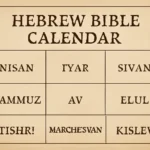
Passover begins on the 15th day of the Hebrew month of Nisan and lasts for seven days in Israel and for eight days in many diaspora communities. The exact times depend on the Jewish calendar and local sunset times.
What is the significance of unleavened bread?
Unleavened bread symbolizes the haste with which the Israelites fled Egypt and their lack of time to let bread rise.
Why do we drink four cups of wine?
The four cups symbolize the four expressions of redemption found in the Torah and serve as a progression from slavery to freedom with occasions for reflection and celebration.
Is Passover celebrated differently in secular or non-Orthodox households?
Yes. Many non-Orthodox or secular families focus on historical education, family togetherness, and the themes of freedom, justice, and memory rather than strictly following all religious rules. They may adapt liturgy and rituals to suit their beliefs while preserving the core ideas of liberation and remembrance.
Passover is not just a single evening; it can inspire ongoing reflection and action. Consider these ideas to extend the spirit of liberation and social justice into daily life during the rest of the year.
Study: Explore books or articles about freedom, human rights, and stories of resilience from different cultures and histories.
Community: Volunteer or participate in projects that promote dignity and support for those who are oppressed or marginalized.
Education: Share knowledge with younger family members or colleagues by hosting a mini-learning session about the themes of the Exodus story and their relevance today.
In increasingly diverse communities, Passover can become a bridge for dialogue and mutual understanding. Interfaith Seders, educational panels, and shared meals can provide meaningful opportunities to explore shared values such as hospitality, freedom, human dignity, and justice. When approached with sensitivity and respect, these experiences can enrich everyone involved.
Whether you observe Passover through a traditional, modern, or inclusive lens, the central idea remains constant: freedom is a sacred gift that calls for memory, gratitude, and responsibility. By thoughtfully preparing your space, engaging participants of all ages, and honoring the symbolism of the Seder, you can create a powerful and memorable experience. The rituals—matzah, bitter herbs, charoset, the four cups, and the ceremonial retelling—offer a framework for exploring personal history, shared values, and the ongoing work toward a more just world. May your Passover celebrations be meaningful, nourishing, and uplifting for all who participate.