Shofar making is a craft that blends tradition, acoustics, and careful material work. In many communities the shofar is a central instrument for certain holidays and rituals, and no two horns sound exactly the same. This guide offers an in-depth look at how shofars are made, covering both traditional natural ram horn methods and modern synthetic alternatives. You’ll find a step‑by‑step walkthrough, notes on variations, and practical maintenance tips to keep a shofar in good condition for years of use.
What is a shofar and why does its manufacture matter?
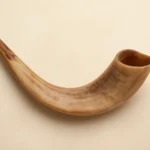
A shofar is a wind instrument formed from a ram’s horn (typically from a ram horn that has been cleaned and hollowed) or from a synthetic substitute, designed to be blown into so as to produce a powerful, resonant horn sound. Unlike many wind instruments, a shofar has a natural curved shape and a mouth opening near its tip that must be carefully prepared. The interior bore—essentially the hollow cavity inside the horn—acts as the resonant chamber, shaping the tone. The artistry of manufacturing lies in choosing the right horn, preparing the interior so it blows cleanly, and finishing the exterior so it is comfortable to use and pleasing to the eye.
Materials and tools: what you need to make a shofar
Natural ram horn or an approved synthetic alternative (resin, acrylic, or other composites) depending on the maker’s tradition and the consumer’s needs.
Sharp knives, gouges, and small chisels for trimming and shaping.
Fine rasps and sandpaper (various grits) for smoothing the exterior and interior bore.
Carving tools for beveling the mouth opening and shaping the rim.
Clamps or securing devices to hold the horn steady during work.
Warm water, mild soap, and brushes for cleaning the horn surface and interior debris.
Natural oils or waxes (such as olive oil, mineral oil, or beeswax) for finishing and sealing the exterior.
Optional: epoxy resins or adhesives for repairs or attaching a modern mouthpiece.
Protective gear: gloves, eye protection, and good ventilation when working with finishes or resins.
Traditional natural ram horn shofars: a step-by-step guide
For many communities, the traditional shofar derives from a ram horn that has been cleaned, dried, and hollowed. The process is as much about preserving cultural integrity as it is about engineering a workable musical instrument. Here, the steps emphasize the care needed to maintain a horn’s natural curvature and to create a usable mouth opening while preserving its historical character.
Sourcing and selection. Begin with a ram horn that has an appropriate length, curvature, and thickness for your intended tone. Horns vary in size and bend; the choice influences the timbre, range, and ease of playing. It is common to select a horn from a responsible supplier who follows ethical and dietary guidelines consistent with local tradition.
Initial inspection. Examine the horn for cracks, weak points, or insect damage. A horn with hidden structural issues may crack under pressure when blown. A healthy horn should feel solid and have no visible soft spots.
Cleaning the exterior. Rinse the horn with warm water and a mild soap to remove surface dirt or residue. Use a soft brush to clean the ridges and the inner surface. The exterior should be dried thoroughly to prevent mold.
Interior preparation. The interior must be cleared of organic matter. Scrape and wipe away membrane, cartilage, or bone fragments from the hollow interior. The goal is to create a clean, passable bore without damaging the horn’s natural structure.
Aging and curing. Some makers allow natural aging to improve tonal quality. The horn may be left in a controlled environment for weeks or months to stabilize moisture content, which can subtly affect resonance and ease of vibration.
Determining the mouth opening. Decide where the mouth opening or the “labial edge” will sit on the horn. This is typically near the narrow end of the horn but can vary. The opening must be wide enough for a comfortable seal with the player’s lips while not so large as to introduce instability in the tone.
Cutting the mouth opening. Carefully trim the tip or near-tip region to form a clean mouth hole. The cut should be beveled and smooth to prevent cuts to the lips and to facilitate a clean seal during playing.
Shaping the bore. The interior bore may be slightly widened in the front portion to allow air to flow freely. Use fine rasps and sandpaper to shape the interior gradually. Avoid removing too much material too quickly—this can compromise strength and tonal character.
Exterior finishing. Lightly sand the exterior to remove any rough spots. A smooth surface makes the horn more comfortable to handle and helps the finish adhere evenly.
Sealing and finishing. Apply a thin coat of natural oil or wax to protect the horn from dryness and cracking. The finish should enhance the horn’s natural color and sheen without obscuring its texture.
Sound testing. Blow gently to test the tone. If the tone is stuffy or off-pitch, recheck the bore and mouth opening. Small adjustments—like refining the mouth edge or smoothing the interior—can dramatically change the resonance.
Final inspection and care. Confirm that the shofar sits comfortably in the mouth, that the edge is smooth, and that there are no rough patches. Store away from extreme heat or moisture, and document any repairs for future maintenance.
The tone of a shofar is influenced by multiple factors: horn size, bore shape, and mouth opening dimensions. Larger horns with a wider bore generally produce a fuller, deeper sound, while smaller horns yield a brighter or higher-pitched tone. Some players prefer a horn with a gradual taper, which can help produce a more musical, resonant response. These nuances are part of the traditional craft and often reflect regional preferences and ritual requirements.
Modern variations: laminated horns and synthetic shofars
Beyond the traditional ram horn, builders have explored a range of synthetic and composite options designed to emulate or enhance the shofar’s acoustics. These alternatives may appeal to venues seeking reliability, health considerations, or budget constraints. Two common modern paths are synthetic horn shofars and composite or laminated designs.
Synthetic shofars. Made from plastics or composite resins, synthetic shofars can be produced in a consistent bore and curvature. They are easier to mass-produce and may be sealed with modern finishes. Some players appreciate the predictable response and durability, especially in humid or outdoor settings.
Composite and laminated shofars. These designs blend layers of resin with wood or other materials to simulate the appearance of a natural horn while offering improved strength and moisture resistance. The interior bore can be machined to precise dimensions, providing a reliable, repeatable playing experience.
Beveled mouthpiece integration. Some synthetic shofars include a built-in mouthpiece that mimics the lip feel of a natural horn. This feature can reduce the need for hand shaping at the rim and improve comfort for extended use.
Aesthetic variations. Modern makers often finish synthetic horns with color, grain patterns, or coatings that imitate natural horn textures. While these do not replicate the acoustics of a true ram horn perfectly, they offer attractive alternatives for ceremonial settings or educational exhibits.
Step-by-step guide: creating a synthetic or composite shofar
For those who opt for non-animal materials, the process shares core goals with natural horn work: create a smooth bore, ensure a comfortable mouth edge, and deliver a reliable resonance. The steps below outline a typical workflow for a synthetic shofar, which may differ somewhat from natural horn fabrication due to material properties.
Design and specification. Define the desired length, curvature, bore diameter, and tone range. Use computer-aided design (CAD) or manual templates to plan the instrument before fabrication.
Material selection. Choose a high-quality resin or composite material with good acoustical properties, impact resistance, and stability under temperature and humidity changes.
Rough shaping. Cut the raw material to approximate horn shape and leave extra material at the ends for final trimming.
Bore creation. Machine or drill a hollow bore along the length, ensuring a smooth internal surface. The bore should be free of voids and seams that could disrupt airflow.
Beveling and mouth opening. Create a comfortable lip edge with a bevel similar to that found on natural horns. The opening should be smooth and free of burrs to prevent lip irritation.
Finish and sealing. Apply a protective finish to the exterior that resists moisture while presenting a polished appearance.
Quality testing. Blow into the shofar to evaluate tone, sustain, and ease of resonance. If needed, fine-tune the bore or rim.
Documentation and care. Record specifications and care instructions for users, including storage conditions and cleaning guidance.
Care, maintenance, and longevity: keeping a shofar playable
Whether you own a traditional ram horn or a synthetic version, proper care extends the instrument’s life and maintains its tonal qualities. Here are practical practices to ensure your shofar remains reliable year after year.
Clean after use. Wipe the exterior with a dry cloth and use a gentle brush to clear the interior of any saliva or moisture residue. A light rinse with clean water can be used if necessary, but avoid soaking the horn unless you know the material tolerates dampness.
Dry thoroughly. After cleaning, allow the shofar to dry completely in a well-ventilated area. Do not store it while damp, as prolonged moisture can lead to mold or structural issues.
Humidity control. Store the shofar in a climate-controlled space away from extreme heat or direct sunlight. Excessive heat can damage finishes and warp the horn; cold, damp environments can promote cracking.
Oiling and sealing. Periodically apply a light coat of natural oil or wax to the exterior to prevent drying and cracking. Avoid over-oiling, which can attract dust and degrade the finish over time.
Inspection for cracks. Regularly check for cracks, especially at the mouth edge or along points of stress. Small cracks can be repaired by a professional, but large fractures may render the horn unusable.
Proper handling. Handle the shofar with care, especially when transporting it. A slip or drop can cause delamination, cracking, or distortion of the bore.
Sound checks. Periodic playing helps keep the horn in playing condition. If you notice a muted tone or unexpected rasp, recheck the mouth edge and interior bore for obstructions or damage.
Common variations across communities and practical considerations
The practice of shofar making reflects regional and religious traditions. Differences in acceptance of materials, preferred tonal characteristics, and ceremonial requirements influence the manufacturing process. Here are some notable variations and practical considerations to keep in mind.
Kosher and ritual considerations. In many Jewish communities, the ram horn itself carries religious significance. Some authorities prefer or require the horn to be from a kosher animal, with a traceable source. Others permit high-quality synthetic alternatives for practical reasons, provided local authorities accept them for ceremonial use.
Acoustic preferences. The desired tone can vary by community: some favor a firmer, brighter attack; others seek a deeper, more resonant sustain. The horn’s curvature, bore dimensions, and mouth opening are adjusted to meet these tonal preferences.
Durability and setting. In outdoor or ceremonial settings, durability and consistent performance are important. Synthetic shofars are less susceptible to environmental fluctuations, which can appeal to congregations that require reliable tone in varying conditions.
Aesthetic styles. The exterior finish—whether left natural, stained, polished, or lacquered—can reflect cultural aesthetics. Some communities value a visibly natural horn, while others favor a smooth, uniform appearance for ceremonial displays.
Maintenance for synthetic shofars: what to watch for
Synthetic shofars, while robust, still demand regular care to preserve tone and feel. Here are maintenance tips specific to non-animal materials.
Check for material fatigue. Over long periods, stress on synthetic materials can create microcracks. Inspect the rim, bore walls, and ends for signs of wear.
Avoid solvents. Harsh solvents or cleaners can degrade resins. Use mild soap and water, or manufacturer-approved cleaning agents.
Preserve the finish. UV exposure and heat can dull finishes on synthetic horns. Store away from direct sunlight and extreme heat to maintain color and luster.
Test response periodically. Synthetic instruments can shift slightly in response as finishes settle. A quick playing test ensures the instrument remains within expected tonal range.
Educational notes: acoustics and how the horn produces sound
Understanding the physics behind a shofar’s sound helps explain why the manufacturing decisions matter. When air is blown into the mouth opening, it excites the horn’s bore, which acts as a resonant chamber. The horn’s length and the flare of the mouth, combined with the player’s embouchure and breath control, create a distinctive sound with a robust, sometimes bellowing quality. The bore size and the edge of the mouthpiece work together to set pitch potential, while the horn’s curvature can influence the ease of blow and the effort required to sustain notes. Although the shofar is not a fixed pitch instrument like a flute or trumpet, its timbre is highly sensitive to how it is carved and finished.
Building for education: kid-friendly and community demonstrations
For teachers, museums, or community centers, shofar production can be a valuable hands-on demonstration of craft and tradition. Here are practical approaches to presenting shofar making to learners of different ages while ensuring safety and compliance with local guidelines.
Use replicas or synthetic materials for demonstrations with children. A non-perishable synthetic model can illustrate the concept of bore shaping without handling a real animal horn.
Explain safety and ethics. Discuss the ethical implications and cultural significance of the horn, and clarify any dietary or religious considerations that affect sourcing.
Demonstrate the steps conceptually. Show the sequence: selecting a horn, cleaning, hollowing the interior, cutting the mouth opening, shaping the bore, finishing, and testing.
Discuss acoustics live. Let participants listen to different horn tones or simulated tones to illustrate how bore size and mouth edge influence pitch and resonance.
Historical context: how shofars have traveled through time
Shofars have a long history across cultures and regions. The use of animal horns as wind instruments predates organized modern manufacturing by centuries. In many Jewish communities, the shofar’s sound and symbolism have anchored rituals around the High Holidays and other festive occasions. The craft of horn shaping has adapted over time, with some communities preserving explicit traditional methods while others embrace modern manufacturing to meet contemporary needs. This historical thread helps explain why there are so many variations in size, curvature, and finish across today’s shofars.
Practical glossary: quick references for curious readers
Shofar – the horn instrument blown during Jewish rituals, traditionally made from a ram’s horn.
Bore – the hollow interior channel inside the horn through which air travels.
Mouth opening – the lip-facing edge at the horn’s tip used to produce the sound when blown.
Bevel – the angled edge around the mouth opening that provides a comfortable lip seal.
Keratin – the protein that makes up the horn’s outer layer; many ram horn aspects involve keratin’s properties.
Finish – coatings or oils applied to protect and enhance the horn’s exterior.
Acoustics – the science of sound, which is central to shaping a horn’s tone.
Sinai method (informal term used in some communities) – a traditional approach sometimes referenced for specific shaping techniques, though the exact term may vary regionally.
Conclusion: embracing the craft of shofar making
The process of making a shofar—whether from a natural ram horn or from a synthetic material—fuses artistry, ritual significance, and acoustical science. Each horn carries a unique voice shaped by its size, curve, thickness, and finishing. For practitioners, the journey from raw horn to a ready-to-blow instrument is a disciplined practice that honors tradition while inviting innovation. Whether you are a maker, a musician, a teacher, or a curious learner, understanding the step-by-step approach to shofar construction deepens appreciation for this enduring cultural artifact.
In the end, the best shofar is one that sounds true to its purpose: to be blown in ceremony, to mark moments of remembrance, and to connect communities through a shared sound. Whether you choose a natural ram horn or a thoughtfully engineered synthetic version, the heart of the craft remains the same: respect for the material, precision in the work, and a mindful ear for the tone that emerges when the instrument meets the breath.