The shofar is more than a musical instrument; it is a symbol with deep historical and religious meaning. Learning how to blow a shofar is both a practical skill and an entry into a ritual practice that can be performed in family settings, schools, or congregational services. This guide provides a comprehensive, step-by-step approach to blowing a shofar safely and effectively, with emphasis on technique, patterns, and maintenance. Whether you are preparing for a holiday service, a class, or personal study, this article will walk you through the process in a clear and thorough manner.
The shofar is a natural horn, most commonly the ram’s horn, that is hollowed out and prepared for sound. Unlike brass or woodwind instruments, a shofar does not have valves or a standardized mouthpiece. The sound is produced when the player buzzes the lips and directs a steady stream of air into the horn. The outside of the horn has a curved, ram-like shape, while the narrower end is placed near the lips. The resonance of the horn amplifies the buzzing sound, creating a variety of blasts that carry across a room or outdoor space.
Materials: Traditionally ram horn, but some shofars are made from other horn species or synthetic materials. The key feature is the hollow chamber and a mouth-friendly opening.
Sound generation: The player’s lip buzz creates the initial air vibration; the horn acts as a passive resonator that shapes and lengthens the sound.
Common blast patterns: Tekiah (long, clear blast), Shevarim (three broken sounds), Teruah (a series of short blasts), and Tekiah Gedolah (an extra-long final blast).
Choosing and preparing your shofar
Before you blow, take time to select or inspect the instrument and prepare it. A well-maintained shofar is not only more reliable but also more pleasant to play. Here are practical considerations to guide your preparation:
Check for cracks or noticeable dents, especially near the mouthpiece and the bell. A cracked shofar can crack further when blown, and it may produce erratic sounds.
Clean the interior if the horn has been stored for a while. Rinse with lukewarm water and let it dry completely to avoid moisture that can affect tone or promote mold.
Moisture balance: A very dry horn can be difficult to buzz; slight dampness around the lips can help, but avoid blocking the airway with moisture. If needed, rub the mouthpiece edge with a clean, dry cloth.
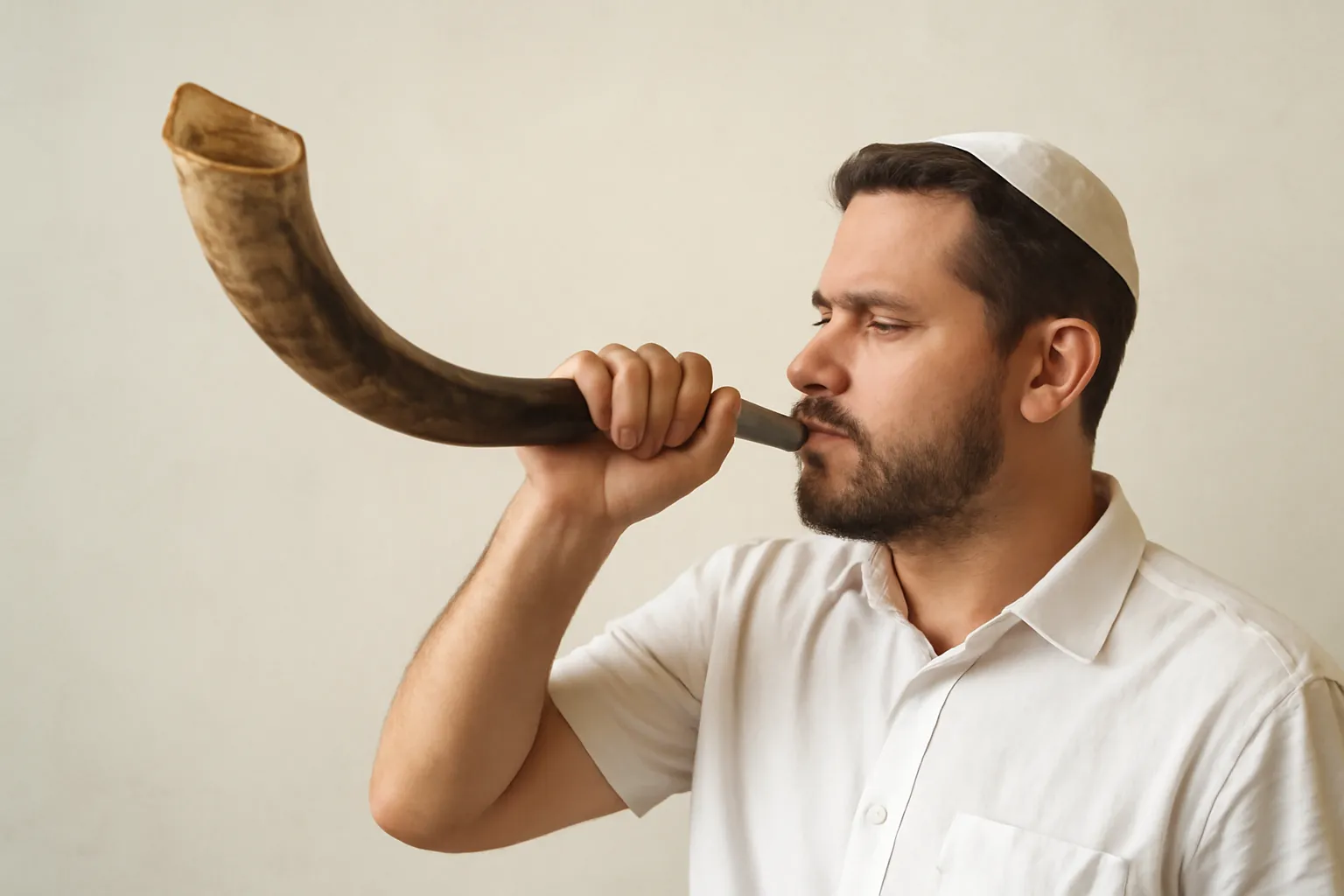
Grip and orientation: Hold the shofar with the bell pointing slightly downward and away from you to control air flow and reduce the chance of accidental inhalation of saliva or moisture.
Prerequisites: posture, breathing, and lip conditioning
Effective shofar playing begins with proper posture and a controlled breath. The technique shares elements with brass instrument embouchure practice, but it has its own distinctive nuances due to the absence of a mouthpiece and the horn’s curvature. Consider these foundational steps:
Posture: Stand or sit tall with a relaxed neck and shoulders. Maintain a straight back to allow full lung expansion. A comfortable stance helps sustain a steady breath and steady lips.
Breath support: Use diaphragmatic breathing. Inhale deeply through the nose and exhale through the mouth, keeping shoulders steady. A consistent airflow is essential for a clear, stable tone.
Lip conditioning: Lightly engage the lips and practice gentle buzzes on a straw or a small reed instrument to awaken the lip muscles without tiring them. The goal is to achieve a controlled buzz that can be sustained for several seconds.
Moisture and mouthfeel: Keep the lips supple and the mouth moist but not wet. A dry, cracked lip can hinder control, while excessive moisture can dampen the buzz.
Step-by-step: How to blow a shofar
The core of the process is a blend of embouchure control, air management, and listening. The following steps provide a practical sequence, with key sub-tasks highlighted for clarity. Each section contains details that you can practice at your own pace.
Position the shofar and prepare your embouchure
Place the narrow end of the horn near the lips, forming a seal with the lips around the edge of the mouthpiece.
Keep the chin steady and the jaw relaxed. Do not press the horn against the lips; let it rest gently to avoid fatigue or pain.
Warm up with lip buzz patterns
Begin with a light, steady lip buzz for 10–20 seconds, then rest. Gradually increase the duration as comfort allows.
Experiment with different lip tensions to discover what produces a steady, clear buzz. You should feel the buzz primarily in the lips, not in the throat.
Create an airtight seal and control air flow
Ensure there are no gaps between the lips and the mouthpiece. A seal helps direct air into the horn efficiently.
Practice exhaling with a measured, even flow. Aim for a consistent stream of air rather than bursts.
Buzz the lips while maintaining steady exhalation
With the lips buzzing, gently exhale into the shofar. The air pressure should be enough to produce a note without forcing too hard.
Listen for a clean tone and adjust lip tension if the sound wobbles, cuts out, or becomes airy.
Produce the first Tekiah
Tekiah is a long, unbroken blast. Start with a comfortable, controlled buzz and sustain the note for several seconds, gradually building as you gain confidence.
Keep shoulders relaxed and maintain posture to support long exhalation.
Move to the Shevarim and Teruah patterns
Shevarim consists of three “crackling” or broken notes; Teruah is a series of short, rapid blasts. Practice each pattern separately before combining them.
When performing Shevarim, aim for three distinct, even segments. For Teruah, count the bursts to ensure even spacing and rhythm.
Combine techniques for Tekiah Gedolah
Tekiah Gedolah is an extra-long final blast. After completing the preceding patterns, prepare for a final, extended note of sustained air and lip buzz.
Maintain a relaxed jaw and consistent air pressure to avoid abrupt changes in tone during the extended finish.
Evaluate, adjust, and rehearse
Record yourself if possible or listen for a tone that is nasal or airy. Use the feedback to adjust lip tension, air flow, and the angle of the horn.
Practice in short sessions with frequent breaks to protect the lips. Gradual, steady practice yields better tone and control than long, fatigue-prone sessions.
Detailed guidance on embouchure and air control
The success of a shofar blast is intimately tied to how you shape your lips and manage your breath. The following refinements can help you progress from a tentative note to a confident, resonant blast:
Embouchure shape: A gentle, rounded mouth opening helps create a stable air column. Avoid clamping the lips too tightly, which can hinder vibration.
Jaw position: Keep the jaw relaxed; a clenched jaw can hinder airflow and introduce tension into the tone.
Oral cavity shaping: Slightly elevate the soft palate to improve resonance and reduce throat noise. A more open oral cavity generally supports a richer sound.
Air pressure management: Start with a modest breath support and avoid forcing air. If the note cuts out, reduce lip tension slightly and ease back on air pressure.
Angle of the horn: A small tilt of the horn away from the lips can help align air flow with the reed-like buzz, improving stability of the tone.
Common challenges and troubleshooting
Even experienced players encounter obstacles. Recognizing typical issues and applying corrective tips can prevent frustration and accelerate progress.
Notes that won’t start: Ensure a proper lip buzz and a secure seal. Increase lip tension slightly or adjust air flow to initiate vibration.
Abrupt cut-offs or fluttering tone: Avoid excessive air pressure and relax the throat. Revisit the embouchure and ensure the mouthpiece edge seals well.
Nasal or breathy tone: Focus on a firmer lip buzz and longer, steadier exhalation. Check that the horn is correctly oriented and not blocked by the lips.
Unstable pitch or wavering tone: Practice sustained, even air flow and maintain a consistent buzz. A small amount of tongue tension can influence tone; aim for a relaxed tongue.
Practice routines to build consistency
Structured practice helps you internalize the process and improve musicality. Consider the following routines to build consistency and confidence over time:
Daily warm-up: 5–10 minutes of lip buzz exercises, tongue relaxation, and diaphragmatic breathing to establish a baseline.
Pattern drills: Spend 5–15 minutes on Tekiah, Shevarim, Teruah, and Tekiah Gedolah individually, then mix them in short combinations.
Tempo and rhythm practice: Use a metronome to control the timing of blasts, starting slowly and increasing tempo as accuracy improves.
Sound quality focus: Alternate between loud and soft blasts to discover dynamic control and resonance characteristics of your shofar.
Recording feedback: Record a daily or weekly session to track progress across time and identify subtle changes in tone or technique.
Maintenance, care, and storage
Extending the life of a shofar involves careful maintenance and sensible storage practices. The horn is a natural material that reacts to temperature, humidity, and handling. Follow these guidelines to protect your instrument:
Cleaning: After playing, wipe the exterior with a soft, dry cloth. If needed, use a damp cloth for stubborn marks, then dry thoroughly.
Interior care: Rinse with lukewarm water if the horn has been exposed to dust or humidity. Allow to dry completely before storing.
Storage: Store in a climate-controlled space away from direct sunlight, extreme heat, and moisture. A padded case or wrap can safeguard the horn during transport.
Humidity management: Avoid storing in damp basements or humid areas. Humidity can cause the horn to warp over time.
Handling: Treat the shofar with care; avoid dropping or striking it against hard surfaces. Gentle handling preserves the horn’s integrity and tone.
Context and tradition: when and why people blow the shofar
The shofar holds a special place in Jewish liturgy and tradition. It is traditionally blown during specific occasions, including major holidays and certain moments in the synagogue service. Understanding the context can enrich your practice and help you connect with the ritual significance of the sound:
Rosh Hashanah: The primary holiday associated with the shofar, featuring frequent blasts that symbolize a call to reflection and repentance.
Yom Kippur and other days of reflection: Blowing can be part of additional observances or study sessions, depending on community customs.
Educational and ceremonial settings: Schools, camps, and congregations may use the shofar to teach history and sound production, and to accompany musical or dramatic performances.
Variations in technique and terminology
People may describe the sound and technique using various terms. While the central idea remains consistent—buzzing the lips into the horn to produce resonance—the language reflects musical, linguistic, and educational perspectives:
Buzzing versus voice-like articulation: Some educators emphasize lip buzz versus attempting to imitate a voice or vowel; both mental images can help learners, but the technical focus should be on the buzz and airflow.
Blast names: Tekiah, Shevarim, Teruah, Tekiah Gedolah are common designations for the different blast types; some communities may use alternate descriptions, but the basic shapes persist.
Duration and cadence: Blasts can be described by duration (long, short, broken) and by cadence (continuous or segmented). Practicing both aspects supports expressive, varied performance.
Tips for teachers, learners, and groups
Instructional contexts benefit from structured guidance and inclusive practices. Here are practical tips for teachers and learners alike to foster safe, respectful, and effective learning experiences:
Start with safety: Ensure learners with colds, throat issues, or allergies take care or postpone practice to protect their voice and the horn.
Encourage patient progress: Emphasize small, incremental improvements rather than immediate mastery of complex blasts.
Provide visual aids: Mirrors, video demonstrations, and diagrams of embouchure can help learners understand the proper mouth shape and air flow.
Offer variations: Allow learners to experiment with different shofar sizes or horn shapes to discover what feels most comfortable for their lips and breath.
Create listening benchmarks: Play recordings of different blast patterns and have learners imitate or recreate them, fostering ear training and rhythm familiarity.
FAQs: quick-reference questions about blowing a shofar
Here are answers to common questions that beginners often have when approaching a shofar:
Do you blow into the narrow or wide end? Always into the narrow end near the lips. The wide end acts as the resonator.
What if I can’t make a sound? Check your lip buzz, ensure a proper seal, and confirm that you are not forcing air too hard. Practice lip buzzing with a straw or other simple device before returning to the horn.
How long should a Tekiah last? A Tekiah can vary in length, but aim for a steady, uninterrupted tone for several seconds before ending.
Is it acceptable to practice with a modern shofar or a synthetic horn? Yes. Synthetic or modern shofars can be excellent learning tools, especially for beginners, before moving to a traditional ram horn.
Closing thoughts: embracing the practice of blowing the shofar
Learning how to blow a shofar is a blend of technique, tradition, and personal expression. The steps outlined above are designed to help you begin with a solid foundation, gradually building control, tone, and musicality. With each practice session, you will refine your embouchure, improve your breath management, and develop an ear for the instrument’s unique voice. Remember to approach the horn with patience, respect its history, and enjoy the journey of exploration and sound.
In summary, the essential elements of a successful shofar blow include a balanced posture, a steady breath, a clear lip buzz, and a mindful approach to the horn’s resonance. By following a structured plan and taking care of your instrument, you can experience the powerful, ancient sound of the shofar in a way that is meaningful and personally rewarding.