Jewish Shofar Blowing: History, Meaning, and How It’s Done
The shofar is one of the most recognizable symbols in Jewish life. Its hollowed horn, blown in a precise liturgical pattern, carries a resonance that stretches back to biblical times and continues to shape Jewish prayer, awakening, and communal identity today. This article traces the history of shofar blowing, unpacks the meaning behind its sounds, and explains the practical steps and variations involved in how it is done across different communities. By exploring its origins, its purposes, and its evolving practices, we gain a fuller understanding of why the shofar remains both ancient and living in the modern world.
What the Shofar Is and How It Is Used
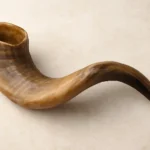
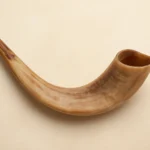
A shofar is not a musical instrument in the ordinary sense. It is a natural horn, most commonly fashioned from a ram’s horn, that has been cleaned, cured, and prepared for ritual use. Unlike a trumpet or other brass instrument, the shofar yields a raw, primal timbre that evokes the human voice in distress, awe, and exhortation. The horn’s material and shape produce a distinctive blend of tones that can be sustained into a powerful crescendo or broken into urgent staccato bursts. In Jewish practice, the shofar’s sounds are not mere sound effects; they are charged with spiritual purpose and historical memory.
Across most Jewish communities, the primary religious occasions for shofar blowing are rooted in the annual cycle surrounding Rosh Hashanah, the Jewish New Year, and the Ten Days of Repentance that lead to Yom Kippur. The shofar is heard in the synagogue as a call to reflection, repentance, and renewal. But the shofar’s presence is not limited to the synagogue; it also appears in family songs, educational programs, and public rituals, where it serves as a powerful teacher—reminding listeners of the covenantal relationship between the Jewish people and God, and of the responsibilities that flow from that relationship.
Historical Roots: From the Ancient Temple to the Synagogue
The Biblical Frame: Ram’s horn and the call to assembly
The shofar’s earliest appearances are biblical. In the Torah and later rabbinic literature, the ram’s horn is described as being used in times of national crisis and spiritual awakening. The most famous arc centers on the story of Genesis 22, in which a ram is provided as a substitute sacrifice, and on the concept of a hearing voice that summons the people to gather and listen. The shofar thus functions as a tangible audio sign—an ancient voice that proclaims praise, warning, and the possibility of return. In the narrative voice of the text, the shofar’s call becomes a shared national and spiritual memory that binds generations together through a single instrument.
The Temple Era: Shofar as liturgical instrument in Jerusalem
Within the central sanctuary in Jerusalem, the shofar played a formal role in the Temple service. Priests, Levites, and the people gathered to hear the blasts as part of prayers and rituals central to national life. The sounds signified a variety of moods—alerting the people to gather, heralding offerings, and signaling moments of divine encounter. The Temple period shaped not only the ritual purpose of the horn but also the expectations for how it should be blown: with a certain decorum, precision, and reverence that would later inform synagogue practice after the Temple’s destruction.
Post-Temple and Rabbinic Transformation: Shofar in the diaspora
After the destruction of the Second Temple, Jewish life moved from a centralized sanctuary to local prayer spaces. The shofar did not vanish; it became a portable, accessible sign of continuity. Rabbinic authorities reinterpreted and reimagined the horn’s role, anchoring it in the annual cycle of holidays and in personal ethical awakening. The shofar’s pedagogy—its sounds meant to awaken conscience—transformed from a national ceremony into a moral and spiritual practice shared by communities across the globe. This transition is part of the broader shift from sacrificial ritual to prayerful remembrance, from an era of temple service to an era of communal worship in synagogues and homes.
The Sounds of the Shofar: Core Blasts and Their Meanings
What makes the shofar distinctive is not a single note but a pattern of sounds, traditionally grouped into four main types. Each blast carries a symbolic mood or invitation: to awaken, to reflect, to tremble with awe, and to renew a steadfast call to action. Although the exact sequence has some regional variation, the four classic blasts form the core of most ritual recitations.
The Four Core Blasts
Tekiah — a long, straight blast that lasts several seconds, like a trumpet’s clear, unwavering note. It is often described as a call to attention, a strong opening statement that declares that something important is happening.
Shevarim — a series of muted, wavering sounds that resemble a sobbing or sighing breath. This blast invites contemplation and lament, signaling a plea for mercy and a turning inward toward repentance.
Teruah — a rapid sequence of short, staccato notes, sometimes described as a chorus of quick breaths or shudders. Teruah can feel urgent and unsettled, like a stirring alarm wake-up call for the soul.
Tekiah Gedolah — a final, extended tekiah that stretches the sound into a long, concluding note. This closing blast seals the pattern with a sense of resolve, renewal, and hopeful awakening.
Practically, many communities arrange these blasts into a familiar order that captures the emotional arc of the day: Tekiah, Shevarim/Teruah (with some traditions combining these two elements into one or splitting them into two parts), and then Tekiah Gedolah. The exact sequencing can vary by tradition, but the overall movement from alert to lament to quick alarm to final, expansive conclusion remains a common thread that ties together rites across cultures and generations.
Variations in Blasts Across Traditions
While the four-blast pattern represents a shared core, the way in which the sounds are produced, grouped, and interpreted differs among Ashkenazi, Sephardi, Mizrahi, and Ethiopian communities, among others. Some communities emphasize longer, unbroken tekiah components, while others highlight short, rapid teruah bursts. The language of the homiletics—what the sounds symbolize—also shifts. For example, some traditions stress the shofar as a call to return to covenantal faithfulness; others emphasize social justice, repentance in public life, or personal introspection. The basics, however, remain the same: the shofar’s varied sounds invite listeners to pause, listen, and reorient their lives in light of moral and spiritual duties.
Liturgical Contexts: When and Why the Shofar Is Blown
The primary liturgical seasons for shofar blowing center on the Jewish high holy days and the period of repentance that culminates in Yom Kippur. Beyond these, communities may incorporate the shofar into educational settings, family observances, and processions that mark transitions in the calendar or in life cycles (such as weddings, memorials, or rites of passage). The following sections outline the main contexts and the purposes they serve.
Rosh Hashanah: The Day of Blasts and Remembrance
The central moment for shofar blowing is Rosh Hashanah, the Jewish New Year. On this holy day, the shofar is sounded during morning services, and in many communities, it is heard in additional services throughout the first day of the festival. The blasts serve multiple functions: they awaken the conscience, remind the congregation of divine sovereignty, evoke the memory of the Exodus, and invite repentance and renewal as the year begins. The words of liturgy often accompany the shofar, connecting the sound to themes of kingship, covenant, and mercy.
Ten Days of Repentance and the Call to Return
The days between Rosh Hashanah and Yom Kippur are known as the Ten Days of Repentance (Aseret Y’mei Teshuvah). During this interval, the shofar’s call deepens in meaning. It becomes a sonic partner to personal reflection, communal accountability, and moral recalibration. In many communities, a series of blasts punctuates morning and evening services, repeated as a rhythmic reminder to assess one’s deeds, repair damaged relationships, and return to a path of righteousness. The shofar thus operates as a spiritual instrument for inner change and collective renewal.
Contemporary Practices and Denominational Variations
Across denominations—Orthodox, Conservative, Reform, and Other Jewish communities—the role of the shofar can differ in both ritual details and interpretation. Some Reform congregations place a strong emphasis on inclusive participation, and the shofar may be integrated with additional modern musical elements or meditative readings. In more traditional Orthodox settings, the service follows a fixed liturgy with precise rules about when and how to blow the shofar, often aligning with classical texts and commentaries. Across all these variations, the core purposes remain consistent: to awaken, to repent, and to renew the sense of covenantal responsibility among individuals and the community as a whole.
How a Shofar Is Made, Prepared, and Blown
The process of creating and using a shofar blends craft, ritual purity, and technique. In practice, the horn is more than an instrument: it is a vessel of memory and a conduit for communal prayer. The steps below map a typical approach, while acknowledging regional and personal differences in preparation and execution.
Materials, Selection, and Basic Care
Material: A ram’s horn is the classical choice for ritual use, valued for its traditional association with the binding of the covenant. Some communities also use horns from other kosher animals, but the ram’s horn remains the standard in most traditions.
Cleaning and curing: The horn is cleaned of any tissue, then cured and dried to ensure a steady, resonant tone. Some horn providers offer professionally prepared shofars with smooth internal bores to improve tone and ease of blowing.
Inspection: Before use, the horn is examined for cracks, blockage, or irregularities that could affect sound production or safety. A sound bore is essential for producing clear blasts.
Maintenance: After use, the horn is cleaned and stored in a dry place. Proper storage helps prevent warping or moisture damage that could alter the tone or structural integrity.
Preparing the Shofar: Tuning, Cleaning, and Safety
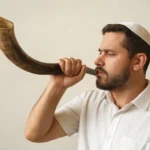
Preparation involves both physical readiness and ritual mindfulness. Practitioners may rinse the mouth and throat to minimize saliva and ensure a clear, controlled blast. It is customary to handle the shofar with reverence, recognizing that the horn is a vessel of prayer as well as a tool for sonic expression. Safety considerations include ensuring a proper seal around the mouthpiece, maintaining good posture to support breath control, and practicing with a teacher or experienced blower when learning the technique for the first time.
Blowing Techniques: How to Produce the Blasts
Producing robust and accurate shofar blasts takes practice and technique. Here is a practical overview for learners and curious readers alike:
Breath control: Focus on a steady exhale, using your diaphragm to push air out smoothly rather than relying only on your lips or mouth.
Lip tension: Create a small, tight opening with your lips to vibrate the air column inside the horn; avoid blowing with only the cheeks, which can reduce control and tone.
Jaw positioning: A relaxed jaw helps maintain a consistent airstream; the mouth and throat should form a comfortable chamber that supports the horn’s resonance.
Articulation of the blasts: Tekiah is a long, clean stream of air; Shevarim and Teruah require careful shaping of breath to produce the nuanced sounds; Tekiah Gedolah is a long, final release that closes the pattern.
Practice routine: Start with simple, single notes to develop comfort with the horn, then gradually introduce the classic sequence (tekiah, shevarim/teruah, tekiah gedolah) while listening for a clear, ringing tone.
For those studying with a teacher, feedback is invaluable. A mentor can observe your embouchure, air support, and timing, offering corrections that improve tone, endurance, and accuracy of each blast. It is also common to practice with a small ensemble or a seasoned blower to internalize the sequence and its emotional arc, which helps performers deliver a meaningful experience during services.
Variations Across Jewish Communities
Across the Jewish world, there are rich variations in how shofar blowing is taught, learned, and performed. While the four-blast pattern remains the core, the surrounding customs, repertoire, and even the acoustic expectations can differ in meaningful ways.
Ashkenazi, Sephardi, Mizrahi, and Ethiopian Practices
Among Ashkenazi communities, the canonical sequence is often presented as Tekiah, Shevarim, Teruah, Tekiah Gedolah, with distinct emphasis on the emotional trajectory from alert to lament to urgent exhortation to final renewal. In many Sephardi and Mizrahi communities, the shofar’s role remains central to the Rosh Hashanah liturgy, but the language of the accompanying prayers, the cadence of the service, and the musical ambiance reflect the broader cultural heritage. Ethiopian Jews (Beta Israel) maintain their own unique musical traditions and liturgical melodies, which may color the way shofar blasts are integrated into the service. Yet across these diverse streams, the horn remains a visible, tangible link to a shared memory—the ancient covenant between God, the people, and the land—remembered anew each year through sound and silence.
Liturgy and Language: Blessings, Readings, and Remembrances
In many communities, the blessing recited before hearing the shofar is a standard part of the service. The blessing typically reads something like: “Baruch Atah Adonai Eloheinu Melech ha-olam asher kidishanu b’mitzvotav v’tzivanu al mitzvat shofar.” This blessing affirms the sanctity of the commandment to hear the shofar. While the blessing is common in many Orthodox and Conservative settings, Reform and other liberal communities may combine or omit certain liturgical formulas based on their inclusive practices; always consult local practice if you are attending a service outside your home community. In every tradition, the readings accompanying the blasts—the Torah portion, psalms, and prophetic haftarot—provide a textual counterpoint to the sonic call of the shofar, weaving together word and sound into a full spiritual experience.
Symbolic Meanings: Why the Shofar Matters Today
The shofar’s significance rests on multiple layers of meaning. It is at once historical memory, liturgical signal, ethical exhortation, and communal invitation to transform. Some of the most central symbolic themes include:
Memory and Covenant: The shofar evokes ancient experiences of revelation, covenant, and divine petition. It connects the present to the stories and obligations that have defined Jewish life across millennia.
Repentance and Renewal: The blasts accompany prayers of confession and plea for forgiveness, encouraging individuals to examine their actions, repair damaged relationships, and pursue moral betterment.
Awakening and Awareness: Tekiah and Teruah, especially, function as wake-up calls—to the soul, to the community, and to social responsibility in the world beyond the synagogue walls.
Voice and Justice: In modern contexts, many communities connect shofar blasts with social justice concerns, reminding listeners to pursue righteousness not only within themselves but in the public sphere as well.
In this sense, the shofar is a living tradition that invites ongoing interpretation. Each generation may emphasize different facets—doctrinal commitment, ethical reform, or communal resilience—while preserving the core practice of hearing God’s call through the horn’s ancient voice.
Ethics of Practice: What It Means to Blow the Shofar
Blowing the shofar comes with responsibilities beyond the mechanics of tone and breath. The ethical dimension of practice includes:
Respect for the ritual context: The shofar is a sacred object used within prayer and study. It is typically not played casually in unritualized settings.
Attention to community needs: The sound is intended to uplift the congregation and provoke introspection, not to overwhelm or distress listeners.
Informed participation: Learners and listeners benefit from understanding the meanings of the blasts, the prayers they accompany, and the calendar’s rhythm that frames their use.
Adaptation with sensitivity: Communities may adapt the practice to contemporary needs while remaining true to core traditions, ensuring inclusivity and accessibility for all participants.
Practical Guide for Beginners and Observant Practitioners
Whether you are a first-time participant in a shofar service or someone seeking a deeper personal practice, the following practical notes may be helpful. They are designed to be generally applicable across traditions, with room for local custom and instruction.
Getting Ready: Tools, Environment, and Mindset
Choose a shofar that suits your tradition and comfort level. Ram’s horn is standard for most canonical uses, but other kosher horns are also known in certain communities.
Inspect for integrity: Look for cracks or blockages that could impair sound production. A sound horn is essential for producing clear blasts.
Prepare the space: A calm, reverent environment helps focus attention on the sounds and prayers accompanying the blasts.
Learning the Blast Sequence: Step-by-Step Practice
Start with a strong, steady breath from the diaphragm and keep your lips gently closed around the mouthpiece to create a small, focused opening.
Produce a clean Tekiah by exhaling slowly and evenly, allowing the sound to carry with a full, resonant tone.
Move to a Shevarim/ Teruah pattern, shaping the breath to produce the sobbing or quick, repeated notes. The key is controlled short exhales rather than sudden bursts of air.
Finish with a Tekiah Gedolah, extending the final note for as long as possible while maintaining tonal quality.
Repeat the sequence as required by the service, staying mindful of timing with the liturgy and the congregation’s flow.
Consistent practice, ideally under the guidance of an experienced blower or teacher, helps develop tonal control, breath support, and the emotional expressiveness that makes the shofar a meaningful experience for listeners.
Conclusion: The Shofar as a Living Link to Past and Present
From biblical narratives to modern synagogue services, the shofar serves as a bridge across time. Its ancient sound invites every listener to pause, reflect, and recommit to the values at the heart of Jewish life: faith, responsibility, justice, and community. The shofar is not merely a historical artifact; it is an active, dynamic practice that continues to shape personal growth and communal identity. By listening to its four main blasts—Tekiah, Shevarim, Teruah, and Tekiah Gedolah—and by engaging with the prayers, readings, and conversations that accompany them, Jews around the world participate in a centuries-long tradition that remains as relevant as ever. In this way, the shofar’s call is still heard—urging each generation to awaken, to repent, to hope, and to act for a more just and compassionate world.