Jewish time is marked by a rich cycle of holy days that weave together memory, ethics, ritual practicality, and communal
identity. At the center of this cycle stand three major themes that recur across centuries and communities: the
beginnings and renewal of the year, the insistence on moral accountability, and the celebration of resilience and light in
the face of darkness. In this article we explore Rosh Hashanah, Yom Kippur, and Hanukkah—often referred to in various contexts as parts of the High Holy Days or Yamim Nora’im—and we illuminate how these holidays are observed, what they symbolize, and how they
shape Jewish life in the modern world. Throughout, you will encounter different names for the holidays and
variations in practice, all of which reflect a long history of interpretation, tradition, and adaptation.
Rosh Hashanah: The Jewish New Year and the Start of the High Holy Days
Rosh Hashanah literally means “the head of the year” in Hebrew. It is the annual initiation of a period
known as the Yamim Nora’im—the Days of Awe—a season of reflection, prayer, and
recommitment. Although it is called the New Year, the festival is less about party vibes and more about
contrition, renewal, and a sober reckoning with one’s deeds. In Jewish thought, the year is not merely a
chronometer but a moral stage on which each person is invited to examine choices and seek positive change.
Origins and calendar
The observance of Rosh Hashanah sits at the intersection of the lunar-solar Hebrew calendar and long
standing liturgical traditions. It falls on the first two days of the Hebrew month of Tishrei, a
time that also hosts the autumnal harvest festival aspirations in many communities. In the Diaspora
(communities outside Israel), it is customary to observe two days of festive prayer and signal to the world that a new
cycle has begun. In Israel, the practice is typically one day, rooted in ancient precedents and modern
observance that emphasize unity and continuity of time. These variations reflect a broader pattern in Jewish life:
regional differences are honored while shared prayers and meanings keep the rhythm of the year intact.
Rituals, prayers, and symbolic acts
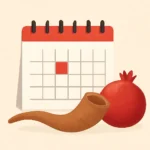
Shofar blasts: a central auditory symbol of awakening and evaluation. The day opens with the call of the ram’s horn—traditionally a sequence of tekiah (a straight blast), shevarim (a broken sound), and teruah (a series of staccato notes), often followed by a final long tekiah. The shofar is more than sound; it is a call to listen to the inner voice, to repair, and to realign.
Special liturgy: Slichot prayers, selected passages from the Siddur, and the extended Main Services (including Musaf) with unique additions that emphasize God’s sovereignty, justice, and mercy. The liturgy frequently features Unetaneh Tokef, a dramatic, poetic declaration about fate, repentance, and the sealing of the book of life for the coming year.
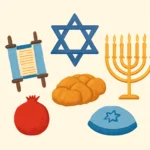
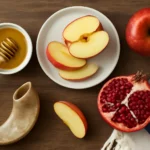
Symbolic foods: dipping apples in honey to evoke a sweet new year and enjoying pomegranates for the hope of many blessings and seeds. Some families share round challah as a reminder of the cycle of the year and continuity.
Tashlich: a contemplative practice in which individuals symbolically cast away their sins by tossing bread crumbs or other lightweight items into a living body of water.
Seasonal mood and customs: the atmosphere of reflection and reconciliation colors the meals, discussions, and acts of charity that accompany these days.
Themes and the arc into Yom Kippur
The two days of Rosh Hashanah lead into a stream of observances aimed at teshuva, or repentance, and tikkun olam in discernment and action. The idea is simple yet profound: by acknowledging our flaws,
we create space for renewal, repair relationships, and commit to better behavior in the coming year.
The period is sometimes summarized as a journey from awareness to responsibility, from
confession to constructive change.
Yom Kippur, the holiest day in Judaism, is reserved for intensive introspection, communal prayer, and
fasting that seeks to cleanse the soul and restore balance with the divine and with other people. Often called the Day of Atonement, it invites believers to explore sins of omission and commission and to seek
reconciliation, forgiveness, and mercy. Unlike many celebrations that mark abundance, Yom Kippur emphasizes restraint,
humility, and spiritual clarity.
Observances and daily life
Fasting: no food or drink for approximately 25 hours, beginning before sunset and ending after nightfall the next day. The fast is a practical reminder of the seriousness of the day and a catalyst for contemplation.
Prayer and reflective services: the day is punctuated by extended synagogue services, including the Kol Nidre prayer at sundown, followed by long, fasting-appropriate readings and confessions (the Vidui).
Confession and atonement: recitations of the Vidui (confessional prayers) and the public, communal admission of wrongdoings emphasize accountability and communal responsibility.
Neilah: the closing service that marks the final sealing of the Book of Life for the coming year, often described as a moment of intense prayer and supplication as the day draws to a close.
White garments and abstention: many participants dress in white as a symbol of purity. Some traditions also minimize use of leather footwear, work, or other normal activities to emphasize the day’s sanctity.
Breaking the fast: communities gather in the evening after the fast ends to eat and share words of reconciliation; it is common to begin with light foods before resuming ordinary meals.
Liturgical elements and core messages
The liturgy centers on seeking forgiveness from God and from people whom we have harmed. The prayers
emphasize mercy, grace, and the belief that genuine repentance can repair broken bonds.
The Al Chet and other confessionals are recited in a solemn cadence, inviting the community to own
both minor and major failings with humility. The essence of Yom Kippur affirms that even in the deepest form of
ritual fasting, the true fast is spiritual: a turning away from self-centered behavior toward compassion, generosity,
and social justice.
Practical and ethical dimensions
Beyond ritual, Yom Kippur is often an occasion for practical acts of repair: reaching out to
estranged relatives, making amends, and committing to changes in personal or professional life. The fasting and
prayers serve as a framework for evaluating how personal choices affect family, community, and the broader world.
Hanukkah: The Festival of Lights and the Maccabean Miracle
Hanukkah is commonly described as a Festival of Lights that lasts eight days and nights.
It commemorates a historical event—the rededication of the Second Temple in Jerusalem after the
Maccabean revolt in the second century BCE. While not named in the Bible, Hanukkah has become one of the most widely
observed holidays in Jewish life, celebrated in homes and synagogues around the world, especially in the diaspora.
The core narrative speaks to the resilience of a community under pressure and the miracle associated with a single
day’s oil lasting eight days, a symbol of perseverance, faith, and hope.
Origins, history, and the festival’s narratives
The historical arc centers on the Maccabees, a group of Jewish fighters who resisted the
Hellenistic decrees imposed by the Seleucid rulers and reestablished Jewish worship in the Temple after a period
of restriction and desecration.
After the rededication, the menorah in the Temple required consecrated oil to keep the lamps burning. Although only a
small amount of oil remained, miraculously it burned for eight days, enabling the community to
prepare more sanctified oil for the menorah. This miracle inspired the modern ritual we know today as the Hanukkiah.
The holiday’s name, Hanukkah, derives from the Hebrew verb ḥanak meaning “to dedicate” or “to consecrate.”
It is sometimes called the Festival of Dedication or the Festival of Lights in various communities to emphasize the themes of sanctification and illumination.
Rituals, blessings, and household customs
Lighting the Hanukkiah: each night during Hanukkah, a new candle is added to the menorah, starting with the
rightmost position and progressing left. The shamash (the helper candle) is used to kindle the other
lights. The lights are meant to be seen publicly, as a sign of faith and resilience, and traditionally are placed
in a window or doorway to declare a sense of communal celebration.
Blessings and blessings: on most nights, observers recite two blessings; on the first night, a third blessing Shehecheyanu is often added to celebrate the first lighting of Hanukkah in the season.
Foods associated with the festival: fried treats such as latkes (potato pancakes) and sufganiyot (jelly-filled donuts)
are emblematic of the oil miracle and are enjoyed by families as a central culinary custom.
Games and culture: the dreidel game—a spinning top with letters Hebrew letters—becomes a playful ritual
for children and families, connecting present celebrations with ancient stories of perseverance and education.
Gelt and charity: chocolate coins (gelt) are given to children, and moments of giving to those in need are common during the
season, reinforcing the value of generosity alongside joy.
Hanukkah sits within a broader spectrum of Jewish memory as a symbol of cultural continuity, religious freedom, and
civic resilience. In many places, Hanukkah has taken on additional layers of meaning due to the experiences of
communities in the modern era. While its historical roots lie in a specific period of antiquity, its current form
often reflects contemporary values: courage in the face of oppression, the right to worship according to conscience,
and the ability to sustain faith and family traditions even when resources seem limited.
Variations, connections, and practical guidance for families
Across different Jewish communities, the way these holidays are observed can vary widely. Some of the most notable
variations include the following:
Diaspora vs. Israel: The number of days observed, the exact prayer options, and the timing of certain rituals can differ. In Israel, some traditions simplify or merge certain practices, while diaspora communities might maintain two-day observances and a broader set of customs.
Customs and foods: Foods associated with each holiday differ by culture and family tradition. Apples in honey, pomegranates, and round challah are common to Rosh Hashanah; latkes and sufganiyot anchor Hanukkah; sesame-seed treats and ritual meals may appear during other periods of the year, especially around autumn feasts and family gatherings.
Liturgical variety: The laments, praises, confessional prayers, and special Torah readings can differ between prayer communities (Ashkenazi, Sephardi, Mizrahi, and others). Yet the essential aims—renewal, atonement, and gratitude—remain central.
Children and education: For many families, these holidays provide structured opportunities to teach younger generations about history, ethics, and Jewish values, using storytelling, crafts, and participation in services and rituals.
Practical guidance for planning and participation
Calendar awareness: keep track of the dates in the Hebrew calendar, recognizing that holiday timing shifts relative to the Gregorian calendar from year to year. Knowing the approximate time helps families prepare meals, readings, and accommodations for synagogue attendance or home-based observances.
Synagogue participation: for many, attending services is central to the experience, especially on Yom Kippur and the relevant nights of Hanukkah. If you are visiting a synagogue, consider asking about etiquette—silence during prayers, dress code, and how to join in prayers if you are a guest.
Home rituals: many households create a festive atmosphere with candles, symbolic foods, and family conversations about values, gratitude, and acts of kindness. A simple plan—white tablecloths for Yom Kippur, a centerpiece of candles and menorah for Hanukkah, and a plate with symbolic foods for Rosh Hashanah—can anchor the season’s meaning.
Charity and acts of kindness: these holidays regularly emphasize tzedakah and social responsibility. Consider making a charitable gift or volunteering as part of your observance, turning personal introspection into tangible support for others.
A comparative glance: themes that braid Rosh Hashanah, Yom Kippur, and Hanukkah
Although each holiday has its own narrative and liturgical framework, there are shared threads that bind them into a
coherent annual cycle:
Memory and meaning: Each festival invites a recollection—of creation, of judgment, of defiance and faith—that informs present action.
Ethical orientation: Repentance, forgiveness, and acts of kindness are central across the High Holy Days and even in Hanukkah’s spirit of rededication and generosity.
Light as a symbol: The imagery of light—whether the shofar’s call, the glow of the Hanukkiah, or the inner illumination of conscience—connects these days to a universal longing for hope and clarity.
Communal life: Shared meals, prayers, and rituals reinforce bonds within families and across the broader community, reminding adherents that how a people treats the vulnerable reflects the health of the whole society.
In discussing these holidays, it is important to acknowledge diversity in practice and interpretation. Some readers may
encounter contemporary meshing of ancient ritual with modern life—digital services, educational programs for children,
and interfaith dialogues that extend the reach of these timeless themes. However one approaches the holidays—whether from
a devotional perspective, a historical lens, or a cultural one—the core message remains similar: renewal, accountability,
and the enduring light that the tradition casts on the present.
Glossary of terms and concepts
(The Days of Awe): the period encompassing Rosh Hashanah and Yom Kippur.
teshuva (repentance) and tzedakah (charity)
shofar, the ram’s horn used as a wake-up call to moral reflection
Unetaneh Tokef, a liturgical poem about judgment and life’s fate
Hanukkiah, the eight-branched menorah used during Hanukkah, with a shamash candle
Maccabees, the Jewish fighters associated with Hanukkah
Concluding reflections: living with these holy days today
The trio of holidays discussed here—Rosh Hashanah, Yom Kippur, and Hanukkah—
offers a powerful framework for thinking about time, virtue, and communal resilience. They remind us that the rhythm of life
is not only about productivity or pleasure but also about responsibility—to ourselves, to others, and to the ideals we hold
dear. In learning about these holidays, readers gain more than historical knowledge; they acquire a language for moral
interpretation, spiritual practice, and the cultivation of hope even in challenging circumstances.
Whether you approach these holidays as a curious learner, a person observing the traditions with family, or someone seeking
to understand Jewish culture more deeply, you are engaging with a living, evolving heritage. The stories, prayers, and
practices described in this article continue to resonate because they address universal questions: How can we begin again?
How can we heal rifts? How can light be sustained in moments of darkness? The answers take many shapes, but the inspiration
remains constant: a perennial invitation to renewal, a call toward ethical action, and a celebration of community and
memory.