All Jewish Holidays: Your Complete Guide to Every Holiday
Judaism marks time with a rich tapestry of holy days that span biblical foundations, rabbinic additions, and modern communal observances. From the introspective tones of the autumn days to the festive lights of winter and the harvest melodies of late spring, the Jewish calendar offers a rhythm of remembrance, gratitude, learning, and renewal. In this guide, you’ll find a comprehensive overview of the major and many notable holidays—covering origins, dates in the Hebrew calendar, key customs, symbolic foods, prayers, and ways people around the world celebrate. The terms below use variations in naming to reflect common usage, including alternative spellings and translations such as Rosh Hashanah (often written Rosh HaShanah), Yom Kippur (the Day of Atonement), Pesach (Passover), and Hanukkah (Chanukah).
Rosh Hashanah marks the beginning of the Jewish civil year and is observed as one of the most sacred periods on the calendar. Known in Hebrew as the “head of the year,” it belongs to the season of the Yamim Nora’im, the Days of Awe, which culminate in Yom Kippur.
Key features and themes include reflection, repentance, and renewal. The holiday spans two days in the diaspora and one day in much of Israel, depending on community custom and practice. The liturgy emphasizes the sound of the shofar, a ram’s horn blown in a series of blasts (tekiah, shevarim, teruah, and tekiah gedolah) intended to awaken conscience and inspire return to good deeds.
Shofar blasts open the worship, serving as a spiritual alarm clock for the heart.
Tashlich is a ceremony of casting away sins by tossing pieces of bread into a flowing stream or body of water.
Foods of sweetness during the holiday include apples and honey and often pomegranates to symbolize fruitfulness and a good year.
New-year prayers focus on judgment, mercy, and renewal; the liturgical readings come from special Rosh Hashanah prayers and melodies.
Practical notes: because dates shift with the Hebrew calendar, it is common for families to prepare early, attend services, and gather for festive meals before sunset on the first day and after nightfall on the second day (in communities observing two days). While the tone is solemn, the atmosphere of renewal and hope pervades, inviting individuals to set intentions for a better year ahead.
Yom Kippur — The Day of Atonement
Yom Kippur is the holiest day in the Jewish year, a day dedicated to atonement, reflection, and spiritual reconciliation. It follows Rosh Hashanah by ten days, forming the culmination of the Yamim Nora’im.
The observance centers on fasting, prayer, and confession, with the goal of reconciliation with God and with others. The day is marked by five long prayer services, including the transformative Kol Nidre beginning the evening before (a powerful vow annulment formula) and the closing Ne’ilah service at sundown.
Fasting typically lasts about 25 hours, from sunset to nightfall, prohibiting food and drink and often extending to other physical pleasures.
Prayers emphasize accountability and repentance, recitation of Vidui (confessional prayers), and communal petitions for mercy.
White garments symbolize purity and renewal; many participants wear white as a sign of spiritual cleansing.
Peaceful, solemn atmosphere prevails, with a focus on restoring harmony with family, friends, and community.
Dates vary slightly by location and tradition, but the structure remains consistent: a day of fasting, extended services, and a sense of culmination as the shofar signals the end of the fast and the return to ordinary life with a renewed sense of purpose.
Sukkot — The Feast of Tabernacles and Its Sub-holidays
Sukkot, a seven-day harvest festival, honors the Israelites’ journey through the wilderness and their dependence on divine protection. The first and last days (in the diaspora) are observed as full holiday days with special prayers and rituals, while the intermediate days are known as Chol HaMoed, offering a mix of sanctity and everyday festival character.
The central symbol is the succah, a temporary dwelling constructed outdoors and used for meals and some prayers during the festival.
Four species are waved during certain prayers: lulav (palm frond), etrog (citron), hadas (myrtle), and aravah (willow).
Traditionally, guests extend hospitality in the succah, sharing meals and reflecting on gratitude for sustenance and shelter.
Notable sub-holidays include:
Shmini Atzeret — The Eighth Day After Sukkot
Shmini Atzeret marks a separate festive day immediately following the seven days of Sukkot. It is followed by Simchat Torah, a joyful celebration of the annual cycle of Torah readings.
Yizkor memorial prayers may be recited on this day in many communities for deceased loved ones.
In the synagogue, the Torah is completed and immediately begun anew, celebrated with dancing and spirited processions during Simchat Torah.
Simchat Torah — Rejoicing in the Torah
Simchat Torah literally means “Rejoicing with the Torah.” It is one of the most festive days in the calendar and is closely tied to the completion and restart of the annual Torah reading cycle. People often join in with joyous parades around the synagogue, singing, and dancing with the Torah scrolls.
Hanukkah — The Festival of Lights
Hanukkah (also written as Chanukah) commemorates the rededication of the Second Temple in Jerusalem and the miracle of the oil that burned for eight days. This eight-night festival is characterized by lights, gifts, and family-style meals.
Menorah lighting is the defining ritual, with one candle added each night for eight nights, typically accompanied by blessings and songs.
Dreidel games and latkes (potato pancakes) or sufganiyot (jelly donuts) are common festive foods.
Traditional songs celebrate bravery, faith, and perseverance in the face of hardship.
Tu BiShvat — The New Year for Trees
Tu BiShvat, often translated as the New Year for Trees, appears on the 15th of Shevat in the Hebrew calendar. While it has agricultural roots, it has become a vehicle for environmental awareness, Jewish connection to nature, and a time to plant trees and celebrate fruit diversity.
Traditionally, fruits, especially fruits of the land of Israel, are enjoyed, and tree-planting is a common practice.
Some communities engage in study and study sessions about land, climate, and the biblical associations with trees and vineyards.
In contemporary life, Tu BiShvat also fosters a sense of stewardship for the environment and sustainable living.
Purim commemorates the story of Esther as told in the Book of Esther, where the Jewish people are saved from a plotted massacre in the Persian era. It is a holiday of joy, masquerades, feasting, and acts of charity.
Megillah reading recounts the tale of Esther, Mordecai, and Haman, often punctuated with cheers and the booing of Haman’s name.
Key practices include Mishloach Manot (sending gifts of food to friends) and Matanot La’evyonim (gifts to the poor).
Sweet pastries known as hamantaschen—typically triangular, filled with fruit or poppy seeds—are emblematic Purim treats.
Pesach — Passover
Pesach commemorates the Exodus from Egypt, a defining moment in Jewish history when liberation and the journey from slavery to freedom are celebrated. The holiday spans seven or eight days depending on the tradition, with a central focus on the Seder and the removal of chametz (leavened bread) from the home.
Matzah is the unleavened bread eaten during the festival as a reminder of haste in the Exodus.
The Seder features the Haggadah—a guided storytelling ritual with symbolic foods: Karpas (vegetable), Maror (bitter herbs), Charoset (a sweet mixture), Zeroa (shank bone), Beitzah (egg), and Chazeret (additional bitter herb).
Chametz ban prohibits leavened products, prompting thorough preparations, searches (bedikat chametz), and elimination (biur chametz) before the holiday begins.
The counting of the Omer from the second night of Pesach until Shavuot links the two celebrations in a long spiritual journey.
Shavuot — The Festival of Weeks
Shavuot, which occurs seven weeks after the second night of Pesach, commemorates the giving of the Torah at Mount Sinai. It is a time of study, spiritual reflection, and often an all-night Torah study marathon known as Tikkun Leil Shavuot.
Milk foods and dairy-centered dishes are commonly shared, with symbolism tied to the sweetness of the Torah’s teachings.
Special prayers and readings recount the revelation at Sinai and the receiving of the commandments.
Omer count continues, linking the festival back to Pesach and forward to Shavuot.
Tisha B’Av — The Ninth of Av
Tisha B’Av is the primary day of mourning in the Jewish calendar, commemorating the destruction of the First and Second Temples in Jerusalem, along with other tragedies in Jewish history. It is observed with a milder, solemn form of fasting for most of the day, reflective readings, and lamentations.
Fasting begins before dawn and ends after dusk, similar in length to Yom Kippur but typically less stringent in customs outside the fast itself.
Special kinnot (lamentations prayers) and readings in the Book of Lamentations accompany the day’s mood.
Some communities observe a three-week period of mourning leading up to Tisha B’Av, emphasizing reflection, humility, and a longing for peace and rebuilding.
Fasts and Commemorations — Additional Times of Reflection
Beyond the major holidays, several fast days and commemorations punctuate the year. These days emphasize repentance, restraint, and remembrance, and they vary in intensity and ritual across communities.
Ta’anit Esther — the Fast of Esther, observed on the eve of Purim, commemorating Esther’s courage and preparing the community for the Feast of Lots.
The 17th of Tammuz — a fast that signals the beginning of the three weeks of mourning leading to Tisha B’Av.
The 10th of Tevet — a fast marking the siege of Jerusalem in ancient times, observed as a day of reflection and repentance.
Gedaliah — Fast of Gedaliah, observed on the 3rd of Tishrei or nearby, remembering the assassination of Gedaliah the governor and the fragile days after the destruction of the First Temple.
Jewish and Israeli National Holidays — A Modern Context
In addition to the classical Biblical and Rabbinic holidays, several modern observances are deeply embedded in Jewish communal life and Israeli national memory. These days are often commemorated with solemn remembrance, national ceremonies, and family gatherings that reflect on history, identity, and resilience.
Yom HaShoah — Holocaust Remembrance Day, honoring the victims of the Holocaust and the survivors, observed with ceremonies and moments of silence.
Yom HaZikaron — Israel Memorial Day for the Fallen, dedicated to those who lost their lives defending the Jewish state and its people.
Yom HaAtzmaut — Israel Independence Day, celebrating the founding of the modern state and the realization of national self-determination.
Yom Yerushalayim — Jerusalem Day, marking the reunification of Jerusalem and the historic significance of the city in Jewish memory.
Across the diaspora, these dates provoke reflection on the Jewish people’s continuity, the responsibilities of memory, and the hope for peace and flourishing in future generations. They are observed with public ceremonies, educational programs, and family-time rituals that celebrate shared heritage.
Practical Notes and Core Themes Across the Year
While the specific customs differ by community and tradition—Ashkenazi vs. Sefardic, or traditional vs. progressive strands—the enduring themes remain consistent: sanctification of time, gratitude for freedom, and a communal call to repair the world (tikkun olam) through acts of justice and kindness.
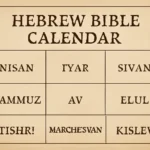
Dates and durations are anchored in the Hebrew calendar, which combines lunar months with solar adjustments. Because of this, many holidays move through the Gregorian year over time and may begin in the evening before the listed date.
Customs emphasize education, family bonding, and communal worship, often expressed through prayer services, study sessions, festive meals, and acts of charity.
Common motifs include redemption, reverence for Torah, fruitfulness, and the sanctification of memory, each expressed through ritual foods, songs, and symbols.
Names, Variations, and How to Talk About the Holidays
Because Hebrew and local custom influence naming, you’ll encounter variations such as Rosh Hashanah (often transliterated as Rosh HaShanah), Yom Kippur (Day of Atonement, sometimes Yom HaKippurim), Pesach (Passover), Purim (the Feast of Lots), Hanukkah (Festival of Lights sometimes spelled Chanukah), and Shavuot (Weeks). In discussions, you may see Chag used to mean “holiday” in general, and yom tov to refer to a holy day or festival. Recognizing these variations can help in understanding diverse Jewish communities and their practices.
The full cycle of holidays provides a framework for learning, growth, and connection—from the introspective moments of the High Holy Days to the joyous, shared-institutional celebrations that culminate in the open-hearted acts of kindness and hospitality. Whether you celebrate with a large family around a table or participate in a small community service project, the calendar invites you to engage with history, memory, and moral purpose in a meaningful way. Each holiday offers a lens through which to examine values such as freedom, justice, compassion, gratitude, and responsibility toward others—themes that continue to shape Jewish life across the centuries and around the world.