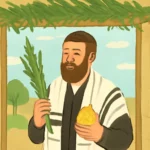
Chag Sameach Sukkot: An Introduction to Traditions, Blessings, and Heartfelt Wishes
Chag Sameach Sukkot is more than a greeting; it is a doorway into a festival
whose layers of meaning unfold year after year. The phrase, spoken with warmth and joy,
signals a shared appreciation for the holiday’s rituals, its historical memory, and the
seasonal harvest that sustains communities. In many households, the greeting also
invites a wider exploration of the festival’s symbolism, from the shelter of the Sukkah
to the symbolic Arba Minim and the communal prayers that color the days of
Sukkot. This article invites you to journey through the traditions, blessings, and
heartfelt wishes that accompany Chag Sameach Sukkot, offering practical
guidance, historical context, and expressive language you can use in cards, messages, or
conversations with family and friends.
Understanding the Festival: Meaning, History, and Spirit
Sukkot, often translated as the Festival of Booths or Tabernacles, is a biblical
festival with deep roots in both memory and harvest. It commemorates the
Israelites’ wanderings in the wilderness and their reliance on divine protection during
difficult journeys. At the same time, it is a seasonal celebration that honors the
harvest cycle in the Land of Israel, a time of gratitude for rain, crops, and the
sustenance that supports life. The juxtaposition of travel and home, exile and dwelling,
makes Sukkot a festival of paradoxes that invites reflection as it invites hospitality.
In contemporary practice, communities mark the holiday with a blend of ancient ritual and
modern warmth. The greeting Chag Sameach Sukkot—whether spoken aloud,
written in a card, or shared in a group chat—becomes a reminder to pause, celebrate, and
extend generosity to others. Variations of this phrase—such as Chag Sukkot Sameach, Chag Sameach for Sukkot, or even a simple Happy Sukkot in English—
appear in different languages and communities, each carrying the same core message: a wish
for joy, peace, and blessings during these meaningful days.
Traditions of Sukkot: The Core Practices That Shape the Week
Central to Sukkot are a set of practices that bring the holiday from calendar into daily living.
These traditions weave together memory, faith, and communal joy. In this section, we explore
the main elements that give Sukkot its distinctive character.
Building and Dwelling in the Sukkah
Sukkah construction: The Sukkah is a temporary shelter with a roof made
of organic materials (palm leaves, branches, or other vegetation) that allows stars to be
visible from inside. The structure is intentionally fragile, symbolizing the vulnerability and
dependence that is part of the desert journey and, by extension, the human condition.
Shelter and hospitality: The dwelling in the Sukkah invites family,
friends, and guests to share meals, conversation, and openness. Hospitality is a core value
of Sukkot, turning the family home into a mini-temple of welcome.
Dwellers’ experience: For many, the practice is a daily reminder that shelter can be
temporary and that gratitude arises from appreciating protection, community, and the beauty of
the seasons.
The Arba Minim: Lulav, Etrog, Hadas, and Aravah
The Arba Minim—the lulav, etrog, hadas (myrtle),
and aravah (willow)—are held together and waved in a set of ritual motions. This group
of four species carries layered symbolism: unity of different plant types, the idea of beauty in
diversity, and the connection between humanity, nature, and divine blessing. While the exact customs
can vary among communities, the overall act of blessing and waving the Arba Minim
remains a centerpiece of Sukkot observance.
Blessings associated with the lulav and etrog are traditionally recited
on the festival days when the blessing is appropriate. The practice invites participants to connect
with the abundance of creation and the gratitude that comes with harvest and protection.
Shaking rituals involve moving the group of species in serene, deliberate directions,
often described as upward, downward, and side-to-side movements, which echo prayerful intention and
mindful worship.
Interpretive meaning emphasizes unity and cooperation: different species, chosen for their
beauty and symbolism, together express a communal dependence on a shared source of blessing.
A vivid Sukkot custom is the practice of welcoming “ushpizin,” or noble guests, into the
Sukkah. Traditionally, the spirits of biblical figures—such as Abraham, Isaac, Jacob, Moses, Aaron,
Joshua, and David—are imagined as guests who visit during the festival. The practice blends memory,
gratitude, and a sense of continuity with the past. Some families also extend the custom to include
contemporary figures—teachers, elders, or community leaders—whom they invite in spirit or in
conversation, recognizing the ongoing influence of those who shaped and supported their lives.
Hoshana Rabbah and the Climactic Days
The days around Sukkot culminate in a sequence of special observances. The seventh day, Hoshanah Rabbah,
is marked by additional prayers and the ceremonial procession with the Hoshanot (the
branches) that circle the synagogue or the communal space. In many communities, the beating of
the willow branches on the ground becomes a symbolic act of supplication for rain and blessing.
Blessings, Prayers, and the Spiritual Language of Sukkot
The spiritual language of Sukkot revolves around gratitude, renewal, and the interplay between
divine providence and communal life. The blessings recited during the festival are short phrases
that carry deep meaning, while the prayers and readings that accompany the days invite reflection
on the nature of shelter, abundance, and gratitude.
Blessings for the Arba Minim and the Sukkah
Blessing over the lulav: A standard formulation is recited on most days when the ritual
is performed: “Baruch Atah Adonai Eloheinu Melech HaOlam Asher Kidishanu B’Mitzvotav V’tzivanu Al Netilat Lulav.”
Blessing over the etrog: The standard practice combines the blessing for the lulav and etrog in a single blessing
that precedes the waving of the four species. Some communities emphasize the etrog as a separate source
of fragrance and beauty within the ritual; others emphasize the unity of the four species under a single blessing.
Blessing of Shehecheyanu: On the first day of the festival, or when a new fruit or an item
connected with Sukkot is first used, many recite the blessing: “Baruch Atah Adonai, Eloheinu Melech HaOlam Shehecheyanu V’kiy’manu V’higianu Lizman Hazeh.”
Beyond these formal blessings, many families recite additional prayers and psalms that celebrate
the themes of Sukkot: the protection offered during travel and desert wandering, gratitude for
provision, and reliance on divine care. While the exact liturgy can differ by tradition, the
overarching emphasis remains universal: gratitude, humility, and strong sense of
community.
Blessings as Everyday Language: Fostering Connection
The festival’s blessings can inspire everyday language that strengthens bonds. For example,
someone might say:
Wishing you a season of shelter, joy, and plenty—Chag Sameach Sukkot to you and your family.
May your Sukkah be blessed with warmth, hospitality, and laughter—Chag Sukkot Sameach!
Blessings to you as we celebrate harvest and providence—Chag Sukkot Sameach and a joyful week ahead.
Heartfelt Wishes: How to Say “Chag Sameach Sukkot” in Diverse Ways
Expressing good wishes during Sukkot can be done in many registers—formal, casual, traditional,
or poetic. Here are variations you can use in notes, messages, cards, or in conversation to
convey the warmth of the season:
Chag Sameach Sukkot — the classic, most widely used form in Hebrew-speaking communities.
Chag Sukkot Sameach — a slight rearrangement that still sounds natural and festive.
Chag Sukkot Mesubach — an emphatic, joy-filled variant emphasizing happiness. (Less common, but recognizable to many readers.)
Chag Sukkot Tov — shorthand for a good festival, appropriate for a quick message or caption.
Happy Sukkot — the widely understood English equivalent, suitable for interfaith or multilingual audiences.
Wishing you a blessed and bountiful Sukkot — a sentiment that highlights both spiritual and harvest dimensions.
May your Sukkah be full of warmth, light, and good company — a warm, intimate wish for hospitality.
To friends and family far away: “Chag Sameach Sukkot—may the season bring you near and bring joy to your home, wherever you are.”
To someone hosting you: “Thank you for welcoming me to your Sukkah; wishing you a Chag Sameach Sukkot full of warmth and hospitality.”
To colleagues or neighbors: “Chag Sukkot Sameach—may this festival bring peace, prosperity, and many moments of shared laughter.”
Practical Guidance: How to Observe Sukkot in Daily Life
Whether you’re observing with a long-standing tradition or joining in a community celebration for
the first time, there are practical steps that illuminate the festival’s meaning in everyday life.
Set up a Sukkah: If you have space, erect a Sukkah in your yard or balcony. Decorate with simple
ornaments, textiles, or fruits that celebrate the harvest. The act of building the Sukkah itself
can be a family project and an opportunity to discuss gratitude.
Share meals in the Sukkah: Eating meals in the Sukkah throughout the week strengthens
community bonds and creates memories of hospitality and welcome.
Wave the Arba Minim respectfully and mindfully, learning the steps of the ritual and
its symbolic meaning. If you’re new to the practice, consider joining a local service or a guided
workshop with a rabbi or teacher who can explain the sequence and intention behind the waving.
Learn the seasonal prayers: Read psalms and prayers associated with Sukkot. Reflect on themes
of gratitude, protection, and shelter, and invite family members to share what the festival means to them.
Practice hospitality: Hosts can invite neighbors or friends who may not have family nearby.
Creating a welcoming atmosphere embodies the spirit of the festival and reinforces social bonds.
Symbolism in Focus: Why These Rituals Matter
Sukkot’s rituals are not merely customs; they are a deliberate praxis that invites people to live
with intention. The Sukkah’s fragile structure mirrors life’s uncertainties, reminding us to rely on
the divine while extending hospitality to others. The Arba Minim—a diverse set of plants—speaks to
the beauty of difference in a single community and the abundance that comes from cooperating voices.
Ushpizin and Hoshanot connect the present with the past, weaving generations together in shared
memory and shared prayer. In this light, the greeting Chag Sameach Sukkot becomes
a small ritual of its own: acknowledging others, recognizing common values, and inviting generosity.
Historical and Theological Context
The history of Sukkot stretches back to the biblical era, with roots in the desert journey of the
Israelites and the later agrarian calendar that valued harvest thanksgiving. The festival’s biblical
passages describe dwelling in shelters, taking the harvest fruits, and rejoicing before God. Over
the centuries, Jewish communities have shaped Sukkot with new customs, literature, and poetic
expressions that reflect evolving societies while maintaining a core devotion to memory, gratitude,
and community. The theological message often centers on recognition that safety and abundance come
from a source beyond human hands, and that human beings are called to share generously with others.
Fruits of Practice: The Ethical and Communal Dimensions
The ethical dimension of Sukkot emphasizes hospitality, charity, and gratitude for the bounty of
creation. Many families use the festival to highlight acts of kindness, support those in need, and
extend inclusive warmth to guests and strangers alike. The communal nature of the festival—sharing
meals, singing songs, and offering blessings—strengthens social ties and fosters a sense of shared
purpose. In this sense, Chag Sameach Sukkot is not just a seasonal greeting; it is a
call to live out values of openness, generosity, and gratitude in daily life.
Community, Culture, and Creative Expression
Across different communities, Sukkot is celebrated with a blend of solemnity, joy, and creative
expression. Some communities hold outdoor services, folk processions, or storytelling events in
the Sukkah. Others organize workshops on how to build a durable, safe, and beautiful Sukkah, with
attention to sustainable materials and practical considerations. Music, poetry, and communal singing
are common features, offering a shared soundtrack to the festival’s sense of unity. In many places,
interfaith neighbors join in for learning events or shared meals, reflecting a broader spirit of
hospitality and mutual respect that echoes the holiday’s themes.
If you are hosting a Sukkot gathering or attending one, these practical tips can help maximize
enjoyment and meaning:
Plan with intention: Decide how you will balance prayer, meals, and social time. A simple
schedule can help guests feel comfortable and included.
Choose accessible materials: If you’re new to the Arba Minim practice, use a ready-made set
or seek guidance from a local synagogue or teacher to ensure respectful and informed participation.
Include all ages: Children often bring energy and questions. Involve them in decorating the Sukkah,
telling stories about the Exodus, or learning about the four species through crafts and activities.
Focus on hospitality: Make room for neighbors, colleagues, or new friends. A Sukkot gathering
can become a powerful opportunity to build bridges and create lasting memories.
Be mindful of safety and comfort: Ensure the Sukkah is sturdy, rain-safe if expected, and comfortable
for guests, especially the elderly or those with small children. Thoughtful touches—warm drinks, blankets,
and simple, comforting foods—enhance the experience.
Language of Blessings: Words That Carry Deep Meaning
Language shapes experience. The phrases we choose during Sukkot carry with them a sense of
reverence and warmth. In addition to the standard phrases, you can craft personalized messages
that reflect gratitude, hope, and community resilience. Consider blending the traditional with the
contemporary to create greetings that feel both rooted and fresh.
Sample Phrases for Cards and Messages
“Chag Sameach Sukkot to you and yours. May your Sukkah be filled with laughter and good company.”
“Wishing you a festival of shelter, sweetness, and shared plates. Chag Sukkot Sameach.”
“May the days of Usher in Peace and abundant blessing. Chag Sameach Sukkot and a joyful week.”
“From our home to yours, may your Sukkah shelter you with warmth, your harvest be bountiful, and your hearts be full. Happy Sukkot.”
Common Questions and Quick References
If you’re new to Sukkot or preparing a guide for someone else, here are quick references that cover
the essentials:
Duration: Sukkot spans seven days in the diaspora in many communities, with a special day dedicated to Shemini Atzeret and Simchat Torah following.
Sukkah rules: The Sukkah should be large enough to eat and sit in, with a roof composed of organic, shade-producing materials. The walls can be cloth, wood, or other protective but permeable surfaces.
Arba Minim usage: The Lulav, Etrog, Hadas, and Aravah are held together and waved as part of a blessing ritual in most communities.
Hoshanot: The seventh day includes special processions in many communities, with symbolic rites around the sanctuary.
Conclusion: A Festival of Memory, Shelter, and Shared Joy
Chag Sameach Sukkot invites us into a rhythm of life that honors the past, celebrates the present
moment, and hopes for a future blessed with safety, generosity, and community. The festival’s
traditions—dwelling in the Sukkah, blessing the Arba Minim, welcoming
the Ushpizin, and marking the culminating days with prayer and song—offer a practical and spiritual
toolkit for living with gratitude and openness. The language we choose to use—whether a time-honored
Hebrew blessing or a contemporary, heartfelt message—becomes part of that toolkit, helping to spread joy
and deepen connections with others.
Whether you greet someone with Chag Sameach Sukkot, or opt for a warmer or more poetic
variation, the spirit remains the same: a shared invitation to celebrate shelter, harvest, and
community. May your festival be bright, your tables be full, and your Sukkah be a
place of welcome for both old friends and new. Chag Sameach Sukkot—today and throughout
the days of the festival, may you find meaning, joy, and blessing in every moment.