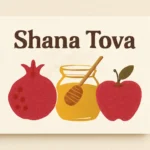
Free Email Rosh Hashanah Cards: Send Beautiful E-Cards for the New Year
As the Jewish new year approaches, families, friends, coworkers, and communities look for thoughtful ways to greet one another with warmth and meaning. In today’s digital world, free email Rosh Hashanah cards offer a convenient, eco-friendly, and inclusive way to share best wishes across distances. Whether you’re sending a personal note to a grandmother overseas or a cheerful greeting to colleagues starting a busy year, the right e-card can convey your hopes for health, happiness, and prosperity. In this article, you’ll discover everything you need to know about free Rosh Hashanah e-cards, including where to find them, how to customize them, design tips, accessibility considerations, and practical sending strategies for the New Year.
What Are Free Email Rosh Hashanah Cards?
Free email Rosh Hashanah cards are digital greeting cards designed specifically for the Jewish New Year. They are distributed via email or linked through an online card service, and they typically come with a selection of templates, messages, and customization options. The free versions often include:
Pre-made templates featuring classic symbols such as shofars, apples and honey, pomegranates, and festive borders.
Greetings in multiple languages or transliterations, including Hebrew, English, and bilingual options.
Personalization features like adding a name, a photo, or a custom message.
Options to customize fonts, colors, and layout to suit recipient preferences.
Delivery mechanisms that include scheduling at a specific time or sending immediately.
While the core idea remains the same, you will find many variations under the umbrella of free Rosh Hashanah greetings online. Some sites emphasize animated elements and music, while others focus on clean, minimal designs suitable for professional networks. Regardless of style, the goal is to communicate warmth and tradition in a modern, accessible format.
Why Choose Free Email Rosh Hashanah Cards for the New Year?
Opting for free email Rosh Hashanah cards offers several practical and meaningful advantages. Here are the core reasons people reach for these digital greetings during the High Holy Days:
Eco-friendliness: Digital cards reduce paper waste and shipping emissions, aligning with sustainable practices during a season that often emphasizes renewal and responsibility.
Instant delivery: You can send heartfelt wishes in seconds, whether you’re contacting a large group or a single person who is far away.
Cost savings: Because the cards are free to use, you can share rich messages and visuals without incurring expenses.
Accessibility and convenience: Anyone with an email address can view and respond, making it inclusive for families, seniors, students, and colleagues.
Personalization options: Many free templates let you adapt the message, add photos, or tailor a note to the recipient’s interests and life events.
In addition to practical benefits, free online Rosh Hashanah cards can carry cultural meaning. They offer a platform to share traditional blessings (such as a good year, health, and peace) in a format that resonates with modern communication habits. This blend of tradition and convenience helps keep the sentiments of Rosh Hashanah alive across generations and geographies.
Variations of Free Rosh Hashanah E-Cards
Static, Animated, and Interactive Templates
When you explore free Rosh Hashanah e-card options, you’ll encounter a spectrum of template styles:
Static templates with fixed imagery and text—simple, elegant, and easily readable on mobile devices.
Animated templates that incorporate subtle motion, twinkling lights, or gently falling motifs to catch the eye without overwhelming the message.
Interactive templates that invite recipients to click through small animations, scroll to reveal a message, or customize a one-line greeting on the fly.
Choosing between these options depends on the recipient and occasion. A family member might appreciate a warm animated card with a personal photo, while a professional contact may prefer a clean static card with a concise blessing. The variety of free templates means you can tailor the experience to your relationship and tone.
Some platforms offer video-based Rosh Hashanah greetings or rich media cards that embed short clips, audio, or slideshows. These can be particularly engaging for younger recipients or groups celebrating together online. Keep in mind that longer videos require more bandwidth and may not render as smoothly on slower connections, so include a lightweight version or a plain text backup for accessibility.
DIY and Community-Designed Templates
Several sites provide do-it-yourself (DIY) e-card creators with drag-and-drop tools. You can upload family photos, supply your own captions, and craft a truly personal message. In addition, some communities maintain shared templates that reflect specific cultural or religious nuances, allowing you to honor local traditions while using a free online platform.
Where to Find Free Email Rosh Hashanah Card Templates
Finding high-quality, free options requires exploring a mix of well-known design platforms and dedicated e-card services. Here are common sources and what to expect from each:
Canva and Adobe Express offer free templates for greeting cards, including several focused on Jewish holidays. They provide straightforward customization, a wide color palette, and the ability to export for email.
Greetings Island specializes in free e-cards and printable cards, with a selection of Rosh Hashanah-themed templates and multilingual options.
123Greetings provides a large library of free e-cards, including seasonal and religious designs. Ad-supported free access makes it easy to share without paying.
Someecards offers witty, modern takes on holiday greetings, including Rosh Hashanah-influenced messages. This can be a good fit for friends who appreciate humor, provided the tone is appropriate for the audience.
Dedicated Jewish organizations and synagogues sometimes maintain free e-card galleries with traditional imagery and blessings, designed to be shared with members and the wider community.
When you choose a platform, consider factors such as template variety, ease of customization, privacy policies, and download or share options. Always review the licensing terms to ensure your use remains within the site’s free-use guidelines, and look for features like alt text and accessibility settings if available.
Design and Personalization Tips for Impactful Rosh Hashanah E-Cards
Design matters as much as message when it comes to meaningful greetings. The right combination of color, imagery, and typography can evoke the contemplation and celebration that characterize the Jewish New Year. Here are practical tips to craft beautiful free email Rosh Hashanah cards that resonate:
Color symbolism: Use colors like gold, blue, white, and accents of green or crimson to convey auspiciousness, serenity, and renewal.
Iconography: Include classic symbols such as shofars (for awakening and reflection), apples and honey (for a sweet year), pomegranates (for abundance), and stars or candles as universal festive motifs.
Typography: Choose clear, legible fonts with a touch of warmth. Pair a serif with a clean sans-serif to balance tradition and modernity.
Personalization: Insert the recipient’s name, a specific blessing, or a short, heartfelt note to heighten the sense of connection.
Visual hierarchy: Place the core blessing or greeting at the top, followed by a brief message and a call to action (if appropriate).
Images vs. illustrations: A candid family photo adds warmth, while stylized illustrations can offer timeless appeal. Ensure images are optimized for web and email rendering.
Mobile optimization: Most recipients check email on mobile devices. Use larger tap targets, readable font sizes, and concise messages.
Accessibility: Include descriptive alt text for images and sufficient color contrast so that screen readers and color-blind users can enjoy the card.
Language and Cultural Considerations in Free Rosh Hashanah Cards
Rosh Hashanah is rich with blessings and traditional phrases. When crafting multilingual e-cards, keep the message inclusive and accurate. Some practical guidelines:
Include Shanah Tovah (Hebrew for «Good year») or the longer blessing “Shanah Tovah U’Metukah” (a sweet year). You can transliterate as needed for readability.
Hebrew and English, which can be especially meaningful within mixed-language families or professional circles.
Respect audience preferences: some recipients may prefer a strictly traditional tone, while others may enjoy contemporary expressions or light humor.
Avoid unintended miscommunications by using culturally sensitive imagery and ensuring that symbols used are appropriate for the audience and occasion.
Accessibility, Privacy, and Etiquette in Free Email Cards
Digital greetings come with responsibilities. Here are practical considerations to ensure your e-cards are accessible, respectful, and secure:
Accessibility: Use meaningful alt text for all images, provide text alternatives for any motion or audio, and ensure high-contrast text for readability.
Privacy: If you upload photos or personally identifiable information, verify the platform’s privacy policies and consider sharing via private links or recipient-specific cards rather than broad distribution.
Etiquette: Tailor the message length to the recipient. Short, sincere blessings are usually appreciated in professional contexts, while longer personal notes suit family and close friends.
Consent: When sending bulk e-cards, maintain opt-out options and respect recipient preferences, especially in workplace or community settings.
How to Create and Send Free Email Rosh Hashanah Cards: A Step-by-Step Guide
Choose a platform that offers the free Rosh Hashanah templates you prefer (e.g., Canva, Greetings Island, 123Greetings).
Select a template that aligns with the tone you want—traditional, modern, playful, or solemn.
Customize the design by adding your recipient’s name, a personal message, and any photos or logos if you’re sending on behalf of a group or organization.
Fine-tune the messages to include blessings, well-wishes for health and prosperity, and perhaps a short note about upcoming plans or a shared memory.
Preview the card on desktop and mobile to ensure readability and layout integrity.
Add alt text for any images and confirm color contrast for accessibility.
Share or schedule the card. If you’re using a bulk option, schedule emails to land around a time that respects recipients’ time zones and typical email checking patterns.
Monitor replies and respond promptly to ensure a warm, reciprocal exchange of wishes.
Best Practices for Sending Free Email Rosh Hashanah Cards to a Community
When sending cards to a broad audience—such as a synagogue group, school community, or workplace—adopt practices that maximize reach while preserving a personal touch:
Segment your audience to tailor messages: family, friends, colleagues, students, and members may appreciate different tones.
Use a clear subject line that includes the holiday and a friendly cue, such as “Shanah Tovah from the Community” or “Wishing You a Sweet New Year.”
Keep messages concise while including a meaningful blessing. Long messages can be trimmed while preserving warmth.
Include a call to action only if appropriate—such as inviting someone to a High Holiday event or sharing a personal update.
Test deliverability by sending to a few accounts first to ensure the card renders correctly in major email clients (Gmail, Outlook, Yahoo, etc.).
Sample Message Templates for Different Recipients
Below are ready-to-use examples you can adapt. Each is designed to be brief, respectful, and meaningful for the New Year. In these samples, you’ll see bold emphasis on key sentiments to guide your edits.
To a family member: “Shanah Tovah U’Metukah! Wishing you a year filled with good health, joy, and moments of tender togetherness with loved ones. May the coming year bring peace and plenty.”
To a friend: “Shanah Tovah, dear friend! May this new year bless you with new opportunities, happiness, and the sweet memories we share. Looking forward to many more moments in the year ahead.”
To a coworker or client: “Wishing you a Shana Tova and a productive, prosperous year ahead. May this year bring good health, clear goals, and meaningful collaborations.”
To a community partner: “Shanah Tovah U’Metukah to you and your team. May the New Year bring us renewed strength, shared success, and opportunities to serve our community with kindness and compassion.”
To a student or educator: “Shanah Tovah! May this year bring you curiosity, resilience, and exciting discoveries. Here’s to a year of meaningful learning and growth.”
Technical Tips for Embedding or Linking Free Cards in Email
If you’re sending through a mail system or a newsletter platform, you may want to embed the card or link to a hosted version. Consider these approaches:
Embed a card link rather than attaching large files to keep email lightweight and reduce spam risk.
Host images on reliable CDNs to ensure quick loading and consistent rendering across networks.
Offer a text alternative for recipients who cannot view the rich media version, such as a brief plaintext greeting with the same sentiment.
Test across clients to confirm that fonts, colors, and layouts display correctly in Gmail, Outlook, Apple Mail, and mobile apps.
Common Pitfalls and How to Avoid Them
Even the best intentions can encounter hiccups. Here are frequent issues and practical fixes:
Poor readability due to fancy fonts or busy backgrounds. Fix by selecting high-contrast palettes and legible typography.
Overly large files from high-resolution images. Optimize images for web use and consider offering a smaller version.
Incomplete accessibility with missing alt text. Always include descriptive alt text for all visual elements.
Unintended offense by using culturally insensitive symbols. Research symbols and opt for universally respectful imagery when in doubt.
Privacy concerns with photo uploads. Use platforms that provide clear privacy controls and opt for recipient-only sharing when possible.
Supporting a Personal Touch with Free Resources
Even when using free online e-cards, you can maintain a deeply personal connection. Consider pairing the digital card with a handwritten note, a phone call, or a small in-person gesture when feasible. Here are some ideas to complement the e-card experience:
Send a photo collage or a short video message as a follow-up via a secure link.
Attach a copy of a blessing you especially value and share a personal memory you’d like to revisit together in the new year.
Coordinate a virtual gathering or a small in-person meal to celebrate the season with loved ones who are near or far.
Include a charitable note—a suggestion to support a cause in honor of the New Year, aligning with the values of renewal and generosity.
Ethics and Best Practices for Sharing Free Email Rosh Hashanah Cards
With a multitude of recipients and diverse platforms, it’s important to follow ethical guidelines when sharing free e-cards:
Consent and preferences matter. Ensure recipients have opted in to receive holiday greetings if you’re managing a community list.
Respect timing. In many communities, Rosh Hashanah greetings are shared close to the holiday but do not need to be rushed. Plan delivery to respect recipients’ schedules and time zones.
Acknowledge diversity. Recognize that not everyone observes the holiday in the same way. Offer inclusive greetings that celebrate renewal and hope without assuming religious practices for all recipients.
Credit creators when using templates or customize licensed assets appropriately if required by the platform’s terms.
How These Cards Fit into a Digital Holiday Culture
The rise of free email Rosh Hashanah cards reflects broader trends in digital communication during holidays. They fit into a culture that values quick, meaningful connections, especially for people who commute, study remotely, or maintain friendships across continents. The digital greeting is not just a substitute for a mailed card—it’s a dynamic, adaptable form of expression that can incorporate real-time updates, multimedia elements, and interactive experiences. As a result, these e-cards can become a flexible instrument for strengthening relationships, sharing blessings, and fostering community cohesion during the New Year season.
Conclusion: Embrace the Convenience, Craft the Care
Free email Rosh Hashanah cards offer a practical, accessible, and heartfelt way to begin the new year with intention and connection. By choosing the right template, personalizing your message, and considering accessibility and privacy, you can craft e-cards that light up screens and touch hearts. Whether you call them free online Rosh Hashanah greetings, no-cost e-cards for the New Year, or digital Rosh Hashanah cards, the essential purpose remains the same: to wish others a sweet, healthy, and prosperous year ahead with clarity, care, and cultural resonance. As families and communities prepare for the days of awe, these cards can serve as small, meaningful anchors—reminders that even when miles separate us, our intentions and blessings travel quickly, digitally, and with grace.
Glossary of Terms and Variations
Rosh Hashanah — Jewish New Year festival marking the start of the High Holy Days.
E-card — electronic greeting card sent via email or online link.
Shanah Tovah — Hebrew blessing meaning “Good year.”
Apples and honey — traditional symbols for a sweet new year.
Shofar — ram’s horn blown during Rosh Hashanah services symbolizing awakening and reflection.
Alt text — text alternatives for images to assist screen readers.
Adaptive design — layouts that render well on devices with varying screen sizes.
With the guidance above, you can explore, create, and share free email Rosh Hashanah cards that are not only beautiful but meaningful. The New Year is a time for renewal, gratitude, and hopeful beginnings—let your e-cards carry these sentiments across distances, connecting people in a digital age with warmth, respect, and joy.