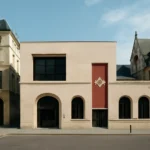
Introduction: The Jewish neighborhood in Amsterdam
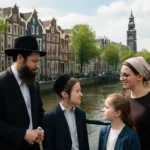
The Jewish neighborhood in Amsterdam, commonly known in Dutch as the Joodse Buurt or Jodenbuurt, is a distinctive district that blends centuries of history with a living culture. This is not merely a place to observe relics of the past; it is a neighborhood where memory and daily life intertwine. In stories that span commerce, faith, art, and community resilience, the area invites visitors to explore a historic-cultural landscape that shaped and was shaped by one of Europe’s most vibrant Jewish communities. Whether you are drawn by the architecture along narrow canals, the solemn corridors of synagogues, or the museums that illuminate thousands of years of tradition, the Amsterdam Jewish quarter offers a comprehensive canvas for understanding how a city can hold both suffering and celebration at the same time.
A brief overview: what makes the Jewish neighborhood of Amsterdam unique
The Amsterdam’s Jewish quarter sits relatively close to the center, in an area that grew as a hub for Jewish life from the 17th century onward. It is a place where Ashkenazi and Sephardic traditions mingled, each contributing a different shade to the culture, language, and ritual life of the community. The Jodenbuurt flourished as a center of learning, commerce, and religious life, even as it endured the turbulences of war, migration, and urban change. Today, the surrounding streets retain the flavor of a historic quarter—while also hosting contemporary cafés, galleries, and small businesses—so that the area remains a living neighborhood rather than a mere museum.
Historical roots: from the 17th century to the modern era
The origins of the Jewish neighborhood in Amsterdam trace back to the arrival of Jews who fled persecution in Iberia and Western Europe. The Sephardic community began to settle in what is now central Amsterdam during the 17th century, bringing with them different religious customs, languages (Ladino among some communities), and a taste for global trade. Soon after, the city also welcomed Ashkenazi Jews escaping hardship in Central and Eastern Europe, adding more layers to the neighborhood’s cultural fabric. This dual heritage contributed to a distinctive architectural and urban character: rows of tall canal houses with characteristic gables, courtyards, and intimate streets that once housed a bustling marketplace, study houses, and synagogues.
The Jewish Quarter Amsterdam transformed through the centuries. In the 18th and 19th centuries, the community established a robust religious life, schools, printing presses, and social organizations. The architecture of the area reflects this vitality: synagogues of different denominations, a network of yeshivas, and communal buildings that functioned as anchors for daily life. The Jodenbuurt also faced periods of strain—economic downturns, restrictive policies, and, in the 20th century, the devastation of World War II. Yet, even in the face of persecution, the community preserved rituals, languages, and practices that today are celebrated in museums, memorials, and cultural programs within the district.
The postwar era brought another wave of change, with reconstruction, migration, and shifting urban plans. The Amsterdam Jewish neighborhood redefined itself as a site of cultural heritage and commemoration, while still serving as a place of residence and daily life for residents who maintain a living Jewish identity in the city. Visitors today can sense the weight of history in the air, but they also encounter a neighborhood that welcomes learning, dialogue, and intercultural exchange.
Landmarks and institutions within the Jewish neighborhood
The area now forms what many call the Jewish Cultural Quarter, a cluster of sites that together tell a multifaceted story of faith, memory, and culture. Among the most important anchors are:
The Portuguese Synagogue (Esnoga) — a striking Sephardic synagogue renowned for its elegant architecture and rich liturgical tradition. It remains a site for worship as well as a destination for visitors who want to understand Sephardic heritage in Amsterdam.
The Jewish Historical Museum — housed in a historic complex, this museum presents the everyday life, rituals, and evolution of the Jewish community in the Netherlands. It offers immersive displays, artifacts, and narratives that bring the centuries of Jewish life in Amsterdam to life for a broad audience.
Other synagogues and community centers within the Joodse Buurt contribute to a sense of living heritage, where ritual life, education, and social programs continue to shape the neighborhood.
Memorials, archives, and educational spaces that focus on memory, trauma, and resilience—forming a bridge between the historic past and contemporary remembrance and study.
A closer look at the central institutions
The Portuguese Synagogue stands out not only for its beauty but also for its role in preserving a distinctive liturgical tradition. The building’s architecture, including its mirrored interior and ornate woodwork, reflects a community rooted in long-standing ritual discipline and musical heritage. Meanwhile, the Jewish Historical Museum curates exhibitions that illuminate the day-to-day life of Dutch Jews through time—marriage customs, clothing, schooling, and the evolution of Jewish family life within a European urban context. Together, these sites help readers and visitors understand how a immigrant or diasporic community maintained continuity while adapting to new circumstances.
Daily life, architecture, and streets: what the neighborhood feels like today
The Amsterdam Jewish neighborhood today is a living quarter where history and modern life intersect. The streets are lined with tall, narrow houses whose stepped gables hint at centuries of urban growth and wealth. The architectural language of the area—arched doorways, wrought-iron balconies, and small courtyards—speaks to a time when merchant families and scholars needed compact, efficient spaces in which to live, work, pray, and study.
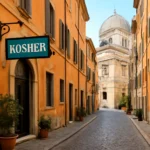
Walking the lanes of the Jodenbuurt offers more than a glance at brick and stone; it offers an encounter with memory. You may pass a small kosher shop, a café with a nod to Jewish culinary traditions, or a community center that hosts lectures and family programs. The area also sits near the Plantage, a green and scholarly district with the city’s botanical garden and a broader set of museums. The juxtaposition of scholarly calm and lively street life makes the Jewish Quarter Amsterdam a unique place for cultural exchange and thoughtful reflection.
Culture, cuisine, and daily rituals: a window into Jewish life in Amsterdam
In the Amsterdam Jewish neighborhood, culture is not only a matter of museums and monuments. It is also expressed through ongoing practices, seasonal holidays, and communal life. Visitors can learn about and sometimes participate in observed religious customs, while locals keep alive traditional foods, music, and languages that connect past generations with contemporary practice. The presence of kosher options, Jewish bookstores, and learning venues demonstrates that the area remains a living center of culture, not merely a historic district.
The religious calendar brings rhythm to the neighborhood. Observances such as Shabbat, Passover, Hanukkah, and other Jewish holidays are celebrated with a combination of communal gatherings and family rituals. In public areas and community rooms, youth programs, language circles, and educational talks offer opportunities for sustained intergenerational dialogue. This living culture is what makes the Jewish neighborhood in Amsterdam compelling for researchers, students, or travelers seeking to understand how a minority community preserves both identity and adaptation over centuries.
Notable figures and influences from the area
The Jodenbuurt has produced and attracted many influential figures in arts, scholarship, and public life. While individuals from the community may be recognized in broader Dutch cultural charts, the overall influence of the Jewish neighborhood in Amsterdam is best understood through its collective contributions: the formation of enduring educational institutions, the preservation of ritual life through running synagogues and study houses, and the humanitarian and cultural initiatives that emerged from this quarter in response to historical events.
The area’s story also intersects with larger Dutch and European narratives about religious tolerance, trade networks, and urban resilience. In this sense, the Jewish neighborhood is not only a historical footprint but a dynamic site where people continue to write new chapters in a shared urban history.
Visiting tips: planning a thoughtful visit to the Jewish neighborhood Amsterdam
If you are planning a cultural or educational visit to the Amsterdam Jewish quarter, here are practical pointers to enrich your experience:
Check the schedule for Portuguese Synagogue tours and, when possible, a guided visit to understand the architectural and liturgical elements of the space.
Visit the Jewish Historical Museum to gain a layered understanding of daily life, traditions, and the political history that shaped the community.
Walk slowly along the streets of the Joodse Buurt, paying attention to street names, plaques, and memorial markers that highlight moments of memory and commemoration.
Take time to explore nearby cultural and natural sites in the Plantage area to understand how the neighborhood connects to broader Amsterdam life.
Respect quiet hours around sacred spaces; if you enter a synagogue during a service, observe appropriate decorum.
Engaging with memory: how to approach historical sites respectfully
When approaching the Jewish neighborhood Amsterdam, consider the historical weight of the sites you visit. Many are places of worship and study, and they offer narratives about resilience and memory. If you are a student or curious traveler, use the opportunity to learn about the experiences of survivors and the communities that rebuilt after traumatic events. Reading labels and participating in a guided tour can help you contextualize artifacts, architecture, and the way space becomes memory.
Preservation, memory, and modern life in the Joodse Buurt
The revival and preservation of the Jewish Quarter Amsterdam rest on a combination of municipal care, community leadership, and the engagement of visitors who approach the site with care and curiosity. Historic synagogues and museums function not only as repositories of the past but as living institutions that foster dialogue with contemporary audiences. Efforts to maintain and restore architectural heritage, preserve archives, and support educational programming all contribute to a more nuanced understanding of how a city can hold memory in its core.
In this sense, the Amsterdam’s Jewish neighborhood is a case study in urban memory: a district where stories of migration, faith, commerce, persecution, and revival are layered into the physical fabric of streets and buildings. The neighborhood also serves as a platform for intercultural exchange, with programs and exhibitions that invite visitors of diverse backgrounds to engage with Jewish history in a thoughtful and respectful way.
Beyond the core: the place of the Jewish quarter in the broader city
While the Jodenbuurt is a focal point for Jewish culture and history in Amsterdam, it does not exist in isolation. The surrounding areas—arts districts, academic campuses, and public squares—provide a broader context in which the quarter’s narrative becomes part of the city’s shared memory. The integration of the Jewish neighborhood Amsterdam into the fabric of the capital demonstrates how a city can honor its diverse origins while evolving to address present-day social and cultural dynamics.
Conclusion: embracing culture, history, and learning in the Jewish neighborhood
The exploration of the Jewish neighborhood in Amsterdam offers a route into a layered past and an ongoing present. From the solemn beauty of the Portuguese Synagogue to the comprehensive storytelling of the Jewish Historical Museum, the district stands as a living archive of a community’s enduring contributions and enduring memory. Whether you come to learn, reflect, or simply experience a different facet of Amsterdam, this area invites a careful, curious, and respectful engagement with thousands of years of history, culture, and daily life. The Amsterdam Jewish quarter thus serves as a bridge between the past and the present—an essential site for anyone seeking to understand how a city can carry forward its heritage while embracing new generations and new ideas.
To help orient readers who are exploring the broader topic of the Jewish neighborhood Amsterdam, here is a compact glossary of terms that frequently appear in guides and museum texts:
Joodse Buurt and Jodenbuurt — Dutch terms for the Jewish neighborhood.
Jewish Cultural Quarter — the cluster of institutions that preserve and present Jewish culture in Amsterdam.
Portuguese Synagogue (Esnoga) — a landmark Sephardic place of worship with a distinctive interior.
Jewish Historical Museum — a major museum in the quarter dedicated to Jewish life and history in the Netherlands.
Synagogues, yeshivas, and reading rooms — the everyday spaces where study, prayer, and community life took place and continue to some extent today.
Variations on a theme: different ways to refer to this area
As you read guides or talk to locals, you will encounter several phrases that all point to the same core district. Each formulation carries a slightly different emphasis:
the Jewish neighborhood Amsterdam (emphasizing the geographic area within the city)
the Amsterdam Jewish quarter (focusing on the cultural and historical significance)
the Joodse Buurt (the Dutch name, often used in local signage and histories)
the Jodenbuurt (variant spelling used in many Dutch sources)
the Amsterdam’s Jewish district (a descriptive version often used in English-language guides)