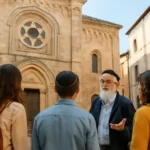
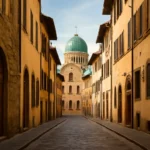
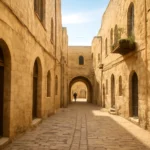
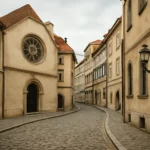
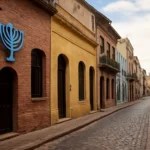
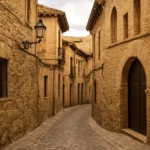
Tucked along the western bank of the Tiber River, Rome’s Jewish quarter—also known as the Ghetto di Roma—is a neighborhood with a heavy, vivid history and a living, modern pulse. It is a place where centuries of tradition meet contemporary culture, where narrow, sun-warmed streets reveal stories of resilience, faith, food, and memory. This district, sometimes spoken of as the Ghetto Vecchio and the Ghetto Nuovo in tandem, offers visitors a compact itinerary of landmarks, synagogues, museums, and culinary rites that illuminate the Jewish experience in Rome and beyond.
If you are traveling through the Eternal City and want to understand how a community has adapted while preserving its distinct identity, the Rome Jewish quarter is a compelling case study. The quarter is not only a historical site; it is a living neighborhood where people live, work, worship, and socialize. In walking its lanes, you can glimpse the architecture of a once-segregated space, step into the great houses of worship, and savor dishes that tie modern Roman life to a long, Jewish culinary tradition.
The Historical Roots of the Rome Ghetto
The Ghetto di Roma was established in 1555 by a papal mandate under Pope Paul IV, making it one of the oldest legally defined Jewish quarters in Europe. The decree confined Rome’s Jewish community within a walled enclosure in the area surrounding the Tiber, creating a district that would endure for centuries despite turmoil, upheaval, and shifting political winds. This act did more than cordon off a population; it shaped routines of life, work, worship, and commerce that still echo in today’s streets.
The Rome ghetto is most often described in terms of two adjoining sections—the Ghetto Vecchio (the Old Ghetto) and the Ghetto Nuovo (the New Ghetto). The Vecchio is the older portion, with centuries of stone and memory embedded in its walls, alleys, and plazas. The Nuovo, expanded several decades after the original enclosure, broadened the geographic footprint of the Jewish community within the city. Together, these two components form a compact historic core that still feels intimate to visitors while conveying the scale of a long-standing urban minority.
The original walls and gates that once constrained the ghetto have largely disappeared, but in their place stand reminders of a time when movement in and out of the district was governed by law. The landscape of the Roman Jewish quarter today is a tight weave of medieval and modern facades, walled courtyards, and open squares where the sound of daily life—market chatter, street music, prayers—fills the air alongside the aroma of fresh bread and fried artichokes.
Landmarks and Architecture: Where History Lives in Stone
The Roman Jewish quarter is best understood through its emblematic landmarks—structures and places that have served as centers of worship, culture, and communal life for hundreds of years. The architecture is not merely decorative; it is a document of changes in religious practice, social organization, and urban planning in a city that has always been a crossroads of civilizations.
Portico d’Ottavia: A surviving and symbolic ruin
One of the most photogenic and historically rich sites in the Ghetto di Roma is the Portico d’Ottavia. Situated adjacent to the ruins of the ancient Theater of Marcellus, this octagonal columned structure survived fires, floods, and wars to become a symbol of the continuity of Jewish life in the city. Today, the Portico d’Ottavia anchors a pleasant square and offers a striking contrast between the ancient Roman world and the medieval-to-modern neighborhoods that grew up around it. It is a poignant reminder of continuity—how a space once linked to imperial Rome could become an emblem of a distinct Jewish community centuries later.
The Tempio Maggiore di Roma: The Great Synagogue
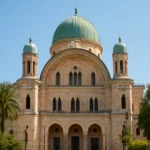
The Great Synagogue of Rome (Tempio Maggiore di Roma) sits at the heart of the Jewish quarter and remains a central religious and cultural institution. Completed in the early 20th century, the synagogue is a stunning example of national and communal architecture that blends Roman and Jewish design sensibilities. The edifice is often described by visitors as both grand and welcoming, an architectural statement that conveys dignity, permanence, and hope. Its interior houses spaces for prayer, education, and community events, and the exterior façade announces the community’s presence in a city that has seen many faiths meet and sometimes clash on its streets.
The Jewish Museum of Rome: A Chronicle of a Community
Inside the broader precinct of the synagogue complex lies the Museo Ebraico di Roma, the Jewish Museum of Rome. This museum offers curated exhibits that illuminate centuries of Jewish life in the city—from daily rituals and family life to migrations, education, and the trials endured during periods of persecution. For visitors, it is a pathway to understanding how a local community has adapted while preserving deep religious and cultural roots. The museum’s collections include religious objects, ceremonial items, photographs, documents, and temporary displays that reflect the community’s evolving identity.
Other meaningful streets and quarters within the Ghetto
Beyond the major monuments, the charm of the Judaic quarter lies in its intimate streets and plazas. Wanderings through lanes such as those near the Piazza delle Cinque Scole—the historic square in front of the Great Synagogue—reveal small synagogues tucked between shops, bakeries, and trattorias. Street names, tavern signs, and storefronts carry echoes of a diverse Jewish life that has included Ashkenazi, Sephardic, and Mizrahi traditions over the centuries. The architecture—arched doorways, sunlit courtyards, and the worn warmth of ancient stone—tells a story of endurance, adaptation, and continuity.
Religion, Culture, and Community Life
The Jewish quarter in Rome is not a museum; it is a living neighborhood where ritual life, daily observance, and communal care continue to shape the rhythm of the area. The presence of a major synagogue and a dedicated museum is complemented by schools, community organizations, kosher markets, and eateries that honor traditional Jewish dietary laws while also embracing contemporary culinary trends.
Religious institutions and daily life
Tempio Maggiore di Roma serves as the central house of worship for many Roman Jews, hosting services, life-cycle events, and religious education. Visitors are welcome when services are not in progress for safety and reverence; it is best to check schedules in advance.
Several smaller synagogues and prayer spaces exist within the quarter, reflecting the diversity of the community and the historical flow of Jewish life in Rome. These institutions are often linked to cultural centers that host lectures, classes, and interfaith programs.
The Museo Ebraico di Roma operates in close relation to the synagogue complex, providing educational programming for visitors of all ages and offering context about the history, rituals, and rites that define Jewish practice in the city.
Culture and education within the quarter
Adult education programs, language courses, and text study meet in community spaces that are often adjacent to synagogues and cultural centers. These programs help connect the past with the present, allowing residents and visitors to explore Jewish philosophy, law, and liturgy.
Annual commemorations and holidays—such as Passover, Hanukkah, and Yom Kippur—bring vibrant rituals and processions into the streets, sometimes accompanied by music, readings, and shared meals in public spaces or inside synagogues and community centers.
Interfaith initiatives and cultural collaborations with nearby Catholic institutions and other Roman communities are part of the neighborhood’s ongoing dialogue about history, memory, and mutual respect.
Cuisine, Markets, and the Sensory Landscape of the Quarter
One of the most vivid ways to experience the Jewish quarter of Rome is through its food. The ghetto’s restaurants and shops offer a mouthwatering combination of traditional Jewish dishes and Roman culinary methods, creating a sensory map of the community’s long relationship with the city’s markets and kitchens.
Iconic dishes and culinary traditions
Carciofi alla giudia (fried artichokes) are among the most emblematic preparations associated with the Rome Jewish quarter. These crispy, lantern-like artichokes were popularized in this neighborhood and have become a symbol of Jewish-Italian cuisine. They are often served as a shared starter in many restaurants within the ghetto.
Other artichoke preparations appear on menus as the season allows, including variations that balance tradition with modern tastes, but the giudia style remains the signature experience for many visitors seeking an authentic taste of the quarter.
Traditional bread, pastries, and cookies—made in family-owned bakeries—dot the streets. Fresh-baked challah and other Jewish bakery staples connect visitors to the weekly rhythms of Shabbat and holidays.
Seafood and vegetable dishes, prepared in ways that reflect local Italian influences while observing kosher practices, can be found in many eateries close to the synagogue and market streets.
Markets, bakeries, and kosher facilities
The quarter hosts kosher markets and delis where residents and visitors can purchase items that meet dietary laws and support the local community’s ongoing needs.
Bakeries in and around the ghetto offer a range of breads, cookies, and sweets that reflect Jewish culinary traditions merged with Roman flavors—small indulgences that often accompany family meals and festive occasions.
Restaurants in the area frequently feature seasonal produce and seafood sourced from markets around Rome, creating a rich tasting experience that ties the Jewish quarter to the broader city’s food culture while preserving its own distinctive menu items.
Visiting the Jewish Neighborhood: Practical Tips for Travelers
A visit to the Ghetto di Roma, the Ghetto Vecchio, and the Ghetto Nuovo can be a deeply rewarding experience if approached with curiosity, respect, and a sense of pace. Here are practical tips to help you make the most of your time in Rome’s Jewish quarter.
Best times and general etiquette
Morning and early afternoon light enhances the texture of the quarter’s stone streets and makes it ideal for photography and slow, reflective wandering.
Respect the sanctity of religious spaces. When you enter synagogues or prayer areas, observe posted guidelines and dress modestly. In many cases, photography may be restricted inside worship spaces during services.
When seated at eateries or in shops, feel free to ask for recommendations. Local guides and shopkeepers are often happy to share the stories behind their family recipes and business histories.
Where to start: a suggested walking route
Begin near the Portico d’Ottavia to absorb the sense of transition between ancient Rome and the modern Jewish quarter.
Head toward the Great Synagogue of Rome, where you can pause for exterior views and, if possible, arrange a guided interior visit to learn about the architecture, the role of the synagogue in community life, and the associated museum.
Visit the Jewish Museum of Rome for curated exhibits and a deeper historical context about centuries of Jewish life in the city.
Walk through the adjacent market streets to glimpse everyday life, sample a dish or two, and observe the rhythm of a neighborhood that remains deeply connected to its heritage.
Preservation, Memory, and Modern Identity
The city of Rome has taken steps to preserve the integrity of the Rome Jewish quarter while allowing it to thrive as a living, changing community. Preservation efforts focus on maintaining historic facades, protecting synagogues and museums, and documenting the area’s social history for both scholars and travelers. At the same time, the quarter embraces modern life—grocery shoppers mingle with students and families, and new cultural programs are launched to foster dialogue among communities.
As a result, the Jewish district in Rome serves as a case study in how urban spaces can be both preserved and revitalized. The ghetto’s past—its laws, its walls, its restrictions—might otherwise seem distant, but in Rome those memories are lived daily in the eyes of residents, in the taste of artichokes prepared Giudia, in the echoes of a Sabbath prayer, and in the ongoing work of the Tempio Maggiore and the Museo Ebraico. This blend of memory and modernity makes the quarter not just a destination for sightseeing but a place of learning and reflection.
Highlights of the Jewish Quarter: Quick Reference
Portico d’Ottavia: Iconic ruins and a symbol of the district’s long history, set next to the Tiber and the heart of the old ghetto area.
Great Synagogue of Rome: The central house of worship, monumental in scale and significance, with a public-facing exterior and a surrounding precinct of cultural institutions.
Jewish Museum of Rome: A repository of artifacts, documents, and displays that chart the ongoing story of the community from ancient times to the present.
Historic lanes of the Ghetto Vecchio and Ghetto Nuovo: Winding streets where architecture, memory, and daily life combine to tell a story larger than a single building.
Iconic foods of the quarter: carciofi alla giudia and other traditional dishes that link modern dining to centuries of culinary practice.
Conclusion: Why the Jewish Neighborhood in Rome Matters
Exploring the Jewish neighborhood Rome—in other words, the Roman Jewish quarter—offers a layered understanding of how a community endures within a city that has seen empires rise and fall. The district stands as a living archive: stone lanes and grand synagogues anchor memory; museums and markets transmit culture to new generations; and kitchens and eateries translate history into taste. For anyone curious about the intersections of religion, urbanism, and society, this is a neighborhood that rewards slow, respectful engagement. You can walk its paths, read its plaques, listen to its stories, and savor its flavors, all while keeping in mind the broader arc of Italian Jewish history—how this community grew, faced trials, and retained a sense of dignity and continuity.