Jewish tours Italy offer a window into a rich, centuries‑long dialogue between Jewish communities and the broader
Italian world. From ancient streets where scholars once debated philosophy to grand synagogues that survived upheavals, the Italian Jewish heritage is a compelling thread woven through many cities. This article explores Jewish tours in Italy, highlighting the most important heritage sites and the history that connects them. Whether you are tracing the roots of Sephardic and Ashkenazi communities, admiring unique synagogue architecture, or learning about the life of Italian Jewish communities during the Renaissance, medieval, and modern eras, this guide provides a comprehensive map for a meaningful journey.
A dedicated itinerary for Italy Jewish heritage tours allows visitors to:
Understand the impact of emancipation, migration, and resilience on diverse Jewish communities across the peninsula.
Explore historic ghettos that shaped daily life, commerce, and culture in cities such as Rome, Venice, and Florence.
See great synagogues and museums that preserve artifacts, rituals, and stories from centuries of Jewish life in Italy.
Experience guided tours that connect religious significance with social history, architecture, and cuisine.
Across Jewish tours Italy, travelers encounter a continuum—from the medieval roots of Jewish communities in ports and capitals to the modern revival of Jewish life in cities that host some of Europe’s most important Jewish museums and centers of learning.
Rome: The Eternal City and its Jewish landmarks
The Ghetto and the Portico d’Ottavia
Rome’s Ghetto is one of the oldest in Europe, created in 1555 by Papal authority. The area surrounding the Portico d’Ottavia—the ancient portico of Octavia, sister of Emperor Augustus—remains a powerful symbol of a community negotiating marginalization and continuity. In a Jewish tours Italy itinerary, the Ghetto is often the first stop to sense the historical atmosphere: narrow alleys, small shopfronts, and a community that maintained ritual life even under restrictive rules.
Great Synagogue of Rome and the Jewish Museum
The Great Synagogue of Rome (Tempio Maggiore di Roma) stands as a cornerstone of Italian Jewish history. Built in the early 20th century, it presents a blend of architectural grandeur and spiritual purpose enjoyed by generations of worshippers. Adjacent to the synagogue, the Jewish Museum of Rome houses collections that span antiquity to modern times, offering insights into rites, costumes, ritual objects, and the evolution of Jewish life in the city. A Rome Jewish heritage tour might include a visit to the museum’s galleries, a walk through the surrounding ghetto, and a moment of reflection in a space that has hosted scholars, merchants, and families for centuries.
Practical notes for visiting
When planning a Jewish tours in Italy itinerary focused on Rome, consider how the city’s layers of history intersect with religious spaces. Dress codes and respectful behavior are encouraged at sacred sites. If possible, arrange a guided tour with a local historian or a member of the community to gain nuanced understanding of the ritual life and culinary traditions tied to the area.
Venice: The Ghetto and the synagogues
The Venice Ghetto and Cannaregio
Venice’s historic Ghetto—established in 1516—remains a living reminder of a remarkable chapter in Italian Jewish history. The district of Cannaregio houses the historic scole (synagogues) and a sense of diaspora memory that visitors rarely forget. The ghetto’s architecture is distinctive: centuries‑old synagogues, quiet courtyards, and a cluster of shops that once served a vibrant Sephardic and Ashkenazi community.
The Scole: Scola Italiana, Scola Tedesca, and Scola Spagnola
A hallmark of Venice Jewish tours is the presence of three historic synagogues: Scola Italiana (Italian), Scola Tedesca (German), and Scola Spagnola (Sephardic). Each house of worship reflects a different heritage and liturgical tradition, offering a tangible sense of how Jews from various cultural backgrounds coexisted in a single city.
Venice Jewish Museum and cultural heritage
The Jewish Museum of Venice presents artifacts, ritual objects, and stories that illuminate daily life in the ghetto across centuries. A Jewish heritage tour in Venice often includes a close look at these museums, as well as guided visits to the synagogues, where visitors can learn about the architecture, the layout of ritual spaces, and the role of the Jewish community in Venice’s broader history.
Florence: A Renaissance city with a deep Jewish memory
The Ghetto di Firenze
Florence’s Ghetto is a powerful reminder of how a city shaped Jewish life through restrictive regimes and eventual emancipation. The Ghetto Nuovo and related sites reveal how residents balanced religious practice with daily commerce and cultural exchange. The city’s topography—river, bridges, and historic quarters—frames a remarkable context for a Florence Jewish heritage tour.
Tempio Maggiore di Firenze and the Jewish Museum
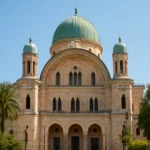
The Synagogue of Florence (Tempio Maggiore di Firenze) stands as a central hub for worship and study. Adjacent or nearby, the Museo Ebraico di Firenze preserves a wealth of artifacts and documents illustrating the long arc of Jewish life in the city—from medieval artisans to modern scholars. For visitors, a guided visit often combines the synagogue with the museum collections, offering insight into ritual objects, manuscripts, and everyday objects that tell personal and communal histories.
Jewish tours Florence frequently emphasize the synergy between Renaissance culture and Jewish scholarship, highlighting how Florentine Jewish families contributed to philosophy, science, and commerce even in challenging times. The city’s art, architecture, and archives provide a multidisciplinary lens on how memory is preserved and interpreted.
Milan: A modern hub with a storied past
Great Synagogue of Milan and the Jewish Museum
Milan’s Great Synagogue (Tempio Maggiore di Milano) is one of Europe’s architectural landmarks dedicated to Jewish life. Completed in the late 19th century, it reflects a period when Italian cities were rebuilding communal structures with dignity and visibility. The adjacent Jewish Museum of Milan houses a compelling collection that charts the complex history of Jewish communities across northern Italy and their contributions to Milan’s economic, cultural, and intellectual life.
Cemetery, synagogues, and contemporary life
A well‑timed stop on a Jewish tours Italy route is a visit to Milan’s historical cemeteries and smaller synagogues that remain active today. These sites illuminate daily rituals, lifecycles, and the enduring presence of Judaism within Milan’s diverse urban fabric. The city also serves as a gateway to Lombardy’s broader Jewish heritage, with librarians, scholars, and local guides ready to share niche stories about merchants, artists, and educators who enriched Italian Jewish culture.
Turin: An Alpine link in the Jewish storytelling
Tempio Israelitico and the Turin Jewish heritage
Turin (Torino) has long been an important center for Jewish life in the Piedmont region. The Tempio Israelitico di Torino stands as a symbol of emancipation and community organization in the 19th century, reflecting the broader Italian trend toward re‑establishing religious life within a modern municipal framework. A Turin Jewish tour often pairs the temple visit with an exploration of nearby neighborhoods where artisans and merchants once lived and traded.
Museo Ebraico di Torino and learning
The Museo Ebraico di Torino offers windows into the cultural and intellectual achievements of the Jewish communities connected to Turin. Exhibits traditionally cover religious practice, language, education, and daily life across different eras, helping visitors understand the regional diversity of Italian Jewry.
Livorno, Ferrara, and Trieste: Southern‑to‑northern threads of a broader tapestry
Livorno: A Sephardic hub on the Tyrrhenian coast
The city of Livorno (Leghorn) is renowned for its historical Port Jewish quarter and the long‑standing presence of the Congregazione Ebraica. The synagogue in Livorno is one of the oldest in Italy, reflecting a vibrant Sephardic tradition that shaped commerce and culture along the Italian coast. A Jewish tour in Livorno allows visitors to appreciate the architectural mix of the synagogue complex, the old ghetto streets, and the stories of families who contributed to the Italian diaspora.
Ferrara: The Ghetto that testifies to a resilient community
Ferrara’s ghetto is a well‑preserved emblem of historical Jewish life in northern Italy. The city’s small but meaningful network of synagogues and houses demonstrates how a Jewish community thrived within a feudal city and later integrated into the broader Italian state. A thoughtful walking path through Ferrara’s Jewish quarter can reveal traces of ritual life, commerce, and interfaith exchange that characterized the area for centuries.
Trieste: A cosmopolitan port city with a remarkable Jewish past
In the far northeast, Trieste hosts a remarkable Jewish story shaped by its status as a port linking Central and Southeast Europe. The city’s historic synagogues, a vibrant educational scene, and a legacy of tolerance and pluralism make Trieste Jewish tours especially engaging for visitors interested in cross‑cultural exchange and the experience of a border city with a rich literary and musical heritage.
Sicily and other regional notes: pockets of Jewish heritage
Palermo and the Sicilian legacy
Sicily preserves a distinct chapter of Jewish life in cities like Palermo and other Sicilian towns. The La Giudecca in Palermo reflects centuries of Jewish presence, often tied to Norman and later periods of convivencia—coexistence among faiths. While the scale of visible, active synagogues varies by era, a Jewish tour Italy that includes Sicily highlights how Jewish communities interacted with Arab, Norman, and Christian cultures, contributing to local art, science, and daily life.
How to plan an effective Jewish heritage tour in Italy
Choosing routes that balance major centers with hidden gems
For a well‑rounded experience, consider combining a few major cities (Rome, Venice, Florence, Milan) with a couple of regional stops (Turin, Trieste, Livorno, Ferrara). This approach creates a layered itinerary that reveals the evolution of community life, ritual practice, and architectural heritage.
Guided vs. self‑guided experiences
Guided Jewish tours in Italy can offer contextual depth, including:
Historical timelines and architectural explanations
Personal narratives from local guides or community members
Access to synagogues that may be reserved for religious services or private tours
A self‑guided route, supplemented with curated resources, can be flexible and allow time for reflection in museums and sacred spaces.
Best seasons and practical tips
The most comfortable months for visiting outdoor pedestrian streets and open synagogues are spring and early autumn. When voyage planning, check opening hours for museums and synagogues, which can vary by season or religious observance. Respect for religious spaces, dress codes, and photography rules should be observed. Whenever possible, travel with a small group or a licensed guide who can provide context about ritual objects, cantorial traditions, and community histories.
Key themes you’ll encounter on Jewish tours Italy
Ghettos as social centers: The way Jewish quarters functioned as hubs of learning, trade, and ritual life.
Synagogue architecture: From medieval synagogues in Venice to the grand Tempio Maggiore of Milan, architecture reflects the history and aspirations of communities.
Rites and rituals: Observances, holiday rites, and the craftsmanship of ritual objects tell intimate stories about daily life.
Emancipation and upheaval: The legal and social shifts that allowed Jewish communities to participate more fully in civic life—and the challenges they faced during periods of restriction and persecution.
Migration and memory: How people moved within Italy and beyond, and how museums preserve memory for future generations.
What to read and where to learn more
If you’re building a personal or academic itinerary around Italy Jewish heritage tours, consider supplementing on‑site experiences with reputable resources. Look for:
Official community websites and museums that host exhibits and tours.
Scholarly guides on the history of Italian Jewry, including its regional diversity and its role in broader European Jewish history.
Local synagogues and Jewish museums that offer multilingual materials and guided programs.
Preserving memory: respectful engagement with sacred spaces
Jewish heritage sites in Italy are living spaces for worship, study, and communal memory. When visiting, be mindful of:
Dress modestly and behave quietly in places of worship.
Seek permission before taking photographs inside synagogues or ritual spaces.
Respect the rules for access to archives, libraries, and museums, and follow local guides’ instructions.
Sample 7‑city itinerary: a practical plan for a comprehensive Jewish tours Italy experience
Rome: Start with the Ghetto, the Portico d’Ottavia, the Great Synagogue, and the Jewish Museum; add a stroll through the historic lanes that tell stories of Papal edicts and emancipation.
Venice: Move to Cannaregio to see the Ghetto Nuovo and Ghetto Vecchio, visit the Scoles, and explore the Venice Jewish Museum.
Florence: Explore the Ghetto di Firenze and the Florence Synagogue, then visit the Jewish Museum for a curated overview of Florentine Jewish life.
Milan: Tour the Great Synagogue, the associated Jewish Museum, and nearby historic synagogues and cemeteries for a modern‑age portrait of Italian Jewry.
Turin: Visit Tempio Israelitico and the local Jewish museum to understand Piedmont’s contribution to Italian Jewish life.
Livorno: Delve into Sephardic heritage along the coast and visit one of the oldest synagogues in Italy for a maritime‑tone chapter of the diaspora.
Trieste or Ferrara: Choose a northern cluster route that highlights cosmopolitan port life (Trieste) or the resilient ghetto (Ferrara).
Glossary of terms you’ll encounter on Jewish tours Italy
Ghetto: Historically, a district or quarter where a minority community was required to live; Italy’s ghetti (plural of ghetto) are central to understanding the evolution of Jewish urban life.
Sinagoga/Scola: A synagogue; the term Scola refers to a synagogue or study house in several Italian communities (Scola Italiana, Scola Tedesca, Scola Spagnola).
Tempio Maggiore: The main (great) synagogue in a city, often accompanied by a museum and educational spaces.
Museo Ebraico: Jewish Museum; these institutions preserve artifacts, documents, and educational exhibits about a community’s history and culture.
Portico d’Ottavia or other ancient structures: Architectural remnants that anchor the memory of a community’s daily life in the cityscape.
Final thoughts: embracing the breadth of Jewish heritage tours Italy
A thoughtful itinerary for Jewish tours Italy emphasizes not only monumental synagogues and well‑preserved ghettos but also the everyday life that made these communities resilient. From the papal era’s restrictions to the modern push for preservation and education, Italian Jewish heritage sites tell stories of adaptation, scholarship, and cultural exchange. Whether you are a history enthusiast, a student of religious studies, or simply a traveler seeking meaningful experiences, these heritage sites offer compelling narratives about how Jewish life has shaped and been shaped by Italian cities over many generations.
If you are planning a trip, consider coordinating with local Jewish cultural centers and museums to arrange private tours, talks, or special access to archives. The interplay of history, architecture, and living faith makes Jewish tours Italy a deeply rewarding journey—one that helps illuminate the ways in which communities preserve memory, adapt to changing circumstances, and continue to shape the cultural landscape of Italy.