Jewish New Year Honey Cake Recipe: Easy, Moist for Rosh Hashanah
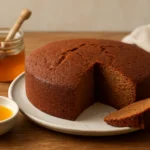
The Jewish New Year is a time of reflection, renewal, and sweet beginnings. A traditional way many families mark this holy season is with a slice of honey cake, a dessert that embodies the wish for a year filled with pleasant sweetness and good fortune. This article offers a thorough, approachable guide to a classic honey cake that stays moist, flavorful, and reliable—whether you are baking for a family dinner, a synagogue potluck, or a festive Rosh Hashanah spread. You’ll find a dependable classic honey cake recipe, plus numerous variations to accommodate dietary needs, ingredient availability, and personal taste.
In the pages that follow, you’ll discover not only a proven recipe but also practical tips on selecting honey, balancing spices, and achieving a cake with a tender crumb and a rich, inviting aroma. We’ll explore how different honeys influence color and flavor, how to adjust moisture, and how to adapt the batter to gluten-free, dairy-free, vegan, and low- or no-sugar preferences. The goal is a cake that remains moist for days, slices cleanly, and carries the seasonal symbolism of sweetness into the new year.
What makes a great Rosh Hashanah Honey Cake
A successful honey cake balances sweetness with spice, keeps a gentle moisture, and carries a deep caramel color without being heavy. Several elements contribute to the result:
Quality honey: The type of honey depends on your preference for aroma and depth. Wildflower and orange blossom honeys provide bright notes, while clover often yields a smoother sweetness. A little espresso powder or strong coffee dissolved in water is optional but can intensify the color and depth of flavor.
Oil-based batter: Using oil rather than butter keeps the crumb tender and contributes to long-moisture retention. This is a common feature in traditional honey cake recipes.
Warm spices: Cinnamon, ginger, and nutmeg evoke autumn flavors and the aroma of the season, enhancing the honey’s sweetness without making the cake cloying.
Moisture balance: A liquid component (orange juice, apple juice, or a dairy-free milk) helps the batter stay tender and prevents dryness as the cake rests or ages.
Acidic lift: A small amount of baking soda paired with baking powder can contribute to a light, even crumb rather than a dense texture.
Classic Easy Moist Honey Cake Recipe
Ingredients
Dry ingredients:
2 cups all-purpose flour (or a gluten-free blend if needed)
1 1/2 teaspoons baking powder
1/2 teaspoon baking soda
1/2 teaspoon salt
1 teaspoon ground cinnamon
1/4 teaspoon ground ginger
1/4 teaspoon ground nutmeg
Wet ingredients:
3/4 cup honey (choose a type you love; a darker honey will deepen color)
2 large eggs
1/2 cup neutral oil (canola, grapeseed, or light olive oil)
3/4 cup (180 ml) orange juice or apple juice
1/4 cup brown sugar (optional, for extra depth)
1–2 teaspoons vanilla extract (optional, for depth)
1–2 teaspoons coffee or espresso powder dissolved in 1–2 tablespoons hot water (optional, for color and depth)
Zest of 1 small orange (optional, for brightness)
Additional notes: For a moister texture, you can also fold in 1/4 cup applesauce or 1/4 cup plain yogurt (if dairy is acceptable in your kitchen).
Method
Preheat the oven to 350°F (175°C). Grease and flour a 9×5 inch loaf pan or line it with parchment paper for easy removal.
Whisk the dry ingredients (flour, baking powder, baking soda, salt, cinnamon, ginger, nutmeg) in a medium bowl until well combined.
Whisk the wet ingredients (honey, eggs, oil, juice, sugar, vanilla, coffee solution, zest) in a separate large bowl until smooth and emulsified.
Combine the wet and dry mixtures. Stir just until the batter comes together; the goal is a cohesive batter with no pockets of dry flour. Do not overmix, or the cake may become dense.
Pour the batter into the prepared pan. Tap the pan lightly to settle the batter and remove any air bubbles.
Bake for 50–60 minutes, or until a toothpick inserted into the center comes out with a few moist crumbs. If the top browns too quickly, tent the cake loosely with foil after about 30 minutes of baking.
Cool the cake in the pan for about 15 minutes, then transfer to a wire rack to cool completely before slicing. A rested cake often develops richer flavor as the crumb settles.
For a subtle glaze, mix 1 tablespoon of lemon juice with 1/2 cup of powdered sugar and brush it gently over the cooled cake. This glaze adds a light sheen and a touch more sweetness without overpowering the honey notes.
Variations for different dietary needs and preferences
Apple-Honey Flavor Variation
Why add apples? Apple components complement honey and cinnamon, enhancing the autumnal aroma typical of Rosh Hashanah celebrations. A practical approach is to substitute part of the liquid with unsweetened applesauce or to fold in finely diced apples for texture.
Replace 1/4 cup of orange juice with 1/4 cup unsweetened applesauce for extra moisture.
Fold in 1/2 cup finely diced peeled apples (apple chunks soften during baking and release aroma).
Keep the spice profile modest to avoid overpowering the honey: stick with cinnamon and a hint of nutmeg.
Vegan or Dairy-Free Version
If you prefer a vegan-friendly honey cake (or strictly dairy-free), you have two paths: either keep honey and replace eggs with a vegan egg substitute, or move toward a fully plant-based sweetener and egg substitute combination.
Replace eggs with 2 flax eggs (2 tablespoons ground flaxseed mixed with 6 tablespoons water per egg) or 1/4 cup applesauce per egg for moisture. In this recipe with 2 eggs, use 2 flax eggs or 1/2 cup applesauce total.
Use non-dairy milk (almond, soy, or oat) in place of orange juice if you need a dairy-free batter, or keep juice for brightness.
If you want a fully vegan substitute for honey, consider maple syrup or agave nectar in place of honey, adjusting the liquid slightly to preserve moisture. Note that the flavor profile will shift away from traditional honey cake, but it remains delicious and appropriate for many celebratory tables.
Gluten-Free Version
For a dependable gluten-free honey cake, use a gluten-free all-purpose flour blend in a 1:1 ratio with xanthan gum (if your blend doesn’t already include it). You may need to increase moisture slightly if the batter seems stiff.
Use 2 cups gluten-free flour blend with 1/2 teaspoon xanthan gum (if not already included in the blend).
Keep the moisture balance by ensuring the liquid components total at least 1 1/2 cups (juice plus any added applesauce or dairy-free yogurt).
Monitor bake time; gluten-free batters can bake a little faster or slower depending on the blend—start checking at about 45 minutes.
One-Bowl or Quick-Mix Version
If you prefer minimal cleanup, you can mix the entire batter in a single bowl. The key is to whisk the dry ingredients in first, whisk the wet ingredients in another small bowl, then combine briefly to form the batter, and bake as directed.
Spice and Add-Ins Variations
Beyond the core spices, you can customize the perfume of the cake:
Add orange zest or lemon zest for brightness.
Include a handful of raisins or chopped walnuts or pecans for texture (stir in at the end).
Sprinkle a bit of cardamom or clove for a spiced, festive aroma (use sparingly to avoid overpowering honey).
Tips for Moistness and Color
Achieving a cake that stays moist and develops a deep, inviting color is a common goal. Consider these practical tips:
Oil choice matters. A light, neutral oil keeps the crumb tender and promotes moisture retention compared with butter in this style of cake.
Honey volume affects both sweetness and browning. If you prefer less sweetness, reduce honey by up to 2 tablespoons and substitute with a little extra juice.
Liquid acidity helps tenderize. Orange juice brings a gentle acidity with citrus aromatics that pair beautifully with honey.
Resting time improves flavor. A day or two before slicing can deepen the sweetness and meld spices; if you can plan ahead, wrap the cooled cake tightly and store at room temperature for 1–2 days before serving.
Storage keeps the cake moist. Store wrapped well at room temperature for up to 4–5 days, or freeze wrapped for longer storage. Slices can be warmed gently for serving if desired.
Using Different honeys and flavor enhancers
The character of the honey you choose subtly shifts the cake’s aroma and color. Here are ideas to consider:
Choose a light honey for a more delicate aroma and pale crust, suitable for a milder flavor profile.
Opt for a dark honey for richer caramel notes and a deeper crust color.
Add orange zest or a splash of orange blossom water for a bright fragrance that pairs beautifully with honey.
Incorporate a small amount of ground coffee or espresso powder dissolved in hot water to deepen color and enhance the perception of sweetness without adding extra sugar.
While this honey cake is forgiving, you may encounter a few common problems. Here are practical fixes:
Dense crumb or cake that sinks in the center: Avoid overmixing and measure your flour accurately. Consider a touch more liquid (juice or applesauce) if the batter feels stiff.
Dry or crumbly slices: Ensure you measured wet ingredients correctly and avoided overbaking. A longer baking time can dry the cake; start checking at 45 minutes and test with a toothpick.
Cracks on top: A gentle surface tension forms when the batter expands; not a big issue, but covering with foil during the latter part of baking can prevent uneven browning if the top erupts quickly.
Uneven color: If the top browns too quickly, tent with foil after 25–30 minutes and consider lowering the oven by 25°F (about 15°C) for the last portion of bake time.
Storing, Serving, and Kosher Considerations
A well-made honey cake is as welcome at a Sunday family table as it is for a special holiday spread. Here are practical notes on serving and storage, with a nod to kosher considerations that matter during Rosh Hashanah.
Serving: Slice once fully cooled. Serve with tea, coffee, or a light fruit compote. A dollop of whipped cream is optional for non-dairy auditors who accept dairy on the table; otherwise, a simple dusting of powdered sugar or a glaze keeps it classic and elegant.
Storage: Keep the cake tightly wrapped at room temperature for up to 4–5 days. For longer storage, freeze slices individually or the whole loaf for up to 2–3 months; thaw at room temperature and refresh in a low oven for a few minutes if needed.
Kosher considerations: When preparing a Rosh Hashanah feast, ensure all ingredients are certified kosher if that is part of your practice. If you keep dairy and parve separates, be mindful of the ingredients you choose (e.g., avoid butter in favor of oil, use certified dairy-free or parve options as appropriate). Honey is inherently dairy-free and parve, but always check label certifications and production methods, especially for processed add-ins such as chocolate or toppings.
Make-ahead convenience: Honey cake often improves with age, so consider baking a day or two in advance and storing tightly wrapped to let the flavors mellow together.
Why this honey cake holds up year after year
The enduring appeal of a honey cake lies in its versatility and its symbolism. It is a dessert that travels well across generations and culinary backgrounds while staying rooted in tradition. The batter is forgiving enough for cooks of all levels, yet it rewards attention to detail with a cake that’s moist, aromatic, and memorable. A well-made honey cake can be a centerpiece for a family table or a thoughtful host gift during the Days of Awe and the festive season that follows.
Frequently asked questions about rosh hashana honey cake
Can I make honey cake ahead of time?
Yes. Honey cake often tastes better after it has rested for a day or two. Wrap well and store at room temperature. If you plan to keep it for longer, freeze it, then thaw slowly at room temperature.
What if I don’t have orange juice?
You can substitute with apple juice, or use a mixture of dairy-free milk and a splash of lemon or orange zest for brightness. The important thing is to maintain moisture and balance.
A traditional honey cake uses oil and does not require dairy. If you use butter instead of oil, it becomes a dairy-containing cake. If you observe a strict dairy-free rule, stick with oil and check other ingredients for dairy status.
Can I adapt this recipe for gluten-free diets?
Absolutely. Use a reliable gluten-free flour blend in place of all-purpose flour. Some blends require a small amount of xanthan gum if not included. Keep an eye on moisture since many GF flours differ in absorption; you may need to adjust the liquid slightly.
A well-made honey cake embodies the sweetness of a new year and the warmth of family gatherings. From a dependable classic honey cake recipe to creative variations—whether you need dairy-free, vegan, gluten-free, or simply a tweak in flavor—you now have a comprehensive guide to bake with confidence. The cake’s humble batter, enriched with honey and spices, offers a canvas on which you can paint your personal traditions, messages of hope, and the aroma of a season that invites renewal. May your Rosh Hashanah table be filled with great taste, good company, and sweet beginnings.