Jewish Potato Pancakes Latkes: The Ultimate Guide to Classic Latke Recipe
Overview of latkes and the enduring appeal of the potato pancake
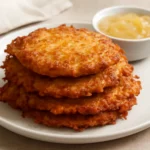
Latkes, also known as potato pancakes in English, are a cornerstone of Jewish cuisine and a symbol of homey comfort during celebrations such as Hanukkah. These crisp-edged, tender-centered fritters are traditionally made from shredded potatoes, onion, eggs, and a binding agent that helps them hold together while frying in hot oil. The result is a savory flat cake that satisfies the aroma of fried foods and the warmth of family gatherings.
While you may encounter regional twists, the core concept remains the same: grate or finely shred potatoes, remove excess moisture, bind with eggs or a dairy-free alternative, and fry until the edges are deeply golden and the inside stays soft. The joy of latkes lies in the contrast between the crisp exterior and the melt-in-your-mouth interior, a texture many cooks chase with practice.
This article serves as a comprehensive guide to the classic latke recipe and its many variations. Whether you are preparing for a traditional Hanukkah spread or simply craving a hearty potato pancake seasoned just right, you’ll find practical advice, safety tips, and ideas to adapt these potato pancakes to different dietary needs and flavor preferences.
Historical context and cultural significance
The origins of latkes are tied to Eastern European Jewish communities, where grated vegetables fried in oil were common ways to stretch simple ingredients into satisfying meals. The association with Hanukkah grows from the holiday’s miracle narrative of oil lasting eight days; many families observed the miracle by frying something in oil and sharing it with others.
Across generations, latke culture fused practical cooking with ritual meaning. Today, families honor classic latke recipes as a bridge between memory and modern cooking. The same basic technique—grating starch, binding with eggs, and frying in oil—remains, but cooks around the world introduce their own twists, from the type of potato used to the choice of binder and oil.
In addition to its Hanukkah prominence, the potato pancake has become a versatile staple in many kitchens, enjoyed as a side dish, a snack, or a vegetarian main when loaded with toppings. The enduring popularity of Jews’ potato pancakes is a testament to how simple ingredients can be transformed by technique and patience.
Classic latke recipe: ingredients and method
The classic latke recipe emphasizes a few essential elements: well-drained potato shreds, a light binding, and hot oil that creates a crisp crust without overcooking the interior. Here is a reliable foundation you can build on.
Ingredients
3 pounds russet potatoes, peeled
1 large onion, peeled
2 large eggs, lightly beaten
1/4 cup matzo meal or all-purpose flour (use gluten-free flour or potato starch for stricter gluten-free needs)
1 teaspoon kosher salt (adjust to taste)
1/4 teaspoon ground black pepper
Neutral oil with a high smoke point for frying (such as canola, peanut, or grape-seed)
Optional: 1–2 tablespoons chopped fresh herbs (parsley or chives) for aroma
Method (step-by-step)
Preparation: Grate potatoes and onion using a box grater or a food processor with a shredding disk. Work quickly to minimize browning of the potatoes.
Moisture management: Transfer the shredded potatoes and onion to a clean kitchen towel or a cheesecloth. Squeeze firmly to extract as much moisture as possible. The drier the mixture, the crisper the latkes will be.
Mixing: In a large bowl, combine the drained potato-onion mixture with the eggs, matzo meal (or flour), salt, and pepper. Mix just until the ingredients are evenly distributed. Do not overwork the batter, or the latkes may become dense.
Binding adjustments: If the mixture seems too loose, add a little more matzo meal or flour. If too stiff, add a splash of water or a beaten egg to loosen it slightly.
Frying setup: Heat 1/4 inch of oil in a heavy skillet (cast iron works well) over medium-high heat until a small drop of batter sizzles on contact.
Forming latkes: Scoop about 2–3 tablespoons of the mixture for each latke. Flatten gently into a disk around 1/4 inch thick. Keep the latkes uniform in size for even cooking.
Cooking: Fry until the edges are golden brown and the centers are firm, about 3–4 minutes per side. Do not crowd the pan; work in batches.
Draining and serving: Transfer the cooked latkes to a paper towel–lined plate to drain excess oil. Serve warm with toppings of choice.
Tips for success with the classic latke
Waterlogged potatoes ruin crispness. Ensure thorough drying after shredding.
Oil temperature matters. If the oil is too cool, latkes become greasy; if too hot, they burn on the outside while remaining undercooked inside. Aim for around 350–375°F (175–190°C).
A light hand with the batter helps maintain crisper edges. Over-mixing can result in a dense, heavy latke.
Matzo meal is traditional and helps with binding; if using flour, consider a gluten-free alternative for dietary needs.
Equipment and kitchen setup for perfect latkes
Having the right tools makes all the difference in producing consistently crisp latkes. The following list covers essential items and practical tips.
Box grater or a food processor shredding disk for fast shredding of potatoes and onions
Heavy skillet or cast-iron pan for even heat distribution
Thermometer to monitor frying oil temperature
Spider strainer or slotted spatula for flipping and removing latkes
Paper towels or a clean kitchen towel to drain excess oil
Large mixing bowl and a spoon for combining the batter
Plate or tray lined with paper towels to keep finished latkes warm
Technique: heat, timing, and texture in potato pancakes
Mastery of latke technique comes from controlling three core variables: moisture, binder, and oil temperature.
Moisture control: As noted, removing moisture from the shredded potatoes is the single most important step for crispness. Excess moisture creates steam, which damages the surface texture.
Binder choice: Eggs are a traditional binder, but you can adjust the ratio if you’re cooking for vegan guests or if you prefer dairy-free latkes. Binders help hold the pancake together during flipping, especially when making larger latkes.
Oil management: The goal is a shallow fry that leaves a crisp crust without soaking the center. Maintain a steady temperature with occasional adjustments to the flame. If you notice smoking or a strong burnt smell, reduce heat and inspect the oil’s freshness.
Size and shape: Uniform size ensures even cooking. A crowding-free pan prevents temperature drops that cause soggy latkes.
Serving temperature: Latkes are best enjoyed hot and crispy, but they can be kept warm for a short while under a low oven and still retain texture if not over stacked.
Variations of latkes: exploring alternatives and seasonal twists
The latke family extends beyond the classic potato version. Here are several variations that respect the traditional spirit while accommodating flavor preferences, dietary needs, or seasonal produce.
Onion-enhanced latkes
Adding extra grated onion or caramelized onion to the batter intensifies sweetness and aroma. Some cooks also use a mix of white and sweet onions to balance sharpness with depth.
Sweet potato latkes and other root-based blends
Sweet potato latkes offer a natural sweetness and a different moisture profile. When using sweet potatoes, consider reducing moisture slightly or adding a touch more binder to keep them cohesive. You can also experiment with a mix of white potatoes and sweet potatoes for color and flavor variety.
Parsnip- or carrot-forward potato pancakes
Root vegetables like parsnips or carrots can be grated and mixed with potatoes to create vibrant, slightly sweeter latkes. These versions often require a touch more binder to maintain structure.
Vegetable-combo latkes (zucchini, beet, or cabbage)
For a lighter, vegetable-forward approach, consider a mix of shredded potato with zucchini or cabbage. Keep in mind these may release more moisture and require careful drying and a bit more binder.
Gluten-free and dairy-free variations
If you need gluten-free latkes, you can replace regular flour with matzo meal (for those who observe traditional dietary rules) or with gluten-free flour blends like chickpea, rice, or oat flour. To keep the batter cohesive in dairy-free versions, you may use an extra egg or a non-dairy binder such as ground flaxseed mixed with water. Some cooks also use arrowroot or potato starch to improve texture.
Cheesy or herb-forward latkes (parve or dairy-inclusive)
Some families enjoy a savory twist with grated cheese folded into the batter, or a sprinkle of fresh herbs. If you add cheese, treat these as a separate dairy dish to avoid mixing meat and dairy in the same meal, in keeping with kosher guidelines. Herbaceous variations—parsley, chives, dill—provide a bright lift to the classic flavor profile.
Air-fryer and baked latke alternatives
For a less oil-intensive option, consider air-frying or baking latkes. An air fryer can produce very crispy edges with less fat, while the oven method is practical for large batches. Expect slightly different textures, with baked latkes tending to be a bit less crisp than pan-fried versions.
Traditional accompaniments emphasize contrast: a tangy, bright delivery that balances the richness of the fried potato pancake.
Sour cream for creaminess and acidity
Applesauce for sweetness and a classic pairing
Herbed yogurt or crème fraîche for a lighter dairy option
Smoked salmon or gravlax for a savory, protein-rich topping
Chopped chives or green onions for a fresh finish
Grated lemon zest or a squeeze of lemon juice to brighten the taste
For a Hanukkah spread, latkes can be served as an appetizer or main along with other traditional dishes such as gelt, sour cream, and apple sauce. You can also create a latke bar with a selection of toppings to let guests customize their own potato pancakes.
Pairings by flavor profile
Classic potato latkes with onion: pairs well with sour cream and applesauce
Sweet potato latkes: complement with a savory yogurt dip or a tangy herb sauce
Beet- or carrot-latke blends: go well with a lemon-dill yogurt or a light aioli
Plating ideas
Stack latkes in a warm serving dish with a dollop of topping on each
Line a serving platter with fresh herbs for color and aroma
Offer dipping sauces in small bowls for a tapas-style presentation
Storage, reheating, and make-ahead tips
Latkes are best eaten fresh, but you can store and reheat them with careful handling to preserve crispness.
Cooked latkes can be cooled completely and stored in the refrigerator for up to 3 days. Reheat in a hot skillet or oven to restore crispness.
Uncooked batter can be prepared and refrigerated for up to 24 hours, but be mindful of moisture release over time.
For freezing, freeze raw formed latkes on a sheet tray, then transfer to a bag. Fry from frozen, adding a minute or two to the cooking time.
Safety considerations and cooking tips
Working with hot oil requires care. Follow these safety practices to minimize risk and ensure delicious results.
Use a deep but narrow pan to minimize oil splatter and maintain a consistent temperature.
A temperature-controlled burner helps keep oil within the optimal range.
Keep a fire extinguisher or baking soda nearby in case of oil flare-ups.
Avoid adding too many latkes at once—overcrowding cools the oil and produces soggy results.
Let oil cool completely before disposing of it or storing for reuse.
Frequently asked questions about latkes and potato pancakes
What type of potato is best for latkes?
Starchy potatoes such as russet potatoes yield crispier latkes due to their high starch content and low moisture. A blend with all-purpose starch can also work well.
Can latkes be made without eggs?
Yes. For a vegan or egg-free version, use an adequate binder such as unsweetened applesauce, mashed potatoes with tapioca starch, or a flaxseed meal mixture (1 tablespoon ground flaxseed + 3 tablespoons water per egg substitute).
How long do latkes stay crisp?
Latkes are crispiest right after frying. If you must hold them, keep them warm in a low oven (200°F/90°C) on a rack so air can circulate and crispness is maintained.
Is there a traditional Hanukkah recipe difference?
Traditionally, latkes are fried in oil to honor the miracle of oil in Hanukkah. The core technique stays the same, but families may adapt the recipe with different binders or vegetables depending on taste and dietary practice.
Glossary of terms
Latkes: Jewish potato pancakes, typically fried in oil.
Hanukkah: Jewish festival of lights during which latkes are commonly enjoyed.
Matzo meal: A kosher, unleavened product used as a binder in latkes; commonly used in traditional recipes.
Parve or pareve: Foods that are neither meat nor dairy; latkes can be prepared pareve or dairy, depending on ingredients and dietary rules.
Shabbat: The Jewish Sabbath; latkes are often served as a weekend treat in some households.
Conclusion: embracing the classic latke while exploring new variations
The potato pancake is more than a recipe; it is a tradition that invites cooks to balance technique, memory, and creativity. The classic latke recipe provides a framework that yields a crisp exterior and tender interior, a texture that many find irresistible. With a foundation in traditional technique, you can explore a range of variations—from onion-rich versions to sweet potato blends, from gluten-free adaptations to oven-baked alternatives—while keeping the spirit of the dish alive.
Whether you are cooking for Hanukkah or a weekend brunch, latkes offer a flexible canvas for culinary expression. By focusing on moisture management, a proper binder, and precise frying, you can consistently produce delicious potato pancakes that honor the history of this iconic Jewish dish and delight modern palates alike.
In this guide, you’ve learned how to select ingredients, master the technique, and experiment with variations that respect tradition while inviting novelty. May your kitchen be warm, your latkes be crisp, and your celebrations be filled with joy, flavor, and togetherness.