Jewish Potatoe Pancakes: Classic Latke Recipe and Tips
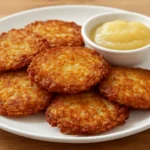
Few foods symbolize comfort, family, and seasonal celebration quite like the humble latke. These potato pancakes have a storied history in Ashkenazi Jewish cuisine, where they appear on winter tables, especially during Hanukkah celebrations, but they’re beloved year‑round. The beauty of a latke lies in its balance: the shredded potato and onion form a crisp crust that yields to a tender, softly seasoned interior. When prepared with care, the traditionally fried latke achieves that coveted crisp edge and a moist center that can stand up to toppings or sauces. In this article, you’ll find a comprehensive, practical guide to making classic latkes, along with a spectrum of variations, tips, and troubleshooting methods to help you master this iconic dish.
What are latkes? History, terms, and tradition
The dish known to most at the table as latkes is a fried potato pancake rooted in Ashkenazi Jewish cuisine. In Hebrew, the plural form is levivot or livot, but in English, latkes is the term that has endured. The most widely celebrated version uses grated potatoes, onion, eggs, and a binding agent such as flour or matzo meal. The result is a budget‑savvy, crowd‑pleasing dish that shines during holiday meals and Shabbat suppers alike.
Historically, latkes appeared in Jewish communities across Eastern Europe where pantry staples—potatoes introduced from the Americas, eggs from local farms, and flour or matzo meal—could be transformed into a nourishing staple. The association with Hanukkah is linked to the holiday’s themes of oil and victory, which made fried foods become a symbolic and delicious choice. Today, latkes have traveled far beyond their origin, adopted by home cooks and chefs around the world who enjoy modern riffs as much as traditional methods.
Classic latke recipe: ingredients and equipment
Below is a reliable, traditional approach to the classic latke. It emphasizes a balanced ratio of potato to onion, a robust binding agent, and a cooking method that yields crispy edges with a flavorful interior.
Ingredients
Potatoes: 2 pounds (about 4 medium russet potatoes) — starchy varieties work best for a crisp crust.
Onion: 1 small to medium onion, finely grated or minced for flavor and moisture.
Eggs: 2–3 large eggs to help bind the mixture.
Binding agent: 2–3 tablespoons flour or matzo meal (use gluten-free option to keep it dairy‑free and gluten‑free); adjust to achieve a cohesive batter.
Seasoning: Salt and pepper to taste; optional pinch of garlic powder or paprika for extra depth.
Oil for frying: neutral oil with a high smoke point, such as canola, peanut, or sunflower.
Optional binders or mix‑ins: a tablespoon of cornstarch for extra crunch, or a handful of chopped fresh herbs (parsley, chives) for brightness.
Equipment
Box grater or food processor with shredding attachment to grate potatoes and onion efficiently.
Large mixing bowl and a fine‑mesh sieve or clean dish towel for draining moisture.
Nonstick skillet or cast‑iron pan for even browning and easy turning.
Slotted spoon, spatula, and a plate lined with paper towels for draining excess oil.
Optional: spoon or ring mold for uniform portions.
Step-by-step method: how to make classic latkes
Prep the potatoes and onion: Peel the potatoes and grate them finely (or use a food processor). Grate the onion as well. Transfer the grated vegetables to a clean towel or cheesecloth and squeeze firmly to extract as much moisture as possible. This step is critical for achieving a crisp crust; excess moisture will steam the potatoes and produce soggy latkes.
Drain and rest: After squeezing, transfer the shredded vegetables to a bowl and let them rest for a few minutes. If you want, you can squeeze again or press with a clean towel to reduce surface moisture further.
Mix the batter: In a large bowl, whisk the eggs with salt and pepper. Add the grated potatoes and onions, then fold in the binding agent (flour or matzo meal). Gently combine until just cohesive; avoid overworking, which can make the latkes dense.
Test fry and adjust: Heat a thin coat of oil in a skillet over medium heat. A small portion of batter should sizzle when added. If the mixture is too wet and falls apart, add a little more binding agent; if too dry, add a splash of beaten egg or a teaspoon of water to moisten.
Fry the latkes: Form small patties—about 3 inches in diameter—onto the hot oil. Do not overcrowd the pan. Fry until the edges are golden and the undersides release easily, about 3–4 minutes per side. Flip carefully and cook the opposite side until deeply golden and crisp.
Drain and rest: Transfer the finished latkes to a paper towel–lined plate to drain excess oil. If desired, keep them warm in a low oven (about 200°F/95°C) while you fry the remaining batter.
Serve: Serve hot with traditional accompaniments such as sour cream or applesauce, or experiment with toppings that suit your taste and dietary preferences.
Tips for perfect latkes every time
moisture management: The secret to crisp latkes is removing as much moisture as possible from the potatoes and onion. Excess liquid leads to soggy results; the drier the mixture, the crispier the pancake.
oil temperature: Maintain a steady medium‑high heat (about 350–375°F / 175–190°C). If the oil is too cool, latkes will soak up fat; too hot, and the outside will burn before the inside cooks.
oil quantity: Use enough oil to come up about 1/4 inch around the edges of the latke. Proper submersion allows for even browning but avoid deep frying like a full fryer batch—this is still pan frying.
don’t crowd: Fry in batches to prevent temperature drop and to ensure each latke has room to crisp without steaming.
binding agents: Matzo meal provides a crispier bite and absorbs moisture effectively; flour gives a softer crust. For a gluten‑free version, rely on matzo meal or gluten‑free flour blends and consider adding a tiny bit of baking powder for lift.
flake test: If your latke batter cracks when you flatten it, you may need a touch more binding agent or a small amount of egg to assist cohesion.
finishing texture: For an extra crisp texture, you can finish finished latkes in a hot oven for 5–8 minutes after pan frying to dry any remaining surface moisture and set the shape.
Serving ideas and toppings for latkes
Latkes are incredibly versatile. While the traditional pairings of sour cream and applesauce are timeless, you can explore a range of savory and sweet accompaniments that suit different meals and dietary needs.
Creamy toppings: Sour cream, crème fraîche, or a tangy yogurt sauce with chopped chives.
Savory toppings: Smoked salmon or gravlax, crème fraîche, lemon zest, fresh dill, or shredded roast chicken for a heartier bite.
Herb and zest lifts: Fresh herbs (parsley, chives, dill) and grated lemon zest add brightness to the finished latkes.
Sweet accompaniments: Applesauce with a touch of cinnamon or a drizzle of maple syrup for a sweeter contrast.
Side dishes: Consider pairing latkes with roasted vegetables, a simple cucumber salad, or a garlicky kale sauté to build a well-rounded plate.
Variations of latkes: expanding the traditional repertoire
While the classic potato latke remains a staple, cooks around the world have created delightful variations that honor the spirit of this dish while accommodating different tastes, cuisines, and dietary needs. Here are several popular directions you can explore.
Sweet potato latkes
Substituting or combining sweet potatoes yields a subtly sweeter pancake with a vibrant color and a slightly creamier texture. You may want to reduce or omit the onion in this version to emphasize the sweetness. The match with warm spices like cinnamon and nutmeg can be delightful, especially when served with a dollop of yogurt or a drizzle of honey.
Incorporate a mix of root vegetables beyond potatoes—parsnips, carrots, or beets can be grated and used in combination with potatoes. The result is a mosaic of colors and flavors, with added sweetness and earthiness. A touch of grated garlic and fresh herbs can elevate the profile without overwhelming the potato base.
Parsnip and potato latkes
Parsnips bring a honeyed, slightly nutty sweetness to the batter. They pair particularly well with a robust onion, and the texture remains pleasantly crisp when fried in the same technique as classic latkes.
Cheese‑studded or cheese‑topped latkes
For a richer bite, fold in grated cheese into the batter or add a thin layer of cheese on top during the final flip. Cheddar, Gruyère, or a tangy feta crumble can create a delectable contrast with the potato and onion.
Gluten‑free and dairy‑free latkes
Use matzo meal or gluten‑free flour blends in place of wheat flour to keep the recipe accessible for gluten‑sensitive families. Use a dairy‑free oil for frying and dairy‑free toppings (e.g., dairy‑free sour cream or olive oil and herbs) to maintain a fully dairy‑free option.
Infuse the batter with fresh herbs (parsley, dill, chives) and spices (cumin, paprika, white pepper) to create a latke with a bold aroma and flavor that can pair with European, Middle Eastern, or Mediterranean sides.
Dietary adaptations and kitchen considerations
Gluten‑free options: Matzo meal or gluten‑free flour blends provide the binding and structure necessary for a sturdy latke.
Dairy‑free options: Fry in neutral oil and use dairy‑free toppings, such as cashew cream or coconut yogurt, for a non‑dairy experience.
Vegan adjustments: Use flaxseed or chia “egg” substitutes if you prefer a vegan binding; ensure your binding agent is plant‑based, and rely on the natural starches of the potato and onion for texture.
Low‑carb or alternative starch lattices: For those reducing starchy content, a blend of grated cauliflower and potato can be experimented with, but note that this changes texture and flavor significantly.
Latke technique: equipment and kitchen setup tips
The right equipment and a calm, organized kitchen help you reproduce consistent results. Here are practical tips to streamline the process.
Prep mise en place: Grate potatoes and onion and squeeze out moisture ahead of time; have eggs, binding agents, and seasonings measured and ready so you can blend quickly.
Pan choice: A heavy cast‑iron skillet or a good nonstick with a wide surface area ensures even browning and easy flipping.
Oil management: Use a neutral oil with a high smoke point and monitor the temperature with a thermometer if you have one; a steady, moderate heat yields optimal crusts without burning.
Crumb and texture control: For very crisp latkes, consider patting the formed patties with a light press before placing in the oil to remove surface moisture and create a flat, even surface for browning.
Frequently asked questions about latkes
Do latkes have to be perfectly round?
No. While round, evenly shaped latkes are traditional for presentation, you can make them small and irregular if you prefer. What matters most is the crisp, golden crust and the tender interior.
Can I make latkes ahead of time?
Yes. You can prepare the batter and refrigerate it for a few hours, then fry fresh. Alternatively, shape the patties ahead and refrigerate them on a tray before frying, though you should fry them soon after shaping for the best texture.
What is the best oil for latkes?
Neutral oils with high smoke points are ideal—canola, peanut, sunflower, or safflower. For a more traditional flavor, some cooks use a blend of olive oil and another neutral oil, but olive oil can burn more easily, so monitor heat carefully.
Why do latkes sometimes fall apart?
Excess moisture, insufficient binding, or over‑handling the batter can cause cracking or breaking. Ensure moisture is well removed, add binding agents as needed, and avoid overmixing.
Are latkes only for Hanukkah?
Not at all. While latkes are iconic during Hanukkah, they are enjoyed year‑round in many households and restaurants. They pair with a wide range of dishes and can be adapted to many meals.
Storage, reheating, and longevity
Latkes are best enjoyed fresh, but you can store and reheat them effectively with careful methods to preserve crispness and flavor.
Storage: Refrigerate cooked latkes for 2–3 days in an airtight container. For longer storage, freeze them in a single layer on a baking sheet, then transfer to a freezer bag once frozen.
Reheating: Reheat in a 375°F (190°C) oven on a wire rack or paper‑lined sheet for 5–10 minutes until heated through and crisp. Skillet reheating over medium heat can also re‑crisp the surface, but keep an eye on the edges to prevent burning.
Texture notes: The reheat method will influence texture; the oven method tends to preserve crispness more reliably than microwaving, which can soften the crust.
If you’re planning a latke‑focused meal, here are ideas to build a cohesive, flavorful spread that compliments the star potato pancake while honoring tradition and creativity.
Simple starter: A platter of warm latkes with a trio of toppings—sour cream, applesauce, and a lemon–yogurt drizzle—offers balance and choice for guests.
Herbed greens: A light side salad of arugula, cucumber ribbons, and dill can brighten the plate and cut through the richness of fried latkes.
Protein pairing: Smoked fish, roasted salmon, or roasted chicken with lemon and herbs aligns beautifully with the latkes’ earthiness.
Vegetarian/vegan options: Consider a creamy cashew sauce or a dairy‑free yogurt sauce to accompany the latkes for guests avoiding dairy.
Historical notes and cultural context
Latkes are a bridge between everyday cooking and ritual nourishment. Across generations, families have kept latke night traditions alive, sharing tips, grandmothers’ secrets, and a favorite pan or spice mix. This simple dish—potatoes, onion, egg, and a binding agent—has become a symbol of resilience, memory, and communal warmth. The recipes have adapted as they traveled—from Eastern European kitchens to diaspora communities around the world—yet the core idea remains the same: an affordable, satisfying, deeply comforting potato pancake that can be dressed in countless ways to fit any palate.
Safety and kitchen hygiene considerations
Because latkes are fried, it’s wise to consider kitchen safety and hygiene as you cook, especially when children are present or you are cooking in tight spaces.
Oil safety: Keep a careful eye on the oil’s temperature and avoid letting it smoke. Have a lid handy to smother small flareups if needed.
Cross‑contamination: If you prepare latkes with a dairy topping (like sour cream) and a non‑dairy topping (like applesauce) in the same kitchen, be mindful of cross‑contact for guests with dairy allergies or dietary restrictions.
Clean workspace: After shredding vegetables, wash your hands and work surfaces to minimize moisture that could cause slipping or splatter during frying.
Conclusion: celebrating tradition with a modern twist
Latkes—these Jewish potato pancakes—offer a tantalizing blend of tradition and adaptability. The classic recipe stands as a reliable foundation, while a wide range of variations invites experimentation, seasonal ingredients, and personal preferences. Whether you’re gathering for Hanukkah, hosting a Sunday brunch, or simply craving something crispy and satisfying, latkes invite sharing, conversation, and the simple joy of good food. With the guidance provided here, you can craft a perfectly balanced latke every time, achieving the much‑desired combination of crisp exterior and tender interior, all while enjoying the warmth of community and memory that this dish has long embodied.