Brisket is one of the most enduring symbols of Jewish home cooking, a dish that travels across generations from Shabbat tables to festive holiday meals. The hallmark is its slow braise until the meat becomes tender, deeply flavored, and almost creamy in texture. In Jewish kitchens, brisket is often the centerpiece of celebrations, offering a chance to gather, share, and pass down family stories as slowly as the meat itself. This article explores a comprehensive, traditional Jewish-style brisket that is slow-cooked, with variations to suit different holidays, palates, and kitchens. Whether you are new to this classic or seeking to refine a long-standing family recipe, you will find guidance, technique, and inspiration here.
The Jewish-style brisket is much more than a cut of meat; it is a historical, cultural, and culinary practice that emphasizes patience, family, and ritual-friendly preparation. The two key elements are:
Braising in a flavorful liquid until the connective tissue breaks down and the meat becomes tender.
Keeping dairy separate from meat during cooking, which leads to a naturally dairy-free (pareve) or meat-based foundation that suits the kashrut rules most families follow.
Beyond the method, flavor profiles in Jewish brisket vary widely. Some families favor a classic, onion-forward, tomato-free braise; others tilt toward a red-wine and tomato glaze; still others introduce prunes, apples, or cranberries for a subtle sweetness. All share a philosophy: a long, gentle cook that builds depth of flavor and yields meat that can be sliced neatly or pulled apart with a fork.
The way you choose and prep your brisket will influence texture, flavor, and the final appearance of the sauce. Here are practical guidelines to start with:
Brisket cuts: There are two common cuts—the flat cut (leaner, lean-to-fat ratio with a uniform shape) and the point cut (more marbling and a richer, juicier outcome). Many cooks blend both for balance, preparing separate batches, or choosing the flat for clean slicing and the point for a saucier effect.
Fat cap and trimming: Keep a modest fat cap to protect moisture during braising, but trim excess fat so the meat renders without swimming in grease. The goal is a flavorful braising liquid that isn’t overwhelmed by fat.
Size and portioning: A whole brisket typically weighs 3 to 6 pounds (about 1.4 to 2.7 kg). For even braising, trim to similar thickness and cut across the grain into generous, uniform chunks.
Seasoning: Kosher salt, black pepper, onions, garlic, and aromatic herbs form a classic base. You can build flavor with tomato paste, red wine, beef stock, and sweet additions like prunes or raisins, depending on the preferred style.
Liquid choice: A braising liquid often includes a combination of stock (beef lagniappe), red wine, and a hint of acid such as tomato or vinegar. For Passover or other occasions, you may omit ingredients that contain leavening or dairy and adjust accordingly.
Traditional oven-braised brisket: step-by-step
The classic Jewish-style brisket is built around a long, slow oven braise. Below is a trustworthy, traditional approach that yields a deeply flavored, tender dish suitable for Shabbat or holiday tables.
Ingredients
Brisket (flat, point, or combination) 3–6 pounds (1.4–2.7 kg)
Onions 2–4 large, sliced
Garlic 4–6 cloves, minced
Tomato paste or crushed tomatoes (optional, for tomato-forward braises)
Beef stock or water
Red wine (optional, 1 cup) or additional stock
Thinly sliced carrots (optional)
Bay leaves 2–3, and fresh thyme or rosemary
Salt, pepper, paprika or chili flakes for warmth (to taste)
Olive oil or neutral oil for searing
Prunes, raisins, or apples (optional, for sweetness variations)
Method
Preheat your oven to 325°F (165°C).
Season the brisket generously on all sides with salt and pepper. If desired, rub with garlic powder, paprika, or coriander for a subtle spice note.
In a large Dutch oven or heavy braising pot, heat a thin layer of oil over medium-high heat. Sear the brisket until deeply browned on all sides, about 5–7 minutes per side. Remove and set aside.
In the same pot, add onions and a pinch of salt. Cook slowly, scraping up browned bits, until onions are deeply caramelized (about 10–15 minutes). Add garlic and cook for an additional 1–2 minutes.
Incorporate tomato paste (if using) and cook it briefly to bloom its flavor, then stir in red wine (if using) and scrape any remaining fond from the bottom of the pot.
Return the brisket to the pot, arrange carrots around it if using, and add enough beef stock to come halfway up the sides of the meat. Add bay leaves and herbs.
Bring to a simmer, cover, and transfer to the oven. Braise at 325°F (165°C) for 2.5 to 3.5 hours, depending on thickness. The brisket is done when it is fork-tender and pieces can be cut with minimal resistance.
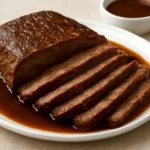
Remove from oven and let rest, covered, for 20–30 minutes before slicing. Slice across the grain for the most tender result. Spoon the onions and braising liquid over the slices and serve.
Do not hurry the browning. A deep, even maillard browning adds layers of flavor that are essential to a Jewish-style brisket.
If your braising liquid is too salty, balance with a little water or unsalted stock. If it is too thin after braising, simmer uncovered to reduce and intensify the sauce.
For a glossier glaze, finish by uncovering the pot in the last 30 minutes and allowing the liquid to reduce slightly.
Alternative methods: stovetop, slow cooker, and Instant Pot
Not everyone has an overnight oven window to braise. The Jewish tradition embraces flexibility, and there are several reliable methods that maintain the spirit of a slow-cooked brisket.
Stovetop braise
Use a heavy pot with a tight-fitting lid. After searing, reduce the heat to low and braise on the stovetop for 3.5 to 4.5 hours, checking occasionally to ensure the liquid remains at a gentle simmer. Turn the meat halfway for even cooking.
Slow cooker variation
Layer onions in the bottom, add browned brisket on top, then pour braising liquid over. Cook on low for 8–10 hours or on high for 4–6 hours. This method is exceptionally forgiving and convenient for families juggling multiple dishes on Shabbat or holidays.
Instant Pot or pressure cooker version
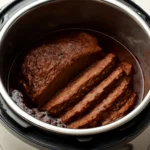
Sear the meat using the sauté function, remove, then sauté onions. Add garlic, tomato paste, and wine or stock. Return the brisket, seal the pot, and cook at high pressure for 60–75 minutes, followed by a natural release for 15–20 minutes. Finish with a quick simmer on the sauté function if you want the sauce thicker.
Flavor variations and semantics: how to tailor your brisket
While the base technique remains the same, variation is where you can tailor a brisket to any occasion or family preference. Here are several widely loved directions:
Sweet and tangy prune-and-apricot glaze
Add prunes and/or apricots to the braising liquid. The natural sweetness complements the beef and onions. A splash of orange juice or a teaspoon of honey can round the sweetness without overpowering the savory notes.
Optional: finish with a glaze built from pan juices reduced with a bit of balsamic vinegar for a glossy finish.
Tomato-forward braise with red wine
Replace part of the stock with crushed tomatoes or tomato sauce for a more robust, tomato-based braise. Red wine or pomegranate juice can deepen acidity and balance.
Herbs such as thyme, bay, and a touch of smoked paprika bring warmth and depth.
Wine-free and dairy-free braises
For those avoiding alcohol or dairy, increase stock and use a splash of red grape juice or pomegranate juice to preserve acidity and brightness.
Layer aromatics with extra onions, garlic, and a halved lemon or zest to introduce brightness without dairy or wine.
Spiced and smoky variations
Introduce warmth with cumin, coriander, and paprika. A smoky version may employ a touch of chipotle in adobo for a subtle heat.
Finish with a ring of mustard or horseradish sauce on the side to add a zing that cuts through fat and enriches the savoriness.
Herb-forward and pepper-kissed
Richer herb blends (thyme, rosemary, marjoram) and coarsely cracked pepper create a bright, garden-fresh profile that stands out on the plate.
Passover considerations: keeping it appropriate and delicious
For Passover, brisket is a natural and beloved centerpiece because it is inherently kosher-friendly when prepared with proper supervision and matzoh-friendly sides. Here are notes to keep in mind:
Chametz-free preparation: avoid any ingredients that contain leaven or leavening agents. Use matzo meal only if appropriate for the particular observance and family tradition, and ensure it is properly supervised and used in a way that aligns with local guidelines.
Dairy-free by default when cooking meat, which aligns with strict kashrut practice. If a dairy-free glaze or sauce is preferred, opt for olive oil, tomato-based glazes, or fruit reductions that do not rely on dairy.
Wine: if you use wine in Passover, ensure it is kosher-certified and acceptable under your tradition’s guidelines.
Plan family-style sides that stay within Passover rules and complement the braised, deeply savory meat—think roasted vegetables, soft-glazed onions, or potato kugel prepared in a kosher kitchen.
Make-ahead, storage, and reheating tips
Brisket thrives with time. The flavors deepen with resting, and leftovers are often even better the next day. Consider these practical tips:
Make-ahead: Braise the brisket a day in advance; refrigerate in the braising liquid. The fat will rise to the top and can be skimmed off before reheating, resulting in a cleaner, richer sauce.
Storage: Store covered in the refrigerator for up to 3–4 days. Freeze individual portions for longer-term storage, ideally in the braising liquid.
Reheating: Reheat slowly in a covered pan in the oven at a low temperature (300–325°F / 150–165°C) or gently on the stovetop with added stock to re-emulsify the sauce. Refrain from boiling, which can toughen the meat.
Serving ideas and side recommendations
A successful brisket is not only about the meat; it’s about the whole plate. Consider pairing and presentation:
Classic sides: soft egg noodles or mashed potatoes, potato kugel, roasted root vegetables, or matzo farfel pilaf, depending on the holiday and family tradition.
Greens: braised greens or a bright cucumber-dill salad provide contrast to the rich meat.
Sauces: keep a bold pan sauce on the side for those who want extra depth; a simple horseradish-dill sauce can add a sharp, refreshing counterpoint.
Jewish brisket manifests differently across communities and homes. Here are a few common stylistic flavors you may encounter:
Eastern European-influenced with onion-heavy braises and peppery notes, sometimes enriched with a splash of coffee for depth.
Matzo-friendly Passover brisket that omits dairy and uses matzo or matzo meal in a careful, traditional manner or simply relies on a reddened wine-and-onion base.
New-world twists featuring fruit glazes (prunes, apples, cranberries) and a touch of citrus to brighten the long braise.
Step-by-step quick-reference: a consolidated checklist
If you want a quick reference to keep on hand while cooking, use this condensed checklist:
Choose brisket cut and trim fat to a manageable layer.
Season generously with salt and pepper and optionally rub with aromatics.
Brown the meat deeply in a heavy pot to develop fond flavor.
Cook onions (and optional carrots) until caramelized; add garlic and any paste.
Deglaze with red wine or stock, add braising liquid, herbs, and spices.
Return brisket to the pot, cover, and braise in a low oven or on the stove until tender (2.5–4 hours depending on method).
Rest before slicing; serve with onions and pan sauce.
Frequently asked questions about Jewish-style brisket
How long should brisket braise for optimal tenderness?
Most classic oven-braised briskets become tender after 2.5 to 3.5 hours at a moderate heat (325°F / 165°C). Larger, thicker pieces may take longer. If you are using a slow cooker or pressure cooker, follow device-specific guidelines and check for tenderness at the lower end of the suggested range, adjusting as needed.
Can I make brisket ahead and reheat without losing texture?
Yes. Brisket often tastes better after a night in the braising liquid. Reheat slowly to preserve moisture and allow the sauce to re-emulsify. If the meat seems dry, add a splash of stock or braising liquid while reheating.
Absolutely. Substitute red grape juice or pomegranate juice for wine, and ensure there is enough acidity with tomatoes or a splash of citrus to keep brightness. The result remains deeply flavorful with the right balance of aromatics and stock.
What is the best way to slice brisket?
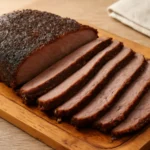
Always slice across the grain for tenderness. The grain direction can shift toward the end of the cut, so adjust as you cut to maximize tenderness in each slice.
Final notes: accessibility, tradition, and kitchen wisdom
A Jewish-style brisket is more than a recipe; it is a practice of patience and generosity. The technique invites adaptations, whether you are a family cooking for Shabbat, hosting a holiday meal, or sharing a comforting weeknight dinner. The core principle remains the same: build flavor through browning, layering aromatics, and letting the meat slowly surrender to heat and time.
Whether you choose the classic oven-braised path or adapt to a slow cooker, Instant Pot, or stovetop method, you will find that the presence of onion sweetness, the depth of umami-rich braising liquid, and the tactile tenderness of braised brisket come together to create a dish that feels deeply Jewish in spirit: patient, communal, and comforting.