Best Jewish Beef Brisket Recipe: A Slow-Cooked, Tender Classic for Any Jewish Table
Beef brisket is more than a dish—it’s a centerpiece of family gatherings, a traditional favorite for holidays, and a comforting weeknight staple. The best Jewish beef brisket recipe balances rich flavor with fall-apart tenderness, achieved through a deliberate slow-cooked braise that breaks down connective tissue and concentrates depth. Whether you’re cooking for Shabbat, Rosh Hashanah, Hanukkah, or simply a Sunday family meal, this timeless method yields a succulent, braised brisket with a glossy, savory sauce and onions that dissolve into sweetness. In this guide, you’ll find a comprehensive, adaptable approach—plus several delicious variations—to create the classic brisket that can be called the best by your own kitchen standards.
What makes this the best Jewish brisket recipe
The enduring appeal of a standout brisket rests on three pillars: quality meat, balanced braising liquid, and a method that allows flavor to deepen while the meat remains moist. This article teaches a reliable approach that you can adjust based on taste, equipment, and tradition. You’ll learn how to:
select the right cut (flat vs. point) and prep with proper trimming
sear to develop maillard flavor before braising
braise low and slow to achieve tender, melt-in-your-mouth beef
build a richly flavored sauce that clings to every slice
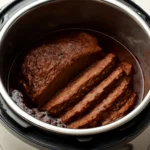
adapt the method for different cooking vessels (oven, slow cooker, Dutch oven, or pressure cooker)
apply variations that honor tradition while expanding flavor horizons
Core ingredients and equipment
Choosing high-quality ingredients is the first step toward a best-in-class brisket. The following list outlines essential items and practical options for substitutions.
Primary ingredients
Beef brisket, 3–5 pounds (about 1.4–2.3 kg). Decide between flat cut (uniform thickness, leaner) or point cut (richer, more connective tissue, juicier). For the most traditional texture, many cooks favor a well-marbled point or a blended brisket.
Onions, sliced (yellow or white) — the backbone of the braise; they caramelize and contribute sweetness.
Garlic, minced or pressed — adds depth and aroma.
Carrots and optional celery — classic mirepoix-like aromatics that sweeten the sauce.
Beef broth or stock (unsalted if possible) or a mixture of broth and water.
Red wine (optional) or grape juice for acidity and richness; many cooks prefer a robust red (merlot, cabernet, or syrah).
Tomato paste (for depth and color) or crushed tomatoes for a braise with a subtle sweetness.
Worcestershire sauce or a kosher alternative for savoriness and umami.
Herbs: Bay leaves, thyme, and parsley stems for flavor infusion.
Seasoning: Kosher salt, freshly ground black pepper, paprika, and optional ground coriander or smoked paprika for warmth.
Optional glaze or finishing liquids: brown sugar, honey, balsamic vinegar, or pomegranate molasses to finish with a shiny, sweet-sour glaze.
Optional ingredients for variations
Coffee or espresso in the braising liquid for a subtle roasted note.
Olives or capers for a briny contrast.
Tomato products (crushed tomatoes or passata) for a richer, more tomato-forward braise.
Fresh citrus zest (orange or lemon) or a dash of pomegranate juice for brightness.
Fresh herbs (rosemary, thyme, or oregano) for varied aroma profiles.
Equipment and vessels
A sturdy Dutch oven or heavy-bottomed pot with a tight-fitting lid is ideal for oven braising.
A reliable slow cooker or multi-cooker (e.g., Instant Pot set to braise) for hands-off cooking.
A roasting pan or baking tray for initial searing, if using the oven method.
A thermometer to monitor internal temperature and ensure the brisket reaches ideal tenderness (often around 195–203°F / 90–95°C for melt-in-your-mouth texture).
Step-by-step method: the classic braise for a tender brisket
Below is a detailed, reliable workflow that emphasizes even cooking, moisture retention, and flavor depth. You can scale the recipe up or down depending on your needs and equipment.
Pat the brisket dry with paper towels to ensure a good sear. Remove excess fat, leaving a thin fat cap if possible to baste and protect the meat during braising.
Season generously with kosher salt and black pepper. For extra flavor, you can apply a quick rub of paprika and garlic powder.
Let the meat rest at room temperature for 20–30 minutes before searing to promote even cooking.
Searing for depth
Preheat a heavy pot or Dutch oven over medium-high heat and add a thin layer of oil with a high smoke point.
Place the brisket in the pot and sear on all sides until deeply browned, about 4–6 minutes per side. The goal is a caramelized crust that locks in juices and creates rich fond in the pan.
Remove the brisket and set aside. If there is excess fat in the pan, tip the pan to pour off some of the fat, but leave enough to flavor the base.
Building the braise
In the same pot, add onions and a pinch of salt. Cook, stirring, until the onions are caramelized and translucent, about 8–10 minutes. The onion sweetness will balance the meat’s savoriness.
Add garlic and cook for another 60 seconds until fragrant.
Stir in tomato paste and cook briefly to bloom the flavors; this step deepens color and complexity.
Pour in your chosen braising liquids: beef broth, wine or grape juice, and a splash of Worcestershire. Scrape up browned bits from the bottom of the pan to incorporate all the flavor into the sauce.
Return the brisket to the pot, fat side up if possible, and add carrots, bay leaves, and thyme. The liquid should come up about two-thirds of the meat’s height.
Bring the liquid to a gentle simmer, then cover and transfer to a preheated oven (325–350°F / 165–180°C) or set the slow cooker to low. The braise should run for 2.5–3.5 hours in the oven or 8–10 hours on low in a slow cooker, until the meat is fork-tender.
Resting and finishing the sauce
Once tender, remove the brisket from the braising liquid and let it rest for at least 15 minutes. This helps redistribute juices.
Strain the braising liquid into a saucepan and skim fat. Optional: reduce the liquid over medium heat to intensify the sauce, or whisk in a slurry of cornstarch or arrowroot to thicken to a glossy finish.
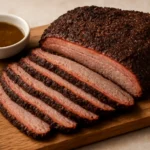
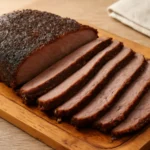
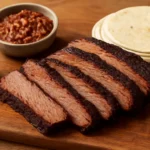
Slice the brisket across the grain for the most tender bite. If you used a point cut, you’ll see more marbling and juiciness; the flat cut yields neatly uniform slices.
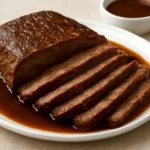
Return the slices to the sauce or spoon sauce over the meat for serving. For a polished finish, drizzle with a touch of glaze (see variations) and sprinkle with chopped parsley.
Variations: different paths to the best Jewish brisket flavor
One of the joys of brisket is its versatility. Below are several variations that all claim to be among the best Jewish beef brisket recipes, each offering a distinct regional or personal twist while staying true to tradition.
Classic onion-and-herb brisket (the traditionalist’s favorite)
Base: onion-forward braise with garlic, bay leaves, and thyme
Flavor lift: a touch of paprika and a small amount of tomato paste
Finish: simple, rich pan sauce that embraces the beef’s natural savoriness
Braised brisket with wine and aromatics
Use a robust red wine (e.g., cabernet) and a splash of beef stock
Enhance with carrot ribbons, celery, and a hint of rosemary for an elevated profile
Allow the sauce to reduce until glossy and cohesive
Espresso-beef brisket: a bold variation for the modern table
Incorporate a small amount of coffee or espresso into the braise for a subtle roasty note
Pair with a touch of dark brown sugar and a hint of cocoa powder for depth
Keep the wine light or omit if preferred; ensure the glaze remains balanced and not bitter
Sweet-sour glaze brisket
Finish with a glaze made from brown sugar, balsamic, and a splash of pomegranate molasses
Glaze the cooked brisket near the end of cooking or just before serving for a glossy finish
Great with roasted onions and sweet carrots on the side
Herb-forward brisket with citrus lift
Apply citrus zest (orange or lemon) to brighten the dish
Add fresh herbs such as thyme or rosemary for aroma
Use a light stock to keep citrus notes distinct
Choosing the right cut: flat vs. point, and how to trim
Understanding brisket anatomy helps you select the best cut for your braise and know what to expect in texture and juiciness.
Flat cut: Leaner, uniform thickness, easier to slice; great for a formal presentation or when you want consistent slices.
Point cut: More marbling, richer flavor, more forgiving if slightly overcooked; yields juicier slices with more natural gravy in the pan.
Trimming: remove excess hard fat but leave a thin fat cap if possible. This fat helps baste the meat as it renders.
Bulk vs portioning: If you have a larger family or plan leftovers, consider a mixed brisket for a balance of lean and marbled sections.
Kosher considerations and substitutions for Jewish kitchens
When cooking a kosher brisket, adjust ingredients and handling to align with dietary laws and family practice. Here are practical notes to keep the dish authentic while maintaining flexibility.
Ensure that all ingredients used are kosher, including wine. If a wine label is not certified, substitute with a validated red grape juice for a non-alcohol version or use a certified cooking wine.
Avoid non-kosher flavorings or broths; opt for vegetarian or beef broth labeled as kosher if needed.
For Shabbat planning, you may rely on a slow cooker set to a warm setting or a pre-cooked brisket that is reheated, in line with your tradition or guidance from your rabbi or community standards.
All equipment used should be kosher-certified if you maintain strict adherence. Some households keep separate utensils for meat and dairy; this guide assumes a meat-dominant kitchen for brisket cooking.
Make-ahead, storage, and reheating tips
A hallmark of great brisket is its ability to taste even better after resting, and often the leftovers are as cherished as the main event. Here are practical strategies to maximize yield and flavor.
Make ahead: Braise the brisket up to the point of resting; cool in the braising liquid, then refrigerate overnight. The flavors meld and the fat rises, making it easier to skim.
Storage: After cooling, store in the braising liquid in an airtight container for up to 3–4 days in the refrigerator or up to 2–3 months in the freezer.
Reheating: Reheat gently in the oven at 325°F / 165°C covered, or in a slow cooker on low. Keep the meat moist by reintroducing some braising liquid.
Leftovers: Slice thinly and use in sandwiches (brisket on rye is a classic), add to shakshuka, or reheat in a pan with onions for a quick meal.
Serving suggestions and accompanying side dishes
A well-made brisket is complemented by sides that echo its savory warmth while contributing brightness and texture. Here are some crowd-pleasing pairings.
Mashed potatoes or potato latkes for a comforting, hearty base.
Roasted root vegetables (carrots, parsnips, and sweet potatoes) seasoned with rosemary and olive oil.
Sautéed greens (kale, spinach, or chard) for color and a touch of bitterness to balance richness.
Beet or carrot salads with citrus and herbs to add acidity and freshness.
Herbed bread or challah to sop up sauce and juices.
Tips for perfect execution every time
Even experienced cooks benefit from a few practical reminders that help deliver a consistently flawless brisket.
Coat the meat well with salt and pepper at the start; don’t skimp on seasoning, as the braise intensifies flavors.
Maintain a gentle simmer during braising; a rolling boil can toughen the meat and evaporate aromatics too quickly.
If your oven runs hot, reduce the temperature by 25 degrees and extend the cooking time slightly to avoid drying out the meat.
Keep the lid on during most of the braise to trap moisture and steam, ensuring even tenderness.
Consider a two-stage braise: sear the meat, braise at a lower temperature for longer, then finish with a shorter higher-heat rest to re-tighten the texture and deepen the glaze, if desired.
Brisket has long held a honored place at Jewish tables around the world. Its prominence at Shabbat and holiday meals is tied to its ability to feed many with a relatively affordable cut, while the slow cooking process echoes the sabbatical rhythm of rest and preparation. The dish embodies heritage and community—a reminder that good cooking often travels through generations, evolving with new flavors and techniques while preserving a sense of shared memory.
Frequently asked questions about the best Jewish beef brisket recipe
Below are quick answers to common queries that home cooks have when embracing this classic dish.
How long does brisket take to braise? The typical oven-braised method takes about 2.5–3.5 hours, depending on thickness and cut. Slow cookers may require 8–10 hours on low.
What is the best cut for brisket? The point cut yields more marbling and juiciness, while the flat cut offers uniform slices. A blended brisket or choosing a higher-fat point cut can improve tenderness for many families.
Should I skim fat from the braising liquid? Yes, for a cleaner glaze. You can also use a fat separator to remove the excess fat after resting.
Can brisket be made dairy-free? Yes. Skip any dairy-based glazes and rely on reductions, olive oil, and fond to enrich the sauce.
Is there a Shabbat-friendly way to cook brisket? Some households prepare the brisket ahead of Shabbat and reheat using warmers or a slow cooker set to a safe, stable warming mode, depending on local guidelines.
Conclusion: the enduring appeal of a well-made brisket
There is a reason the best Jewish beef brisket recipe endures in Jewish kitchens across continents. It is not simply a dish; it is a ritual of patience, a celebration of togetherness, and a testament to how humble ingredients can become something deeply comforting and endlessly adaptable. From the most traditional onion-and-herb approach to bold variations that incorporate coffee, citrus, or pomegranate, this slow-cooked brisket invites experimentation while honoring a lineage of cooks who have perfected it over generations. Whether you are cooking for a Sabbath table, a festive holiday, or a family gathering, the technique described here will help you produce a brisket that is consistently tender, richly flavored, and worthy of the best judgments of your guests. With time-tested steps, practical variations, and thoughtful presentation, you can craft a brisket that becomes a cherished centerpiece—one that quietly speaks of heritage, warmth, and the joy of sharing a meal around a table.