Beef Brisket in an Instant Pot: Tender, Juicy, Easy Recipe
Whether you call it a brisket in the Instant Pot, a pressure-cooked beef brisket, or a quick-fire version of a classic braise, this method delivers the same goal: a cut that can be tough if mishandled becoming wonderfully tender and juicy with minimal hands-on time. In this guide, you’ll learn how to choose the right brisket, how to harness the power of your electric pressure cooker, and how to explore multiple flavor profiles so you can enjoy beef brisket in an Instant Pot across seasons and cuisines. The result is a meal that feels indulgent and comforting while still being practical for a weeknight or a weekend cookout-inspired dinner.
Why the Instant Pot shines for brisket
Fast yet forgiving: Traditional braises can take hours and require constant attention. The Instant Pot compresses time by building pressure, which helps the collagen in brisket break down more quickly, yielding a fork-tender result.
Consistent heat: The appliance controls temperature and keeps the cooking environment stable, reducing the risk of scorching or drying out the meat if you follow a sensible plan.
Versatility: From Texas-style coffee-rubbed brisket to an Asian-inspired miso-braised version, you can tailor the flavors with relative ease while maintaining a reliable texture.
Reduced kitchen mess: You brown, braise, and finish in the same pot, which minimizes pan washing and equipment clutter.
What you need: ingredients and equipment
Below is a practical, flexible shopping list. You can adapt based on what you have on hand, dietary needs, or preferred flavor direction. The key is to ensure there is enough liquid for pressure to build and a balance of fat, salt, acidity, and aromatics.
Essential ingredients
Beef brisket (about 3–4 pounds, ideally held as a flat cut with some marbling). If you only have a point cut, you can still use it, but expect a bit more trimming and a slightly richer sauce.
Salt and pepper (kosher salt recommended)
Oil for searing (neutral oil like canola, grapeseed, or light olive oil)
Beef broth or stock (about 2–3 cups) or a non-meat-friendly option like vegetable stock if needed
Onion, sliced
Garlic, minced or pressed
Optional aromatics: carrot, celery, bay leaves
A splash of acid to brighten the sauce (a bit of tomato paste, red wine, or balsamic works well)
Flavor boosters and variations
For a classic Texas-style brisket, use a dry rub with smoked paprika, black pepper, garlic powder, onion powder, and a hint of brown sugar.
For an Asian-inspired version, swap some beef broth for a splash of soy sauce and add ginger, garlic, and a touch of rice wine vinegar.
For a barbecue-style finish, stir in BBQ sauce or a glaze after pressure cooking, and give the meat a quick broil or high-heat finish in the oven (if your pot allows).
For a Latin-inspired profile, incorporate chipotle in adobo, cumin, and a squeeze of lime toward the end.
If you want to keep it gluten-free, ensure your sauce and any thickeners (like cornstarch) are gluten-free and avoid soy sauce unless it’s a certified gluten-free version.
Choosing the right brisket: cut, trim, and prep
Flat cut vs point cut
Brisket has two main components: the flat cut (leaner, broad and uniform) and the point cut (fattier, with more marbling). For the Instant Pot, most cooks prefer a flat cut for even cooking and clean slicing, though a point cut can yield extra flavor from the fat and a juicier final product. If you use a point cut, plan for trimming more fat and watching the moisture balance so the sauce doesn’t become overly greasy.
Trimming and prep
Trim excess fat, but leave a thin fat cap to protect the meat during pressure cooking and to contribute flavor during braising.
Remove the silver skin on the surface if present; this helps the flavors penetrate and the texture stay tender.
Pat the brisket dry to promote better searing. A good sear develops Maillard browning, which adds deep flavor to the final dish.
Season generously with salt and pepper, and apply any rub you plan to use. A dry rub with garlic, onion, paprika, and a touch of brown sugar is a reliable base for many variants.
Step-by-step method: from sear to serve
Prep and sear
Set your Instant Pot to the “Sauté” function. Add a thin layer of oil and let it heat.
Season the brisket on all sides. Sear the meat until deeply browned on all surfaces, turning as needed to avoid crowding. A good sear adds crust and depth of flavor.
Remove the brisket and set it aside. In the same pot, sauté sliced onions (and optional carrots/celery) until translucent and starting to caramelize. This creates a flavorful base for the braising liquid.
Deglaze the pot with a splash of broth or wine, scraping up the browned bits from the bottom. Those bits are packed with flavor and will dissolve into the sauce.
Pressure cooking times and liquid ratios
The Instant Pot relies on a precise balance of heat, time, and liquid. For beef brisket, a general approach works well:
Liquid: 1 to 1.5 cups of liquid is sufficient when you’re using the pot’s internal sealing and cooking rack. You usually want at least 1 cup of liquid for a 3–4 pound brisket if you’re braising with aromatics.
Cooking time (high pressure):
Flat cut: about 60–75 minutes
Point cut or thicker brisket: about 75–90 minutes
Natural release: 10–20 minutes, then quick release any remaining pressure. Natural release helps keep the meat moist by allowing the juices to reabsorb into the tissue.
Note: Some Instant Pot models and personal preferences call for a slightly longer or shorter time depending on the consistency you desire. If you prefer a more shredded texture for tacos or sandwiches, you might nudge toward the upper end of the time range. For sliceable, rack-like brisket slices, keep the time closer to the lower end and finish with a brief broil or a high-heat finish to firm the exterior.
Finishing and resting
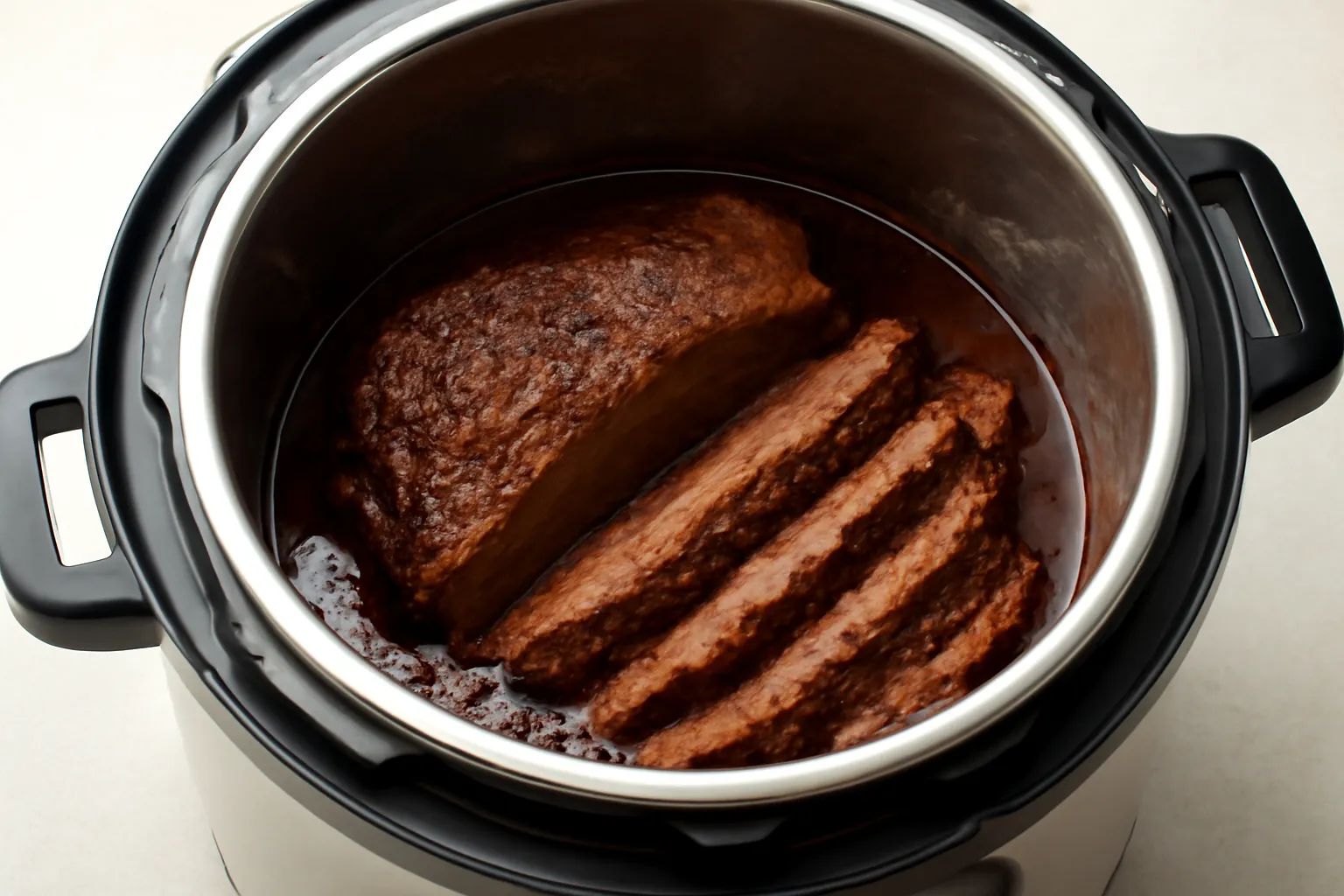
When the timer finishes, allow a natural release for 15–20 minutes, then vent carefully to release any remaining pressure.
Transfer the brisket to a cutting board. If you’d like a thicker sauce, set the pot to Sauté again and reduce the liquids to your desired consistency, whisking in a slurry of cornstarch or arrowroot as needed.
Slice the brisket against the grain for tender pieces. If you used the flat cut, the grain runs in one direction; with the point cut, you may need to assess the grain direction in different sections of the meat.
Serve with the pan juices as a rich gravy, or spoon the juices over the slices and finish with a light salt and pepper adjustment if needed.
Flavor profiles and culinary variations: making it your own
Texas-style brisket in an Instant Pot
Start with a robust dry rub that features smoked paprika, black pepper, garlic powder, onion powder, and a touch of brown sugar. After searing, deglaze with a splash of beer or beef broth, and finish with a spoonful of apple cider vinegar in the sauce to brighten the finish. The result is a brisket that carries that hallmark smoky aroma even without long smoking sessions.
Asian-inspired brisket in the Instant Pot
For an Asian-inspired take, swap a portion of the beef broth for low-sodium soy sauce or tamari, add ginger, garlic, and a splash of rice vinegar. A touch of sesame oil at the end gives a fragrant finish. You can also stir in thinly sliced scallions and sesame seeds just before serving for color and aroma.
Smoky, barbecue-forward variation
Use a barbecue sauce glaze after pressure cooking, or simmer the sauce on the Sauté setting with a touch of honey or maple for sweetness and a touch of heat. A final brush of sauce right before serving delivers a glossy finish that evokes oven-roasted brisket with much less time and effort.
Latin and Southwest-inspired brisket
Incorporate chipotle peppers in adobo, cumin, and a bit of lime juice to introduce a smoky, tangy finish that pairs well with cotija cheese and warm tortillas. This variant works well for taco night or a burrito bowl-style dinner.
Herb-forward, lighter finish
For a brighter profile, rely on fresh herbs like thyme and rosemary, and finish with a squeeze of lemon or orange. This version leans into a more delicate meat flavor while keeping the meat incredibly tender.
Troubleshooting and common issues
Meat is not tender after cooking: ensure you used enough pressure and your cooking time matched the cut’s thickness. If needed, perform an additional 10–15 minutes at high pressure and then natural release.
Brisket is too dry: this usually means the cut was too lean or the cooking time was insufficient. Consider adding a bit more liquid during cooking or using a fattier cut next time. Resting helps retain moisture.
Searing doesn’t brown deeply: make sure the pot is hot enough before adding the meat, avoid overcrowding, and let the meat sit on the surface long enough to form a crust before turning.
Too greasy: if you used a very fatty brisket, you can skim excess fat from the sauce after pressure cooking or use a leaner cut next time. Some fats will render into the sauce, contributing to flavor, but balance is key.
Flavor is flat: ensure you season well and deglaze the pot thoroughly to pull up the browned bits. A splash of acid (vinegar, wine, or citrus) can brighten the final dish.
Make-ahead, storage, and reheating tips
Makes ahead: this dish often tastes better after resting overnight as the flavors meld. When cooled, transfer to an airtight container and refrigerate up to 3–4 days.
Freeze: slices or shredded brisket can be frozen for up to 2–3 months. Reheat gently in a pan with a little stock or sauce to prevent drying.
Reheating: reheat in a skillet with a little broth, covered, or in the microwave with a splash of sauce to maintain moisture. If you have a sauce, adding it during reheating keeps the texture cohesive.
Batch cooking: you can prepare a larger batch to freeze portions for future meals, making it a convenient option for meal prepping or monthly meal planning.
Serving suggestions and accompaniments
The texture and flavor of beef brisket in an Instant Pot pair with a wide range of sides and toppings. Depending on your flavor profile, you can tailor the plate accordingly:
Classic steam-braised mashed potatoes or roasted potatoes to soak up the sauce.
Roasted vegetables such as carrots, Brussels sprouts, or a mix of root vegetables.
A fresh green salad with a bright vinaigrette to balance the richness.
Warm cornbread or soft tortillas for a heartier, comforting dinner.
For a more upscale presentation, serve with a light drizzle of the pan jus and a sprinkle of fresh herbs like parsley or cilantro.
Practical tips for beginners and seasoned home cooks
Always read your Instant Pot manual for safety checks and liquid requirements before a new recipe. Different models may have slightly different guidelines for minimum liquid amounts and venting.
Consistency is the friend of success. If you’re new to pressure cooking, start with a tested base recipe and then explore variations, adjusting times by 5–10 minutes if you have thicker cuts.
Consider the grain direction of the brisket when slicing. Slices should be cut against the grain for tender, easy-to-chew portions.
Use a thermometer if you’re uncertain. While time guides are helpful, internal temperatures for beef brisket are less critical than texture; you’re aiming for a tender pull-apart texture rather than a precise degree of doneness.
FAQ: quick answers for common questions
Can I use frozen brisket? Yes, but you’ll need to increase the cooking time by about 50% and ensure you have enough liquid to reach pressure. Thawing overnight is ideal for even cooking.
Can I make this dish with a slow cooker instead? Absolutely. Sear the brisket, then transfer to a slow cooker with the aromatics and liquid. Cook on low for 8–10 hours or high for 4–6 hours until tender.
What if I don’t have a sear function? Use a heavy skillet on the stovetop to brown the meat before adding it to the Instant Pot with the aromatics and liquid.
How can I reduce the fat content? Trim fat cap close to the meat, use a leaner brisket, and skim fat from the sauce after cooking.
Choosing a reliable approach for different occasions
Brisket in an Instant Pot adapts easily to different occasions, from a casual family dinner to a celebratory weekend feast. Here are a few scenario-driven approaches you might consider:
Weeknight dinner: a quick Texas-style rub, a shorter pressure time, and a simple potato or grain side. Use the natural release to keep the meat moist while you finish sides.
Meal prep: cook a large brisket block and portion it into individual containers with a cup or so of sauce. Reheat with a little broth to keep it moist.
Party platter: serve sliced brisket with a couple of sauce options (barbecue and mustard-based), and provide warm tortillas or crusty bread for a crowd-pleasing option.
Final thoughts: mastering beef brisket in the Instant Pot
Beef brisket in the Instant Pot is a practical, flavorful recipe that demonstrates the power of modern pressure cooking. The interplay of browning, aromatics, and controlled liquid creates a texture that’s close to low-and-slow braising but with a fraction of the time. Whether you refer to it as Instant Pot brisket, pressure-cooked brisket, or beef brisket in a pressure cooker, the core technique remains the same: brown deeply for flavor, braise with moisture and aromatics, maintain appropriate pressure, and rest before slicing to preserve juiciness. By choosing the right cut, adjusting the flavor profile to suit your mood, and following the flexible timing guidelines, you can consistently produce a brisket that is tender and juicy—a crowd-pleasing centerpiece that’s surprisingly approachable for cooks at any skill level.