Jewish Noodle Kugel is more than a side dish; it is a comforting tradition that has fed families through holidays, Shabbat meals, and everyday dinners alike. In many households, kugel is a bridge between generations, passing down simple, pantry-friendly ingredients and a method that yields a dish both nostalgic and reliably satisfying. This article offers an in-depth, authentic guide to making noodle kugel that stays true to tradition while embracing modern twists. Whether you prefer a sweet kugel studded with fruit and cinnamon or a savory kugel with onions and herbs, you will find clear steps, variations, and practical tips to achieve a perfect bake every time.
Jewish noodle kugel is a baked dish traditionally made with egg noodles, eggs, dairy (often cottage cheese, farmer cheese, and sour cream or cream cheese), and a touch of sweetener or savory seasonings. The texture ranges from custard-like to crisp on top, depending on the cooking method and pan choice. The origins of kugel lie in Ashkenazi Jewish kitchens, where stale bread or noodles were repurposed into a hearty, filling dish that could feed a crowd. Over generations, families adapted kugel to reflect seasonal flavors, regional ingredients, and dietary preferences, giving rise to a remarkable variety of variations that share a common, comforting essence.
Historically, kugel served as a practical way to stretch meals and to create a sweet finish or a savory, savory-sweet center dish that pairings well with brisket, braises, or grilled fish. Today, you will find endless interpretations—from the classic sweet kugel with raisins and vanilla to inventive takes that swap dairy for non-dairy milk or switch to gluten-free noodles. This article highlights both traditional methods and contemporary adaptations that stay faithful to the spirit of the dish.
Core Ingredients and Tools
A reliable kugel only needs a handful of pantry staples, but the way you combine them and the choices you make for dairy, sweetness, and texture determine the final result. Below is a practical guide to the core ingredients and the tools you’ll want on hand.
Noodles: Traditional egg noodles are common, but you can use wide ribbon egg noodles, or even gluten-free noodles if you prefer. The key is to choose a noodle that absorbs moisture without becoming soggy.
Creamy dairy elements: Common choices include cottage cheese, farmer cheese, and sour cream. Optional additions are cream cheese or ricotta for extra richness.
Eggs: Eggs act as the binder, giving structure and a custardy middle. Plan on roughly 2 large eggs per 8–12 ounces of noodles, adjusting for your pan size and whether you’re making a double batch.
Sweeteners and flavorings: Sugar (granulated or brown), vanilla, cinnamon, and nutmeg are common in sweet versions. Fresh lemon zest or orange zest adds brightness.
Savory add-ins: For a savory kugel, consider onions (caramelized or sautéed), garlic, herbs (parsley, dill, chives, or thyme), and salt and pepper.
Oils and fats: A dab of butter or oil helps with browning and moisture. Some cooks use a small amount of apricot jam or honey in sweet kugels for glaze-like sweetness.
Add-ins for texture: Raisins, dried cranberries, apples, or poppy seeds (if you enjoy the texture) can elevate both taste and appearance.
Equipment you’ll typically need includes a baking dish or casserole pan (commonly 9×13 inches or similar), a large mixing bowl, a whisk, a wooden spoon, and a grater or zester if you’re adding citrus zest. A shallow bake or a longer bake time will influence how the top browns; a metal pan usually crisps more, whereas a glass dish can lead to a softer center.
Recipes: Sweet and Savory Variants
Variant 1: Classic Sweet Kugel
The classic sweet kugel is a timeless dish that evokes family kitchens during holidays. It is creamy, lightly sweet, and often studded with raisins and a kiss of vanilla.
Preheat oven to 350°F (175°C). Grease a large baking dish with butter.
Cook noodles until just shy of al dente, drain well, and set aside.
In a large bowl, whisk eggs, sour cream, cottage cheese, farmer cheese, sugar, vanilla, and cinnamon until smooth.
Fold in the drained noodles, raisins, and lemon zest if using. Stir gently to combine.
Transfer to the prepared dish. Dot the top with small pieces of butter.
Bake for 50–70 minutes, or until the top is lightly browned and the center is set. If the top browns too quickly, cover loosely with foil.
Let rest for 10–15 minutes before slicing. Serve warm or at room temperature.
Variant 2: Savory Onion and Herb Kugel
The savoury kugel provides a different flavor profile that pairs beautifully with roasted meats and braises. The onions caramelize to a deep sweetness, balancing the eggy custard.
Ingredients
8 cups wide egg noodles or flat ribbon noodles
1 cup cottage cheese or 1 cup ricotta
4 large eggs
1 cup sour cream or yogurt
2 cups shredded cheese, such as cheddar or monterey jack (optional)
2 large onions, thinly sliced
3 tablespoons butter
2 cloves garlic, minced
Fresh herbs: parsley, dill, or chives, chopped
Salt and pepper to taste
Steps
Preheat oven to 350°F (175°C). Grease a baking dish.
Cook noodles until just shy of al dente; drain and set aside.
In a skillet, melt butter and sauté onions until deeply caramelized, about 15–20 minutes. Add garlic and cook briefly, then remove from heat.
In a large bowl, whisk eggs, sour cream, cottage cheese, and shredded cheese (if using). Stir in the caramelized onions and chopped herbs. Season with salt and pepper.
Fold in the noodles until evenly coated. Transfer to the prepared dish.
Bake for 40–55 minutes, until the edges are browned and the center is set. Let rest briefly before serving.
Variant 3: Dairy-Free or Non-Dairy Kugel
A dairy-free kugel can be just as comforting and flavorful, using non-dairy milk, unsweetened plant yogurt, and olive oil or margarine in place of dairy. This option is friendly for those with lactose intolerance or dairy-free diets while preserving the custardy texture with careful moisture balance.
Ingredients
8 cups noodles (egg noodles or gluten-free noodles)
1.5–2 cups unsweetened non-dairy milk (almond, soy, or oat)
2 cups non-dairy yogurt or silken tofu blended with water
4 large eggs
1/2 cup sugar (optional) or maple syrup to taste
2 teaspoons vanilla extract
1/2 teaspoon cinnamon
1/4 cup oil or melted coconut oil
Optionally raisins or diced apples for sweetness
Steps
Preheat oven to 350°F (175°C). Grease a baking dish.
Cook noodles until just shy of al dente, drain well.
In a blender or bowl, combine non-dairy milk, non-dairy yogurt or tofu mixture, eggs, sugar, vanilla, cinnamon, and oil until smooth.
Stir in the noodles and optional add-ins. Transfer to the dish.
Bake for 50–70 minutes, until the top is lightly browned and the center is set. Check for doneness with a knife at center; it should come out clean.
Variant 4: Gluten-Free Kugel
If you need to avoid gluten, you can use gluten-free noodles or substitute rice noodles or soba (made with buckwheat) depending on availability and taste preference. The dairy and egg components remain the same, though you may adjust liquid quantities slightly to account for different noodle absorption.
Gluten-Free Variant: Ingredients and Steps
8 cups gluten-free noodles
2 cups cottage cheese
4 large eggs
1 cup sour cream or dairy-free yogurt
1/2 cup sugar (optional)
1 teaspoon vanilla extract
1/2 teaspoon cinnamon
Butter or oil for greasing
Steps
Prepare as in the classic sweet kugel, but use gluten-free noodles. Monitor bake time; 45–60 minutes is common for a 9×13 pan.
Variant 5: Modern Twists and Seasonal Flavors
Modern cooks often seasonalize noodle kugel or introduce unique flavor boosters like poppy seeds, orange zest, or small fruit chunks. These twists can create a festive kugel suited for Rosh Hashanah, Passover, or casual gatherings.
Ideas for Seasonal Twists
Stir in apple chunks and cinnamon for a bright autumn kugel.
Boost citrus with lemon zest and a splash of orange blossom water for a floral, refreshing note.
Add poppy seeds or sesame seeds for texture and a subtle nutty flavor.
butter, brown sugar, and matzo crumbs for an additional crunch.
Step-by-Step Guide: How to Make Kugel
Whether you choose a classic sweet kugel or a savory version, a methodical approach helps ensure a creamy center and a crisp, golden top.
Preparation Before You Bake
Read through your recipe entirely. Gather all ingredients and pre-measure dry and wet ingredients for efficiency.
Preheat your oven to the recommended temperature and prepare a pan with butter or oil.
Cook noodles to the edge of al dente; they will continue to cook in the oven and absorb moisture from the custard. Drain thoroughly.
Baking Techniques for a Great Top and Center
For a crisp top, bake uncovered or broil briefly at the end, watching carefully to prevent burning. For a softer top, cover with foil during the majority of baking.
Use a low and slow approach—some recipes benefit from a longer bake at a lower temperature to allow the center to set evenly.
Let the kugel rest for 10–15 minutes after removing from the oven. Resting helps the custard firm up and makes slicing cleaner.
Make-ahead and Storage Tips
You can make kugel a day ahead and reheat gently covered in the oven at a low temperature (about 325°F / 165°C) until warmed through. This often makes the flavors meld more deeply.
Store leftovers in an airtight container in the refrigerator for up to 3–4 days. Reheat gently to preserve creaminess.
For freezing, cut into portions and wrap tightly. Kugel freezer life is best within 1–2 months. Thaw and rewarm slowly to avoid drying out.
Variations Across Jewish Traditions and Modern Kitchens
Kugel appears in many Jewish homes with regional influences shaping its style. In some communities, matzo kugel (completed with matzah) is cooked during Passover to replace leavened foods. In others, sweet fruit-forward kugels are a Shabbat staple. While the core concept—baked noodles bound with eggs and dairy—stays constant, your choice of dairy, seasonings, and add-ins tells a distinct story of taste and tradition.
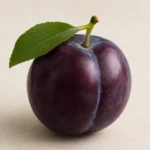
Eastern European kugel often leans into dairy richness, with sour cream and cottage cheese or farmer cheese as base elements, sometimes incorporating plums or prunes for subtle sweetness.
Central and Western European adaptations may emphasize vanilla, cinnamon, or citrus zest, aligning with regional desserts and cake-like textures.
Passover variations commonly modify ingredients to fit dietary laws, substituting matzah farfel or kosher-for-Passover noodles and ensuring all ingredients are prepared in compliance with holiday restrictions.
Pasta that’s overcooked makes the kugel mushy. Tip: Slightly undercook noodles; they will finish cooking in the oven.
Lack of moisture can yield a dry center. Ensure you use enough dairy or non-dairy moisture and avoid drying out the custard by not over-baking.
Top browning too quickly—cover with foil or lower oven temperature if the top browns before the center sets.
Texture too cakey—consider adding a bit more sour cream or yogurt or using a bit less eggs to soften the custard.
Sticking—grease the pan thoroughly and consider lining with parchment for easy removal in thin pans.
Serving Suggestions and Storage
Kugel is versatile in how you serve it. It can be a main dish in lighter meals or a hearty side. Here are some pairing ideas and serving suggestions:
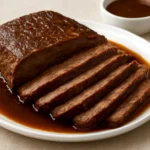
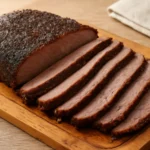
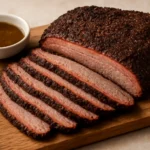
Pair savoury kugel with roasted vegetables, brisket, or chicken for a complete Shabbat or holiday plate.
Serve sweet kugel with fresh fruit compotes, berries, or a dollop of whipped cream if desired.
Offer a selection of pickles, pickled onions, and salads as contrast to the richness of kugel.
For a more formal presentation, cut kugel into neat squares and garnish with chopped herbs for savory versions or a light dusting of cinnamon for sweet versions.
To store, keep leftovers in the refrigerator in an airtight container. Reheat gently in the oven or microwave. For longer storage, kugel freezes well when wrapped tightly and kept for up to two months.
Kugel has a storied place in Jewish culinary history. It reflects resourcefulness—turning everyday staples into a comforting, crowd-pleasing dish. Across generations, kugel has adapted to evolving dietary preferences, kosher cooking practices, and regional flavors, yet it remains a symbol of family gatherings and shared meals. The sweet kugel often carries memories of holiday mornings and rounds of table blessings, while the savory versions echo hearty Sabbath menus and festive dinners.
In many Jewish households, kugel is a recipe that travels through families—each generation adds its own touches, swapping ingredients or adjusting sweetness and salt. The result is a living culinary tradition: easy to prepare, deeply satisfying, and authentically comforting.
Practical Tips for Perfect Kugel Every Time
Use room-temperature eggs to prevent a lumpy custard and ensure even blending with the dairy ingredients.
Salt is essential in savory kugel to balance flavors. Taste the mixture before baking and adjust accordingly.
Drain noodles completely and press them gently with a spatula to remove excess moisture; this helps achieve a cohesive bake.
If you want a more custardy texture, increase the dairy proportion slightly or reduce the bake time by a few minutes.
Experiment with flavor boosters such as a squeeze of lemon juice, citrus zest, or a pinch of nutmeg for extra depth.
Final Thoughts: Embracing Diversity in a Jewish Noodle Kugel
The beauty of Jewish noodle kugel lies in its flexibility. Whether you choose the classic sweet version that evokes childhood memories or the savory, herb-forward kugel that stands up to a table of hearty dishes, the recipe invites creativity while honoring tradition. The variations presented here offer a spectrum—from dairy-intensive classics to dairy-free adaptations and gluten-free options—so you can tailor kugel to your needs, guests, and seasonal ingredients.
In your kitchen, kugel can be a comforting staple with a timeless appeal and a modern twist. The dish’s fundamentals are simple enough for a weeknight supper, yet its potential for flavor and texture makes it suitable for special occasions and celebrations. By choosing your preferred base (dairy vs non-dairy, sweet vs savory), experimenting with add-ins, and adjusting bake times, you can master a Jewish noodle kugel recipe that feels both authentic and deeply personal.